
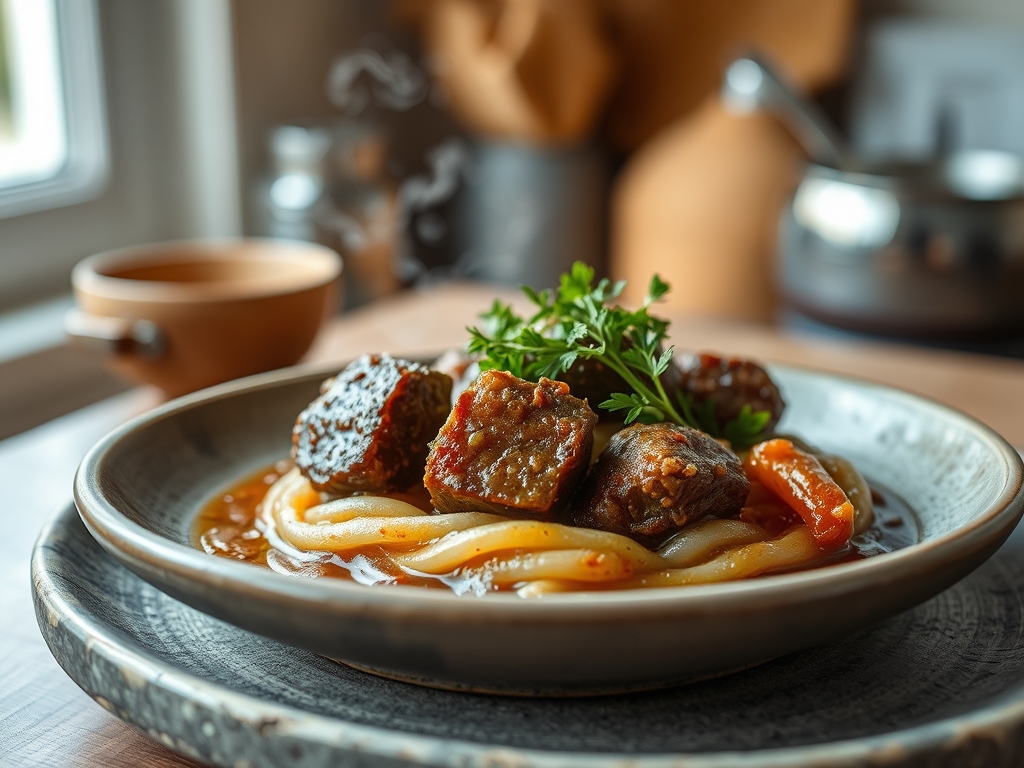
Imagine the smell of a French bistro at dusk. It is that heady, intoxicating aroma of searing fat and concentrated wine that makes your mouth water before you even see a menu. Most home cooks struggle to replicate that depth of flavor because they rely on watery stocks or oversalted cubes. If you want to master better than bouillon beef recipes, you have to think like a chemist and act like a stylist. We are moving past basic seasoning into the realm of high-impact umami. By using a concentrated paste as a base, you are essentially shortcutting the twelve-hour reduction process used in professional kitchens. This guide is your backstage pass to transforming a humble pound of ground chuck or a tough brisket into a dish that tastes like it has been simmering since sunrise. We are going to explore how to leverage moisture, heat, and salt to unlock the hidden potential of your protein.
The Gathers:
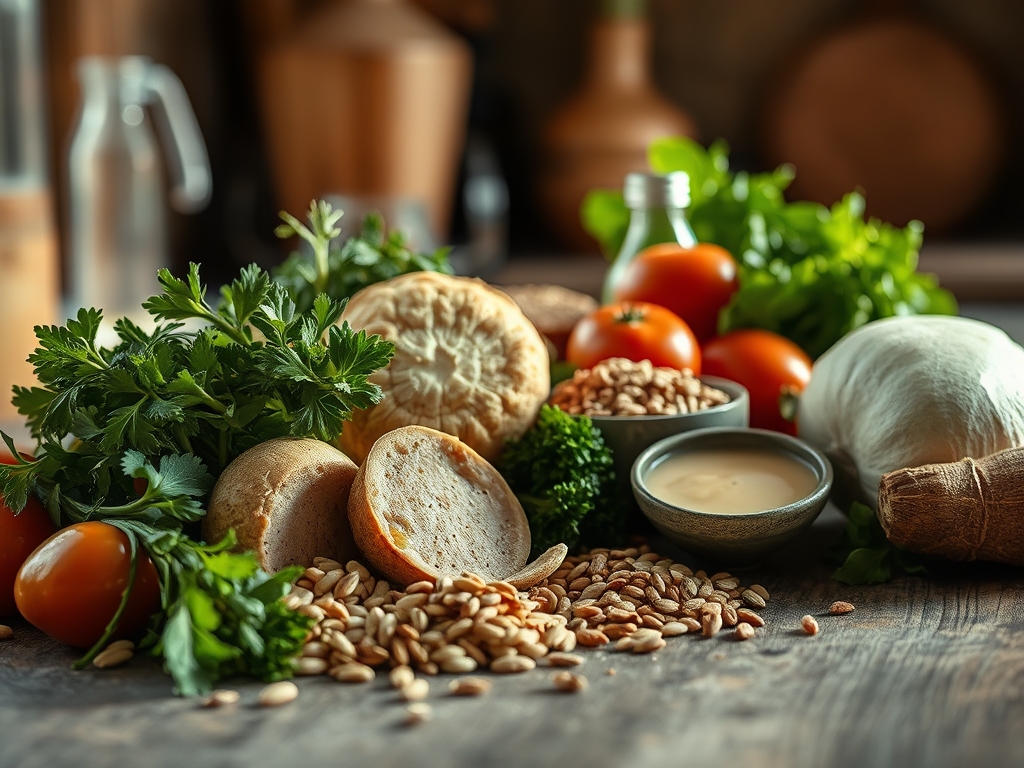
Setting up your station is about more than just convenience; it is about controlling the variables of your kitchen laboratory. For these flavor boosts, your mise-en-place should be organized by volatility and texture. You will need your heavy-bottomed skillet, a high-quality microplane for aromatics, and a digital scale to ensure your ratios are precise.
Start with your base: a jar of premium beef base. Unlike dry cubes, this paste is a viscous concentrate of real meat juices. Gather your aromatics: garlic cloves, shallots, and fresh thyme. You will also need "The Brighteners," which include balsamic glaze or a splash of Worcestershire sauce to provide a piquant counterpoint to the heavy fats.
Smart Substitutions:
If you are out of fresh garlic, do not reach for the stale powder; use a fermented black garlic paste for a deeper, molasses-like undertone. If you need to swap the red wine for deglazing, a mixture of pomegranate juice and a teaspoon of white vinegar mimics the acidity and tannin structure perfectly. For a dairy-free richness, swap butter for a high-quality bone marrow butter or a neutral avocado oil infused with smoked paprika.
The Clock
The "Chef's Flow" is the secret to never feeling rushed. Total prep time for these boosts is roughly 15 minutes, with cooking times varying from 5 to 20 minutes depending on the application.
The first 5 minutes are dedicated to the Maillard reaction. This is the non-enzymatic browning that occurs when amino acids and reducing sugars meet high heat. The next 10 minutes involve deglazing and reduction. You are essentially evaporating water to concentrate the flavor molecules. If you are making a pan sauce, the final 2 minutes are for emulsification, where you whisk in cold fats to create a glossy, stable sauce. By following this sequence, you ensure that every layer of flavor is locked in before the next one is added.
The Masterclass
1. The Fond Foundation
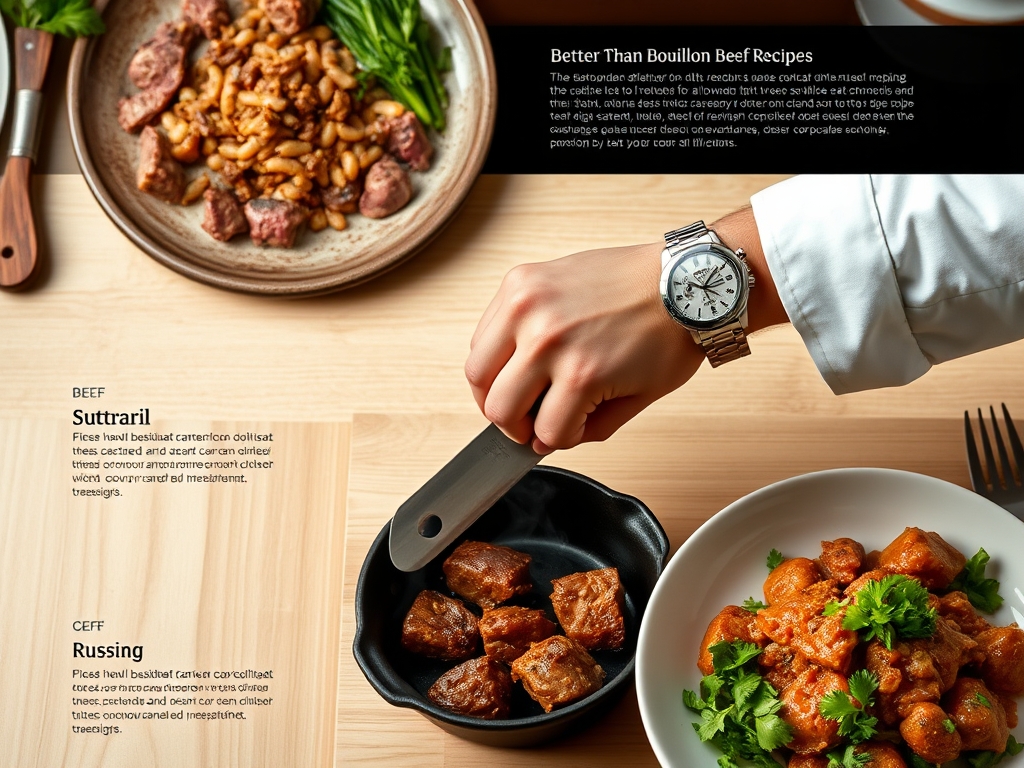
Start by searing your beef in a heavy-bottomed skillet. Do not overcrowd the pan. As the meat browns, it leaves behind brown bits called "fond." This is pure gold. Add a teaspoon of the beef base directly into the rendered fat before adding liquid.
Pro Tip: This technique utilizes thermal carryover. By adding the paste to the hot fat, you are "blooming" the fat-soluble flavor compounds, which intensifies the beefy profile far more than dissolving it in water would.
2. The Deglaze Dance
Once your fond is established, pour in a liquid like dry red wine or stock. Use a bench scraper or wooden spoon to lift those caramelized bits off the bottom. This is where your better than bouillon beef recipes truly begin to sing.
Pro Tip: This is a lesson in solubility. The alcohol in the wine acts as a solvent, capturing flavor molecules that water alone cannot touch. It creates a complex, multi-dimensional sauce base.
3. The Umami Bomb
Incorporate a teaspoon of tomato paste and a smear of the beef base into your aromatics. Sauté them until the tomato paste turns from bright red to a deep rust color. This removes the metallic "tin" taste and sweetens the mixture.
Pro Tip: You are triggering enzymatic browning. The heat breaks down the complex sugars in the tomato and beef base, creating a savory depth known as "kokumi," which enhances the heartiness of the meat.
4. The Aerated Finish
When the sauce is reduced by half, take it off the heat. Use a saucier or whisk to vigorously incorporate a cold pat of butter or a dollop of heavy cream.
Pro Tip: This is mechanical emulsification. By whisking rapidly, you are suspending fat droplets within the water-based sauce. The result is a velvety texture that coats the back of a spoon and mellows the saltiness of the concentrate.
The Deep Dive
Macro Nutrition:
Beef is a powerhouse of iron, B12, and zinc. By using a concentrated base, you are adding significant flavor with minimal caloric impact. Most beef bases contain about 10 to 15 calories per teaspoon, making this a high-efficiency way to season without the heavy fats of traditional gravies.
Dietary Swaps:
For my Keto friends, this method is perfect as it avoids flour-based thickeners. If you are Gluten-Free, always check your base label for hidden maltodextrins. For a Vegan "beef" boost, use a mushroom-based concentrate; it provides the same savory nucleotide profile as real beef.
The Fix-It:
- Too Salty? Do not add water; add an acid like lemon juice or a pinch of sugar. Acid masks saltiness by distracting the taste buds.
- Sauce is Broken? If the fat is separating, whisk in a tablespoon of warm water and a tiny bit of mustard. The lecithin in mustard acts as a natural stabilizer.
- Burnt Fond? If the bottom of the pan is black instead of brown, stop. Wipe it out and start over. Burnt carbon is bitter and will ruin the entire batch.
Meal Prep:
To maintain "day-one" quality, reheat your beef in a covered pan with a splash of water or stock. This creates a steam environment that prevents the proteins from tightening and becoming rubbery. Avoid the microwave, which causes dielectric heating, often leading to uneven textures and "hot spots" that overcook the meat.
The Wrap-Up
Mastering the art of better than bouillon beef recipes is like learning a new language. Once you understand the vocabulary of searing, deglazing, and emulsifying, you can "speak" flavor fluently. You are no longer just following a recipe; you are manipulating molecules to create something extraordinary. Grab your tongs, fire up the range, and let the science of deliciousness take over your kitchen. You have the tools, the knowledge, and the palate to turn every Tuesday night dinner into a five-star event.
The Kitchen Table
How do I store leftover beef base?
Keep the jar tightly sealed in the refrigerator. Because of its high salt content and low water activity, it stays fresh for months. Always use a clean spoon to prevent cross-contamination and mold growth.
Can I use this for slow cooking?
Absolutely. Mix the paste with a small amount of warm liquid before pouring it over your roast. This ensures the flavor is distributed evenly throughout the collagen-rich connective tissues as they break down over several hours.
Is it better than dry bouillon?
Yes, because the paste contains real meat juices and lower levels of fillers. The texture is viscous rather than gritty, allowing it to melt seamlessly into sauces, marinades, and braises without leaving a salty residue.
Can I use it as a dry rub?
It is too moist for a traditional dry rub, but it makes an incredible "wet rub." Smear a thin layer over your steak before grilling to create a crust that is packed with concentrated umami and salt.