
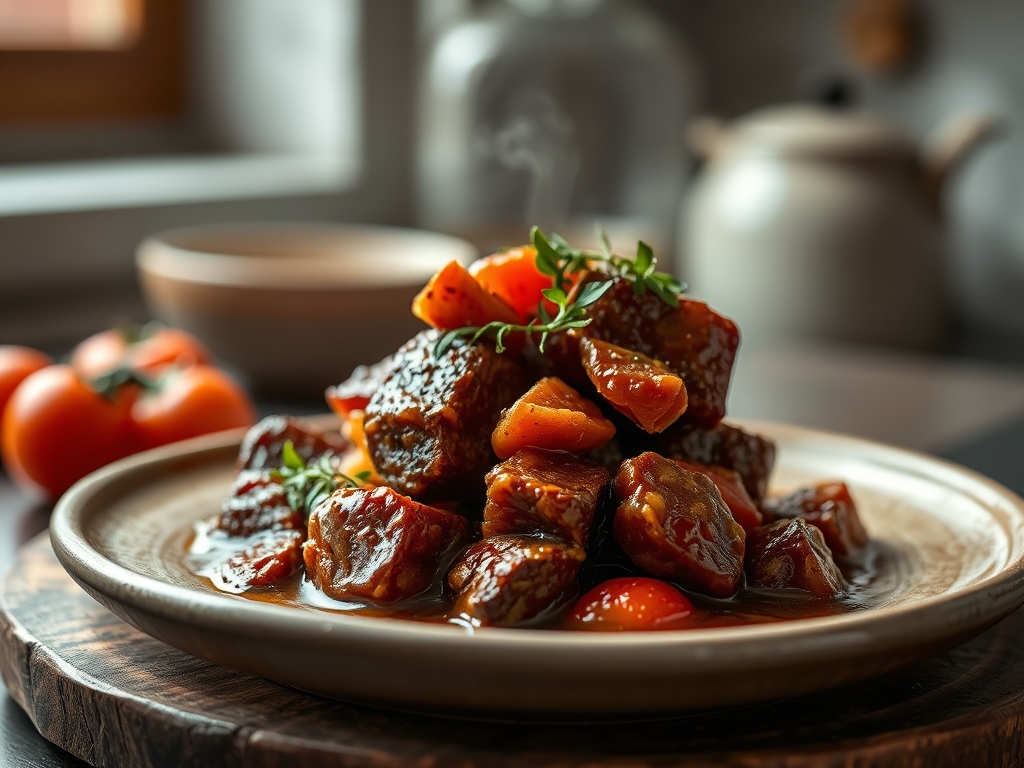
Picture the steam rising from a heavy-bottomed Dutch oven as the scent of slow-simmered garlic and rendered fat fills your kitchen. There is a specific, primal comfort found in the marriage of acidic fruit and savory protein. When you master stew beef recipes with tomatoes, you are not just cooking; you are conducting a complex chemical symphony. The bright acidity of the tomato cuts through the heavy collagen of the beef, creating a balanced profile that feels both sophisticated and rustic. We are going to transform tough cubes of chuck into butter-soft morsels bathed in a thick, mahogany sauce. This is the ultimate comfort food, elevated by the precise application of heat and timing. Forget watery broths or bland vegetables. We are diving into the molecular magic of deep browning and enzymatic breakdown to ensure every spoonful is a concentrated explosion of umami. Grab your favorite apron and a glass of red wine; we are about to turn your kitchen into a high-end bistro.
The Gathers:
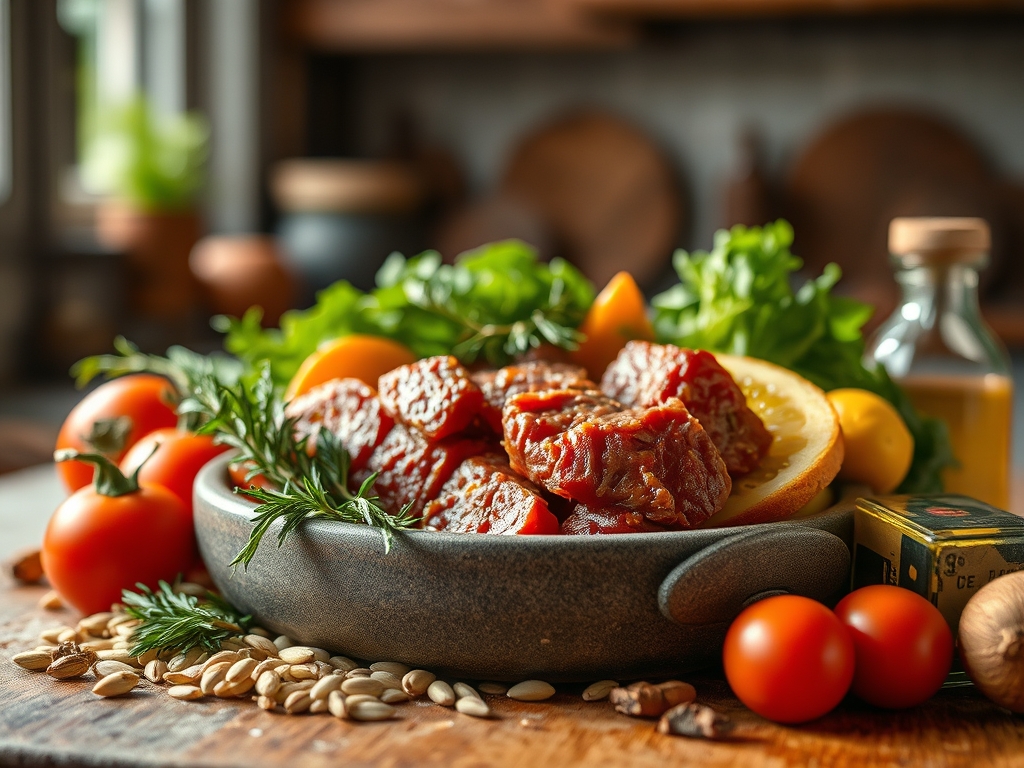
Before we ignite the burner, we must assemble our laboratory. You will need three pounds of beef chuck, specifically selected for its high connective tissue content. Look for heavy intramuscular marbling. For the tomato base, use San Marzano peeled tomatoes; their low seed count and high sugar-to-acid ratio provide a superior viscous texture. You will also need a mirepoix of carrots, celery, and yellow onions, plus four cloves of garlic ready for the microplane.
The aromatics are non-negotiable: fresh thyme, bay leaves, and a tablespoon of tomato paste for concentrated depth. Use a digital scale to measure out thirty grams of all-purpose flour for dredging. For the liquid, a rich bone broth and a dry Cabernet Sauvignon will provide the necessary tannins.
Smart Substitutions: If you are avoiding alcohol, swap the wine for an equal part of beef stock mixed with a tablespoon of balsamic vinegar to mimic that piquant acidity. No chuck roast? Use beef shanks for an even richer, more gelatinous mouthfeel. If you lack fresh herbs, use one-third the amount of dried herbs, as their oils are more concentrated.
The Clock
Efficiency in the kitchen is about the Chef's Flow. Expect thirty minutes of active preparation. This includes trimming the silver skin from the beef, dicing vegetables with a sharp chef's knife, and organizing your station with a bench scraper. The cooking phase is where patience pays off. You will spend fifteen minutes searing the meat and sautéing aromatics, followed by a low-and-slow simmer of three hours.
The goal is to reach the collagen-to-gelatin conversion point, which typically occurs when the internal temperature of the beef sustains 190 degrees Fahrenheit. Do not rush this process with high heat; high temperatures cause muscle fibers to tighten and squeeze out moisture, resulting in "dry" meat despite being submerged in liquid.
The Masterclass
1. The Sear and the Maillard Reaction
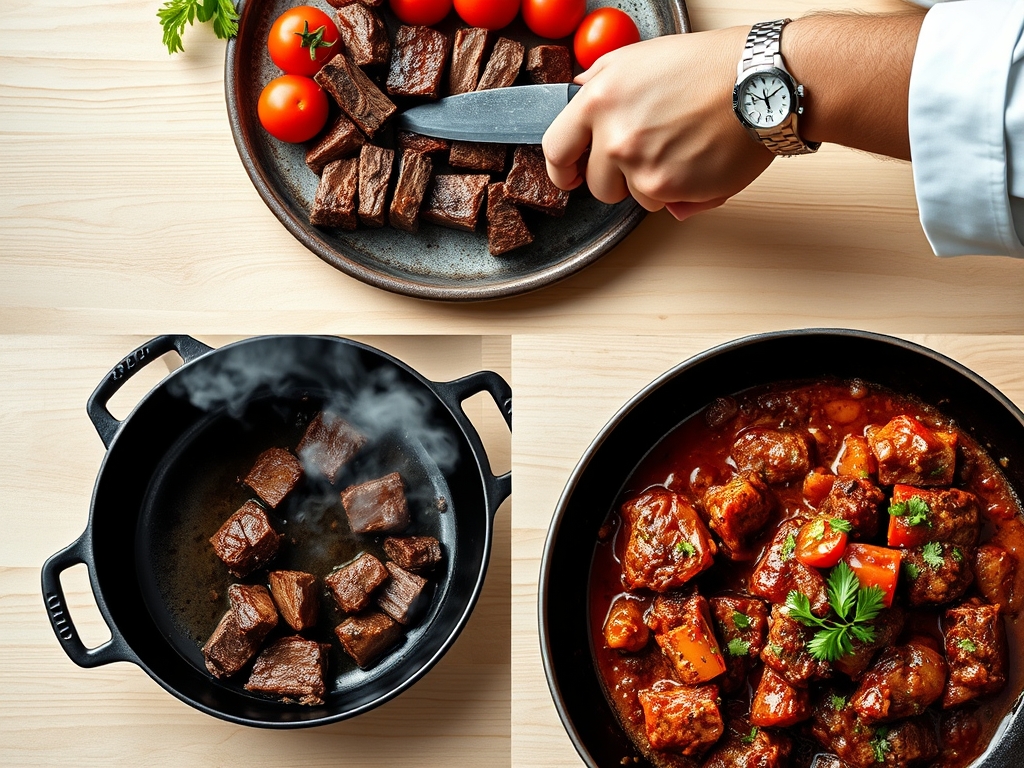
Pat your beef cubes bone-dry with paper towels. Season aggressively with kosher salt. Heat a heavy-bottomed skillet or Dutch oven with high-smoke-point oil until it shimmers. Sear the beef in batches, ensuring you do not crowd the pan.
Pro Tip: This stage relies on the Maillard Reaction. This chemical reaction between amino acids and reducing sugars creates hundreds of different flavor compounds. If the pan is crowded, the meat will steam in its own moisture rather than sear, robbing you of that deep, savory crust.
2. Deglazing the Fond
Once the meat is removed, you will see brown bits stuck to the bottom of the pan. This is called the fond. Add your diced onions and use a wooden spoon to scrape these bits as the onions release their moisture.
Pro Tip: Deglazing is a form of solvent extraction. The alcohol in the wine or the water in the vegetables dissolves the flavorful compounds in the fond, incorporating them back into the sauce for a more complex flavor profile.
3. The Tomato Paste Infusion
Clear a small space in the center of your vegetables and add the tomato paste. Cook it for two minutes until it turns from bright red to a rusty brick color.
Pro Tip: This process is called pinking. It caramelizes the natural sugars in the paste and removes the "raw" metallic taste, intensifying the umami through thermal concentration.
4. The Saucier Simmer
Return the beef to the pot along with the crushed tomatoes and broth. Ensure the liquid just barely covers the meat. Bring to a gentle boil, then immediately reduce to a whisper of a simmer.
Pro Tip: Use a cartouche (a parchment paper lid) inside the pot. This allows for a small amount of evaporation, which thickens the sauce while ensuring the surface of the meat does not dry out during the long cook time.
5. The Aromatics and Tempering
In the final forty-five minutes, add your carrots and potatoes. Adding them too early results in a mealy texture as their cell walls completely collapse.
Pro Tip: This is about starch gelatinization. As the potatoes cook, they release starches that act as a natural thickener, creating a silky, emulsified sauce without the need for a heavy roux.
6. The Rest and Carryover Heat
Once the beef is fork-tender, remove the pot from the heat and let it sit, uncovered, for fifteen minutes before serving.
Pro Tip: This stage utilizes thermal carryover. As the temperature stabilizes, the muscle fibers relax and reabsorb some of the surrounding flavorful liquid, ensuring the meat is succulent rather than stringy.
The Deep Dive
Macro Nutrition: A standard serving provides approximately 350 calories, 35 grams of protein, and a wealth of Vitamin A and Lycopene from the cooked tomatoes. The fat content varies based on how well you render the beef fat during the initial sear.
Dietary Swaps:
- Keto: Omit the potatoes and flour dredge; use xanthan gum for thickening and add extra celery root or radishes for bulk.
- Vegan: Replace beef with "meaty" king oyster mushrooms or seitan, and use a mushroom-based dashi instead of beef broth.
- Gluten-Free: Use a cornstarch slurry or potato starch instead of all-purpose flour.
The Fix-It:
- Too Salty? Drop in a peeled, halved raw potato for twenty minutes; it will absorb excess salt through osmosis.
- Too Thin? Remove a cup of the liquid and whisk in a teaspoon of flour, then return it to the saucier to simmer until viscous.
- Too Acidic? Add a pinch of baking soda. This neutralizes the pH of the tomatoes instantly.
Meal Prep: Stew is notoriously better on day two. This is because the aromatic compounds continue to infuse and the flavors undergo "mellowing." To reheat, use a low flame and add a splash of water to loosen the gelatinized sauce. Avoid the microwave, which can toughen the proteins.
The Wrap-Up
Mastering the art of stew beef recipes with tomatoes is a rite of passage for any serious home cook. By understanding the science of the Maillard reaction, the patience of collagen breakdown, and the balance of acidity, you have moved beyond following a recipe to understanding the "why" of the kitchen. This dish is a testament to the beauty of slow cooking; it is rich, layered, and deeply satisfying. Now, serve it up in wide bowls, perhaps with a side of crusty sourdough, and enjoy the fruits of your scientific labor.
The Kitchen Table
Why is my stew beef still tough after two hours?
The beef likely hasn't reached the temperature required for collagen breakdown. Continue simmering at a low heat until the connective tissues melt into gelatin. This usually requires an internal temperature of at least 190 degrees Fahrenheit for several minutes.
Can I make this stew in a slow cooker?
Yes, but you must sear the beef in a skillet first. Slow cookers do not reach the temperatures necessary for the Maillard reaction. Transfer everything to the crockpot after deglazing and cook on low for six to eight hours.
What is the best tomato for beef stew?
San Marzano tomatoes are the gold standard. They have a thick flesh, fewer seeds, and a balanced sweetness that prevents the stew from becoming overly metallic or sour during the long reduction process.
How do I get a deep brown color in my stew?
The color comes from the "fond" created during the initial sear and the caramelization of the tomato paste. Don't be afraid of dark brown bits in the pan; they are the source of color and umami.
Can I freeze tomato-based beef stew?
Absolutely. The high liquid content protects the meat from freezer burn. However, potatoes may become slightly grainy upon thawing. For best results, freeze the base and add fresh potatoes when reheating.