
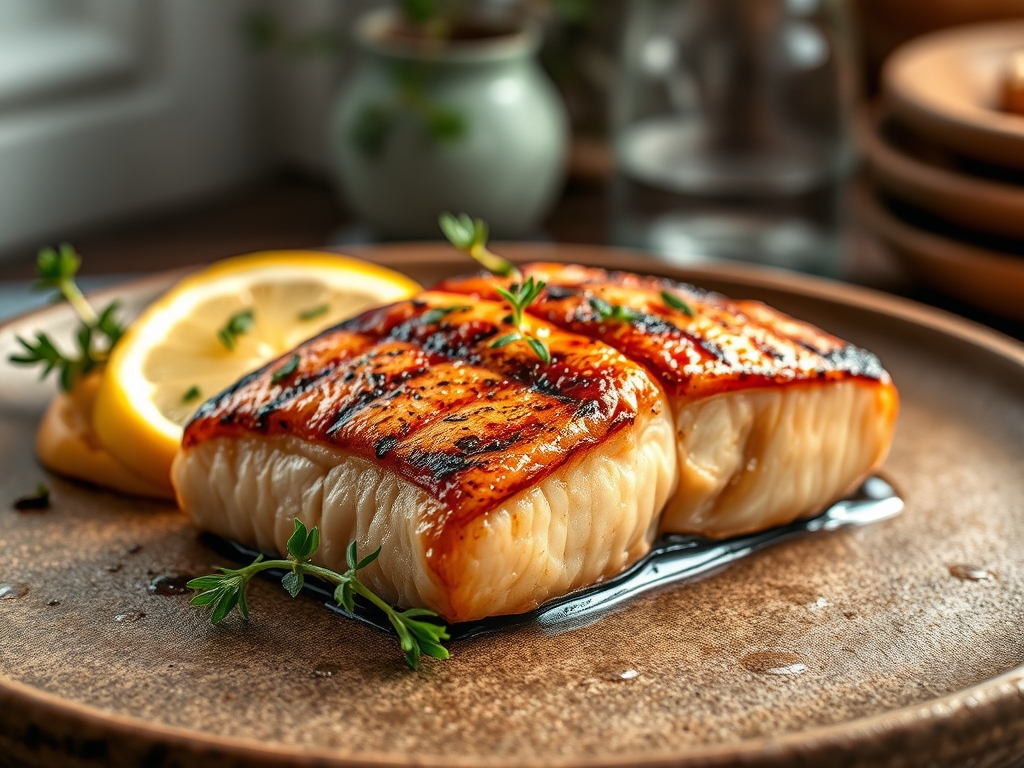
Picture this: a heavy-bottomed cast iron skillet screaming with heat or a grill grate glowing amber. You lay down a thick, cold fillet and hear that instant, aggressive sizzle. That is the sound of amino acids and reducing sugars dancing in the Maillard reaction. If you are hunting for the ultimate grilled atlantic salmon recipes, you have officially arrived at the intersection of molecular science and pure, flaky bliss. We are not just "cooking fish" today. We are mastering the art of protein denaturation and thermal management to ensure every bite is buttery, piquant, and structurally perfect.
The secret to a world-class salmon dish is not just the fire; it is the preparation of the cellular structure before it ever touches the heat. Atlantic salmon is prized for its high fat content and intramuscular marbling. When treated with respect, those fats render into a silken sauce that coats the palate. When mistreated, you end up with a dry, chalky disaster leaking white albumin. We are going to avoid the pitfalls of amateur grilling by using professional-grade techniques and a bit of kitchen chemistry. Grab your apron and your favorite digital scale; it is time to turn a simple fillet into a culinary masterpiece that looks like it belongs on a magazine cover.
The Gathers:
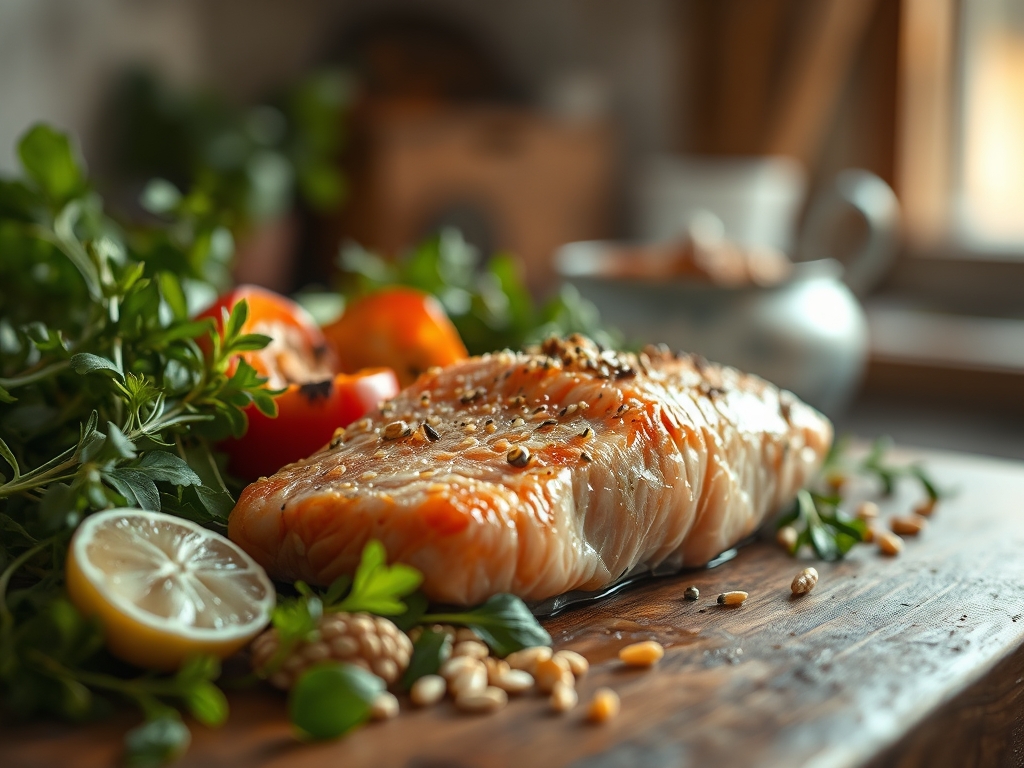
To execute these grilled atlantic salmon recipes with precision, your mise-en-place must be flawless. Start with a center-cut Atlantic salmon fillet; look for vibrant color and firm flesh that springs back when touched. You will need high-quality kosher salt to denature the surface proteins and a high-smoke-point oil like avocado or grapeseed oil. Unlike olive oil, these won't break down and become acrid at high temperatures.
For your aromatics, gather fresh dill, a microplane for zesting organic lemons, and a few cloves of garlic to infuse into a finishing butter. You should also have a small bowl of honey or maple syrup if you want to encourage faster caramelization.
Smart Substitutions: If you are out of fresh lemons, a splash of white balsamic vinegar provides the necessary acidity to cut through the fatty lipids of the fish. No avocado oil? Ghee is a fantastic alternative because the milk solids have been removed, giving it a high smoke point and a rich, nutty profile that complements the salmon perfectly. Use a digital scale to ensure your fillets are uniform in weight, which guarantees they finish cooking at the exact same moment.
The Clock
The "Chef's Flow" is all about managing thermal momentum. Total prep time is roughly 15 minutes; this includes the crucial step of "tempering" your fish. Never throw a fridge-cold fillet onto a hot grill unless you want a raw center and a burnt exterior.
Prep Time: 15 minutes (Tempering and seasoning).
Cook Time: 8 to 12 minutes depending on thickness.
Rest Time: 5 minutes (Non-negotiable for moisture retention).
The flow begins by patting the fish bone-dry with paper towels. While the fish tempers on the counter, you preheat your grill or skillet. You want the cooking surface to reach at least 450 degrees Fahrenheit. The actual "active" cooking is fast, but the preparation ensures you aren't scrambling while the protein is on the heat.
The Masterclass
1. The Desiccation Ritual
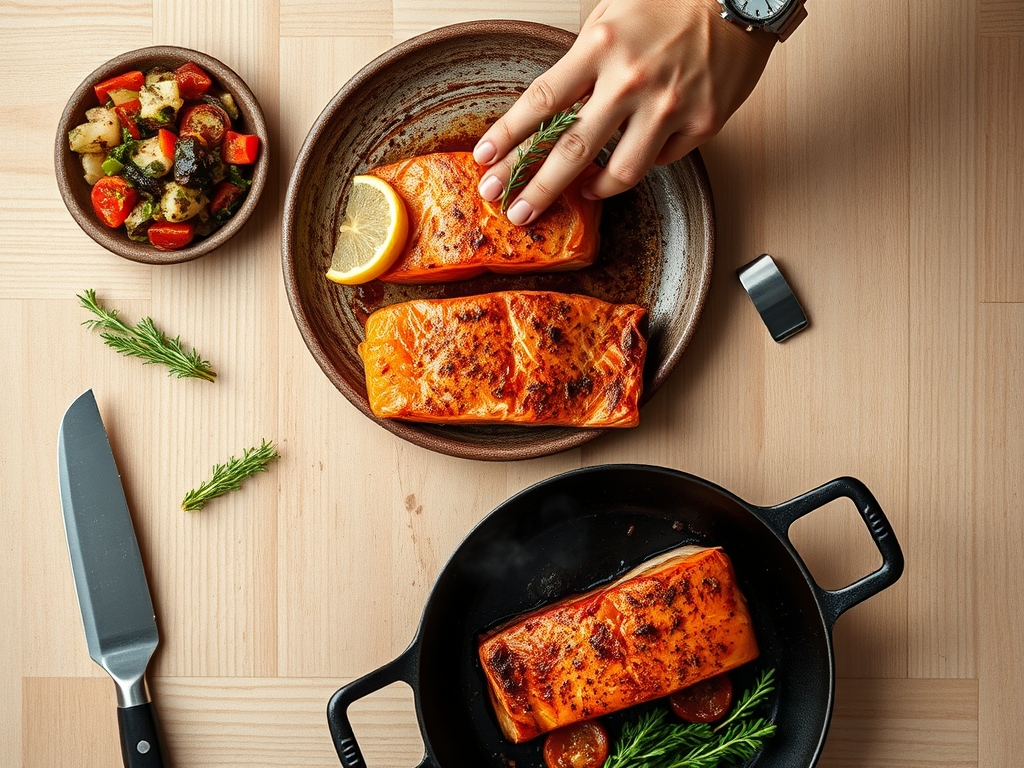
Use a bench scraper or the back of a knife to firmly squeegee any excess moisture off the skin. Moisture is the enemy of the Maillard reaction; if the skin is damp, it will steam rather than crisp. Once dry, season liberally with salt.
Pro Tip: Salt acts as a humectant. By salting the fish 10 minutes before cooking, you draw out moisture, dissolve the salt, and then the brine is reabsorbed into the muscle fibers. This seasons the fish deeply and prevents the proteins from tightening too aggressively.
2. The Oil Barrier and Aeration
Lightly coat the skin with your high-smoke-point oil. Do not oil the grill grates; oil the fish. This creates a viscous barrier that prevents the delicate skin from bonding to the metal.
Pro Tip: Using a pastry brush ensures an even, thin layer of lipids. This thin film allows for better heat conduction and prevents the oil from pooling and smoking excessively, which can impart a bitter flavor to the flesh.
3. The Initial Sear
Place the salmon skin-side down on the hottest part of the grill. Use a flexible fish spatula to press down firmly for the first 30 seconds. This prevents the skin from curling as the collagen fibers contract.
Pro Tip: This physical pressure ensures maximum surface area contact. By keeping the skin flat, you facilitate even heat distribution, leading to a glass-like, crispy texture through rapid dehydration of the epidermis.
4. Thermal Monitoring
Do not poke or prod the fish. Wait until you see the color change creeping up the side of the fillet. When the bottom third of the fish looks opaque, it is time to flip. Use your tongs and a spatula in tandem for a gentle transition.
Pro Tip: This is "conductive cooking." The heat travels from the grill through the skin and into the fat layer. This fat acts as an insulator, gently poaching the flesh from the bottom up and keeping it succulent.
5. The Glaze Infusion
During the last two minutes of cooking, use a saucier to melt butter with garlic and herbs. Brush this over the top of the salmon. The sugars in the glaze will begin to caramelize almost instantly.
Pro Tip: This is the "Aromatics Phase." The heat of the fish causes the volatile oils in the herbs to aerate, surrounding the protein in a fragrant cloud that penetrates the top layers of the meat without overcooking the center.
6. The Carryover Rest
Remove the salmon when a digital thermometer reads 125 degrees Fahrenheit for medium-rare. Transfer it to a warm plate and let it sit.
Pro Tip: This accounts for thermal carryover. The internal temperature will rise another 5 degrees while resting. This allows the muscle fibers to relax and reabsorb the internal juices, ensuring the liquid stays in the fish rather than on your plate.
The Deep Dive
Macro Nutrition: Atlantic salmon is a powerhouse of Omega-3 fatty acids, specifically EPA and DHA. A standard 6-ounce fillet provides roughly 34 grams of high-quality protein and 0 grams of carbohydrates, making it a staple for metabolic health.
Dietary Swaps: For a Keto version, skip the honey glaze and use a compound butter with lemon and capers. For a Vegan "Salmon" alternative, use thick slabs of marinated watermelon or tofu; though the cellular structure differs, the searing techniques remain similar. All grilled atlantic salmon recipes are naturally Gluten-Free, provided your seasonings are pure.
The Fix-It:
- Fish Sticking: If the fish won't budge, it isn't ready. The protein will naturally release from the metal once the crust has formed. Wait 30 more seconds.
- White Gunk (Albumin): This means the heat was too high too fast, squeezing the protein juices out. Lower your flame next time or temper the fish longer.
- Soggy Skin: You likely didn't dry the skin enough or your grill wasn't hot enough to trigger the immediate evaporation of surface water.
Meal Prep: To reheat without losing quality, avoid the microwave. Use a low oven (275 degrees) with a splash of water in the pan, covered with foil. This creates a gentle steam environment that rehydrates the fats without tightening the protein fibers into a rubbery texture.
The Wrap-Up
Mastering grilled atlantic salmon recipes is a rite of passage for any serious home cook. It is a delicate balance of aggressive heat and gentle patience. By understanding how salt, fat, and heat interact with the unique biology of the Atlantic salmon, you move beyond following a script and start cooking with intuition. Remember: dry the skin, temper the meat, and always, always let it rest. Now go light that fire and show that fillet who is boss!
The Kitchen Table
How do I know when the salmon is done without a thermometer?
Gently press the top of the fillet with a finger or fork. If the flakes begin to separate easily along the white fat lines (the lamellae), the salmon is perfectly medium-opaque and ready to rest.
Why does my salmon always turn out dry?
You are likely skipping the tempering step or overcooking the fish. Salmon continues to cook after it leaves the heat. Pull it off the grill at 125-130 degrees Fahrenheit to ensure a moist, buttery interior.
Can I grill salmon with the skin off?
It is possible but much riskier. The skin acts as a protective thermal barrier and holds the delicate flesh together. If you go skinless, use a well-seasoned cast iron skillet with plenty of lubricating fat.
What is the best way to season Atlantic salmon?
Keep it simple to let the fish shine. Use coarse kosher salt, cracked black pepper, and a touch of acidity like lemon zest. Add fresh herbs like dill or parsley only at the very end to prevent burning.