
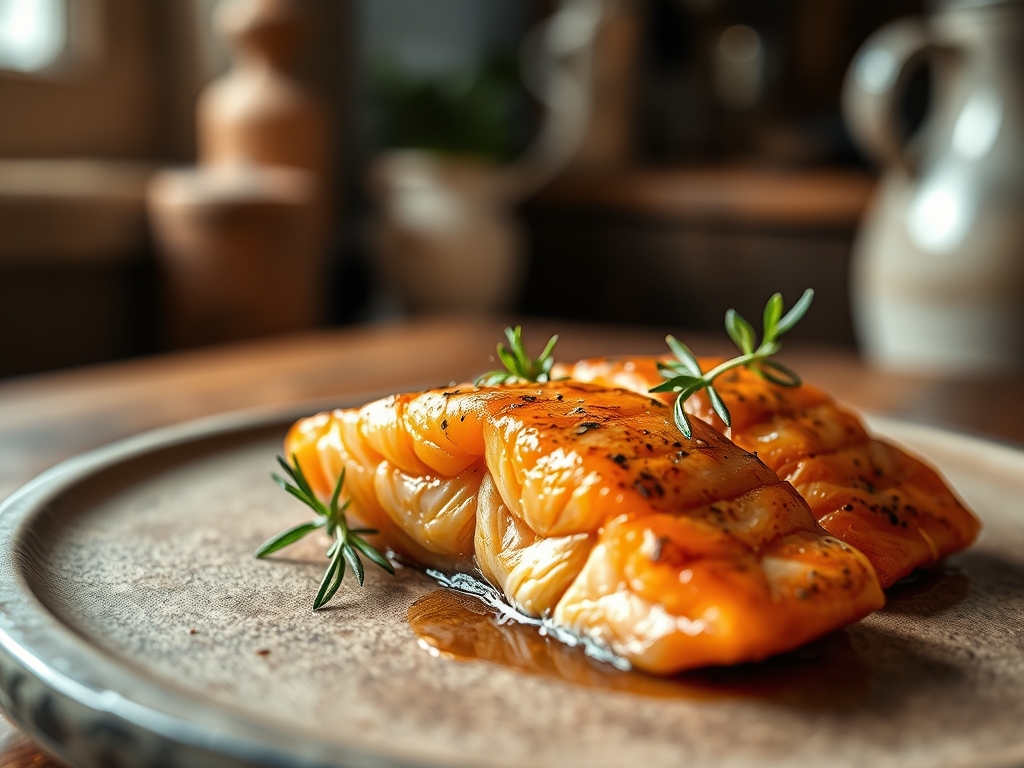
Imagine the scent of smoldering hickory dancing with the sharp, electric sting of habanero. It is a sensory collision that turns a simple piece of fish into a culinary masterpiece. When you master spicy smoked salmon recipes, you are not just cooking; you are orchestrating a complex chemical ballet of heat, fat, and smoke. The salmon provides a rich, buttery canvas while the spice acts as a high-frequency contrast that cuts through the lipid density of the fish. This is the ultimate comfort food for the sophisticated palate, blending the primal allure of fire with the precision of modern gastronomy. We are moving beyond the basic salt and pepper routine to explore the deep, piquant world of capsicum and wood fire. Whether you are hosting a rooftop brunch or a cozy winter dinner, this dish commands attention. It is bold, it is vibrant, and it is surprisingly simple once you understand the molecular mechanics of the brine and the burn. Let us dive into the alchemy of the perfect smoke.
The Gathers:
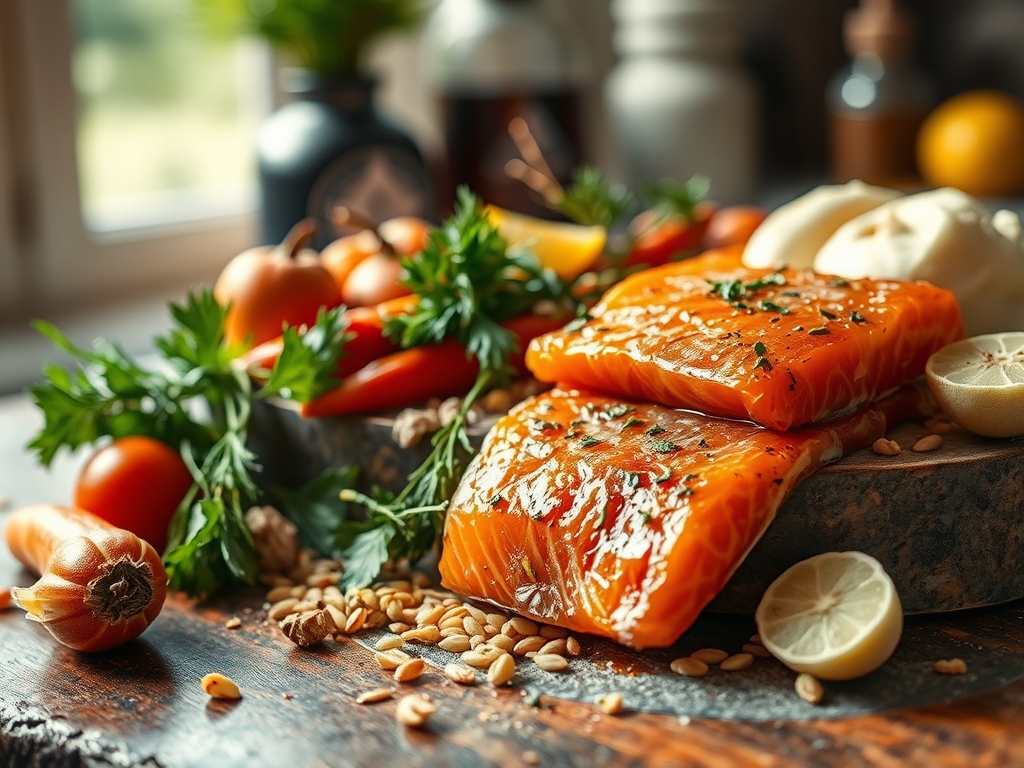
To achieve a restaurant-grade result, your mise-en-place must be flawless. Start with a side of King or Atlantic salmon, weighing approximately three pounds. The viscous nature of the fish's natural oils requires a robust spice profile to penetrate the flesh. You will need high-quality sea salt and dark brown sugar for the dry brine. For the heat, gather dried chipotle powder for earthiness and fresh Thai chilies for a sharp, immediate bite. Use a microplane to zest two organic limes; the essential oils in the zest provide a bright, acidic counterpoint to the heavy smoke.
Smart Substitutions:
If you cannot find fresh Thai chilies, a fermented chili paste like Gochujang works beautifully to add depth and a slight sweetness. For those avoiding refined sugar, coconut sugar offers a similar molasses-like profile with a lower glycemic index. If you lack a traditional smoker, a heavy-bottomed skillet with a tight-fitting lid can be converted into a stovetop smoker using food-grade wood chips. Always use a digital scale to measure your salt-to-sugar ratio; precision here ensures the osmotic pressure properly cures the fish without making it overly saline.
The Clock:
The "Chef's Flow" is all about managing the transition from moisture removal to flavor infusion. Expect a total active prep time of 30 minutes, but the passive time is where the magic happens. You will need 4 to 6 hours for the initial brine to render excess moisture from the cells. Following the brine, a 2-hour air-dry period in the refrigerator is non-negotiable to form the pellicle. The actual smoking process takes between 60 and 90 minutes depending on the thickness of the fillet. Total commitment: approximately 9 hours. Plan to start the process the night before or early in the morning to ensure the proteins have stabilized before serving.
The Masterclass:
1. The Osmotic Brine
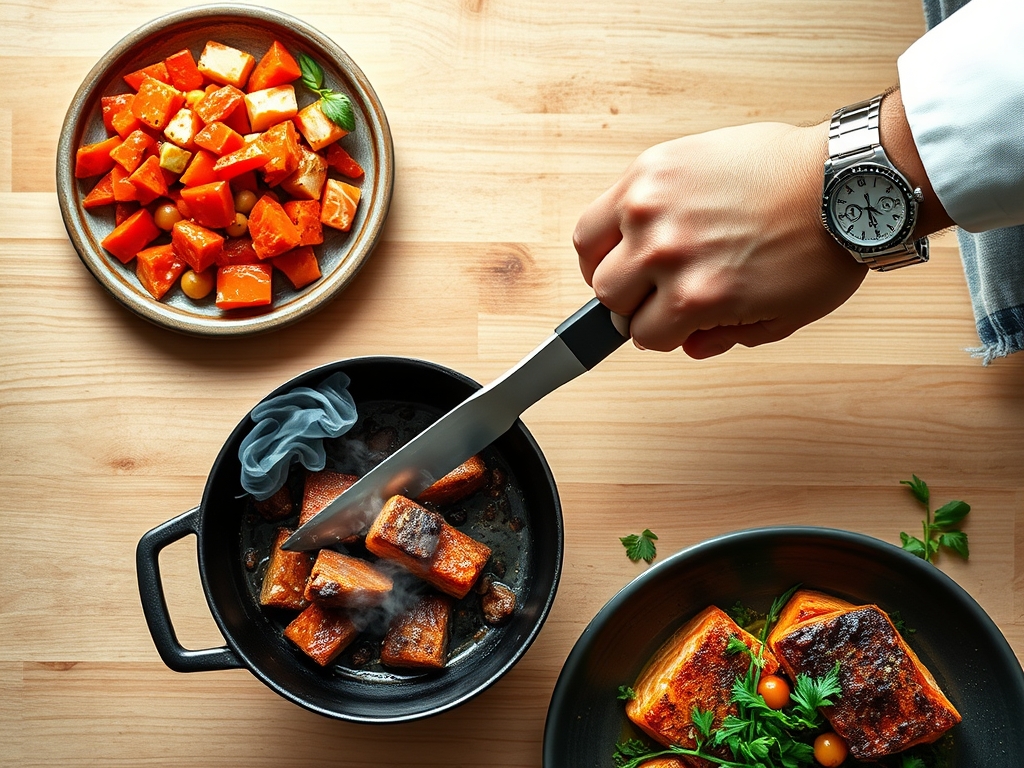
Coat the salmon generously in a 2:1 mixture of brown sugar and sea salt, infused with your spice blend. Use a bench scraper to ensure the mixture is evenly distributed across the entire surface. This process draws out water, concentrating the salmon's flavor and firming the texture.
Pro Tip: This is the science of osmosis. By reducing the water activity in the fish, you inhibit bacterial growth and create a denser protein structure that withstands the heat of the smoker without falling apart.
2. The Pellicle Formation
Rinse the brine off with cold water and pat the fish bone-dry. Place it on a wire rack in the fridge, uncovered, for at least two hours. You are looking for a tacky, shiny surface.
Pro Tip: The pellicle is a thin, sticky layer of proteins that acts as a "glue" for smoke molecules. Without a proper pellicle, the smoke will simply bounce off the fish rather than infuse it with deep flavor.
3. The Capsicum Infusion
Just before smoking, brush the salmon with a light layer of maple syrup or honey using a silicone pastry brush. Dust the surface with your spicy dry rub, including cayenne and smoked paprika.
Pro Tip: The sugars in the glaze undergo caramelization and the Maillard reaction simultaneously. This creates a complex crust that traps the spicy volatile compounds against the skin of the fish.
4. The Low and Slow Smoke
Preheat your smoker to 225 degrees Fahrenheit. Place the salmon on the grates, skin-side down. Use fruitwoods like apple or cherry to complement the spice without overpowering the delicate fish.
Pro Tip: Maintaining a low temperature prevents albumin (the white protein) from leaking out of the fish. If you see white spots, your heat is too high, indicating the muscle fibers are contracting too violently.
5. The Thermal Finish
Use a digital probe thermometer to monitor the internal temperature. Remove the salmon once it hits 135 degrees Fahrenheit. Use wide tongs or a fish spatula to move the fillet carefully to a resting board.
Pro Tip: Thermal carryover will continue to cook the fish after it is removed from the heat. Resting allows the juices to redistribute, ensuring every bite is moist and succulent rather than dry and chalky.
The Deep Dive:
Macro Nutrition:
Spicy smoked salmon is a nutritional powerhouse. A 4-ounce serving typically contains 220 calories, 25 grams of high-quality protein, and 12 grams of healthy fats, primarily Omega-3 fatty acids. The capsaicin from the spices can even provide a slight metabolic boost.
Dietary Swaps:
For a Keto version, replace the brown sugar with an erythritol-based sweetener. For Vegan guests, you can apply this exact spicy smoke technique to thick slabs of watermelon or extra-firm tofu, though the "brining" time should be halved. This recipe is naturally Gluten-Free, provided your spice blends do not contain anti-caking agents derived from wheat.
The Fix-It:
- Fish is too salty: You likely left the brine on too long. Fix this by soaking the fillet in cold water for 30 minutes before smoking to "reverse-osmose" some salt out.
- Fish is dry: This is a result of overcooking. To save it, flake the salmon and fold it into a saucier with warm cream or melted butter to reintroduce lipids.
- No smoke flavor: Your wood chips might be too dry and burning too fast. Soak half of your chips in water to create a slower, more consistent smolder.
Meal Prep:
To reheat without losing quality, avoid the microwave. Instead, wrap the salmon in foil with a teaspoon of water and place it in a 275-degree oven for 8 minutes. This creates a mini-steam chamber that preserves the viscous texture of the fats.
The Wrap-Up:
Mastering spicy smoked salmon recipes is a rite of passage for any serious home cook. It requires patience, a bit of scientific curiosity, and a love for bold flavors. By controlling the brine, the pellicle, and the internal temperature, you create a dish that is light-years ahead of anything found in a grocery store. Now, grab your tongs, fire up the smoker, and get ready to impress yourself. Your kitchen is now a laboratory of flavor.
The Kitchen Table:
How long does spicy smoked salmon last in the fridge?
Stored in an airtight container or vacuum-sealed bag, it remains fresh for up to seven days. For the best texture, consume it within four days. Always ensure it is completely chilled before sealing to prevent condensation.
Can I use frozen salmon for smoking?
Yes, but ensure it is fully thawed in the refrigerator first. Frozen fish often has more broken cell walls, which can lead to a softer texture. The brine step is extra important here to firm the flesh.
What is the best wood for spicy salmon?
Fruitwoods like apple, cherry, or peach are ideal. They provide a mild, sweet smoke that balances the aggressive heat of the spices without making the fish taste bitter or overly medicinal like mesquite might.
Why is my smoked salmon white on top?
That white substance is albumin, a protein that pushes to the surface when the fish cooks too quickly. To prevent this, lower your smoker temperature and ensure the fish is not shocked by extreme heat changes.