
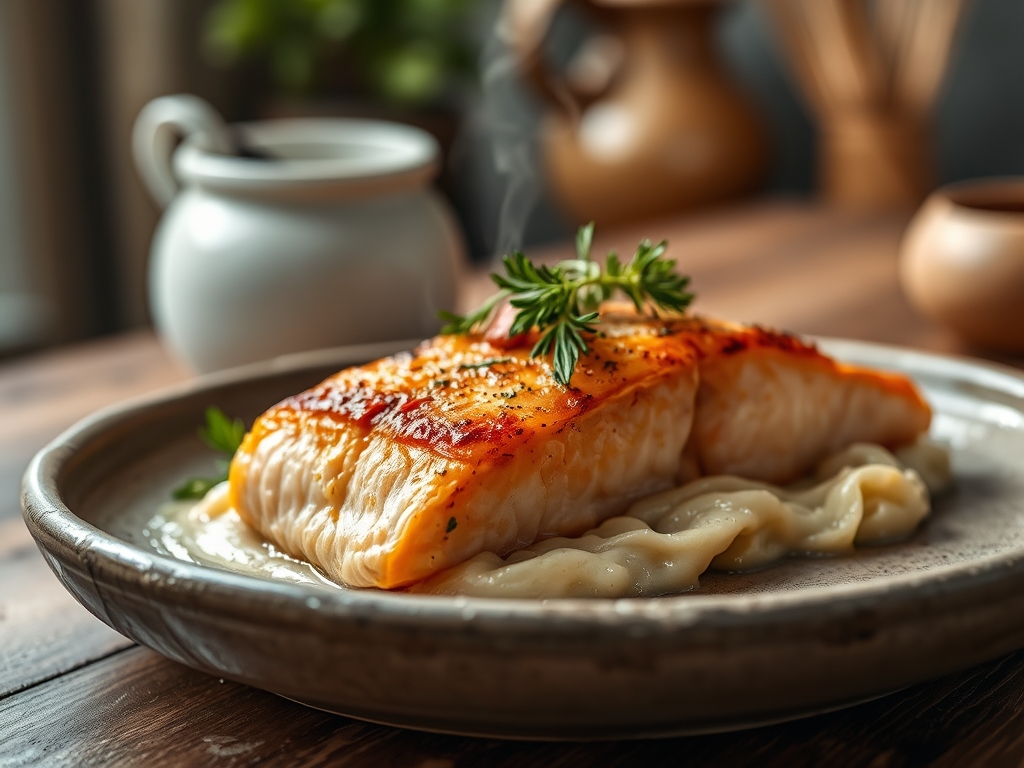
Picture the sizzle of cold protein meeting a heavy-bottomed skillet. The air fills with the aroma of toasted amino acids and caramelizing sugars. If you have been hunting for the ultimate today show salmon recipes to elevate your weeknight rotation; you have arrived at the right place. We are diving into seven days of vibrant; nutrient-dense plates that bridge the gap between studio-kitchen glamour and real-world efficiency.
Salmon is the crown jewel of the omega-3 world. It offers a buttery texture that stands up to aggressive searing or delicate poaching. Whether you are aiming for a crispy skin that shatters like glass or a medium-rare center that melts on the tongue; the secret lies in understanding the thermal dynamics of the fish. We are not just cooking dinner; we are mastering the art of the perfect sear while keeping your health goals front and center. Grab your apron and your sharpest chef knife. We are about to transform your kitchen into a high-end bistro.
The Gathers:
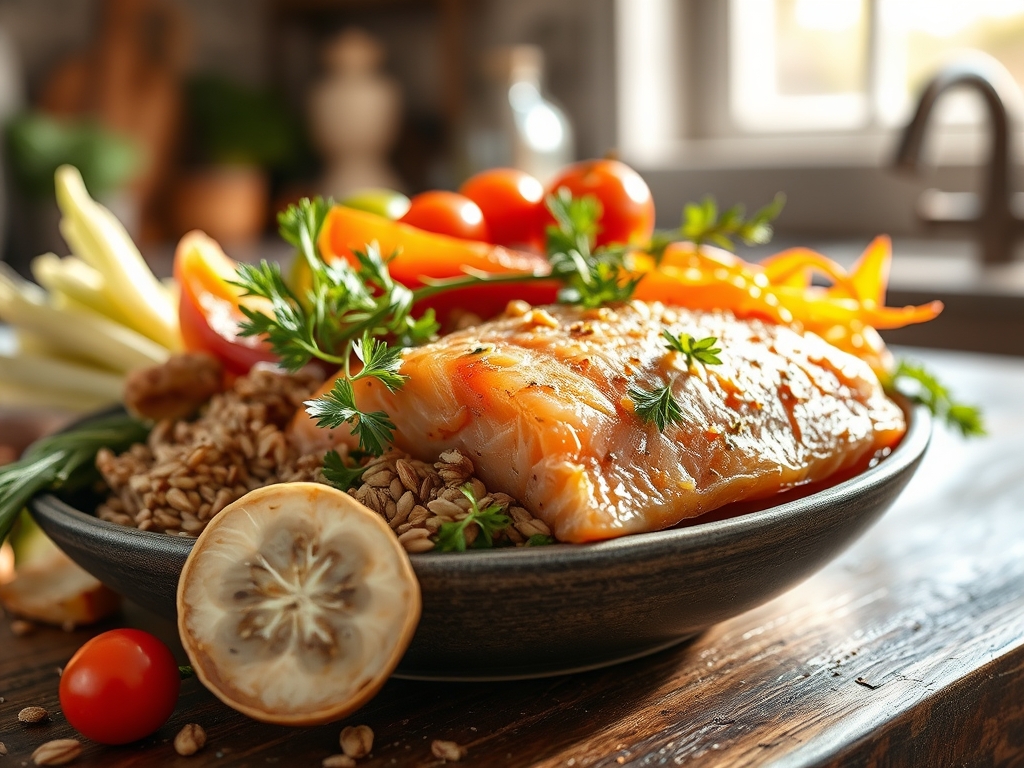
Your mise-en-place is the foundation of culinary success. Start with high-quality fillets; preferably wild-caught for their lean muscle structure and deep astaxanthin pigment. You will need a microplane for zest; a digital scale for precise seasoning; and a saucier for your emulsified reductions.
The aromatics are non-negotiable. Gather fresh ginger for its piquant bite; garlic for sulfurous depth; and bunches of cilantro or dill to provide a bright; herbaceous finish. For fats; choose oils with high smoke points like avocado oil or ghee to facilitate the Maillard reaction without scorching.
Smart Substitutions:
If you are avoiding soy; use coconut aminos to maintain that savory umami profile. Swap honey for monk fruit syrup if you are tracking glycemic loads. If salmon is unavailable; steelhead trout is a fantastic anatomical mirror that offers a similar fatty acid profile and flake structure.
The Clock
Efficiency in the kitchen is about "Chef's Flow." This means grouping tasks to minimize movement and maximize heat retention.
- Prep Time: 15 minutes. This includes washing produce; patting the fish bone-dry; and preparing your sauces.
- Cook Time: 8 to 12 minutes per meal. Salmon reaches peak texture at an internal temperature of 125 degrees Fahrenheit.
- Total Time: Under 30 minutes from fridge to fork.
The flow begins with the "cold start" prep. Chop your vegetables while the skillet preheats. Always temper your salmon by letting it sit at room temperature for ten minutes; this prevents the muscle fibers from seizing when they hit the heat.
The Masterclass
1. The Perfect Sear
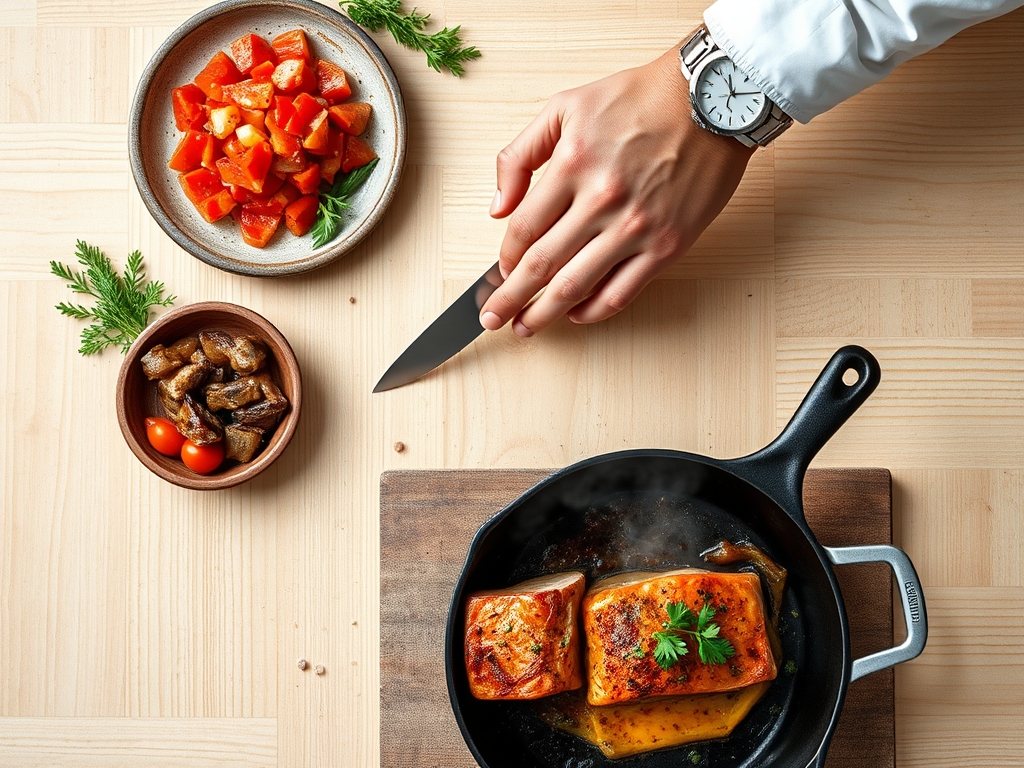
Season your fillets aggressively with kosher salt. Place them skin-side down in a shimmering heavy-bottomed skillet. Press down firmly with a flexible metal spatula for thirty seconds to prevent the skin from curling.
Pro Tip: This initial pressure ensures maximum surface contact; facilitating conductive heat transfer that renders the subcutaneous fat for a potato-chip-crisp finish.
2. The Glaze Infusion
Once the fish is flipped; reduce the heat and add your liquid aromatics. Use a spoon to baste the salmon with the bubbling sauce.
Pro Tip: Lowering the heat prevents the sugars in the glaze from burning; allowing for enzymatic browning that adds complexity without bitterness.
3. The Gentle Rest
Remove the salmon from the pan when it is slightly underdone. Place it on a warm plate and tent it loosely with foil.
Pro Tip: Thermal carryover will continue to raise the internal temperature by 5 degrees. Resting allows the protein structures to reabsorb juices; ensuring a moist flake.
4. The Acid Finish
Just before serving; use your microplane to grate fresh lemon zest over the top and add a squeeze of juice.
Pro Tip: Acid acts as a chemical contrast to the rich lipids in the salmon; brightening the flavor profile and cutting through the fat.
5. The Texture Garnish
Add toasted sesame seeds or crushed nuts for a final layer of crunch.
Pro Tip: Sensory contrast between the soft fish and crunchy garnish increases "palatability" and satisfaction.
The Deep Dive
Macro Nutrition:
A standard 6-ounce serving of these today show salmon recipes provides approximately 34 grams of high-quality protein; 22 grams of healthy fats; and zero net carbs. It is a powerhouse for brain health and inflammation reduction.
Dietary Swaps:
- Keto: Replace any starch with cauliflower rice or zoodles.
- Vegan: Use this same spice rub and searing technique on thick "steaks" of extra-firm tofu or cauliflower.
- Gluten-Free: Ensure your tamari or coconut aminos are certified GF.
The Fix-It:
- The Salmon is Sticking: You likely tried to flip it too early. Protein "releases" from the pan naturally once the crust has formed. Wait for the sear to finish.
- White Gunk (Albumin) Appearing: This is a sign of overcooking or high heat. The protein is contracting too fast and squeezing out liquid protein. Lower your flame.
- Soggy Skin: Your pan wasn't hot enough or the skin wasn't dry. Use a bench scraper to remove moisture from the skin before it hits the oil.
Meal Prep & Reheating:
To maintain "day-one" quality; do not microwave your salmon. Reheat it in a 300-degree oven with a splash of water and a cover; or flake it cold over a salad. Cold salmon retains its structural integrity and prevents the "fishy" odor associated with overheated fats.
The Wrap-Up
Mastering these today show salmon recipes is your ticket to a healthier; more sophisticated kitchen. By focusing on the science of heat and the balance of flavors; you turn a simple piece of fish into a restaurant-quality masterpiece. Remember; cooking is a series of chemical reactions; and you are the lead scientist. Keep your pans hot; your knives sharp; and your ingredients fresh. Your body and your taste buds will thank you for this vibrant; nutrient-dense fuel.
The Kitchen Table
How do I know when the salmon is done?
Use a digital thermometer to hit 125 degrees Fahrenheit for medium-rare. The flesh should be opaque and flake easily when pressed with a fork.
Can I use frozen salmon for these recipes?
Yes; but thaw it completely in the fridge overnight. Pat it extremely dry with paper towels to ensure you still get a crisp sear.
Why does my salmon smell "fishy"?
Fresh salmon should smell like the ocean. A strong odor indicates the fats have begun to oxidize. Buy from a reputable fishmonger and cook it within 48 hours.
What is the best pan for salmon?
A stainless steel or cast iron skillet is best. These materials hold heat exceptionally well; which is vital for rendering the skin and creating a crust.
Is wild salmon better than farmed?
Wild salmon generally has a more complex flavor and higher mineral content. However; high-quality farmed salmon is a sustainable and budget-friendly source of healthy fats.