
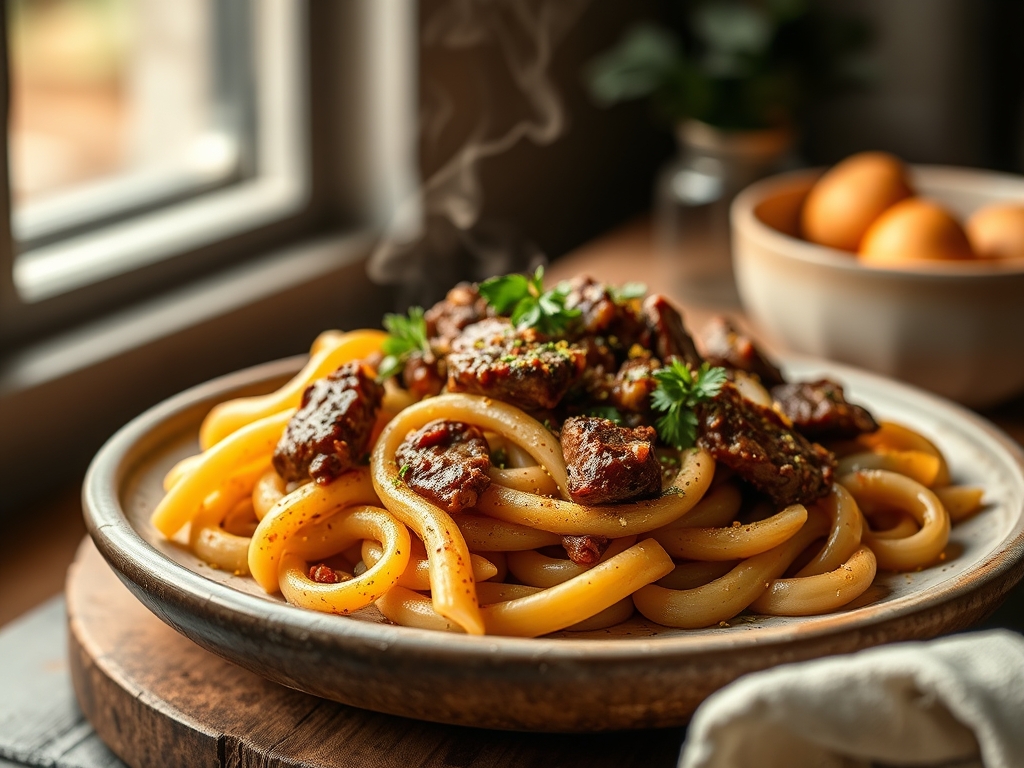
Imagine the scent of slow-simmered ragu mingling with the sharp, salty aroma of molten pecorino as it bubbles in a hot oven. There is a specific kind of alchemy that happens when you master penne pasta with beef recipes; it is the perfect marriage of structural integrity and savory depth. We are moving beyond basic noodles and meat. We are engineering comfort.
The secret to a truly transformative bake lies in the ridges of the penne. Those linear grooves are not just for aesthetics; they are functional architecture designed to trap viscous sauces and tiny morsels of browned beef. When you bite into a perfectly executed pasta bake, you should experience a contrast of textures: the crisp, golden-brown cheese lid, the al dente bite of the pasta, and the succulent, umami-rich meat. It is a symphony of Maillard reactions and starch gelatinization that turns humble pantry staples into a weeknight masterpiece. Grab your heavy-bottomed skillet and a glass of red wine. We are about to dive into the molecular mechanics of the ultimate hearty dinner.
The Gathers:
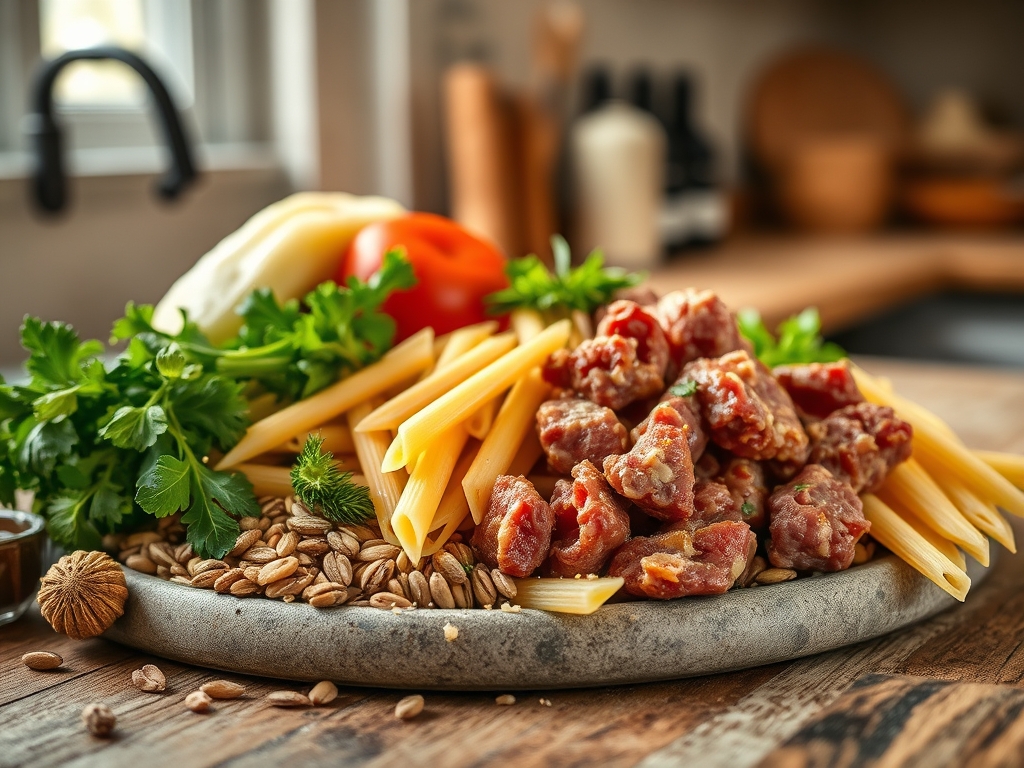
To achieve a restaurant-quality result, your mise-en-place must be precise. Start with a high-protein penne, ideally bronze-cut, which provides a rougher surface area for sauce adhesion. For the beef, look for an 80/20 lean-to-fat ratio. This ensures enough lipid content to render out and create a flavorful base for your aromatics without leaving the final dish greasy. You will also need a piquant hard cheese like Parmigiano-Reggiano or Grana Padano to provide that essential salty punch.
Smart Substitutions:
If you want to lighten the profile, substitute ground bison for beef. Bison is leaner but possesses a high concentration of iron, giving it a deep, earthy flavor. For a gluten-free alternative, look for penne made from brown rice and corn blends; these hold their structural integrity better under high heat than pure chickpea pastas. If you lack fresh garlic, use a microplane to grate frozen garlic cloves directly into the pan to infuse the oil instantly without the risk of burning delicate flakes.
The Clock
Efficiency in the kitchen is all about the "Chef's Flow." Total active preparation time for these recipes usually clocks in at 20 minutes, with a 30-minute bake time. The goal is to synchronize your pasta water with your meat browning.
Start by boiling your water; it takes longer than you think to reach a rolling boil. While the water heats, begin browning your beef in a heavy-bottomed skillet. By the time the beef is deglazed and the sauce is simmering, your pasta will be exactly two minutes shy of al dente. This overlap ensures that the pasta never sits and clumps, and the sauce is at its peak temperature when they meet. Always use a digital scale to measure your pasta portions; 500 grams is the sweet spot for a standard 9×13 baking dish.
The Masterclass
1. The Sear and Render
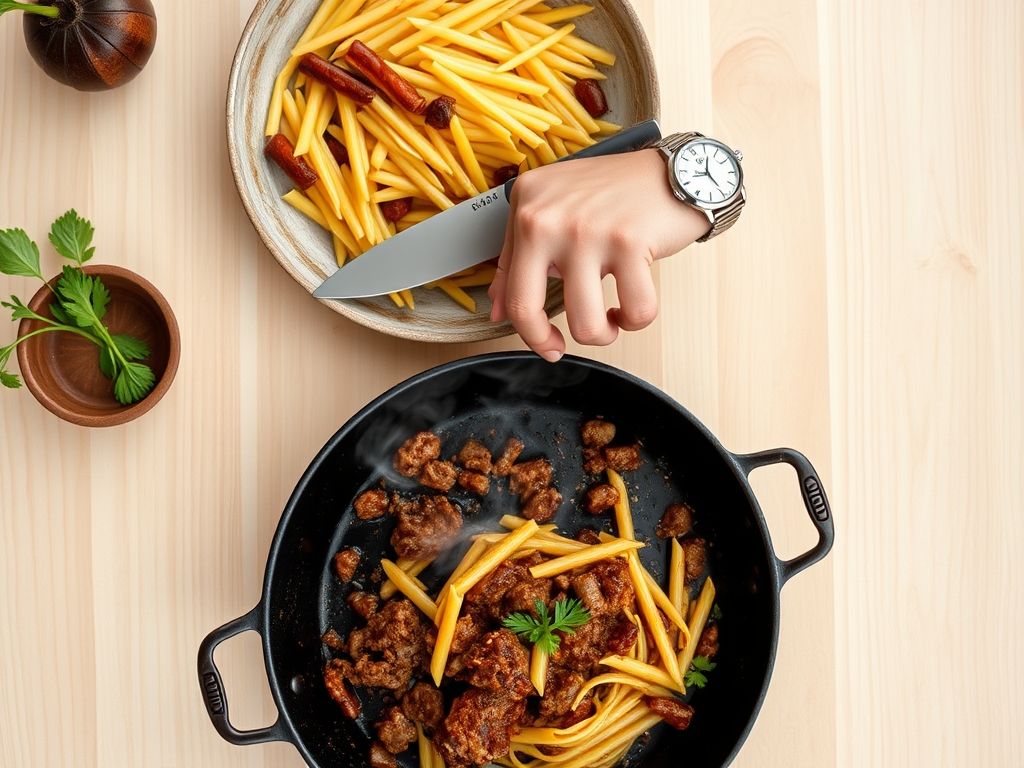
Place your ground beef in a cold, heavy-bottomed skillet and turn the heat to medium-high. Use a stiff spatula or a meat masher to break the beef into uniform crumbles. Do not move the meat too much at first; you want to encourage enzymatic browning on the surface.
Pro Tip: This is the Maillard reaction in action. By allowing the meat to develop a dark brown crust before stirring, you create complex flavor compounds that raw or "grey" meat simply cannot provide.
2. Deglazing the Fond
Once the beef is browned, remove it with a slotted spoon, leaving the rendered fat. Toss in your minced shallots and garlic. Once they are translucent, pour in a splash of dry red wine or beef stock to scrape up the brown bits (the fond) stuck to the bottom.
Pro Tip: Deglazing is a chemical process where the liquid dissolves the caramelized proteins. This integrates all that concentrated "beefy" flavor back into your sauce base.
3. The Under-Boil Technique
Drop your penne into heavily salted water. Cook it for exactly two minutes less than the package instructions for al dente.
Pro Tip: This accounts for thermal carryover. The pasta will continue to hydrate and cook inside the oven using the moisture from the sauce. If you cook it fully on the stove, it will turn to mush in the bake.
4. Emulsifying the Sauce
Combine the par-cooked pasta, the beef, and your tomato base in a large saucier. Add a half-cup of starchy pasta water. Stir vigorously over low heat until the sauce looks glossy and clings to the noodles.
Pro Tip: The starch in the pasta water acts as an emulsifier, binding the fats from the beef and cheese to the water-based sauce, preventing a watery "leak" at the bottom of your baking dish.
5. The Cheese Architecture
Layer your mixture into a ceramic baking dish. Top with a blend of low-moisture mozzarella for stretch and sharp cheddar for flavor.
Pro Tip: Low-moisture mozzarella is essential. Fresh buffalo mozzarella has too much water content, which can break the emulsion of your sauce and lead to a soggy bake.
6. The Broil Finish
Bake at 375 degrees Fahrenheit until the sauce is bubbling. For the final two minutes, switch to the broil setting to create a shattered-glass texture on the cheese.
Pro Tip: Watch closely! The transition from golden brown to carbonized happens in seconds. This final blast of heat creates a "frizzled" texture that provides a necessary crunch.
The Deep Dive
From a nutritional standpoint, a standard serving of penne pasta with beef recipes provides roughly 450 calories, 25g of protein, and 15g of fat. To optimize this, you can "bulk" the volume with finely diced zucchini or mushrooms, which mimic the texture of the beef while adding fiber.
The Fix-It:
- Oily Sauce: If your bake looks greasy, you didn't drain enough fat after browning. Fix it by stirring in a tablespoon of tomato paste to re-emulsify the lipids.
- Dry Pasta: If the top layer of noodles is crunchy/hard, you didn't submerge them enough. Next time, ensure the sauce fully coats the top layer or cover with foil for the first 15 minutes.
- Bland Flavor: If it tastes flat, it needs acid. Stir in a teaspoon of balsamic vinegar or lemon juice before baking to brighten the heavy fats.
Meal Prep Science:
When reheating, the starch in the pasta undergoes retrogradation, meaning it firms up. To restore the "day-one" silky texture, add a splash of water or milk before microwaving. This creates steam that re-hydrates the starch granules, making the pasta tender again.
The Wrap-Up
Mastering the art of the pasta bake is about more than just tossing ingredients in a pan; it is about understanding how heat and hydration transform simple components into a cohesive, soul-warming meal. Whether you are feeding a crowd or prepping for a busy week, these penne pasta with beef recipes offer the ultimate return on investment. Use your tools, trust the science of the sear, and never underestimate the power of starchy pasta water. Now, get into that kitchen and start browning!
The Kitchen Table
Can I use different pasta shapes for these recipes?
Yes, but stick to tubular shapes like rigatoni or ziti. These shapes possess the internal volume necessary to hold the heavy meat sauce, ensuring every bite is balanced. Avoid long, thin strands like spaghetti which clump together in bakes.
How do I prevent the cheese from getting oily?
Use high-quality, block-grated cheese rather than pre-shredded bags. Pre-shredded cheese is coated in potato starch or cellulose to prevent clumping, which interferes with a clean melt and often causes the fats to separate and become oily.
Can I freeze a beef and penne bake?
Absolutely. Assemble the dish but do not bake it. Wrap tightly in plastic wrap and foil. When ready to eat, bake from frozen at 350 degrees, adding 20 minutes to the standard cook time for a perfect result.
What is the best beef to use?
Ground chuck (80/20) is the gold standard. The fat content provides the necessary lubrication for the pasta and carries the fat-soluble flavors of herbs like oregano and thyme throughout the entire dish during the baking process.