
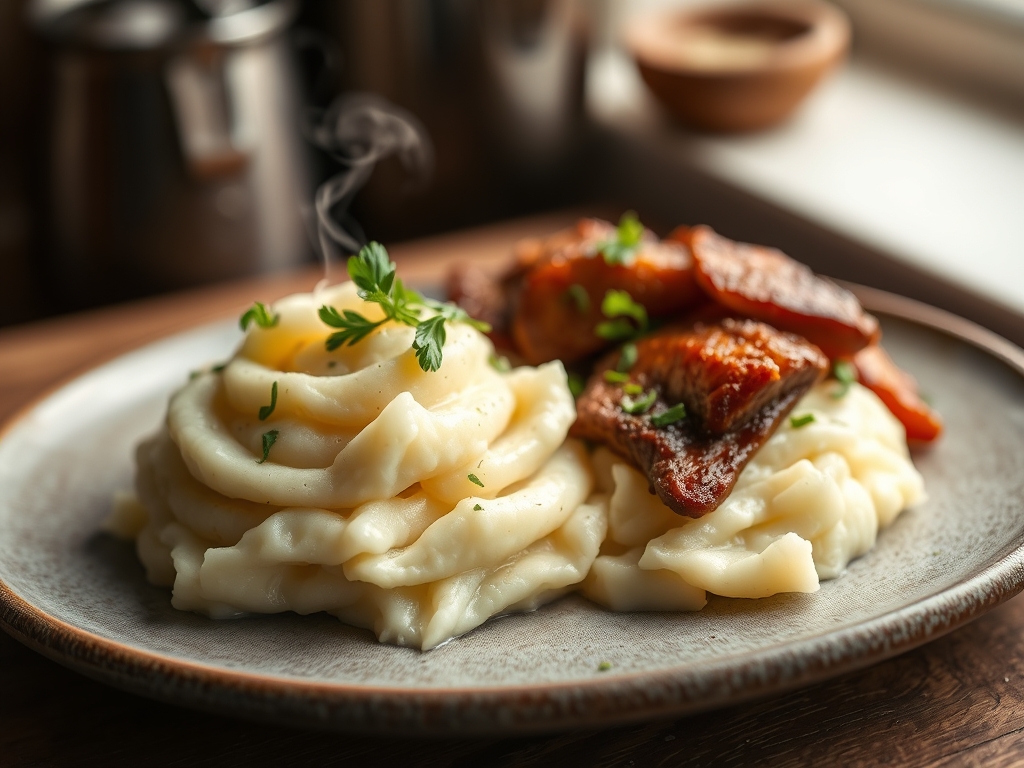
Picture the scent of rendered fat hitting a scorching heavy bottomed skillet; it is the universal signal that something incredible is happening. When we talk about mashed potato and beef recipes, we are really talking about the ultimate chemical romance between starch and protein. It is the culinary equivalent of a warm hug that also happens to have a PhD in flavor.
We are diving deep into seven distinct ways to marry these two titans. Whether you are craving the rustic charm of a cottage pie or the refined elegance of a red wine braised short rib over a cloud of buttery spuds, the secret lies in the physics of the plate. We are looking for that perfect ratio of viscous sauce to aerated starch. Grab your apron and your favorite saucier; we are about to transform humble tubers and bovine cuts into a masterclass of texture and taste. This is not just dinner; it is an exploration of how heat, fat, and salt work in tandem to create the most comforting duo in the gastronomic canon.
The Gathers:
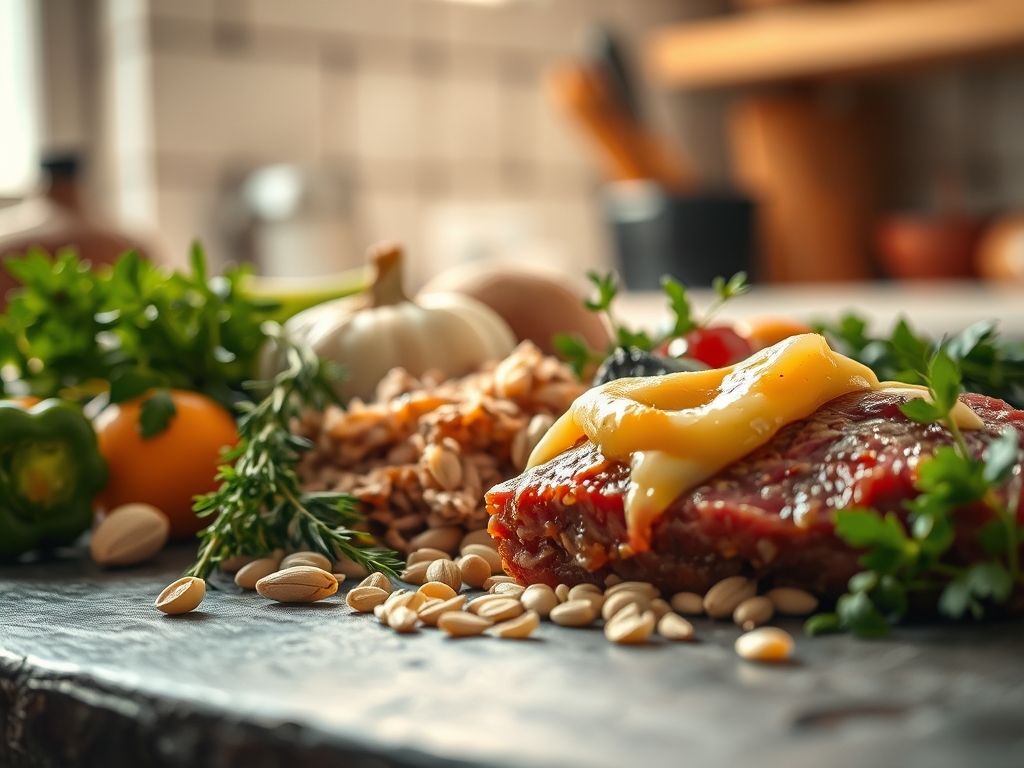
To execute these mashed potato and beef recipes with precision, your mise-en-place must be flawless. We start with the beef. For braises, look for high connective tissue cuts like chuck or shank; the collagen will break down into gelatin, providing a silky mouthfeel. For quick sears, a marbled ribeye or lean flank steak works best. On the potato side, the Yukon Gold is our MVP due to its medium starch content and naturally buttery flavor profile.
The Essential Inventory:
- Beef: 2 lbs of Choice or Prime grade protein, patted bone-dry to ensure the Maillard reaction.
- Potatoes: 3 lbs of starchy Russets or waxy Yukons, scrubbed and peeled.
- Aromatics: Mirepoix (onions, carrots, celery), smashed garlic cloves, and fresh thyme sprigs.
- Liquids: High-quality beef bone broth, dry red wine (Cabernet or Merlot), and heavy cream.
- Fats: Unsalted European-style butter (higher fat content) and neutral high-smoke point oil like grapeseed.
Smart Substitutions:
If you are looking to lighten the load, swap half the potatoes for steamed cauliflower; the sulfurous notes pair beautifully with beef. No red wine? Use a splash of balsamic vinegar and extra broth to mimic that piquant acidity. For a dairy-free version, use coconut milk and nutritional yeast to achieve a savory, creamy mash without the lactose.
The Clock
Efficiency in the kitchen is all about the Chef's Flow. You should never be standing still. While the beef is undergoing a long, slow braise or resting after a high-heat sear, that is your window to manage the potatoes.
- Prep Time: 25 minutes (peeling, dicing, and searing).
- Cook Time: 20 minutes for steaks; 2.5 hours for braises.
- Total Time: Variable based on the specific recipe, but expect a 45-minute minimum for a standard weekday pairing.
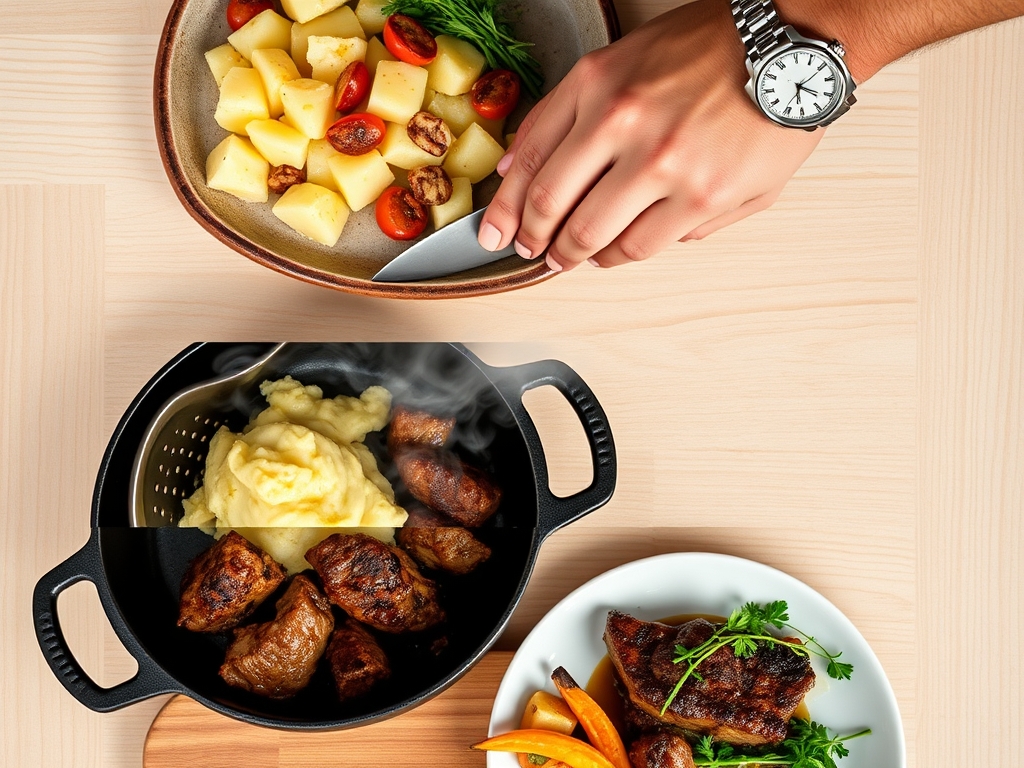
The flow involves starting your "long poles" first. Get the beef into the oven or the skillet. While the thermal energy does its work, move to the stovetop for the potatoes. By the time the beef is ready for its mandatory 10-minute rest, your potatoes should be hitting the ricer.
The Masterclass
1. The Sear and the Steam
Start by dabbing your beef with paper towels. Moisture is the enemy of a good crust. Season aggressively with kosher salt. While the beef reaches room temperature, place your cubed potatoes in a pot of cold salted water.
Pro Tip: Starting potatoes in cold water ensures even cooking. If you drop them into boiling water, the outside overcooks and disintegrates before the center softens; a phenomenon known as starch gelatinization disparity.
2. Achieving the Maillard Reaction
Heat your heavy-bottomed skillet until the oil shimmers. Lay the beef away from you to avoid splatters. Do not crowd the pan; overcrowding drops the temperature and causes the meat to steam in its own juices rather than sear.
Pro Tip: The Maillard reaction occurs between 280 and 330 degrees Fahrenheit. It is a chemical reaction between amino acids and reducing sugars that creates hundreds of different flavor compounds. Use your tongs to check for a deep mahogany crust.
3. Deglazing the Fond
Once the beef is removed, you will see brown bits stuck to the pan. This is "fond," and it is liquid gold. Pour in your wine or stock and use a wooden spoon to scrape it up.
Pro Tip: This process is called deglazing. The alcohol in wine acts as a solvent, dissolving flavor molecules that water alone cannot reach, creating a more complex and piquant sauce.
4. The Potato Aeration
Drain your potatoes and let them steam-dry for two minutes. Use a potato ricer or a food mill instead of a masher. This breaks the cells apart without shearing the starch molecules.
Pro Tip: Over-working potatoes releases excess starch, turning your fluffy mash into a gluey, cohesive mass. Using a ricer maintains the cellular structure for a light, airy texture.
5. Emulsifying the Dairy
Heat your cream and butter in a small saucier before adding them to the potatoes. Cold dairy shocks the starch and results in a lumpy texture. Fold the liquid in gently with a silicone spatula.
Pro Tip: This is a classic fat-in-water emulsion. By adding warm fat slowly, you allow the potato starch to encapsulate the lipids, resulting in a velvet-smooth finish.
6. The Rest and Carve
If you are serving steak, let it rest on a cutting board for at least 8 minutes. Slice against the grain to shorten the muscle fibers.
Pro Tip: Thermal carryover means the internal temperature will rise by 5 to 10 degrees after removing it from the heat. Resting also allows the muscle fibers to reabsorb juices, ensuring a succulent bite.
7. The Final Assembly
Plate a generous mound of the aerated potatoes, create a "well" with the back of a spoon, and nestle the beef inside. Drizzle the reduced pan sauce over the top and garnish with microgreens or chives using tweezers for a professional touch.
Pro Tip: Garnish provides sensory contrast. The fresh, raw enzymes in herbs cut through the heavy fats of the beef and butter, balancing the palate.
The Deep Dive
Macro Nutrition:
A standard serving of beef and mashed potatoes provides roughly 35g of protein, 40g of carbohydrates, and 25g of fat. It is a powerhouse of iron, B12, and potassium. To balance the glycemic load, always include a fibrous green vegetable on the side.
Dietary Swaps:
- Keto: Replace potatoes with a cauliflower and heavy cream puree. Use xanthan gum to thicken the gravy.
- Vegan: Use "Impossible" beef tips and vegan butter with almond milk.
- Gluten-Free: Ensure your beef stock is certified GF and use cornstarch or arrowroot as a thickener instead of flour.
The Fix-It:
- Gluey Potatoes: You over-mixed them. Fold in a little more warm cream and serve as a "pomme puree" style rather than fluffy mash.
- Tough Beef: You likely skipped the rest period or cut with the grain. Slice it thinner to compensate for the fiber length.
- Bland Gravy: It needs acidity. Add a teaspoon of lemon juice or sherry vinegar to brighten the heavy fats.
Meal Prep:
When reheating, do not use the microwave on high. It toughens the beef proteins. Instead, use a low oven (300F) and add a splash of milk to the potatoes to restore the emulsion.
The Wrap-Up
Mastering mashed potato and beef recipes is a rite of passage for any home cook. It is where chemistry meets comfort. By understanding the Maillard reaction and the delicate nature of potato starch, you elevate a simple meal into a gourmet experience. Remember, the secret is in the details; the dry sear, the warm dairy, and the patient rest. Now, get into that kitchen and start creating some culinary magic. Your taste buds (and your friends) will thank you.
The Kitchen Table
Which potato is best for mashing with beef?
Yukon Gold potatoes are the premier choice. They possess a naturally creamy texture and a rich, buttery hue that complements the savory, umami-forward profile of beef without becoming grainy or excessively starchy during the mashing process.
How do I prevent my beef from being dry?
Always allow the beef to rest after cooking. This allows the internal juices to redistribute through the muscle fibers. Additionally, using a digital thermometer to pull the meat 5 degrees before your target temperature prevents overcooking via carryover heat.
Can I make mashed potatoes ahead of time?
Yes, you can prepare them up to two days in advance. Store them in an airtight container and reheat slowly on the stovetop with an extra splash of warm cream or butter to maintain the smooth, emulsified texture.
What is the best way to thicken beef gravy?
A cornstarch slurry or a traditional flour-and-butter roux are the most effective methods. For a richer finish, try a "beurre manie," which involves whisking equal parts raw butter and flour into the simmering sauce at the very end.