
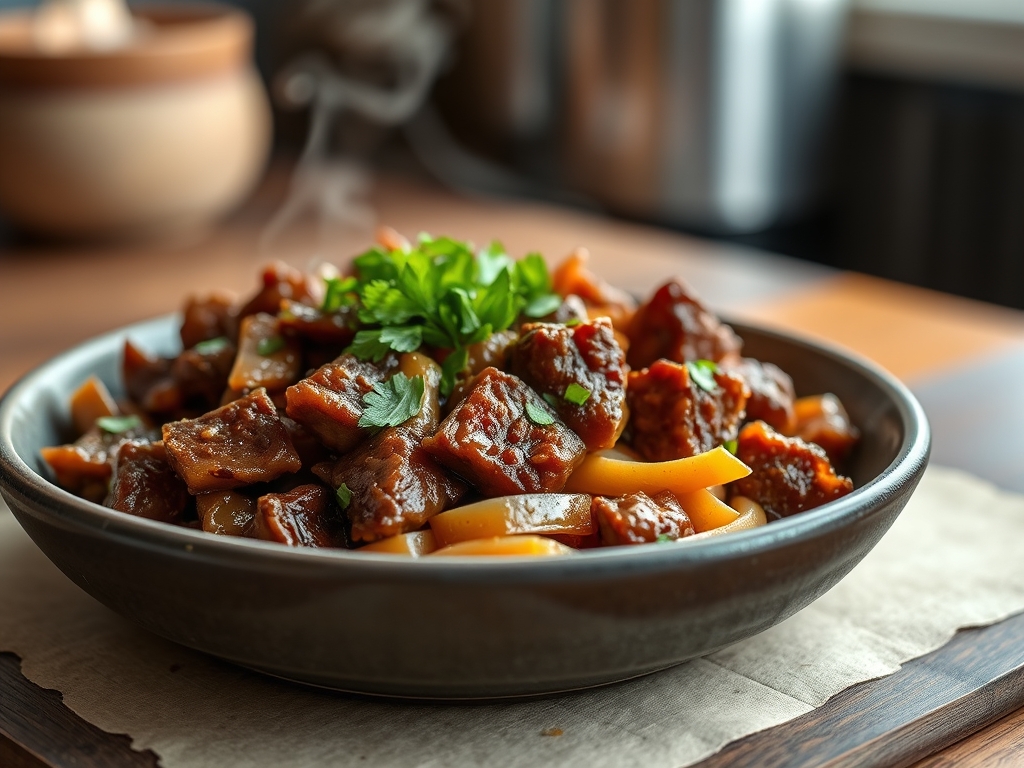
Imagine the heavy, sweet scent of toasted sesame oil and piquant ginger swirling through your kitchen. It is that specific, intoxicating aroma of a high-end bistro, yet you haven't touched a wok all day. When it comes to slow cooker mongolian beef recipes, the goal is achieving that perfect balance of salty soy and deep brown sugar without the meat turning into a pile of sad, gray fibers.
The secret lies in the slow, low-temperature breakdown of connective tissue. We are moving beyond basic "dump and go" methods to embrace culinary precision. By the time you lift the lid, the sauce will be a glossy, viscous glaze that clings to every strip of velvet-soft steak. This is comfort food with a PhD in flavor chemistry.
The Gathers:
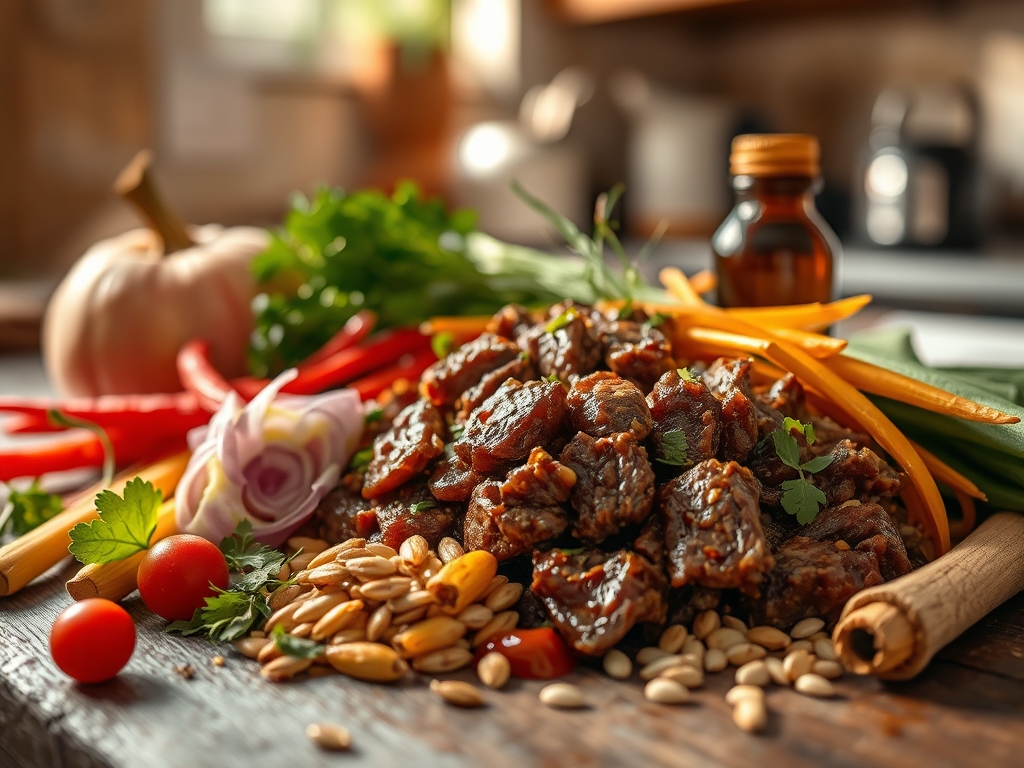
Before we engage the heating element, we must respect the mise-en-place. For the protein, select a flank steak or a well-marbled chuck roast. Flank is traditional because its long muscle fibers create the perfect surface area for the sauce to infuse. You will need a digital scale to ensure you have exactly 1.5 to 2 pounds of beef.
Your aromatics are the soul of the dish. Use a microplane to grate fresh ginger and garlic into a fine paste; this increases the surface area, allowing the essential oils to bloom faster in the slow cooker's gentle heat. For the liquid base, gather low-sodium soy sauce, dark brown sugar (for that essential molasses kick), and a splash of water or beef bone broth.
Smart Substitutions:
If you are watching your sodium, swap the soy for liquid aminos or coconut aminos. If you lack flank steak, a flat iron steak offers a similar texture with even more internal marbling. For a heat upgrade, toss in dried red chilis or a teaspoon of sambal oelek to provide a sharp, piquant contrast to the sugar.
The Clock: A Study in Chef's Flow
Efficiency in the kitchen is about managing your "active" versus "passive" time. The prep for this dish takes exactly 15 minutes if you use a sharp chef's knife and a bench scraper to move your ingredients.
The cooking window is flexible but requires a specific thermal strategy. On Low, your beef will reach peak tenderness in 4 to 5 hours. On High, it takes about 2 to 3 hours. However, the "Chef's Flow" suggests the Low setting. This allows the collagen to transform into gelatin slowly, preventing the muscle fibers from tightening and squeezing out their internal moisture. Always account for a final 20-minute "thickening phase" at the end where you add your slurry.
The Masterclass:
1. The Cornstarch Coating
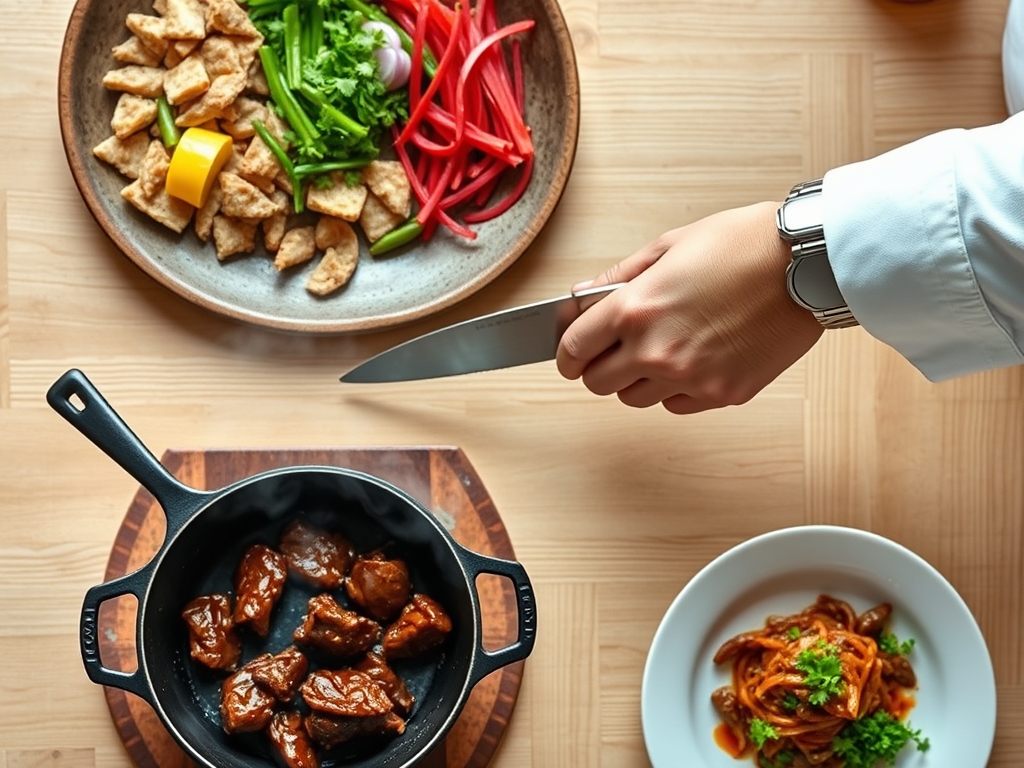
Slice your beef against the grain into thin strips and toss them in a bowl with cornstarch until every piece is matte and dry. Use tongs to ensure even distribution.
Pro Tip: This is known as velveting. The starch creates a protective barrier that prevents the beef from overcooking while simultaneously acting as a built-in thickener for the sauce as it releases during the simmer.
2. The Searing Phase (Optional but Recommended)
Heat a heavy-bottomed skillet with a tablespoon of neutral oil until it shimmers. Quickly sear the beef strips in batches until a crust forms.
Pro Tip: This triggers the Maillard reaction. By browning the meat before it enters the slow cooker, you create complex flavor compounds (melanoidins) that a slow cooker cannot produce on its own due to its moist environment.
3. Constructing the Aromatics
In the ceramic insert of your slow cooker, whisk together the soy sauce, brown sugar, grated ginger, and minced garlic. Use a silicone spatula to scrape the sides and ensure the sugar is partially dissolved.
Pro Tip: This creates a hypertonic solution. The high salt and sugar concentration will actually draw some moisture out of the beef initially, only to pull the seasoned liquid back into the fibers as the proteins relax.
4. The Low and Slow Infusion
Add the beef to the liquid, ensuring most of the meat is submerged. Cover and set your timer. Resist the urge to peek; every time you lift the lid, you lose significant thermal energy.
Pro Tip: This stage relies on hydrolytic cleavage. The heat breaks down the tough triple-helix structure of collagen into soft, silky gelatin, which provides the "mouthfeel" associated with high-end slow cooker mongolian beef recipes.
5. The Slurry Adjustment
Thirty minutes before serving, whisk two tablespoons of cold water with one tablespoon of cornstarch in a small saucier. Stir this into the bubbling sauce.
Pro Tip: This is starch gelatinization. The amylose molecules in the cornstarch swell and trap water, turning a thin liquid into a glossy, viscous glaze that coats the back of a spoon perfectly.
6. The Fresh Finish
Just before serving, fold in a generous handful of sliced green onions and a sprinkle of toasted sesame seeds.
Pro Tip: These provide volatile aromatic compounds that are lost during long cook times. Adding them at the end ensures a bright, fresh contrast to the deep, caramelized notes of the beef.
The Deep Dive:
Macro Nutrition
A standard serving of this Mongolian beef provides approximately 350 calories, 28g of protein, and 15g of carbohydrates. The protein density makes it highly satiating, though the sugar content in the glaze contributes to the carb count.
Dietary Swaps
- Vegan: Replace the beef with extra-firm tofu or seitan. Reduce the cook time to 2 hours on Low to avoid the tofu becoming rubbery.
- Keto: Swap the brown sugar for a monk fruit erythritol blend and use xanthan gum instead of cornstarch to thicken the sauce.
- Gluten-Free: Use Tamari instead of soy sauce and ensure your cornstarch is certified GF.
The Fix-It: Troubleshooting
- The Sauce is Too Salty: Do not add water; it dilutes the flavor. Instead, add a splash of rice vinegar or lime juice. The acid cuts through the perception of salt.
- The Beef is Tough: It likely hasn't cooked long enough. If the fibers haven't separated, the collagen hasn't fully converted to gelatin. Give it another 45 minutes.
- The Sauce is Watery: This happens if the beef releases too much juice. Transfer the sauce to a small pot and reduce it over high heat on the stove for 5 minutes before tossing it back with the meat.
Meal Prep: The Science of Reheating
To maintain "day-one" quality, store the beef and sauce together. When reheating, add a teaspoon of water to the container. This creates steam in the microwave, which prevents the proteins from denaturing further and becoming "leathery."
The Wrap-Up:
You have officially mastered the art of the slow cooker! By understanding the chemistry of velveting and the importance of the Maillard reaction, you have elevated a simple pantry staple into a gourmet experience. These slow cooker mongolian beef recipes are more than just meals; they are a testament to how smart techniques can transform basic ingredients. Now, grab your favorite bowl, pile on the jasmine rice, and enjoy the fruits of your very minimal labor!
The Kitchen Table:
What is the best cut of meat for Mongolian beef?
Flank steak is the gold standard due to its lean profile and ability to absorb sauces. However, chuck roast is a fantastic budget-friendly alternative that becomes incredibly tender during the long, slow simmering process.
Can I put frozen beef in the slow cooker?
It is not recommended for safety reasons. Frozen meat takes too long to reach the "safe zone" above 140 degrees Fahrenheit, risking bacterial growth. Always thaw your beef completely in the refrigerator before starting the recipe.
How do I make the sauce extra glossy?
The secret to that restaurant-style sheen is the cornstarch slurry added at the very end. Ensure the slow cooker is on the "High" setting when you add it so the starch can fully hydrate and thicken.
Why is my Mongolian beef dry?
If the meat is dry despite being in sauce, it was likely overcooked. Even in a slow cooker, muscle fibers can eventually squeeze out all their moisture if left too long. Stick to the 4-5 hour window on Low.