
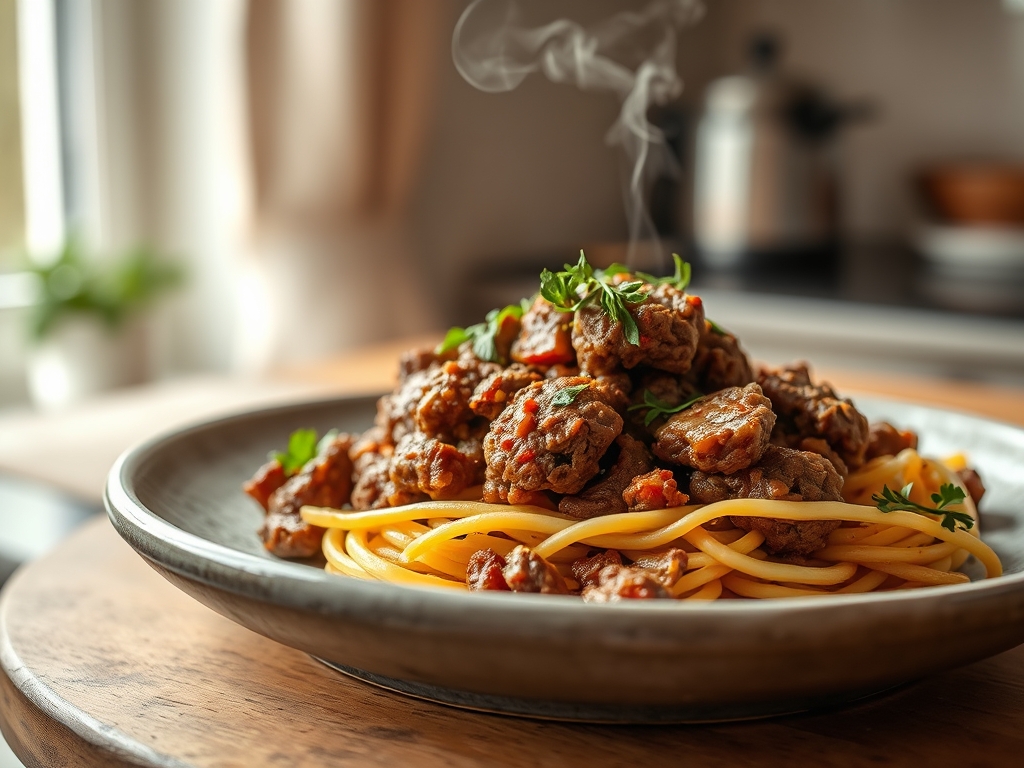
Picture this: a heavy-bottomed skillet screaming on the stovetop as a pound of protein hits the surface with a violent, rhythmic hiss. The air instantly transforms, thick with the scent of rendering fats and the deep, savory promise of umami. If you think a dinner rotation requires acidic red fruit to be successful, you are missing out on the most versatile ground beef recipes without tomatoes that the culinary world has to offer. We are moving past the basic marinara and embracing the raw, Maillard-driven power of the cow.
Whether you are navigating a nightshade allergy or simply suffering from palate fatigue, these methods rely on high-heat chemistry rather than acidity to build depth. We are talking about creamy stroganoffs, piquant ginger-soy crumbles, and velvety white ragus that cling to every ridge of your pasta. By focusing on the natural sugars within the meat and the complex sugars in aromatics, we create a flavor profile that is more sophisticated and far less predictable than your standard meat sauce. It is time to treat your ground beef with the technical respect it deserves.
The Gathers:
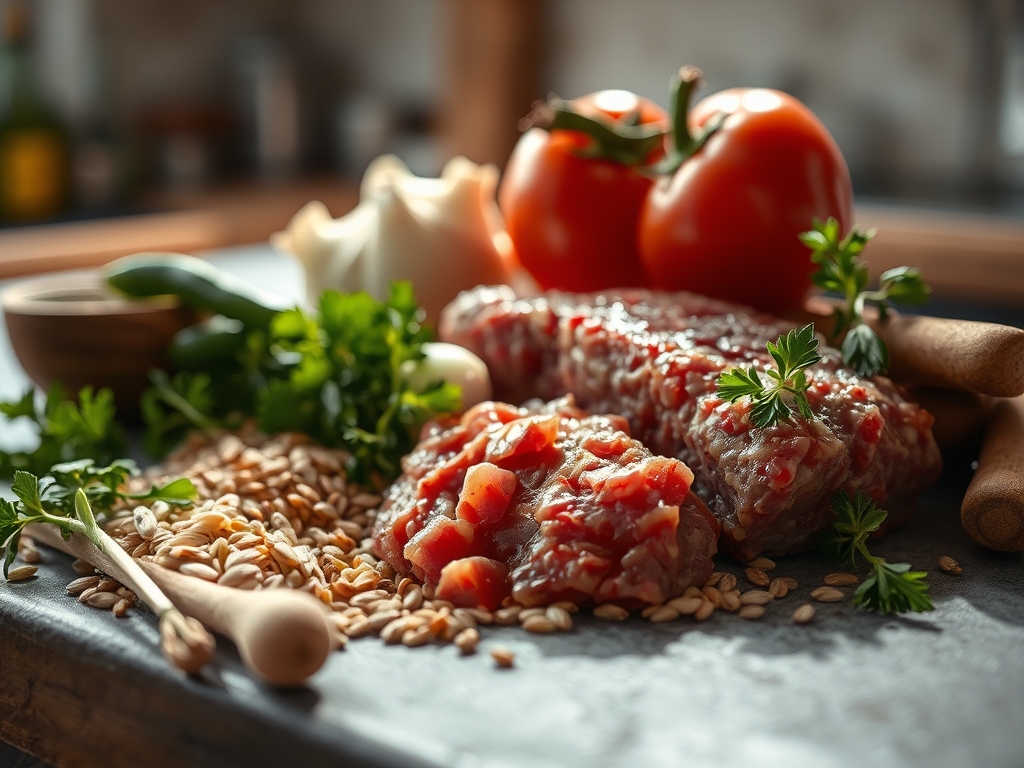
To master ground beef recipes without tomatoes, your mise-en-place must focus on "umami boosters" and textural contrast. Start with high-quality 80/20 ground chuck; the 20 percent fat ratio is non-negotiable for a moist mouthfeel. On your workstation, you should have a microplane for grating fresh ginger or garlic, a digital scale for precise seasoning, and a sharp chef knife for a fine brunoise of aromatics.
Smart Substitutions: When you remove tomatoes, you lose acidity. To compensate, keep a bottle of aged balsamic or rice wine vinegar nearby to deglaze the pan. For color and "body," use a high-quality beef bone broth or a splash of heavy cream to create a viscous sauce. If you crave that deep, savory "bass note," a teaspoon of miso paste or a few drops of fish sauce will mimic the glutamates found in tomato paste without the nightshade baggage.
The Clock:
Efficiency in the kitchen is about "Chef's Flow," which means aligning your tasks with the thermal properties of your tools. Total prep time for these hacks averages 15 minutes, while active cook time spans 20 to 25 minutes.
Start by tempering your meat; let it sit at room temperature for 10 minutes to ensure even heat distribution. While the meat tempers, perform all knife work. The goal is to have your aromatics ready the second the beef finishes its initial sear. This prevents the "boiling" effect that happens when you crowd a cold pan with too many ingredients at once. By the time your skillet reaches the smoke point, your entire workflow should be a seamless transition from searing to deglazing to simmering.
The Masterclass:
1. The High-Heat Hard Sear
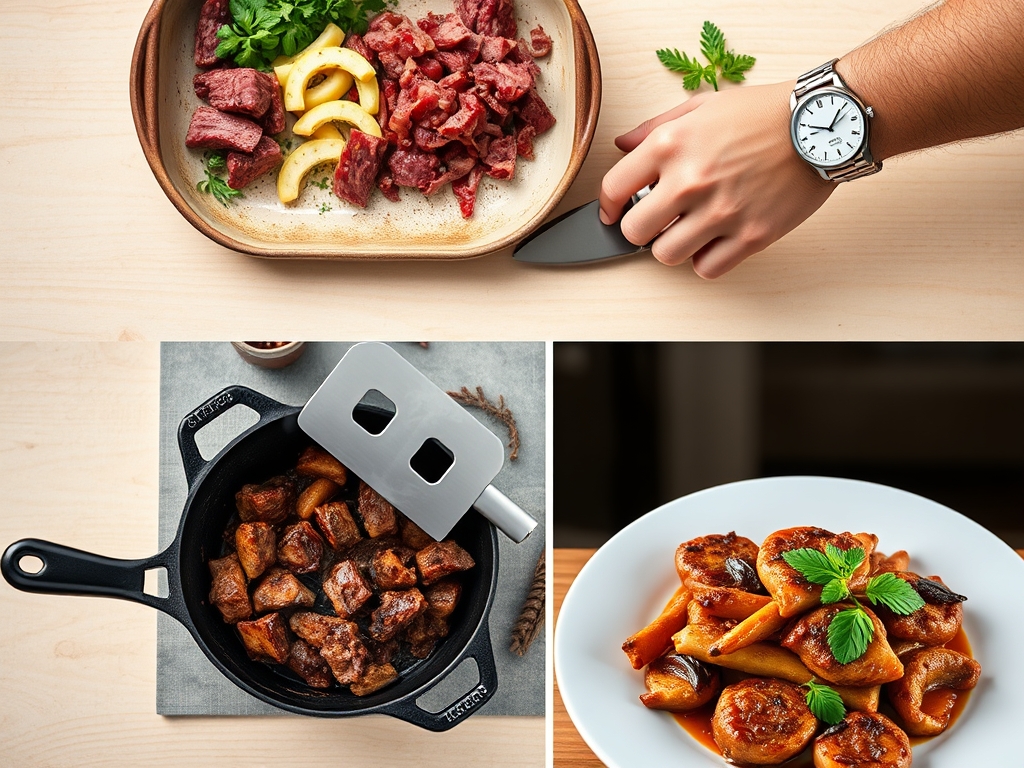
Place your ground beef in a preheated, heavy-bottomed skillet in one solid disc. Do not touch it for three minutes. You are looking for a dark, mahogany crust to form on the bottom.
Pro Tip: This is the Maillard Reaction at work. By resisting the urge to stir, you allow amino acids and reducing sugars to reorganize into hundreds of flavor compounds. If you stir too early, the meat releases moisture and steams rather than browns.
2. The Deglaze and Scrape
Once the meat is browned and broken into crumbles with a wooden spoon, use a liquid like white wine or beef stock to lift the "fond" (the brown bits) from the bottom of the pan.
Pro Tip: Deglazing utilizes solvent extraction to incorporate the concentrated flavors stuck to the pan back into your sauce. Use a flat-edged spatula or a bench scraper to ensure every molecule of flavor is salvaged.
3. The Aromatic Infusion
Push the meat to the edges of the skillet and drop your aromatics (onions, garlic, or leeks) into the center. Let them soften in the rendered beef fat until translucent.
Pro Tip: This process is called sweating. By cooking aromatics in fat rather than water, you release fat-soluble flavor compounds that would otherwise remain trapped inside the cell walls of the vegetables.
4. The Emulsified Sauce Build
Add a tablespoon of flour or a splash of heavy cream to the pan. Whisk vigorously as you incorporate more liquid to create a smooth, unified sauce that coats the back of a spoon.
Pro Tip: You are creating an emulsion. The fats from the beef and the liquids from your stock are being forced to bond. This creates a luxurious, "lip-smacking" texture that replaces the bulk of tomato pulp.
5. The Acidic Finish
Just before serving, turn off the heat and stir in a teaspoon of lemon juice or vinegar.
Pro Tip: This is a "brightening" technique. The acid cuts through the heavy lipids (fats) of the beef, acting as a flavor enhancer that makes the other seasonings pop without changing the overall temperature of the dish.
The Deep Dive:
Macro Nutrition: Ground beef is a powerhouse of bioavailable iron, B12, and zinc. By skipping the sugary tomato sauces, you are significantly lowering the glycemic load of your meal. A standard 4-ounce serving provides roughly 28 grams of protein and 0 grams of carbohydrates, making this a staple for metabolic health.
Dietary Swaps:
- Keto: Replace flour thickeners with a pinch of xanthan gum or extra heavy cream.
- Vegan: Swap beef for minced mushrooms and walnuts; use liquid aminos for that deep "beefy" saltiness.
- Gluten-Free: Use tamari instead of soy sauce and arrowroot powder as a thickening agent.
The Fix-It:
- The Pitfall: The meat is gray and rubbery. The Fix: Your pan wasn't hot enough. Remove the meat, wipe the pan, add oil, and wait for the wisps of smoke before trying again.
- The Pitfall: The sauce is broken or oily. The Fix: Add a tablespoon of cold water and whisk aggressively; the sudden temperature change can help re-emulsify the fats.
- The Pitfall: The flavor is "flat." The Fix: You need more salt or acid. Add a dash of Worcestershire sauce to provide complex fermented notes.
Meal Prep Science: To maintain "day-one" quality, reheat your beef in a pan with a splash of water or stock. Microwaving often causes "Warmed-Over Flavor" (WOF) due to lipid oxidation. A gentle stovetop reheat preserves the integrity of the fats and keeps the meat tender.
The Wrap-Up:
Mastering ground beef recipes without tomatoes is the ultimate culinary "level up." It forces you to rely on technique, heat management, and the clever use of pantry staples to build flavor from the ground up. By focusing on the sear, the deglaze, and the final acidic lift, you can create meals that are more savory, more satisfying, and infinitely more interesting than a standard red sauce. Grab your skillet and start experimenting; your palate will thank you for the change of pace.
The Kitchen Table:
How do I get flavor without tomato sauce?
Focus on the Maillard reaction by searing the beef until a dark crust forms. Use "umami bombs" like Worcestershire sauce, soy sauce, miso paste, or sautéed mushrooms to provide the deep savory notes usually offered by tomatoes.
What is the best thickener for tomato-free beef sauce?
A classic roux (flour and fat) works best for creamy sauces. For a lighter touch, use a cornstarch slurry or reduce heavy cream until it reaches a viscous consistency that coats the meat effectively.
Can I make these recipes dairy-free?
Absolutely. Use full-fat coconut milk for a creamy texture or rely on a rich, reduced beef bone broth thickened with an arrowroot slurry. These options provide a luxurious mouthfeel without using any butter or cream.
How do I prevent the beef from becoming dry?
Always use 80/20 ground beef and avoid over-stirring. Allow the meat to cook in its own rendered fat and add your liquids (stock or wine) before the meat fully dehydrates to maintain a moist, tender texture.