
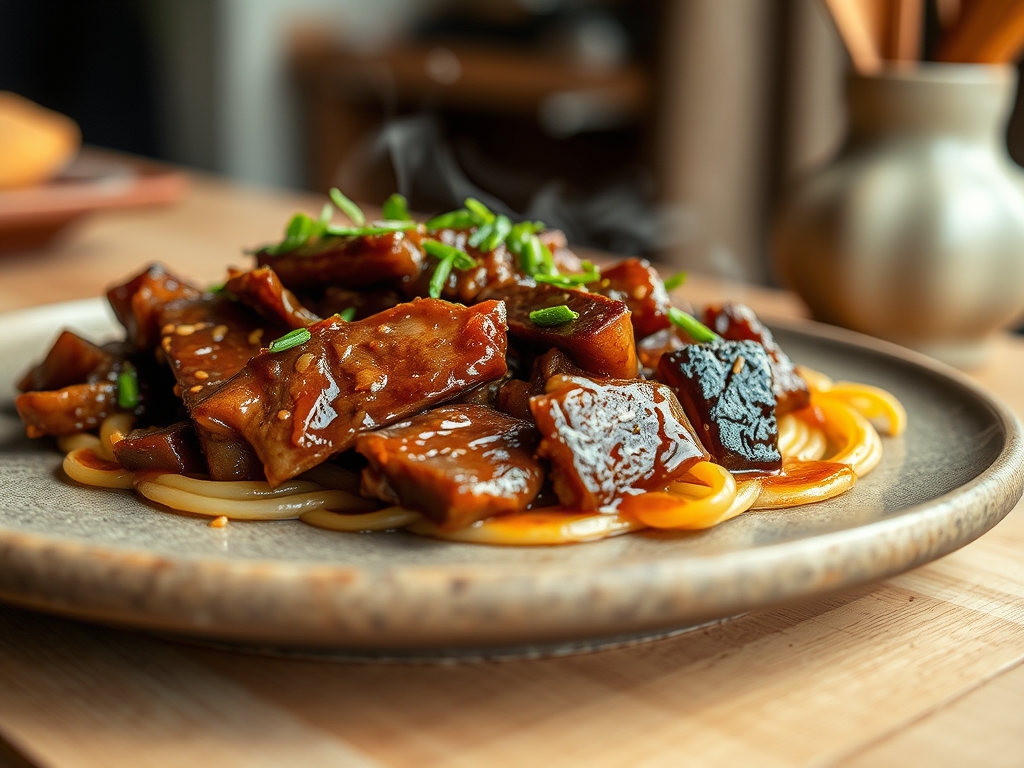
Imagine the scent of fermented soybeans hitting a scorching hot surface; it is a heady, dark perfume that bridges the gap between sweet and savory. When you dive into the world of hoisin beef recipes, you are not just making a meal; you are orchestrating a chemical transformation. The beef should be lacquered, not just coated, with a sauce that clings like velvet. We are aiming for that perfect balance of piquant ginger and deep, umami-rich molasses tones. It is the kind of dish that makes your kitchen feel like a high-end bistro in the heart of a bustling city. To get there, we have to look past the surface and understand the molecular magic happening inside your skillet. We are talking about high-heat searing and the delicate art of sauce emulsification. By the time we are done, you will have a plate that looks like it belongs on a magazine cover and tastes like a masterclass in flavor profile engineering. Let us get your mise-en-place ready and transform these humble ingredients into a culinary triumph.
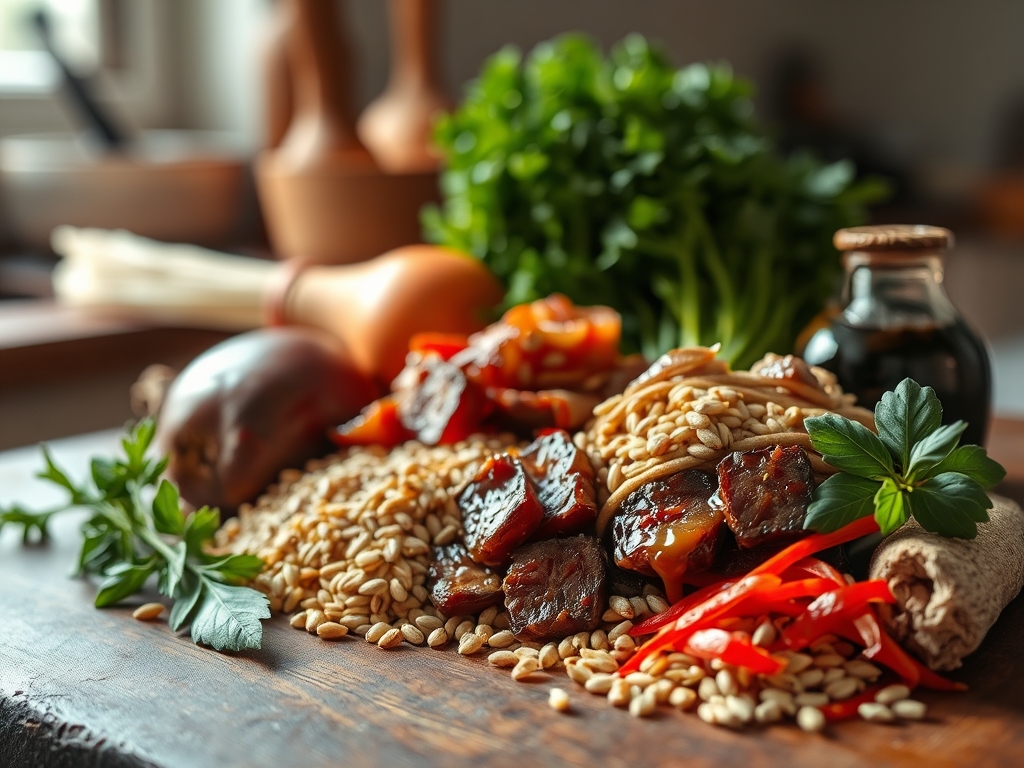
The Gathers:
To master hoisin beef recipes, your counter should look like a laboratory of texture. Start with flank steak or top sirloin; these cuts have the ideal lean-to-fat ratio for quick searing. You will need a viscous, high-quality hoisin sauce as your base. Look for one where fermented soybeans are high on the ingredient list. To provide a sharp counterpoint to the sugar, grab fresh ginger and garlic. Use a microplane to grate these into a fine paste; this increases the surface area for maximum flavor extraction. You will also need toasted sesame oil for its high smoke point and nutty aroma, plus a splash of Shaoxing wine or dry sherry to deglaze the pan later. For the crunch, keep scallions and toasted sesame seeds nearby.
Smart Substitutions: If you are dodging gluten, swap the hoisin for a mushroom-based stir-fry sauce mixed with a dash of molasses and five-spice powder. If flank steak is unavailable, a well-trimmed flat iron steak offers incredible tenderness. For a vegan twist, king oyster mushrooms provide a fibrous, "meaty" texture that absorbs the sauce beautifully without losing structural integrity during the render phase.
The Clock
Efficiency in the kitchen is all about the "Chef's Flow." You should spend 15 minutes on prep and only 8 to 10 minutes at the stove. This is a high-speed operation. Spend your prep time slicing the beef against the grain to shorten the muscle fibers; this ensures every bite is tender rather than chewy. Once the heat is on, things move fast. The goal is to minimize the time the beef spends in the pan to prevent overcooking, while maximizing the time the sauce has to reduce and thicken. If you prep everything into small glass bowls beforehand, you can focus entirely on the temperature of your heavy-bottomed skillet.
The Masterclass
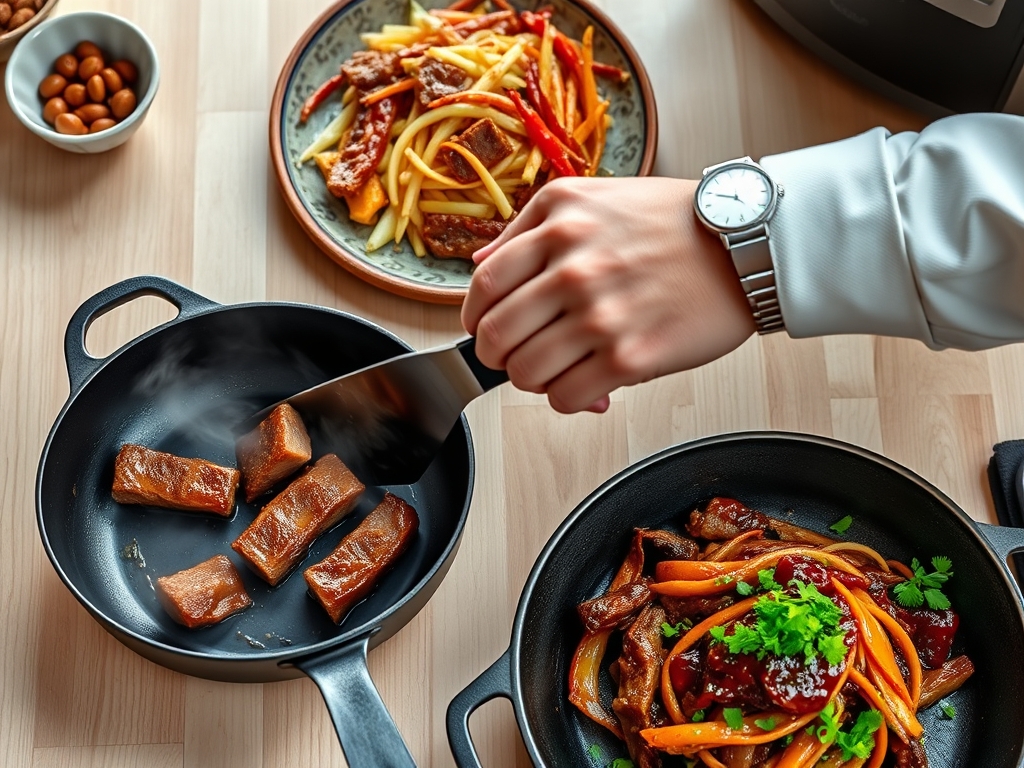
1. The Velvet Touch
Toss your sliced beef with a teaspoon of cornstarch and a splash of soy sauce. This technique, known as velveting, creates a protective barrier that keeps the meat succulent.
Pro Tip: The cornstarch acts as a physical shield against high heat, preventing the proteins from denaturing too quickly and becoming tough.
2. The High-Heat Sear
Get your skillet screaming hot until the oil shimmers. Add the beef in a single layer, using tongs to ensure each piece has direct contact with the metal.
Pro Tip: This triggers the Maillard reaction, a chemical reaction between amino acids and reducing sugars that creates hundreds of different flavor compounds.
3. Aromatics Infusion
Push the meat to the edges and drop your ginger and garlic into the center. Let them sizzle for exactly thirty seconds until they become fragrant but not brown.
Pro Tip: Fat is a flavor carrier; by blooming aromatics in the hot oil, you infuse the entire dish with their volatile oils.
4. The Deglaze
Pour in your Shaoxing wine or sherry. Use a bench scraper or wooden spoon to lift the browned bits (the fond) from the bottom of the pan.
Pro Tip: These browned bits contain concentrated umami; dissolving them back into the liquid creates a more complex sauce profile.
5. The Hoisin Glaze
Pour in your hoisin mixture and toss rapidly. The sauce should bubble and darken almost instantly as it meets the residual heat.
Pro Tip: As the water evaporates, the sugars in the hoisin undergo caramelization, resulting in that signature glossy, lacquered finish.
6. The Final Emulsification
Add a tablespoon of cold water or stock if the sauce looks too thick. Stir vigorously to combine the fats and liquids into a smooth coating.
Pro Tip: Rapid stirring helps emulsify the sauce, ensuring it clings to the beef rather than pooling at the bottom of the plate.
7. The Garnish Pop
Turn off the heat and toss in your scallions. The residual heat will wilt them just enough to release their sweetness without losing their vibrant green color.
Pro Tip: This prevents the loss of chlorophyll, keeping the dish visually striking and fresh.
8. Resting the Proteins
Transfer the beef to a warm platter and let it sit for two minutes before serving.
Pro Tip: Thermal carryover will finish the cooking process gently, allowing the juices to redistribute so they do not run out when you bite into the meat.
9. The Texture Finish
Sprinkle with toasted sesame seeds and a drizzle of chili oil if you want a piquant kick.
Pro Tip: Adding dry garnishes at the very end provides a textural contrast against the soft, viscous sauce.
The Deep Dive
From a nutritional standpoint, hoisin beef is a protein powerhouse, though it can be high in sodium and sugar due to the fermented base. To make it Keto-friendly, use a sugar-free hoisin substitute and serve over cauliflower rice. For a lower-calorie version, increase the ratio of snap peas or bell peppers to beef to add bulk without the caloric density.
The Fix-It:
- Sauce is too thin: Slurry a teaspoon of cornstarch with cold water and whisk it in; the starch granules will swell and thicken the liquid.
- Beef is tough: You likely sliced with the grain. Next time, look for the lines in the meat and cut perpendicular to them.
- Sauce is too salty: Balance it with a squeeze of lime juice or a teaspoon of rice vinegar; the acid cuts through the saltiness.
Meal Prep: To reheat, avoid the microwave if possible. Use a saucier over medium-low heat with a tablespoon of water. This gently loosens the starches in the sauce without overcooking the beef, maintaining that "day-one" glossy texture.
The Wrap-Up
Mastering hoisin beef recipes is about more than just following a list; it is about respecting the science of the sear and the balance of the glaze. When you understand how to control the heat and the timing, you move from being a cook to being a creator. This dish is a crowd-pleaser for a reason; it hits every sensory note from the crunch of the garnish to the deep, savory pull of the beef. Now, grab your skillet and make some magic happen!
The Kitchen Table
How do I make my hoisin beef extra crispy?
Dredge the beef in a light coating of cornstarch and fry in small batches. This prevents the pan temperature from dropping, ensuring the exterior dehydrates and crisps quickly before the interior overcooks.
What is the best cut of meat for hoisin beef?
Flank steak is the gold standard for its balance of flavor and texture. However, skirt steak or top sirloin also work beautifully if sliced thinly against the grain to ensure maximum tenderness.
Can I make hoisin beef recipes in a slow cooker?
Yes, but sear the beef first to develop flavor. Add the sauce ingredients and cook on low for 4 to 6 hours. Note that the sauce will need a cornstarch slurry at the end to thicken.
Why is my hoisin sauce burning in the pan?
Hoisin has a high sugar content which burns easily. Always add the sauce at the very end of the cooking process and keep the ingredients moving constantly to prevent the sugars from scorching.