
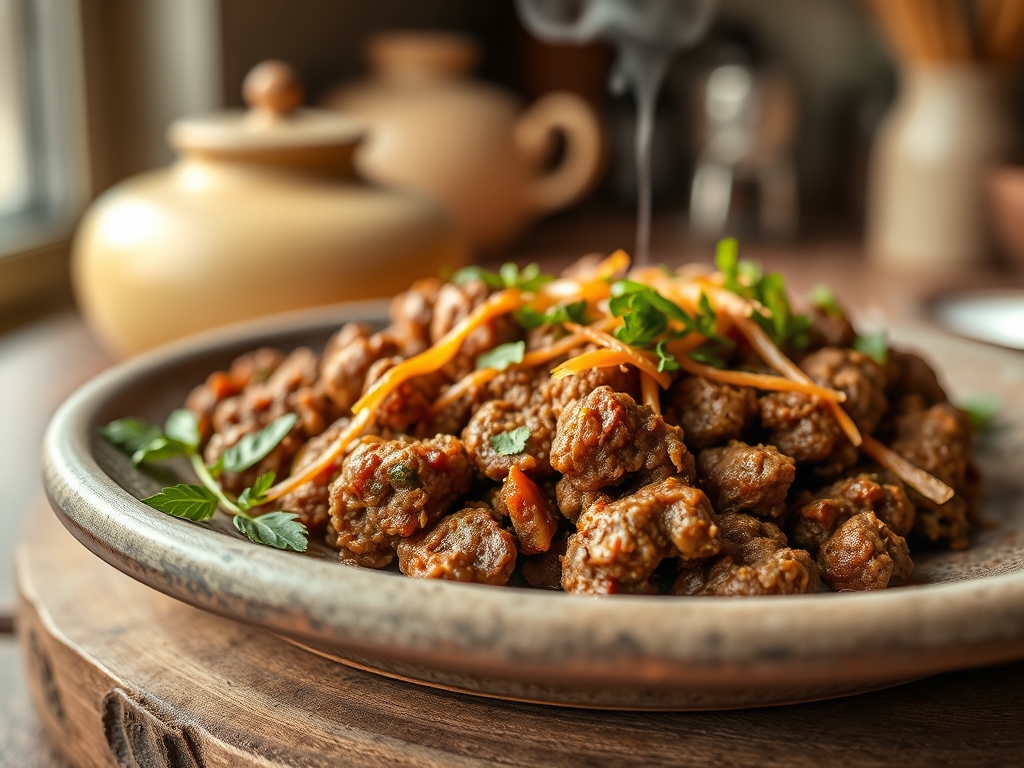
The scent of toasted cumin hitting a hot, heavy-bottomed skillet is enough to wake up your soul before the first bite even touches your tongue. When you explore moroccan ground beef recipes, you are not just making dinner; you are engaging in a centuries-old masterclass of spice architecture and fat emulsification. It is where savory meets sweet in a perfect, sizzling harmony.
Imagine the sound of lean beef hitting a ripping hot pan, the fat beginning to render into a golden, aromatic liquid. We are moving beyond the basic burger or the standard meat sauce. We are diving into a world where cinnamon provides a woody base note while harissa brings a piquant, fiery finish. It is sophisticated, deeply comforting, and surprisingly fast to execute once you understand the underlying chemistry of the Maillard reaction.
The Gathers:
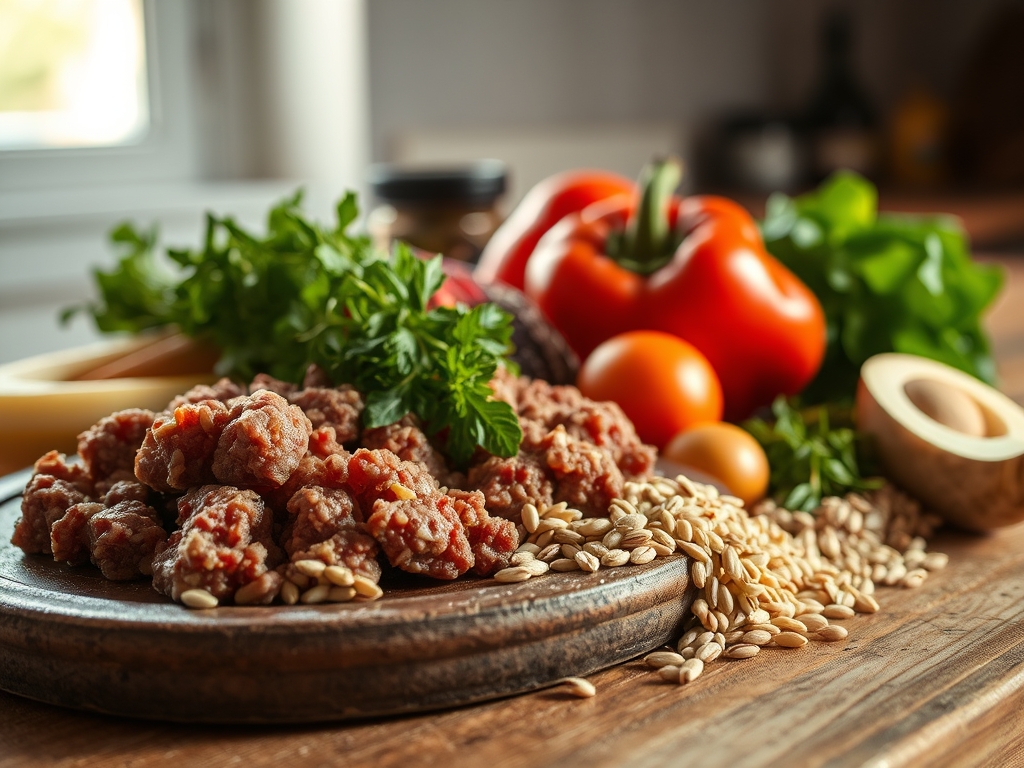
To achieve professional results, your mise-en-place must be precise. Start with high-quality ground beef, ideally an 80/20 blend. This ratio ensures enough saturated fat to carry the fat-soluble flavor compounds found in Moroccan spices. You will need a microplane for grating fresh garlic and ginger into a fine paste, which increases the surface area for maximum flavor infusion.
Your spice kit is the heart of the operation. Gather cumin, coriander, cinnamon, smoked paprika, and turmeric. These spices contain volatile oils that require heat to bloom. You will also need "The Brights": fresh parsley, cilantro, and preserved lemon. The acidity in preserved lemon acts as a chemical foil to the richness of the beef, cutting through the viscous mouthfeel of the rendered fat.
Smart Substitutions:
If you cannot find preserved lemons, use lemon zest mixed with a pinch of sea salt to mimic the fermented profile. For a leaner profile, ground lamb or even ground turkey can be swapped in, though you may need to add a teaspoon of neutral oil to facilitate proper browning. If you are avoiding nightshades, swap the harissa for a blend of black pepper and ginger to maintain that characteristic heat.
The Clock
Efficiency in the kitchen is all about "Chef's Flow." For these moroccan ground beef recipes, expect a 15-minute prep time and a 20 to 30-minute cook time. The goal is to minimize downtime by prepping your aromatics while the skillet preheats.
A professional tip for time management is to use a bench scraper to move your chopped onions and herbs quickly from the board to the pan. By the time your beef is browned and the moisture has evaporated, your sauce components should be ready to hit the heat. This prevents the beef from overcooking and becoming rubbery while you fumble with a knife.
The Masterclass
1. The Sear and Render
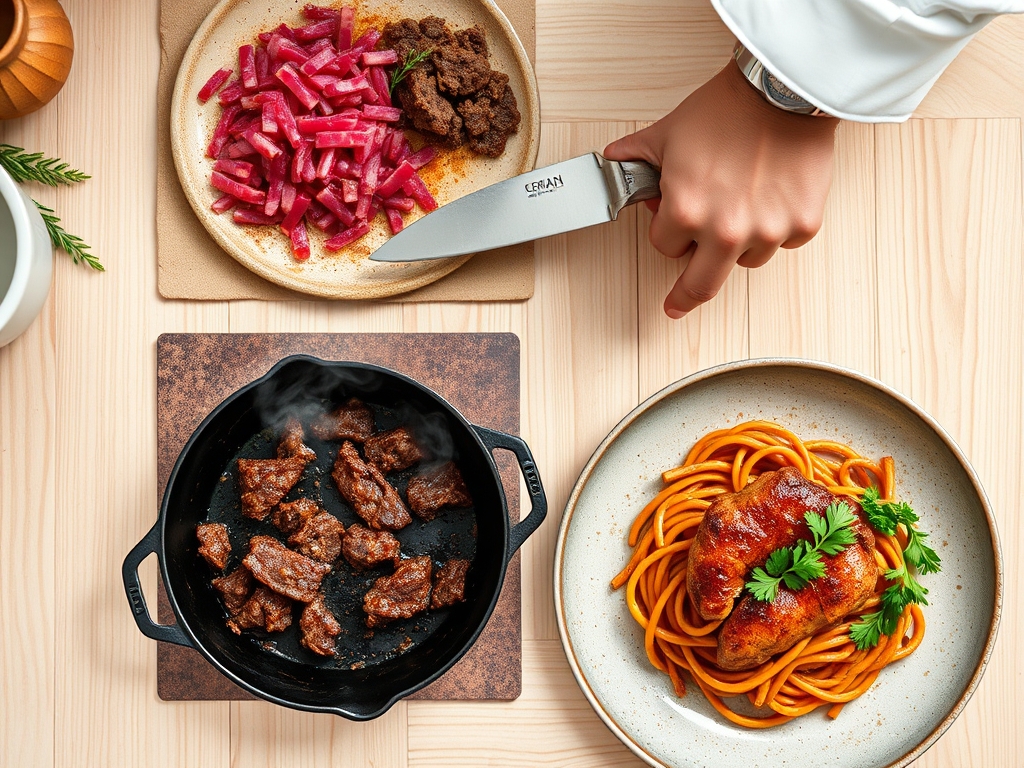
Place your heavy-bottomed skillet over medium-high heat. Add the beef in a single layer, resisting the urge to stir immediately. Let the meat develop a deep, mahogany crust.
Pro Tip: This is the Maillard reaction in action. By allowing the proteins and sugars to react without the interference of steam, you create hundreds of new flavor compounds. If you crowd the pan, the temperature drops and the meat boils in its own juices instead of searing.
2. The Aromatic Bloom
Once the meat is browned, push it to the perimeter and add your dry spices to the center of the pan. Stir them into the rendered fat for exactly sixty seconds until they become fragrant.
Pro Tip: Spices are hydrophobic, meaning their flavor compounds dissolve better in fats than in water. This "blooming" phase ensures the spices infuse the entire dish rather than sitting on top as gritty particles.
3. Deglazing the Fond
Add a splash of beef stock or a tablespoon of tomato paste to the pan. Use a wooden spoon or tongs with a paper towel to scrape up the brown bits stuck to the bottom of the skillet.
Pro Tip: Those brown bits are called fond. They are concentrated umami. Deglazing incorporates this flavor back into the sauce, creating a complex, layered profile that tastes like it simmered for hours.
4. The Emulsification
Slowly stir in your liquid components, such as crushed tomatoes or a bit of water. Lower the heat and let the mixture simmer until the sauce thickens and coats the back of a spoon.
Pro Tip: This is the process of reduction. As water evaporates, the flavors concentrate and the natural gelatin in the beef helps create a silky, emulsified texture that clings to the meat.
5. The Fresh Finish
Turn off the heat before folding in your fresh herbs and lemon juice. Residual heat is all you need here.
Pro Tip: Thermal carryover will continue to cook the dish even after the flame is off. Adding delicate herbs at the very end prevents the heat from breaking down their volatile oils, keeping the dish vibrant and bright.
6. The Aeration and Service
Use a fork to fluff the meat mixture before serving over couscous or inside warm pita bread.
Pro Tip: This final toss helps aerate the dish, allowing the steam to escape so the texture remains light rather than dense and heavy.
The Deep Dive
Macro Nutrition:
A standard serving of these moroccan ground beef recipes provides approximately 28g of protein and 18g of fat. By serving with fiber-rich chickpeas or cauliflower rice, you create a balanced glycemic load that keeps energy levels stable.
Dietary Swaps:
- Vegan: Use crumbled tempeh or lentils. Increase the smoked paprika to mimic the depth of beef.
- Keto: Serve over sautéed spinach or zucchini noodles instead of couscous.
- GF: Ensure your spices are certified gluten-free and serve with quinoa.
The Fix-It:
- Too Greasy: If the fat is pooling, use a rolled-up paper towel held by tongs to blot the excess from the corner of the pan.
- Too Salty: Add a splash of apple cider vinegar or more lemon juice. The acid masks the perception of salt on the palate.
- Too Dry: Whisk a teaspoon of cornstarch into a half-cup of beef broth and stir it in. This creates a slurry that adds moisture and a glossy finish.
Meal Prep:
When reheating, do not use high microwave power. Use the "medium" setting and add a teaspoon of water. This creates steam that re-hydrates the protein fibers without making the fat separate and turn grainy.
The Wrap-Up
Mastering moroccan ground beef recipes is like unlocking a secret level of culinary confidence. You have learned how to manage heat, bloom spices, and balance acidity like a pro. Whether you are stuffing this savory mixture into peppers or serving it over a bed of fluffy grains, the result is a sophisticated meal that feels like a celebration. Now, grab your skillet and go make some magic!
The Kitchen Table
Can I use ground lamb instead of beef?
Yes. Ground lamb is traditional and offers a gamier, richer flavor profile. Ensure you drain excess fat after browning, as lamb typically has a higher fat content than beef. The spice pairings remain exactly the same for both proteins.
How do I keep the meat from getting tough?
Avoid overworking the meat in the pan. Brown it in large chunks first, then break it down gently. Adding a splash of liquid or tomato sauce during the simmering stage helps maintain moisture through gentle braising.
What is the best way to store leftovers?
Store in an airtight glass container for up to four days. The flavors actually improve overnight as the spices continue to infuse the fats. Reheat gently on the stovetop with a tablespoon of water to restore the original texture.
What are the essential Moroccan spices?
The "big four" are cumin, coriander, cinnamon, and ginger. For authentic heat, add harissa or cayenne. These spices create the signature warm, earthy, and slightly sweet profile that defines Moroccan cuisine and sets it apart from other Mediterranean styles.