
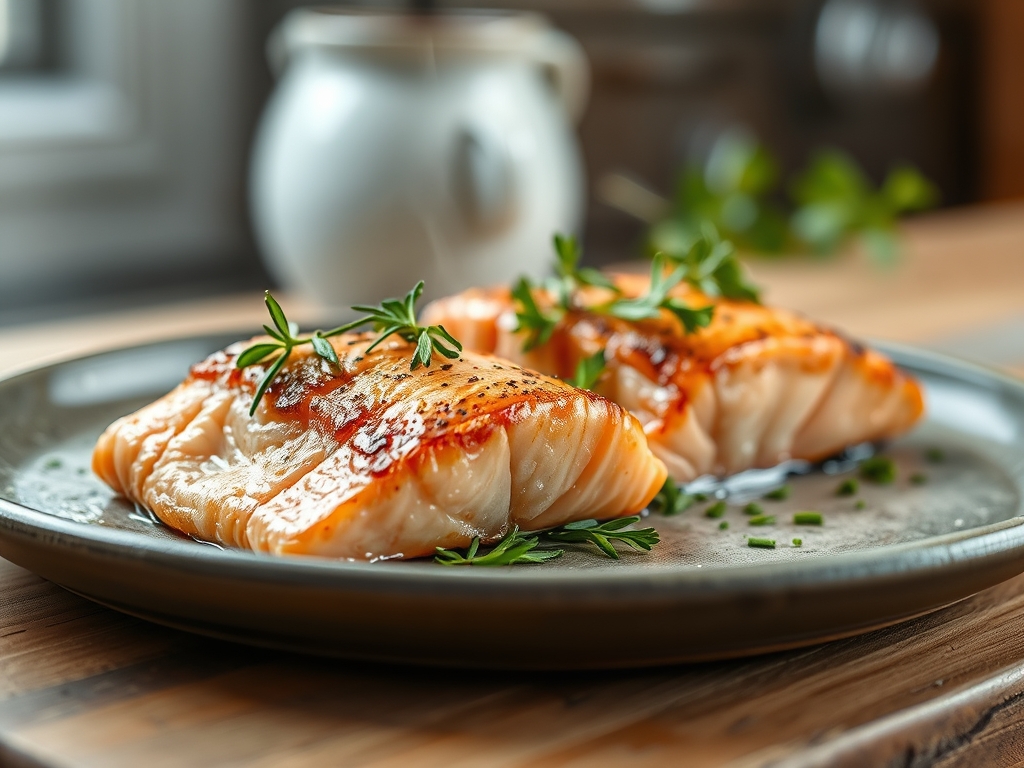
Imagine the sharp, rhythmic sound of a chef's knife hitting a wooden board while the air fills with a scent that is part licorice, part spring meadow, and entirely sophisticated. When you dive into tarragon salmon recipes, you are not just making dinner; you are conducting a masterclass in aromatic chemistry. The secret lies in the way the anise-forward oils of the herb cut through the fatty, buttery richness of a perfectly seared fillet. It is a pairing that feels like a Parisian bistro on a rainy Tuesday, yet it is simple enough to master in your own kitchen if you understand the physics of the pan. We are going to transform a standard piece of fish into a culinary event by focusing on the delicate balance of heat, fat, and fragrance.
There is a specific magic that happens when heat meets the essential oils in fresh herbs. Tarragon contains a compound called methyl chavicol, which provides that signature sweetness. When paired with the omega-3 fatty acids in salmon, it creates a flavor profile that is both grounded and ethereal. Forget everything you know about dry, flaky fish. Today, we are focusing on the science of the sear and the art of the infusion. Grab your favorite apron and clear some counter space; we are about to make your kitchen the most popular spot in the house.
The Gathers:
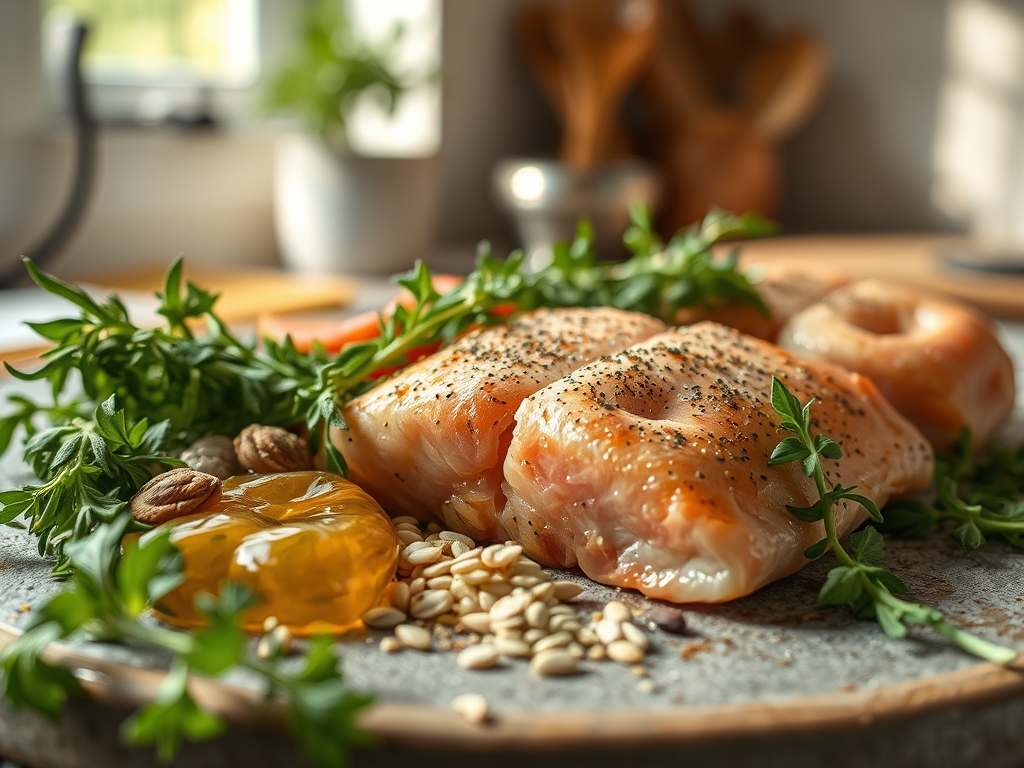
To achieve professional results, your mise-en-place must be precise. Start with center-cut Atlantic or King salmon fillets, ideally weighing 6 to 7 ounces each. You will need a high-quality heavy-bottomed skillet, preferably cast iron or stainless steel, to ensure even heat distribution. For the infusion, gather a generous bunch of fresh tarragon; the leaves should be vibrant green and springy, not wilted. You will also need unsalted European-style butter, which has a higher fat content and lower water percentage, allowing for a more viscous and stable sauce.
Your toolkit should include a microplane for zesting a fresh lemon, a digital scale for precise seasoning, and a saucier if you plan on making a reduction. For the aromatics, have a few cloves of garlic and a small shallot on hand. The shallot provides a piquant base without the aggressive bite of a standard onion.
Smart Substitutions:
If you cannot find fresh tarragon, do not reach for the dried version; the flavor profile shifts from bright to dusty. Instead, use a combination of fresh chervil and a pinch of ground fennel seed to mimic that anise note. For a dairy-free alternative, replace the butter with a high-quality cashew cream or a neutral oil like avocado oil, though you will lose the Maillard reaction benefits of the milk solids. If you are out of fresh lemons, a splash of dry white wine like a Sauvignon Blanc works beautifully to deglaze the pan and provide necessary acidity.
The Clock: Chef's Flow
Efficiency in the kitchen is about managing "dead time." Total preparation takes approximately 10 minutes, while the active cooking time is a swift 8 to 12 minutes. The "Chef's Flow" dictates that you season your fish at least 15 minutes before it hits the pan to allow the salt to penetrate the protein fibers. Use this time to finely mince your shallots and strip the tarragon leaves from their woody stems. Once the pan is hot, the process moves quickly; there is no time for chopping once the butter begins to brown.
The Masterclass:
1. Temper and Prep the Protein
Remove the salmon from the refrigerator 20 minutes before cooking. Use a paper towel to pat the skin extremely dry. Moisture is the enemy of a crisp sear; any surface water will turn to steam and prevent the skin from becoming brittle and delicious.
Pro Tip: This is known as surface evaporation. By removing moisture, you allow the surface temperature of the fish to rise rapidly above 300 degrees Fahrenheit, which is the threshold for the Maillard reaction, creating those complex, savory flavor compounds.
2. The High-Heat Sear
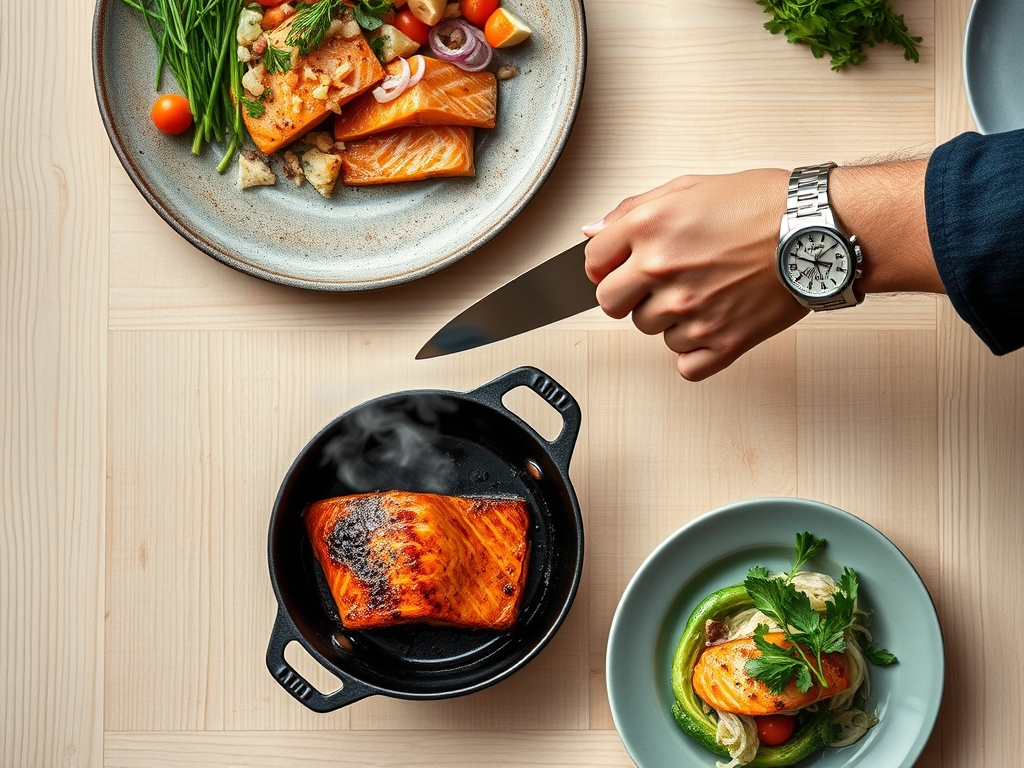
Place your skillet over medium-high heat until a drop of water dances and evaporates instantly. Add a high-smoke-point oil. Lay the salmon skin-side down, pressing firmly with a flexible metal spatula for the first 30 seconds to prevent the skin from curling.
Pro Tip: Pressing the fish ensures full contact with the heat source. This prevents the subcutaneous fat from insulating the skin, allowing it to render fully and become "glass-crack" crunchy.
3. The Butter Baste and Infusion
Once the skin is crisp and the flesh is cooked two-thirds of the way up, flip the fillets gently using tongs. Drop two tablespoons of butter, the smashed garlic, and the fresh tarragon into the pan. As the butter foams, tilt the pan and use a large spoon to continuously pour the flavored fat over the fish.
Pro Tip: This technique, called arroser, uses the butter as a heat transfer medium. The fat carries the fat-soluble compounds from the tarragon directly into the protein, while the milk solids in the butter undergo enzymatic browning to create a nutty aroma.
4. The Deglaze and Emulsification
Remove the salmon when the internal temperature hits 125 degrees Fahrenheit. While the fish rests, add a splash of lemon juice or white wine to the hot pan. Use a bench scraper or whisk to lift the browned bits (the fond) from the bottom.
Pro Tip: This is deglazing. The acidity of the liquid dissolves the caramelized proteins stuck to the pan, incorporating them into a pan sauce that acts as a concentrated flavor bomb.
5. The Rest and Carryover
Transfer the salmon to a warm plate and let it rest for at least 3 to 5 minutes before serving. Drizzle the remaining tarragon butter from the pan over the top.
Pro Tip: This accounts for thermal carryover. The internal temperature will continue to rise by 5 to 7 degrees after removal from the heat. Resting allows the muscle fibers to relax and reabsorb juices, ensuring a succulent texture rather than a dry one.
The Deep Dive:
From a nutritional standpoint, this dish is a powerhouse. A standard serving provides roughly 35 grams of high-quality protein and is rich in Vitamin B12 and Potassium. For those following a Keto lifestyle, this recipe is naturally low-carb and high-fat. To make it Vegan, you can apply the same tarragon-infusion technique to thick slabs of cauliflower or "tofu steaks," though the cooking times will vary significantly.
The Fix-It: Common Pitfalls
- The Skin Sticks: This usually happens because the pan wasn't hot enough or you tried to flip the fish too early. The fish will naturally "release" from the pan once the proteins have cauterized.
- The Butter Burns: If your butter turns black instead of golden brown, your heat is too high. Pull the pan off the burner immediately and add a splash of cold oil to drop the temperature.
- The Flavor is Dull: This is often a lack of acidity. A final hit of lemon zest or a tiny pinch of flaky sea salt can wake up the tarragon notes instantly.
Meal Prep and Reheating:
Salmon is notoriously difficult to reheat without turning it into rubber. The science-backed method is to use a low-temperature oven (275 degrees Fahrenheit) for about 15 minutes with a splash of water or broth in the dish, covered tightly with foil. This creates a gentle steaming environment that preserves the delicate fats.
The Wrap-Up:
Mastering tarragon salmon recipes is a gateway to understanding how professional chefs layer flavors and textures. By focusing on the Maillard reaction, the physics of heat transfer, and the chemistry of aromatics, you have elevated a simple fillet into a culinary masterpiece. The crunch of the skin against the velvety, herb-infused flesh is a sensory experience that never gets old. Now, pour yourself a glass of crisp white wine, set the table, and enjoy the fruits of your scientific labor. You have officially earned your stripes in the kitchen today!
The Kitchen Table:
Can I use dried tarragon for this recipe?
It is not recommended. Dried tarragon loses its volatile oils and tastes more like hay than fresh anise. If you must use it, use only a third of the amount and add it earlier to the fat to help it rehydrate.
How do I know when the salmon is perfectly cooked?
Use a digital thermometer to check for an internal temperature of 130 to 135 degrees Fahrenheit for medium. The flesh should be opaque on the outside but still slightly translucent and "flaky" in the very center.
Why does my salmon have white stuff on it?
That white substance is albumin, a protein that pushes to the surface when the fish is cooked too fast or too long. It is perfectly safe to eat, but minimizing heat can help prevent it from appearing.
What are the best side dishes for tarragon salmon?
Look for items that complement the licorice notes. Roasted fingerling potatoes, blanched asparagus with lemon, or a light quinoa salad with peas and mint all provide excellent structural and flavor balance to the rich fish.