
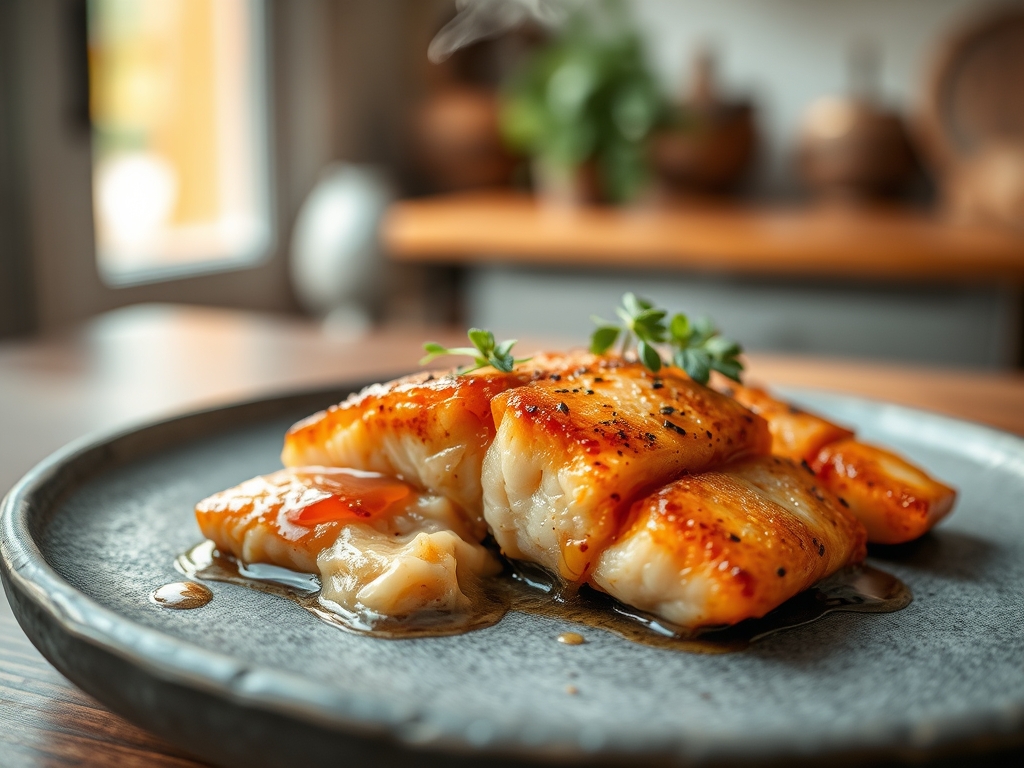
Imagine the scent of caramelized sugar and fermented soybeans hitting a searing hot pan while the Pacific breeze drifts through an open window. This is the essence of miso salmon recipes hawaii; a culinary tradition that marries Japanese precision with the laid-back, tropical soul of the islands. When you bite into a perfectly executed piece of miso salmon, you are experiencing the peak of umami. The exterior should be a lacquered, mahogany crust that shatters slightly before giving way to buttery, translucent flakes of fish. It is salty, sweet, and deeply savory. Whether you are dining at a high-end bistro in Honolulu or prepping a quick weeknight dinner in your own kitchen, the magic lies in how that thick, piquant paste transforms under heat. We are not just cooking fish here; we are orchestrating a complex chemical reaction that turns simple proteins into gold. Grab your apron and your favorite heavy-bottomed skillet, because we are about to dive into the science of the perfect glaze.
The Gathers:
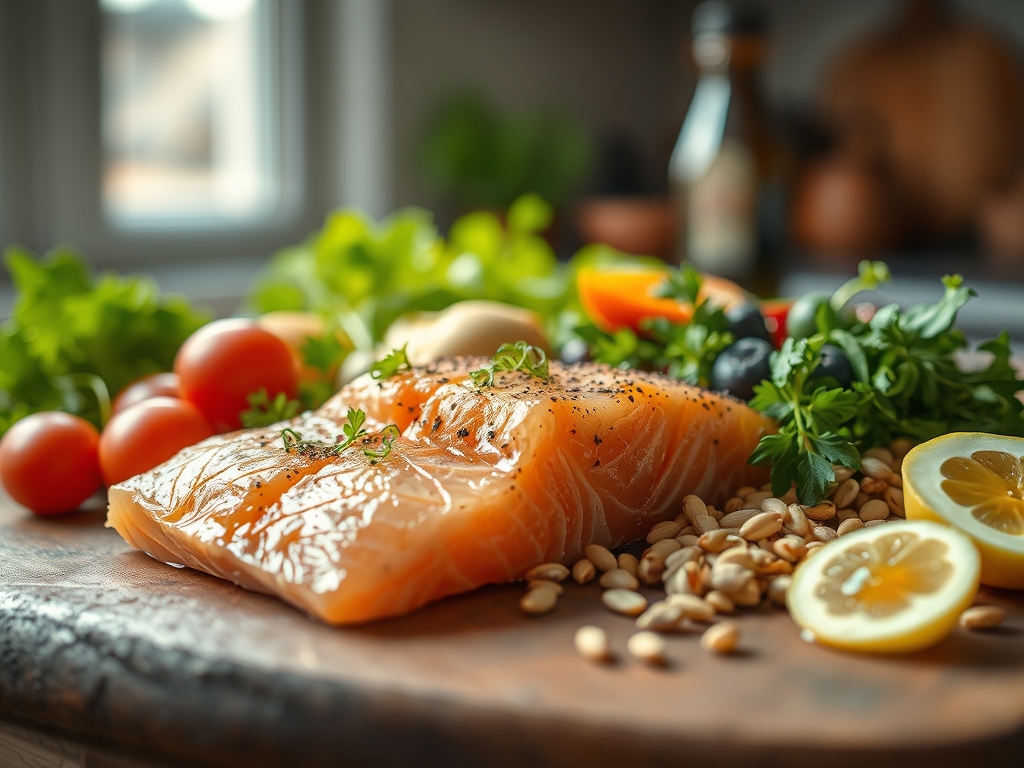
To achieve that iconic island flavor, your mise-en-place must be precise. Start with high-quality salmon fillets, preferably center-cut for uniform thickness. You will need white miso (Shiro miso) for its mild, sweet profile, or red miso if you prefer a more aggressive, fermented funk. Gather your liquids: mirin for gloss, sake for acidity and aroma, and a touch of toasted sesame oil for depth. Use a microplane to grate fresh ginger and garlic into a fine paste; this ensures the aromatics melt into the sauce rather than burning on the surface of the fish.
Smart Substitutions: If you cannot find mirin, a splash of dry sherry mixed with a teaspoon of honey works beautifully. For a soy-free version, coconut aminos and chickpea miso provide a similar salty-sweet profile. If you are watching your refined sugar intake, replace the traditional brown sugar with maple syrup or monk fruit sweetener. Always use a digital scale to measure your miso paste, as its density varies wildly between brands.
The Clock
Efficiency in the kitchen is all about the "Chef's Flow." Total active prep time is roughly 15 minutes, but the secret is the marination period.
- Prep Time: 15 minutes (measuring, whisking, and slicing).
- Marination: 30 minutes (minimum) to 24 hours (optimal).
- Cook Time: 8 to 12 minutes depending on thickness.
- Resting: 3 minutes.
The "Chef's Flow" dictates that you prepare your side dishes, like bok choy or jasmine rice, while the salmon is marinating. By the time your heavy-bottomed skillet is preheated, your workspace should be clear and your garnishes should be ready. This prevents the frantic scramble that leads to overcooked fish.
The Masterclass
1. The Emulsion Phase
Whisk your miso, sake, mirin, and aromatics in a small saucier or bowl until the mixture is completely smooth and viscous. You are looking for a consistency that coats the back of a spoon without running off immediately.
Pro Tip: This is the emulsification stage. The fats in the miso must be fully integrated with the alcohol and sugars to ensure the glaze does not separate and break when it hits the heat of the oven or pan.
2. The Osmotic Infusion
Pat your salmon bone-dry with paper towels before applying the glaze. Place the fillets in a shallow dish and coat them generously. Cover and refrigerate.
Pro Tip: This is more than just flavoring; it is osmosis. The salt in the miso draws moisture out of the fish, seasons it deeply, and then allows the flavorful liquid to be reabsorbed, resulting in a firmer, more seasoned flake.
3. The Sear and Render
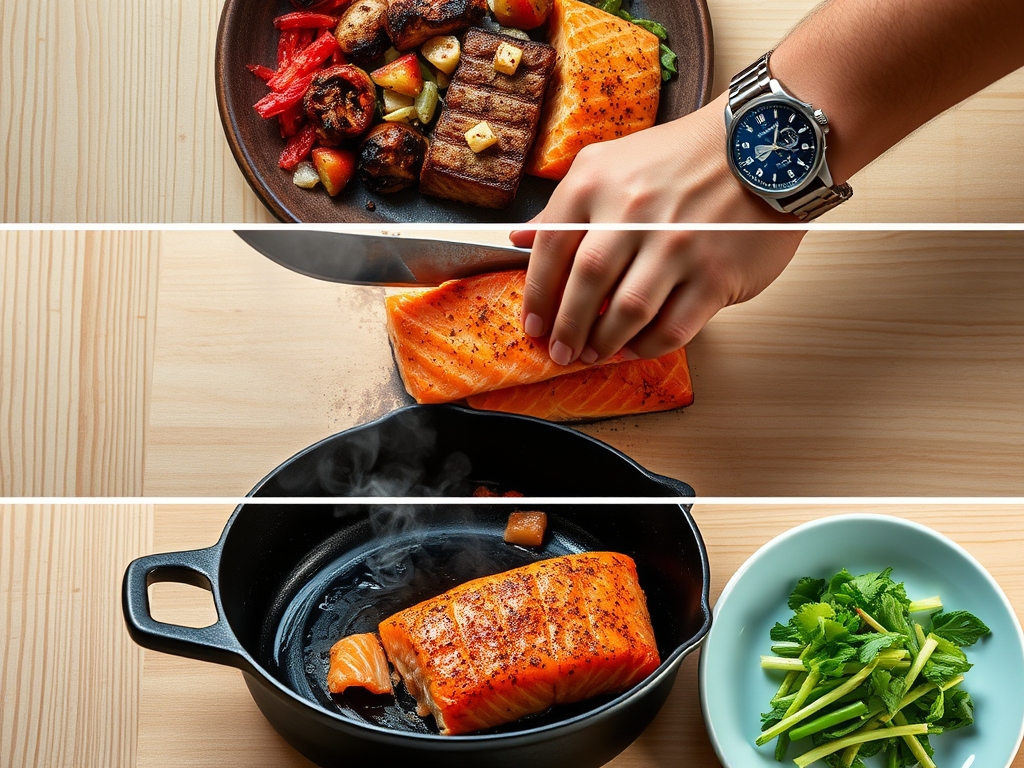
Heat a splash of neutral oil in your skillet over medium-high heat. Use tongs to place the salmon skin-side down first. Do not move it for at least three minutes.
Pro Tip: This allows the subcutaneous fat to render, creating a crispy skin barrier that protects the delicate flesh from drying out. The skin acts as an insulator during the cooking process.
4. The Maillard Transformation
Flip the fish carefully. If you are using an oven, move the pan under the broiler for the final three minutes of cooking. Watch the surface closely as the sugars begin to bubble and darken.
Pro Tip: You are witnessing the Maillard reaction and caramelization simultaneously. Because miso is high in amino acids and sugars, it browns much faster than plain protein, creating that signature savory crust.
5. The Glaze Reduction
If you have leftover marinade, simmer it in a small pan until it reduces by half and becomes a thick syrup. Brush this over the finished fish just before serving.
Pro Tip: This reduction intensifies the umami compounds. The heat drives off the water content, concentrating the glutamates for a massive flavor punch.
6. The Thermal Finish
Remove the salmon from the heat when the internal temperature hits 125 degrees Fahrenheit. Let it rest on a warm plate.
Pro Tip: This accounts for thermal carryover. The internal temperature will continue to rise by 5 to 10 degrees while resting, bringing the fish to a perfect, buttery medium-rare without overshooting into "dry" territory.
7. The Aerated Garnish
Finish with a flurry of toasted sesame seeds and thinly sliced scallions. Use a sharp knife or a bench scraper to gather your garnishes efficiently.
Pro Tip: Fresh scallions provide a hit of sulfurous acidity that cuts through the rich, fatty mouthfeel of the salmon and the fermented miso, balancing the dish's pH level.
The Deep Dive
Macro Nutrition: Miso salmon is a nutritional powerhouse. A standard 6-ounce serving provides roughly 35 grams of high-quality protein and is rich in Omega-3 fatty acids. The fermentation in the miso adds a small boost of probiotics, though some are lost during high-heat cooking.
Dietary Swaps:
- Keto: Replace mirin and sugar with an erythritol-based sweetener and a dash of rice vinegar.
- Vegan: Use the same glaze on thick "steaks" of roasted cauliflower or firm tofu.
- Gluten-Free: Ensure your miso paste is labeled GF, as some varieties use barley or rye as a base grain.
The Fix-It:
- Burnt Glaze: If the miso browns too fast, move the pan to a lower oven rack or tent it with foil. The sugars in miso are volatile.
- Soggy Skin: You likely didn't preheat the pan enough or didn't dry the skin. Next time, use a bench scraper to squeegee moisture off the skin before seasoning.
- Bitter Taste: This happens if the garlic or ginger burns. Ensure they are grated finely so they integrate into the paste rather than sitting on top.
Meal Prep & Reheating: To maintain "day-one" quality, reheat salmon in a toaster oven at 275 degrees Fahrenheit with a splash of water covered by foil. This creates a mini-steam chamber that prevents the proteins from tightening and becoming rubbery.
The Wrap-Up
Mastering miso salmon recipes hawaii is like learning a secret handshake in the culinary world. It is the perfect blend of technical chemistry and soulful island comfort. By understanding how the sugars caramelize and how the proteins respond to the salt in the miso, you have graduated from a recipe-follower to a true kitchen scientist. Now, go grab your tongs and get that skillet screaming hot. Your best dinner yet is only twelve minutes away.
The Kitchen Table
How do I prevent miso salmon from burning?
Lower your oven rack and use the broiler only for the final two minutes. The high sugar content in miso causes rapid browning. Monitoring the fish closely during the final stage of cooking prevents the glaze from turning bitter.
Can I use red miso instead of white?
Yes, but be cautious. Red miso is fermented longer and has a much saltier, more assertive flavor. If using red miso, reduce the amount of soy sauce or salt in your recipe to keep the flavors balanced and palatable.
What is the best way to store leftovers?
Store leftover salmon in an airtight glass container for up to three days. To keep it moist, add a teaspoon of water or extra glaze before sealing. This helps maintain the delicate texture of the fish during refrigeration.
Is miso salmon healthy?
Absolutely. It is packed with lean protein and heart-healthy Omega-3s. While miso contains sodium, the fermentation process offers beneficial enzymes. Pair it with steamed greens and brown rice for a perfectly balanced, nutrient-dense meal that supports overall wellness.