
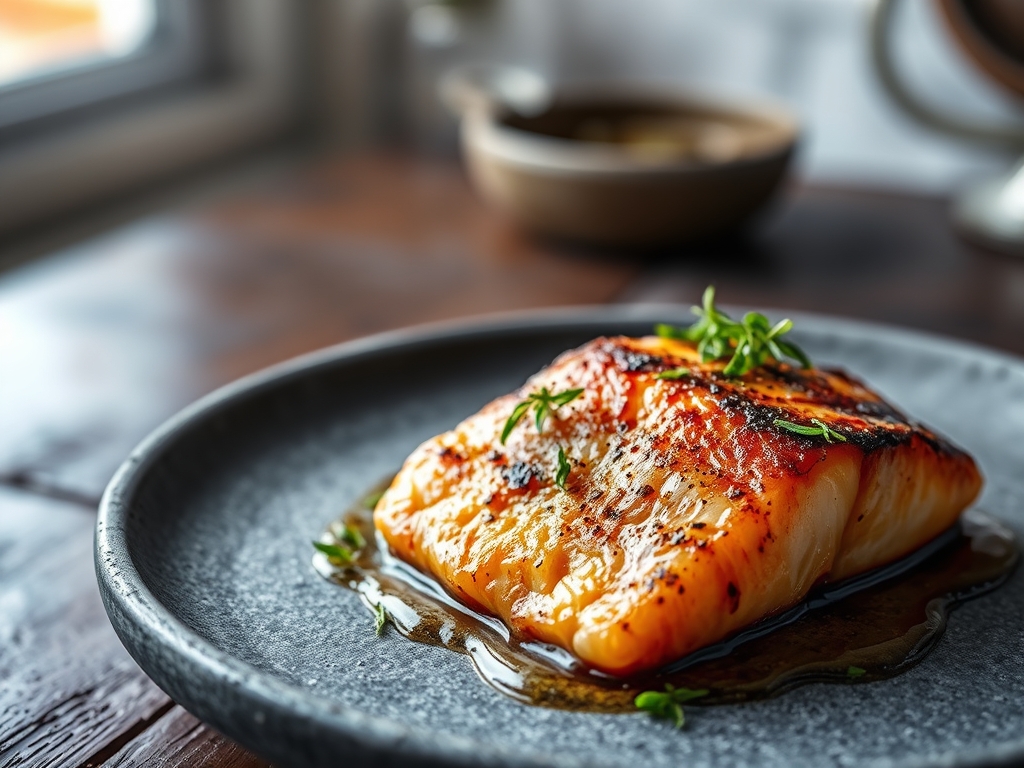
Imagine the sound of a heavy bottomed skillet hitting the burner; a low, resonant ring that signals the start of something transformative. We are not just searing fish today. We are mastering the art of the crust. When you search for black salmon recipes, you are looking for that elusive, shattered glass texture on the skin paired with a center so buttery it practically sighs. Black salmon is a triumph of the Maillard reaction, where amino acids and reducing sugars dance under high heat to create a complex, savory profile that goes far beyond simple seasoning. It is moody, it is sophisticated, and it is surprisingly easy to achieve if you respect the chemistry of the pan.
The secret to a world class black salmon recipes experience lies in the tension between the char and the juice. We are going to use high heat to create a protective, flavorful barrier that seals in the moisture, ensuring your fillet never tastes like cardboard. Whether you are using a coffee rub, a blackened spice blend, or a dark soy reduction, the goal is a deep, lacquered finish that tastes like a five star bistro. Let us get your mise en place ready; we have some serious flavor to build.
The Gathers:
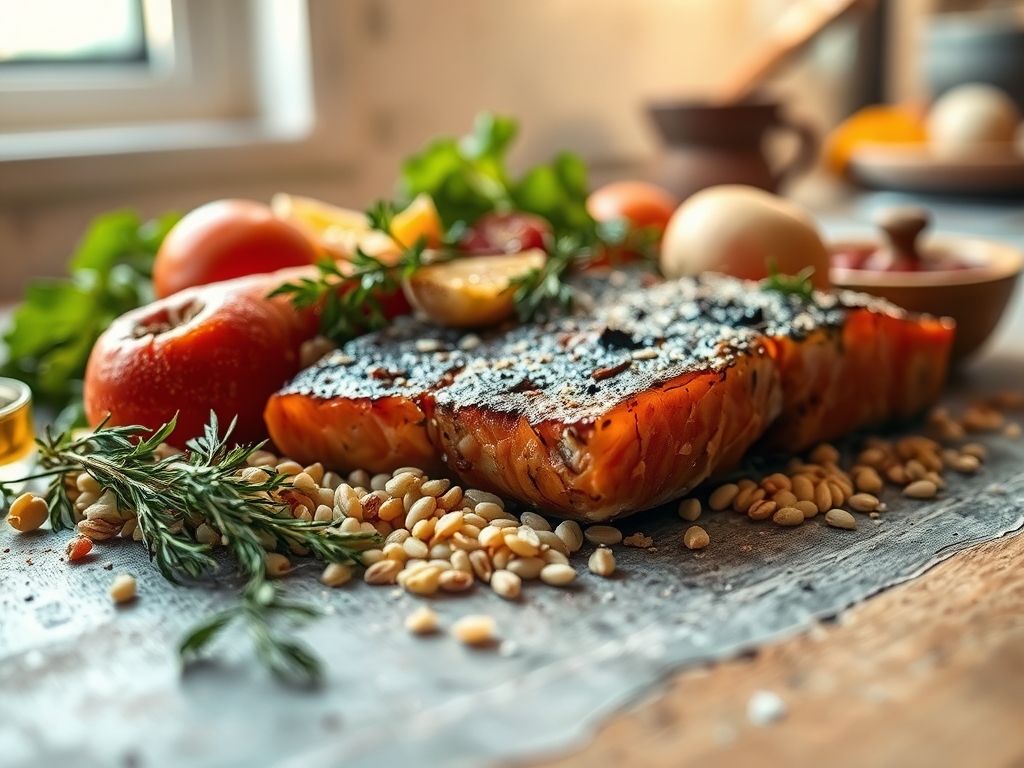
To achieve a professional grade crust, your ingredients must be selected for their chemical properties, not just their flavor. Start with center cut Atlantic or King salmon fillets. These are prized for their high fat content, which will render beautifully during the searing process. You will need a high smoke point oil; avocado oil or clarified butter (ghee) are the gold standards here because they can withstand the 400 degree Fahrenheit temperatures required for a proper sear without breaking down into acrid compounds.
For the "black" element, we are looking for a blend of smoked paprika, cayenne, garlic powder, and dried oregano. However, the real secret is a touch of dark brown sugar or coconut sugar. These sugars undergo caramelization at high heat, helping to create that dark, viscous crust. You will also need a microplane to zest fresh citrus for a piquant finish and a digital scale to ensure your spice ratios are consistent.
Smart Substitutions:
If you are avoiding nightshades, swap the paprika for a mixture of finely ground espresso and cumin; the coffee provides that deep color and an earthy, bitter backbone. If you lack ghee, use a neutral oil and add a cold knob of unsalted butter in the final sixty seconds of cooking to infuse the fish with richness without burning the milk solids.
The Clock:
Efficiency in the kitchen is about "Chef's Flow." This is the psychological state where your movements are deliberate and your timing is precise. Total preparation time for these black salmon recipes is ten minutes, while the active cook time is exactly eight minutes.
The flow begins with the "Dry Brine." You must salt your fish at least fifteen minutes before it touches the heat. This allows the salt to penetrate the protein fibers, seasoning the fish deeply while simultaneously drawing out surface moisture. A dry surface is the only way to achieve a crisp texture; moisture is the enemy of the sear. While the fish rests, you will prepare your sides, ensuring everything hits the plate at the same time. Remember the rule of thermal carryover: salmon continues to cook for several minutes after it leaves the pan. Pull it at 125 degrees Fahrenheit for a perfect medium rare finish.
The Masterclass:
1. The Desiccation Ritual
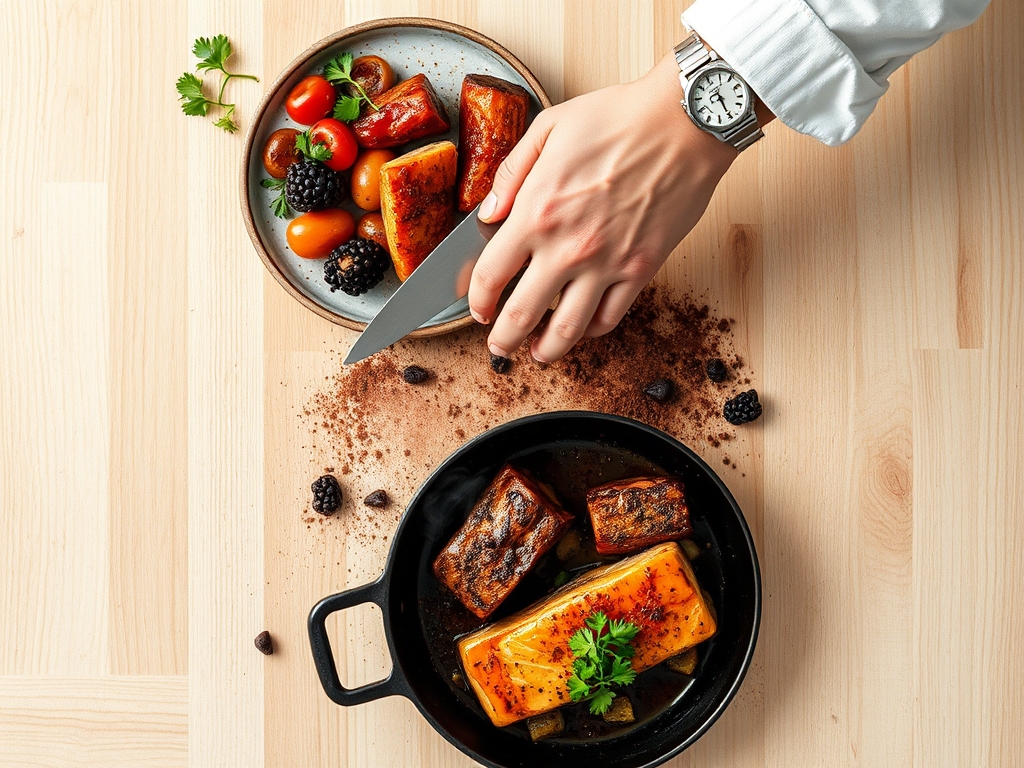
Use a paper towel to pat the salmon fillets until they are bone dry. If the skin feels tacky, keep wiping. A wet fillet will steam rather than sear, resulting in a rubbery texture. Use a bench scraper to move the fillets onto a clean parchment sheet.
Pro Tip: This process is about preventing the Leidenfrost effect, where a layer of steam forms between the fish and the pan, preventing the direct contact needed for enzymatic browning.
2. The Spice Compression
Apply your spice rub generously to the flesh side of the salmon. Use your palms to firmly press the spices into the meat. This creates a physical bond between the seasoning and the protein, ensuring the crust does not flake off in the pan.
Pro Tip: Pressing the spices creates a "pellicle," a thin, dry film that helps the smoke and heat adhere to the meat, resulting in a more intense flavor profile.
3. The Cold Pan Start (Skin Side)
Place the salmon skin side down in a cold, heavy bottomed skillet, then turn the heat to medium high. As the pan heats up, the fat under the skin will slowly render, frying the skin in its own oil for maximum crunch.
Pro Tip: Starting cold prevents the protein fibers from seizing up instantly, which often causes the fish to curl and cook unevenly.
4. The Weight Technique
Use a flexible fish spatula or a small weighted press to hold the fillet flat for the first two minutes. This ensures 100 percent surface contact with the heat source.
Pro Tip: Constant contact maximizes the conduction of heat, leading to a uniform crust rather than patchy spots of browning.
5. The Flip and Deglaze
Once the skin is translucent and crisp, flip the fillet. Add a splash of white wine or vegetable stock to the pan. This will deglaze the brown bits (the fond) from the bottom, creating a micro sauce that coats the fish.
Pro Tip: Deglazing uses steam to gently finish the interior of the fish while the bottom develops its signature "blackened" look.
6. The Butter Baste
In the final minute, tilt the pan and use a large spoon to pour the hot, bubbling fat over the top of the salmon. This is called "arroser." It adds a glossy finish and a final layer of richness.
Pro Tip: Basting helps to aerate the fat, creating a lighter mouthfeel while ensuring the top of the fillet reaches the safe internal temperature.
The Deep Dive:
Macro Nutrition
Salmon is a nutritional powerhouse, specifically rich in Omega 3 fatty acids (EPA and DHA) which support heart health. A standard 6 ounce serving provides roughly 34 grams of high quality protein and zero carbohydrates, making it a staple for metabolic health. The spices used in black salmon recipes, particularly paprika and cayenne, contain capsaicin which can slightly boost thermogenesis.
Dietary Swaps
- Vegan: Use the same spice rub on thick slabs of "King Oyster" mushrooms or firm tofu. The porous nature of tofu allows the spices to infuse deeply.
- Keto: This recipe is naturally keto friendly. Increase the fat content by serving with a side of homemade hollandaise.
- Gluten Free: Ensure your smoked paprika and spice blends are certified GF, as some anti caking agents contain traces of wheat.
The Fix It: Common Pitfalls
- The Spice is Burnt: If the crust tastes bitter, your heat was too high or your rub had too much sugar. Fix this by scraping off the excess and finishing with a squeeze of fresh lime to neutralize the bitterness.
- The Fish is Stuck: You tried to flip it too early. Protein "releases" from the pan naturally once the Maillard reaction is complete. If it sticks, wait thirty seconds and try again.
- The Center is Cold: You experienced a "temperature gradient" issue. Next time, let the salmon sit at room temperature for fifteen minutes before cooking to ensure even heat distribution.
Meal Prep: Reheating Science
To maintain "day one" quality, never use a microwave. The microwave agitates water molecules, causing the delicate fats in the salmon to oxidize and smell "fishy." Instead, reheat in a 275 degree Fahrenheit oven with a teaspoon of water covered by foil. This creates a gentle steam environment that restores moisture without overcooking the protein.
The Wrap-Up:
Mastering black salmon recipes is about more than just following a list of ingredients; it is about understanding how heat interacts with protein and spice. By focusing on desiccation, compression, and controlled rendering, you can turn a simple piece of seafood into a culinary masterpiece. The kitchen is your laboratory, and that heavy skillet is your most important tool. Now, go forth, get that pan screaming hot, and create a crust that would make a professional chef weep with joy. Your dinner guests are not ready for this level of flavor.
The Kitchen Table:
Why is my salmon skin not crispy?
Moisture is the culprit. If the skin is damp, it steams instead of frying. Use a knife to scrape the skin before seasoning to remove excess water, and always start in a hot, oiled pan for immediate crisping.
Can I make black salmon in an air fryer?
Yes. Preheat the air fryer to 400 degrees Fahrenheit. The high velocity air acts like a convection oven, rapidly dehydrating the surface to create a crust. Just be sure to spray the rub with a little oil first.
What is the best spice for blackening?
A mix of smoked paprika, onion powder, and dried thyme provides the classic base. The "black" color comes from the spices toasting in the fat, so do not skimp on the quantity of the rub.
How do I know when the salmon is done?
Use a digital thermometer. For a buttery, flaky texture, aim for an internal temperature of 125 to 130 degrees Fahrenheit. The fish will continue to cook slightly once removed from the heat due to residual energy.