
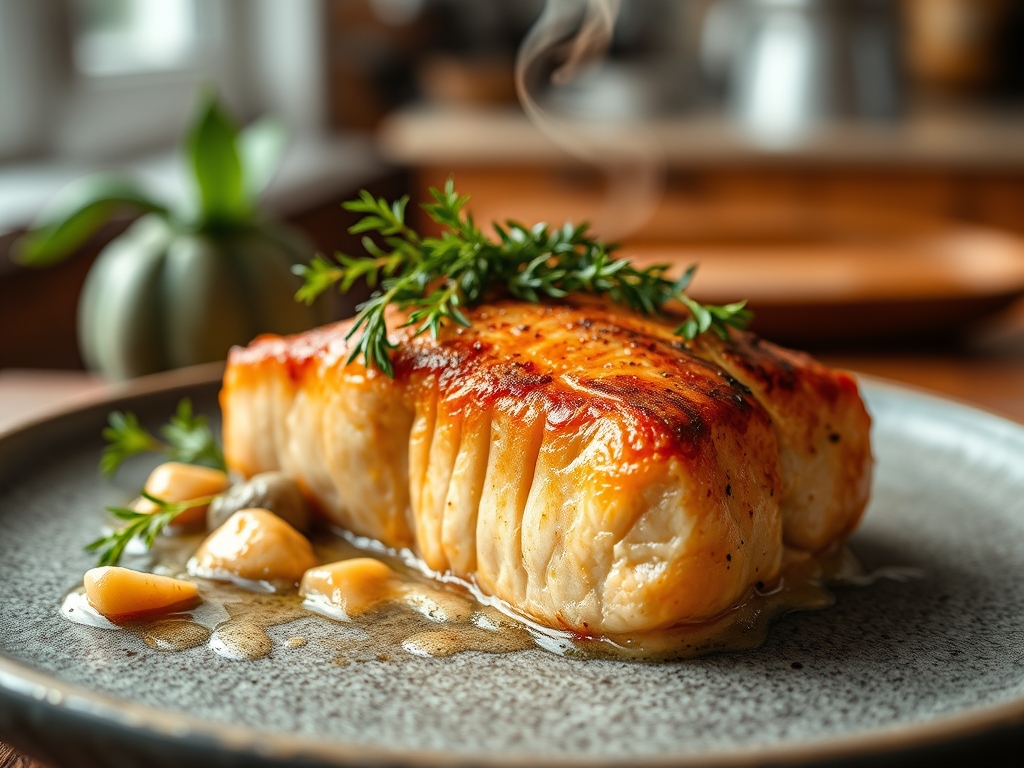
Close your eyes and imagine the scent of salt air mingling with the caramelizing sugars of a hot glaze. This is the essence of the islands. When you search for baked salmon recipes hawaii, you are looking for more than just a quick dinner; you are chasing the perfect balance of umami, sweetness, and high-fat buttery flakes. The secret to that iconic Pacific flavor profile lies in the chemistry of the marinade and the precision of the heat. We are moving beyond the basic lemon and dill to embrace the bold, tropical complexity of a true island kitchen.
To achieve that restaurant-grade finish, we need to understand how proteins react to heat and acidity. We are looking for that specific point where the collagen in the fish begins to dissolve into gelatin without the muscle fibers tightening into a dry, chalky mess. It is a delicate dance between the moisture of the fish and the intensity of your oven. Grab your favorite heavy-bottomed baking sheet and let us get into the science of the perfect bake.
The Gathers:
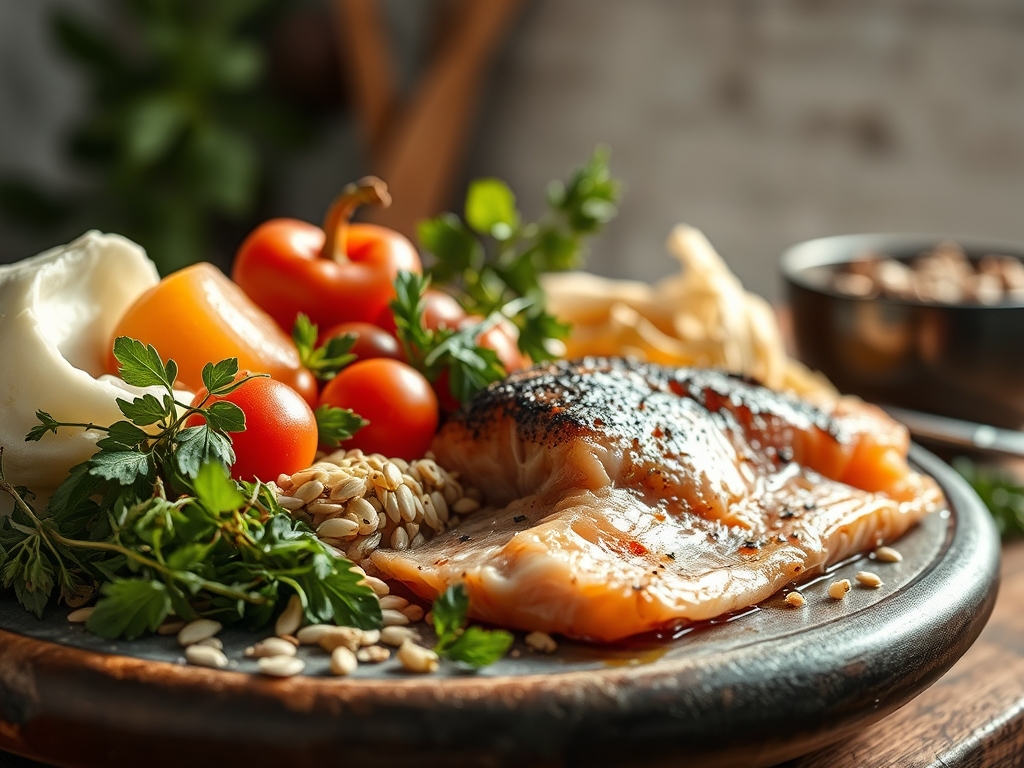
The foundation of this dish is a high-quality side of salmon, preferably King or Sockeye, which offers a higher lipid content for a more viscous mouthfeel. You will need a digital scale to ensure your marinade ratios are exact; consistency is the hallmark of a professional kitchen. Our flavor profile relies on high-quality Shoyu (Japanese soy sauce), which provides the amino acids necessary for deep flavor development.
You will also need fresh ginger and garlic. Do not reach for the pre-minced jars. Use a microplane to grate these into a fine paste. This increases the surface area, allowing the aromatics to infuse the oil and soy more effectively. For the sweetness, we use local honey or brown sugar to trigger the Maillard reaction, creating that beautiful dark crust. Finally, toasted sesame oil adds a piquant nuttiness that rounds out the profile.
Smart Substitutions: If you are watching your sodium, Coconut Aminos are a fantastic 1:1 replacement for Shoyu. They offer a similar depth of flavor with a slightly sweeter finish. If you cannot find fresh ginger, a pinch of ground ginger will work, though you will lose the bright, zesty top notes that fresh rhizomes provide. For a kick of heat, a teaspoon of Sambal Oelek or sriracha can be whisked into the glaze to balance the sugar.
The Clock:
Efficiency in the kitchen is all about the Chef's Flow. Total preparation time is approximately 15 minutes, with a 20-minute marination window to allow the salt to penetrate the protein. The actual bake time is remarkably short; usually 12 to 15 minutes depending on the thickness of your fillet.
The flow starts with the marinade. While the salmon rests in its bath, use that time to prep your side dishes, such as a crisp bok choy or coconut rice. By the time your oven reaches the target temperature of 400 degrees Fahrenheit, your salmon is ready to hit the heat. Remember, the goal is to minimize the time the fish spends at room temperature while maximizing the time it spends absorbing flavor.
The Masterclass:
1. The Surface Prep
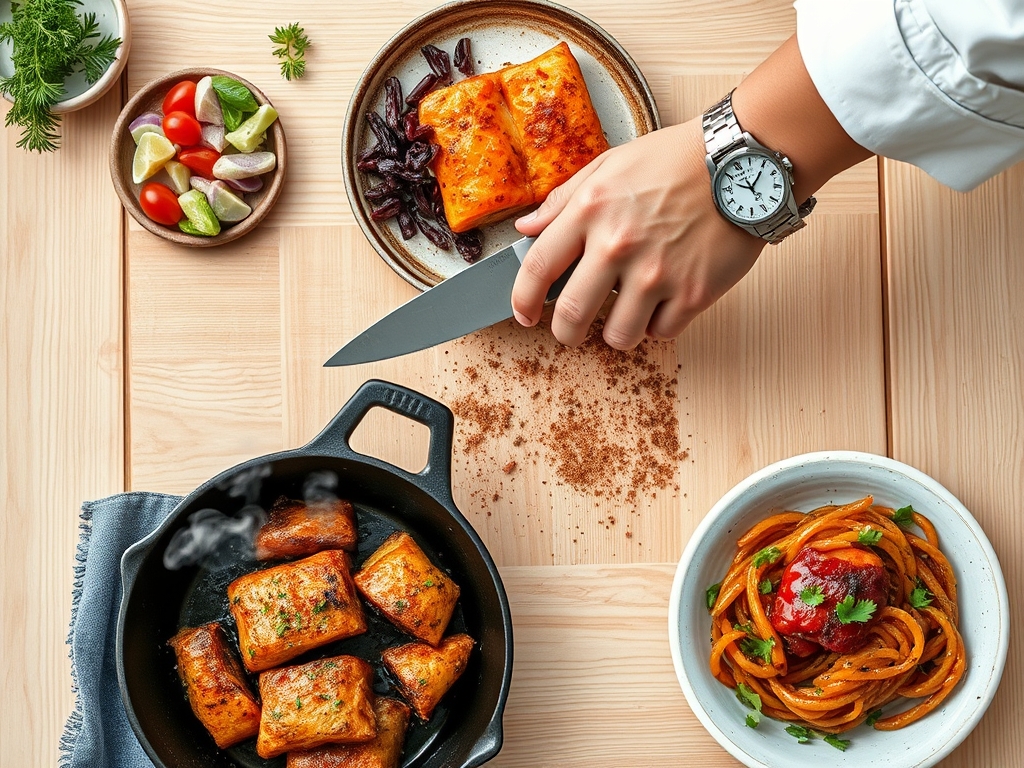
Start by patting your salmon completely dry with paper towels. Any residual moisture on the skin or surface will create steam, preventing the glaze from adhering and the skin from crisping. Use a bench scraper to gently clear any remaining scales if you are working with a skin-on fillet.
Pro Tip: This is about surface tension. Removing moisture allows the fats in the marinade to form a seamless bond with the fish proteins, ensuring the glaze does not slide off during the initial stages of cooking.
2. The Emulsification
In a small saucier or bowl, whisk together your soy, honey, grated ginger, garlic, and sesame oil. You want to vigorously whisk until the oil and soy are temporarily emulsified. This ensures every square inch of the fish gets an equal distribution of fat and flavor.
Pro Tip: Emulsification prevents the oil from separating in the oven. When the fats and sugars stay bonded, they create a protective barrier that locks in the internal juices of the salmon.
3. The Cold Marinate
Place the salmon in a shallow dish and pour over two-thirds of the glaze. Let it sit in the refrigerator for 20 minutes. Do not over-marinate; the acid and salt in the soy will eventually start to "cook" the fish, changing the texture to something more like ceviche if left too long.
Pro Tip: This is the osmosis phase. Salt moves into the cells of the fish, which actually helps the protein strands hold onto water during the high-heat bake, resulting in a juicier final product.
4. The High-Heat Roast
Place the salmon on a parchment-lined baking sheet. Roast at 400 degrees Fahrenheit. Halfway through, use a silicone brush to apply the remaining third of the glaze. This creates layers of flavor and a glossy, professional finish.
Pro Tip: Watch for the Albumin release. Those little white beads are proteins pushing out. If you see too many, you are overcooking the fish. Pull it out just before it looks "done" to account for thermal carryover.
5. The Broil Finish
Switch your oven to the broil setting for the final 60 to 90 seconds. Stay right there and watch it. You want the sugars in the honey to bubble and darken into a deep mahogany brown. This is where the Maillard reaction reaches its peak.
Pro Tip: This intense burst of radiant heat creates enzymatic browning, which adds complex, savory notes that you simply cannot get from standard baking alone.
6. The Rest
Remove the salmon from the oven and let it rest for 5 minutes before slicing. Use a wide fish spatula to move the fillet to a serving platter to keep the delicate structure intact.
Pro Tip: Resting allows the internal temperature to stabilize and the juices to redistribute. If you cut into it immediately, the moisture will leak out, leaving the flakes dry.
The Deep Dive:
From a nutritional standpoint, this dish is a powerhouse. A standard 6-ounce serving provides roughly 34 grams of high-quality protein and is rich in Omega-3 fatty acids, which are essential for heart health. The glycemic load is relatively low, especially if you use a natural sweetener like honey.
For dietary swaps, this recipe is naturally gluten-free if you use Tamari instead of soy sauce. For a Keto version, swap the honey for a monk fruit sweetener. If you are looking for a vegan alternative, this same marinade works wonders on thick slabs of "Tofu Steaks" or even roasted cauliflower wedges.
The Fix-It: If your salmon comes out dry, you likely missed the window for thermal carryover; next time, pull it when the internal temp hits 125 degrees. If the glaze is too runny, you may not have patted the fish dry enough. If the skin is soggy, try starting the salmon in a heavy-bottomed skillet on the stovetop to crisp the skin before transferring it to the oven.
Meal Prep: To reheat without losing quality, avoid the microwave. Instead, place the salmon in a covered pan with a splash of water or broth over low heat. This "steams" the fish back to temperature, preserving the delicate fats and preventing a fishy aroma.
The Wrap-Up:
Mastering baked salmon recipes hawaii is about respecting the ingredients and understanding the physics of the oven. By focusing on moisture control and the chemistry of the glaze, you transform a simple piece of seafood into a tropical masterpiece. It is bright, it is savory, and it is exactly what your dinner table needs. Now, get into that kitchen and start whisking; your perfect island meal is only twenty minutes away!
The Kitchen Table:
How do I know when the salmon is perfectly cooked?
The salmon is done when it flakes easily with a fork and reaches an internal temperature of 125 to 130 degrees Fahrenheit. It should look slightly translucent in the very center, as carryover heat will finish the process during resting.
Can I use frozen salmon for this recipe?
Yes, but ensure it is completely thawed and patted dry. Frozen fish often releases more moisture, so you may need to increase the initial roasting time by two minutes to ensure the surface achieves the proper sear and glaze adhesion.
What is the best way to get crispy skin?
For the crispiest skin, start the salmon skin-side down in a preheated, oiled cast iron skillet for three minutes. Once the skin is set and golden, transfer the entire skillet into the oven to finish the baking process.
Why is my salmon releasing white stuff?
That white substance is albumin, a harmless protein that solidifies as the fish cooks. While safe to eat, it usually indicates the salmon is being cooked too fast or too long. Lowering the oven temperature slightly can help minimize this.