
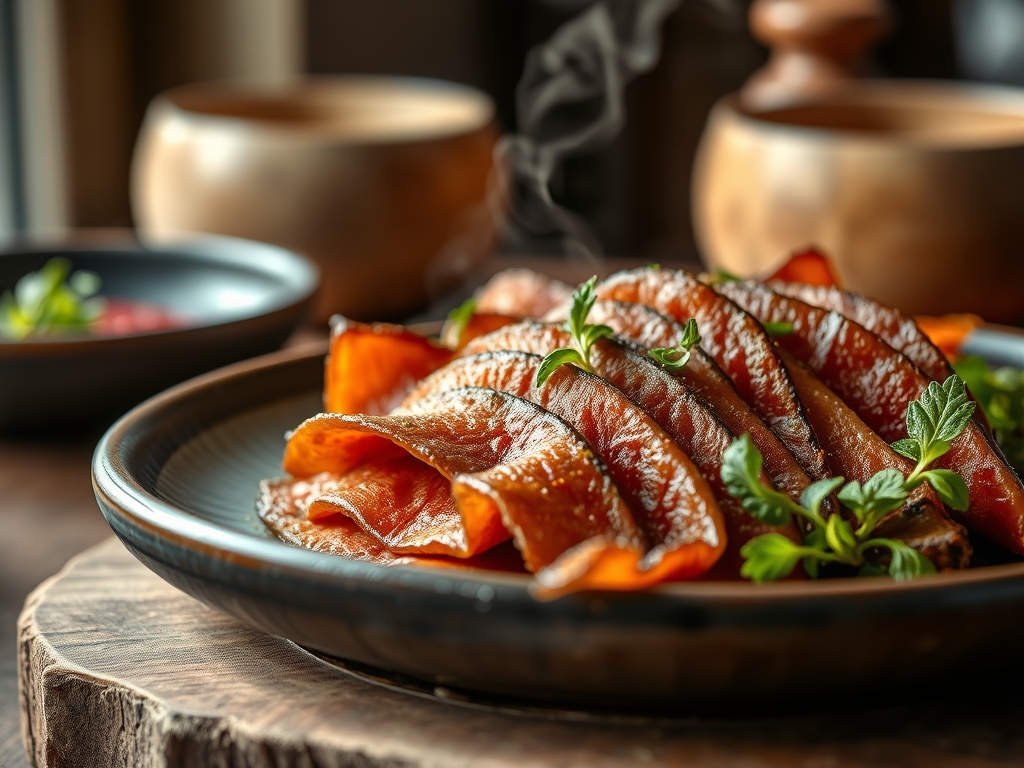
The scent of searing protein is a chemical siren song. When that cold, marbled surface hits a screaming hot heavy-bottomed skillet, you are not just cooking; you are conducting a symphony of the Maillard reaction. Finding reliable thin sliced beef recipes for dinner is the ultimate kitchen hack for the time-starved epicurean who refuses to compromise on flavor. Thinly shaved ribeye or flank steak offers a massive surface-area-to-volume ratio, which means more crust, more caramelization, and a lightning-fast transition from raw to radiant.
Imagine the sizzle as the moisture evaporates instantly, leaving behind a piquant, savory crust that clings to every fiber. We are moving beyond the basic stir-fry. We are talking about delicate Philly cheesesteak bowls, ginger-soy negimaki, and velvety stroganoff that comes together in the time it takes to boil water. Because the meat is sliced against the grain to a thickness of mere millimeters, the muscle fibers are already physically broken down. This ensures every bite is tender without the need for a four-hour braise. It is efficiency meeting artistry in a cast-iron pan.
The Gathers:
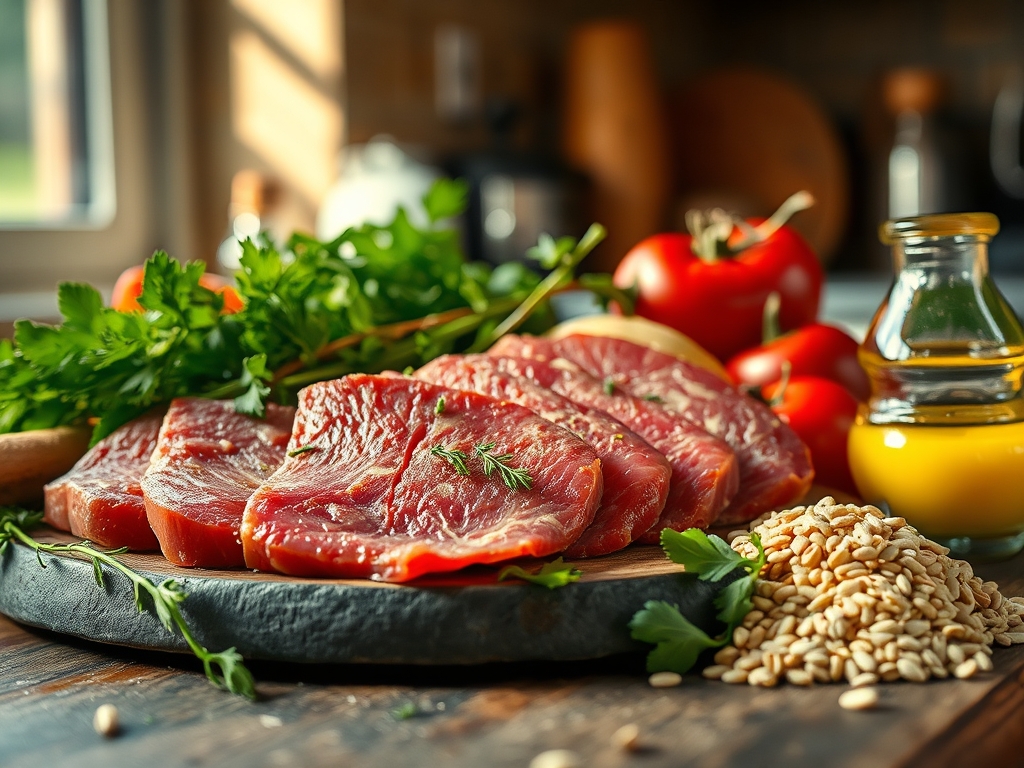
To master these thin sliced beef recipes for dinner, your mise-en-place must be surgical. Start with high-quality beef; look for Choice or Prime grades where the intramuscular fat (marbling) is visible. If you are slicing it yourself, freeze the sub-primal cut for forty-five minutes to firm up the lipids. This allows your chef's knife to glide through the fibers with microscopic precision.
You will need a high-smoke-point lipid like avocado oil or clarified butter (ghee) to prevent the fats from breaking down and turning acrid at high temperatures. Aromatics are non-negotiable. Gather fresh ginger, cloves of garlic, and scallions. For the sauces, keep a bottle of aged soy sauce, toasted sesame oil, and a splash of mirin or dry sherry to deglaze the pan.
Smart Substitutions: If you are avoiding soy, coconut aminos offer a similar umami profile with a lower glycemic index. For those seeking a leaner profile, top round or eye of round works beautifully, provided you use a velvetizing technique. This involves coating the beef in a slurry of cornstarch and egg white to create a protective barrier that locks in moisture during the high-heat sear.
The Clock
Efficiency in the kitchen is about the "Chef's Flow." For these thin sliced beef recipes for dinner, the actual thermal application (cooking) takes less than five minutes. However, the preparation is where the magic happens. Allocate fifteen minutes for the precision slicing and another ten for the vegetable prep.
The total active time for any of these six dishes is approximately twenty-five minutes. The goal is to have your starch (rice, noodles, or crusty bread) finishing exactly as the beef reaches its peak temperature. Because thin beef has zero thermal mass, it cools rapidly. You must serve immediately to maintain the viscous consistency of the pan sauce and the structural integrity of the sear.
The Masterclass
1. The High-Heat Sear
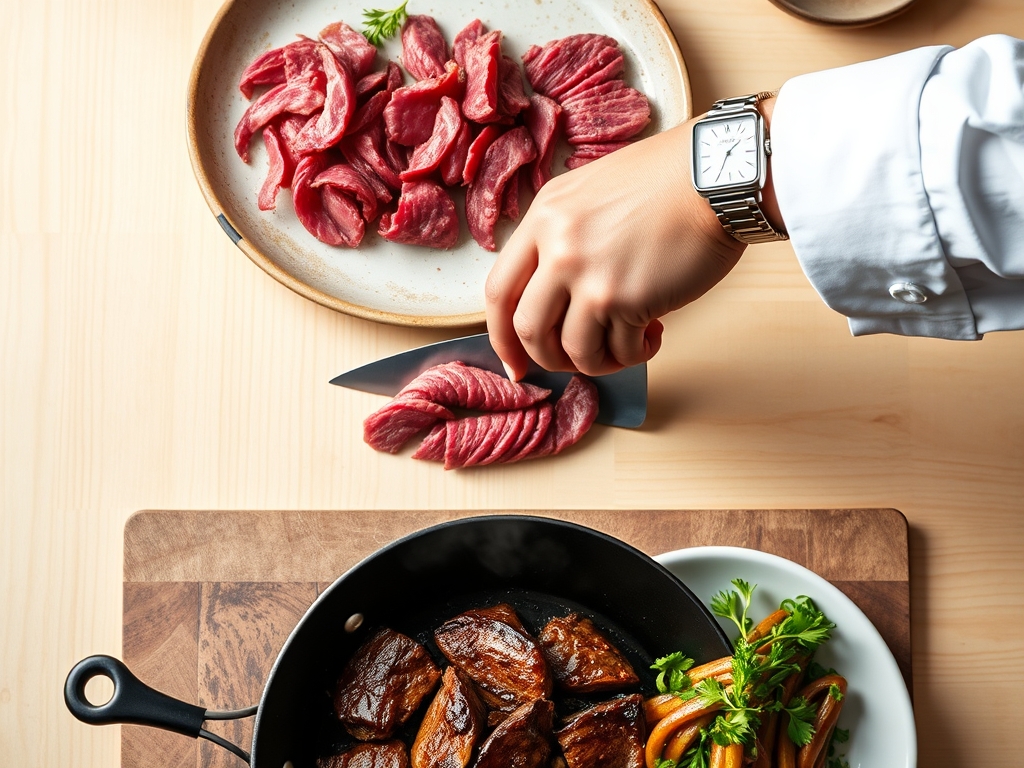
Pat your beef dry with paper towels to remove surface moisture. Use your tongs to lay the strips in a single layer in a preheated heavy-bottomed skillet. Do not overcrowd the pan, or the temperature will drop and the meat will steam rather than sear.
Pro Tip: This step relies on the Maillard Reaction. By removing surface moisture, you ensure the energy of the pan goes directly into browning the proteins and sugars rather than boiling away water.
2. Deglazing the Fond
Once the beef is browned, remove it and look at the brown bits stuck to the pan. This is called the fond. Pour in your liquid (broth, wine, or vinegar) and use a wooden spoon or bench scraper to lift those flavorful particles back into the sauce.
Pro Tip: Deglazing uses solvent extraction to incorporate caramelized proteins into your sauce, creating a complex, layered flavor profile that cannot be replicated with salt alone.
3. Emulsifying the Sauce
Lower the heat and whisk in a cold pat of butter or a cornstarch slurry. Use a saucier if you are making a larger batch to ensure even heat distribution. Stir constantly until the sauce coats the back of a spoon.
Pro Tip: This is emulsification. By introducing a fat or starch, you are creating a stable suspension of liquids that provides a luxurious, "lip-smacking" mouthfeel.
4. The Final Infusion
Return the beef to the pan along with your fresh herbs and aromatics. Toss quickly to coat every strip in the shimmering sauce. Do not let it sit on the heat for more than sixty seconds.
Pro Tip: We are managing thermal carryover. Even after the beef leaves the pan, its internal temperature will rise by 2-5 degrees. Pulling it early prevents the meat from becoming rubbery.
5. Aerating the Garnish
Finish the dish with a zest of citrus using a microplane or a sprinkle of toasted sesame seeds. This adds a bright, volatile top note to the heavy, savory base.
Pro Tip: Aromatics are volatile organic compounds. Adding them at the very end ensures they hit the nose of your guests before they dissipate into the air.
6. Resting and Serving
Transfer the beef to a warmed platter. Resting thin beef is less about juice redistribution and more about allowing the sauce to set and adhere to the protein.
Pro Tip: As the temperature drops slightly, the sauce becomes more viscous, ensuring it stays on the beef rather than pooling at the bottom of the plate.
The Deep Dive
From a macro perspective, thin sliced beef is a protein powerhouse. A four-ounce serving provides roughly 25 grams of protein and is rich in heme iron and B12. To keep it Keto, swap the sugar in marinades for monk fruit and serve over riced cauliflower. For a Vegan alternative, use shaved king oyster mushrooms, which mimic the fibrous texture of beef when seared.
The Fix-It:
- Tough Beef: You likely sliced with the grain. Next time, look for the parallel lines of muscle and cut perpendicular to them.
- Grey Meat: The pan wasn't hot enough or you overcrowded it. Cook in smaller batches to maintain a high temperature.
- Salty Sauce: You over-reduced the liquid. Fix this by adding a splash of water or a squeeze of lime juice to balance the sodium with acidity.
Meal Prep: To reheat, avoid the microwave, which vibrates water molecules and toughens the protein. Instead, flash-sear the leftovers in a hot pan for sixty seconds with a tablespoon of water to create steam and restore moisture.
The Wrap-Up
Mastering thin sliced beef recipes for dinner transforms your kitchen into a high-speed culinary studio. By understanding the science of the sear and the importance of the fond, you can create restaurant-quality meals in under half an hour. It is about confidence, heat management, and the right tools. Now, grab those tongs and let the Maillard magic begin!
The Kitchen Table
What is the best cut for thin sliced beef?
Ribeye, flank steak, or top sirloin are ideal. They offer the perfect balance of tenderness and flavor. For the easiest slicing, freeze the meat for forty-five minutes before using a sharp chef's knife to cut against the grain.
How do I make thin beef tender?
Use a technique called "velvetizing." Coat the sliced beef in a mixture of cornstarch, egg white, and a splash of oil for twenty minutes before searing. This creates a protective barrier that prevents the protein fibers from tightening and toughening.
Can I cook thin beef from frozen?
It is not recommended. Frozen beef releases too much moisture as it thaws in the pan, which leads to steaming rather than searing. For the best Maillard reaction and flavor, ensure the beef is fully thawed and patted dry.
Why is my stir-fry beef watery?
This happens when the pan temperature drops too low or the meat is overcrowded. The beef "stews" in its own juices instead of browning. Cook in small batches over high heat and ensure the pan is smoking hot before adding meat.