
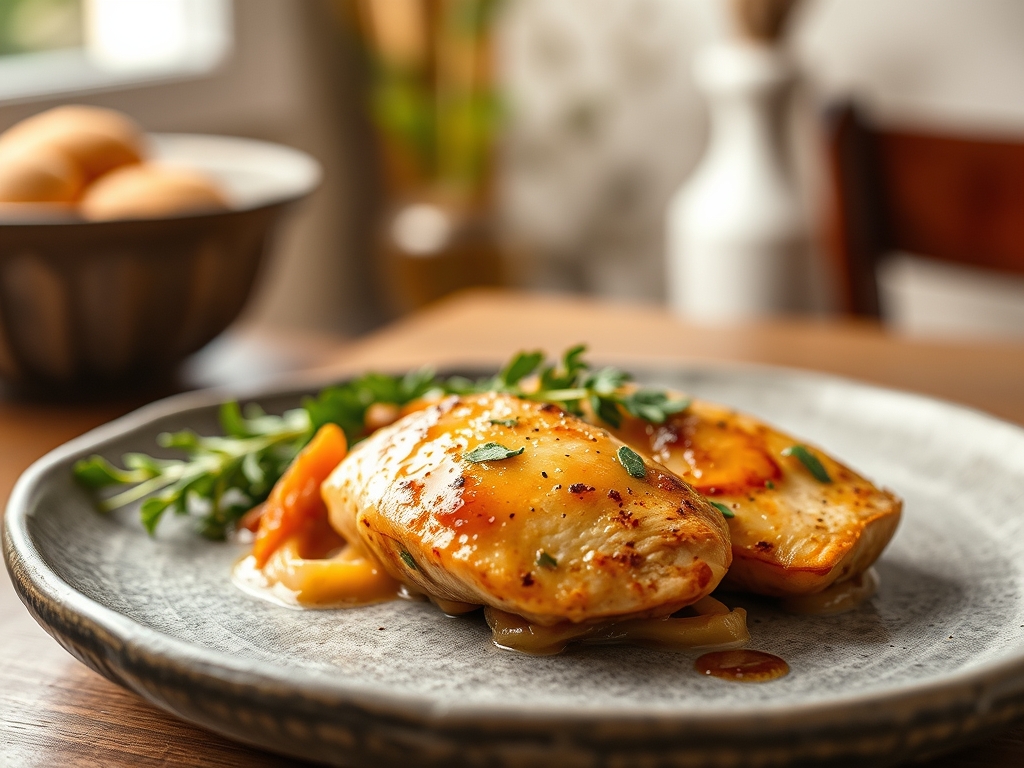
Picture the sharp hiss of a heavy-bottomed skillet meeting cold fat; that is the sound of flavor under construction. We are moving beyond the era of dry, uninspired poultry to embrace the scientific beauty of low carb chicken recipes dinner. By mastering heat transfer and moisture retention, you can transform lean protein into a weeknight masterpiece that feels like a decadent indulgence.
The secret lies in the chemistry of the sear. When we talk about low carb chicken recipes dinner, we are really talking about the Maillard reaction. This is the chemical dance between amino acids and reducing sugars that creates that golden, savory crust we crave. It is not just about cutting carbs; it is about maximizing the sensory output of every single ingredient in your pantry. We are going to use high-density fats and piquant aromatics to ensure that "healthy" never translates to "boring."
Forget the bland poached breasts of the past. We are diving into a world where crispy skin, velvety pan sauces, and vibrant vegetables take center stage. Whether you are a seasoned home cook or a kitchen novice, these seven foundational methods will turn your kitchen into a high-performance culinary lab. Let us get the mise-en-place ready and turn up the heat.
The Gathers:
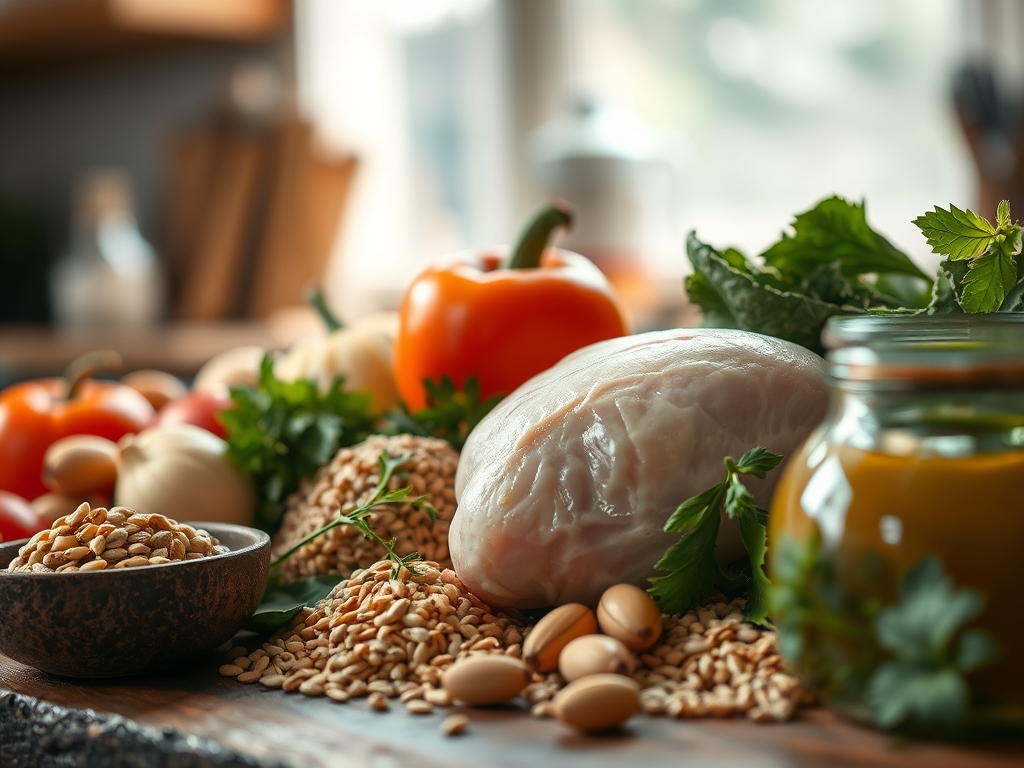
To execute these low carb chicken recipes dinner flawlessly, your workstation must be organized with surgical precision. Start with your protein: organic, air-chilled chicken thighs or breasts. Air-chilling is superior because the meat has not absorbed excess water; this allows for a more efficient sear and prevents the dreaded "steaming" effect in the pan. You will need a high-quality fat with a high smoke point, such as avocado oil or clarified butter (ghee), to withstand the thermal intensity required for browning.
Next, gather your aromatics. Fresh garlic, shallots, and ginger provide the volatile compounds that infuse the oil with deep flavor. Use a microplane to grate your aromatics into a fine paste; this increases the surface area and allows the flavors to integrate into your sauces more effectively. For acidity, keep lemons and apple cider vinegar nearby. Acidity acts as a chemical brightener, cutting through the richness of the fats and balancing the overall profile of the dish.
Smart Substitutions:
Instead of flour-based thickeners, we utilize the power of reduction or the addition of xanthan gum. Xanthan gum is a powerful stabilizer; a tiny pinch can make a watery broth become viscous and cling to your chicken. Swap traditional pasta for zoodles or spaghetti squash, which provide a neutral base and excellent fiber without the glycemic load. If a recipe calls for breading, crushed pork rinds or almond flour mixed with parmesan cheese create a crunch that rivals any panko crust.
The Clock
Efficiency in the kitchen is about "Chef's Flow." This means performing tasks in an order that minimizes downtime. Total active prep time for these meals averages twenty minutes, with cook times ranging from twelve to thirty minutes depending on the cut of meat.
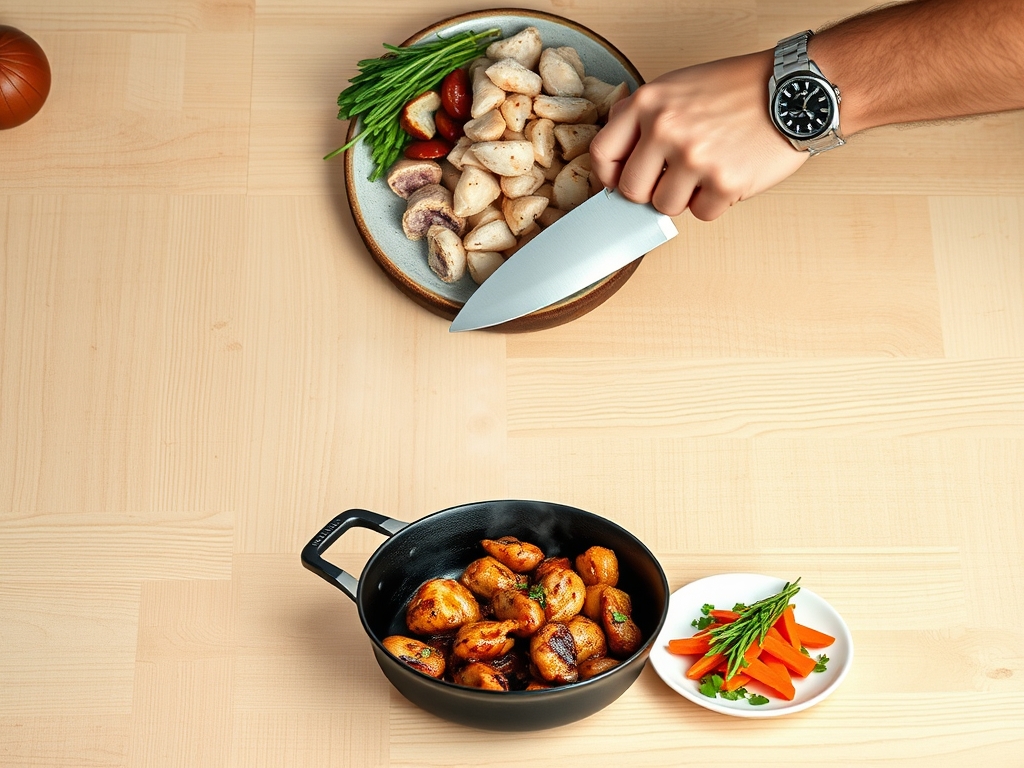
Start by tempering your chicken; take it out of the refrigerator fifteen minutes before cooking. Cold meat hits a hot pan and causes the muscle fibers to contract violently, squeezing out moisture. By letting it come closer to room temperature, you ensure even heat distribution. While the meat tempers, use a bench scraper to organize your chopped vegetables. This tool is essential for moving large volumes of produce from the cutting board to the pan without losing a single drop of juice.
The Masterclass
1. The Perfect Sear
Pat the chicken bone-dry with paper towels. Moisture is the enemy of the Maillard reaction. Heat your heavy-bottomed skillet until the oil shimmers. Place the chicken skin-side down and do not touch it for at least five minutes.
Pro Tip: This is called protein denaturation. If you try to flip the meat and it sticks, the chemical bonds have not yet released. Wait for the meat to "self-release" to ensure a perfect crust.
2. Deglazing the Fond
Once the chicken is removed, you will see brown bits stuck to the bottom of the pan. This is "fond," and it is concentrated flavor. Pour in a splash of dry white wine or chicken stock and use a wooden spoon to scrape it up.
Pro Tip: This process is an aqueous extraction of flavor. The liquid dissolves the caramelized proteins, creating the base for a world-class pan sauce without needing starch.
3. Emulsifying the Sauce
Lower the heat and whisk in cold butter or heavy cream. Use a saucier if you have one, as its rounded bottom prevents ingredients from scorching in the corners.
Pro Tip: This creates a fat-in-water emulsion. Adding cold fat to a warm liquid while whisking vigorously prevents the sauce from breaking, resulting in a silky, glossy finish.
4. Controlled Roasting
For thicker cuts, transfer the skillet to a preheated oven. Use a digital scale to ensure your portions are consistent, which leads to predictable cook times.
Pro Tip: Monitor the internal temperature. Thermal carryover means the chicken will continue to rise by about five degrees after you remove it from the heat. Pull it at 160 degrees Fahrenheit for a final result of 165.
5. Infusing Aromatics
Add woody herbs like rosemary or thyme during the final minutes of cooking. Use tongs to baste the chicken with the infused fat.
Pro Tip: Many flavor compounds in herbs are fat-soluble. By basting the chicken in herb-infused butter, you are driving those aromatic oils deep into the meat.
6. Resting the Protein
Transfer the chicken to a warm plate and tent it loosely with foil. Let it rest for at least seven minutes before slicing.
Pro Tip: Resting allows the internal pressure to stabilize. This ensures that the juices stay within the muscle fibers rather than flooding the cutting board, maintaining a succulent texture.
7. Aerating the Garnish
Finish the dish with a sprinkle of fresh parsley or a squeeze of lime.
Pro Tip: Fresh garnishes provide enzymatic brightness. The raw enzymes in fresh greens provide a sharp contrast to the cooked fats, waking up the palate and enhancing the overall complexity.
The Deep Dive
From a macro perspective, these low carb chicken recipes dinner are designed to be high-protein and moderate-fat. A standard serving provides approximately 35g of protein, 15g of fat, and under 6g of net carbs. This ratio is ideal for maintaining muscle mass while staying in a fat-burning state.
Dietary Swaps:
For a vegan twist, sub the chicken for extra-firm tofu or tempeh, but ensure you press the moisture out first to achieve a similar sear. For Keto enthusiasts, increase the fat content by adding a dollop of pesto or an extra tablespoon of grass-fed butter to the sauce. All recipes are naturally gluten-free as long as you use tamari instead of soy sauce.
The Fix-It:
- Rubbery Chicken: This usually happens from overcooking. Invest in an instant-read thermometer to stop the cooking process at exactly the right moment.
- Broken Sauce: If your cream sauce separates, it likely got too hot. Add a teaspoon of heavy cream and whisk violently off the heat to re-emulsify.
- Bland Flavor: You likely forgot to season in layers. Salt your chicken before cooking, and salt your sauce at the end. Salt is a flavor enhancer that reduces the perception of bitterness.
Meal Prep:
When reheating, avoid the microwave if possible. The microwave agitates water molecules, often leading to a "rubbery" texture. Instead, reheat in a covered skillet over low heat with a tablespoon of water to create steam. This gently re-hydrates the protein without overcooking the exterior.
The Wrap-Up
Mastering low carb chicken recipes dinner is about more than just following a list of ingredients; it is about understanding the physics of your kitchen. When you focus on the science of the sear and the chemistry of the sauce, you unlock a level of flavor that makes healthy eating feel like a luxury. These seven methods provide a roadmap for endless variations. Go forth, use your tools with confidence, and remember that the best meals are the ones where you understand exactly why they taste so good.
The Kitchen Table
How do I keep chicken breast from drying out?
Always use a digital thermometer to pull the chicken at 160 degrees. Let it rest for five to ten minutes. This allows the fibers to reabsorb juices, ensuring a succulent and moist result every single time.
Can I use frozen chicken for these recipes?
Yes, but you must thaw it completely in the refrigerator first. Pat it extremely dry before cooking. Frozen chicken often releases more moisture, so you may need to sear it in smaller batches to avoid steaming.
What is the best oil for searing chicken?
Use oils with high smoke points like avocado oil or ghee. These fats can withstand the high temperatures needed for the Maillard reaction without breaking down or creating off-flavors, ensuring a perfect, golden-brown crust on your protein.
How do I make a low-carb sauce thicker?
Instead of flour, use a reduction technique to evaporate water and concentrate flavors. Alternatively, whisk in a tiny pinch of xanthan gum or add heavy cream and cold butter at the end to create a rich, viscous emulsion.