
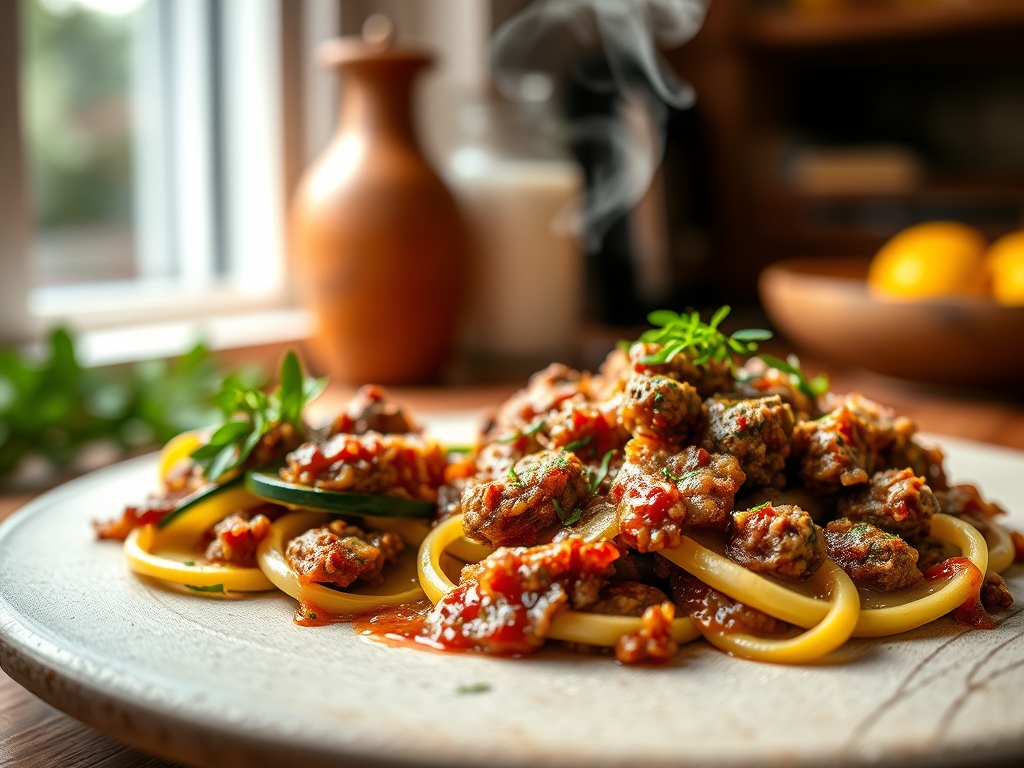
Picture a kitchen filled with the scent of toasted garlic and savory fat. You are standing over a sizzling pan where emerald rounds of squash meet deeply browned protein. When you search for italian zucchini and ground beef recipes; you are usually looking for a weeknight miracle. This dish is that miracle; blending high-speed technique with sophisticated molecular chemistry.
The magic happens when the water-heavy zucchini meets the high-heat sear of the beef. We are not just making dinner; we are managing moisture and maximizing the Maillard reaction. This recipe serves eight hungry people; making it the ultimate tool for Sunday meal prep or a large family gathering. It is rustic; it is elegant; and it is scientifically designed to prevent the dreaded "soggy squash" syndrome. By the time we are done; you will understand how to manipulate heat to create a sauce that is viscous and clinging rather than watery and thin. Let us transform these humble garden staples into a masterpiece of Italian-inspired comfort.
The Gathers:
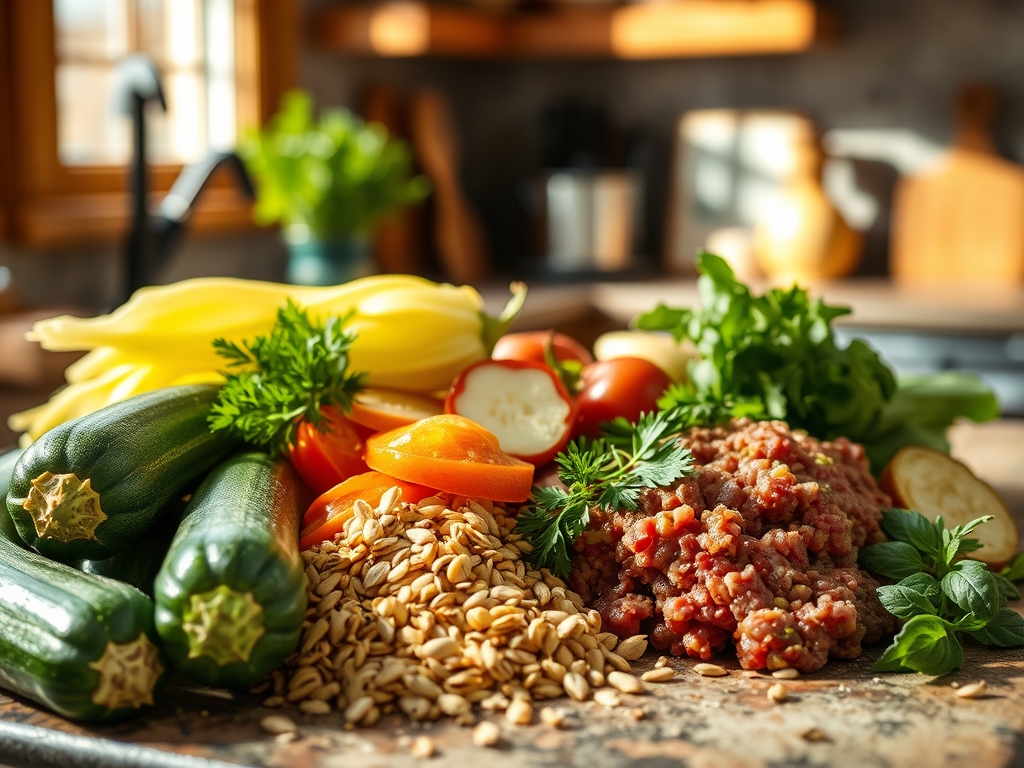
To achieve professional results; your mise-en-place must be precise. Gather 2 pounds of 85/15 ground chuck. This specific fat ratio is vital; the 15 percent fat provides the lipids necessary to infuse the zucchini with flavor without making the dish greasy. You will need 6 medium zucchinis; roughly 3 pounds; sliced into half-moons using a sharp chef knife or a mandoline for uniform thickness.
For the aromatic base; grab 1 large yellow onion and 4 cloves of garlic. We will use a microplane to grate the garlic; which breaks the cell walls more effectively than chopping; releasing more pungent allicin. You also need 28 ounces of crushed San Marzano tomatoes; 2 tablespoons of tomato paste for umami depth; and a handful of fresh basil.
Smart Substitutions: If you want to lean into a lighter profile; swap the beef for ground turkey; but add a teaspoon of Worcestershire sauce to mimic the beefy depth. For those avoiding nightshades; replace the tomato base with a splash of beef bone broth and a squeeze of lemon to maintain acidity. Always use a digital scale for your spices; 2 teaspoons of dried oregano and 1 teaspoon of red pepper flakes provide the piquant kick that defines this profile.
The Clock:
Efficiency in the kitchen is about "Chef's Flow." This is the sequence of operations that ensures no heat is wasted. Your total active time is 15 minutes; with a total cook time of 25 minutes.
The flow begins with the render phase. While the beef is browning in your heavy-bottomed skillet; you should be slicing your zucchini. Never prep the squash too early; once cut; the enzymes begin to break down the pectin; leading to a softer texture. By the time the beef has developed a crust; your aromatics should be ready to hit the pan. This overlapping schedule ensures that the residual heat of the pan is always being utilized; moving you from raw ingredients to a plated meal in under 40 minutes.
The Masterclass:
1. The Maillard Foundation
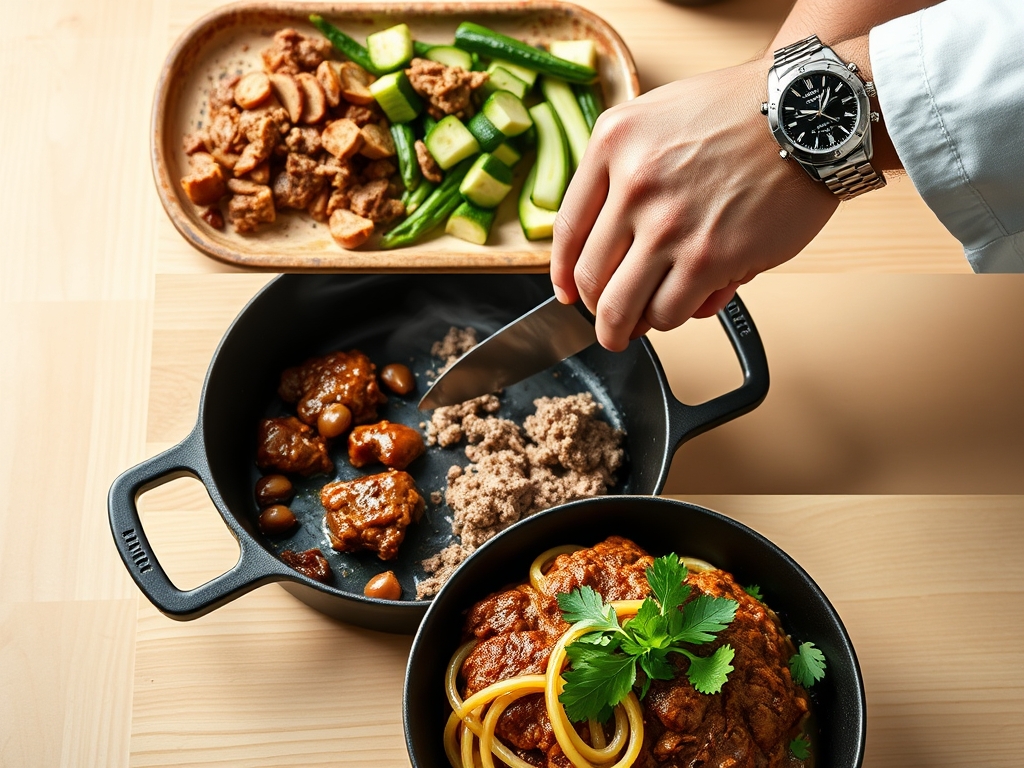
Set your skillet over medium-high heat. Add a tablespoon of high-smoke-point oil and crumble the beef into the pan. Use a bench scraper or a sturdy wooden spoon to break the meat into small; uniform crumbles. Do not stir constantly. Let the meat sit undisturbed for 3 minutes to develop a dark brown crust.
Pro Tip: This is the Maillard reaction; a chemical reaction between amino acids and reducing sugars that creates hundreds of different flavor compounds. If you stir too often; you drop the pan temperature and steam the meat instead of searing it.
2. Aromatic Infusion
Once the beef is browned; push it to the perimeter of the skillet. Add the diced onions to the center. Use the moisture from the onions to deglaze the bottom of the pan; scraping up the flavorful brown bits (the fond). Add the grated garlic and tomato paste during the last 60 seconds.
Pro Tip: Searing the tomato paste (a technique called pinçage) caramelizes the natural sugars and removes the "tinny" metallic taste often found in canned products.
3. Managing the Squash
Add the zucchini half-moons to the skillet. Toss them with tongs to ensure every piece is coated in the rendered beef fat. This fat acts as a thermal conductor; ensuring the squash cooks evenly without releasing all its internal water simultaneously.
Pro Tip: Zucchini is 95 percent water. By coating the exterior in fat; you create a hydrophobic barrier that helps the squash retain its structural integrity during the short simmer.
4. The Sauce Emulsification
Pour in the crushed tomatoes and dried herbs. Lower the heat to medium. Simmer for 8 to 10 minutes; or until the zucchini is fork-tender but still has a slight "snap." Stir in the fresh basil at the very end.
Pro Tip: As the tomato acid interacts with the fats and proteins; the sauce begins to emulsify. This creates a silky texture that clings to the zucchini rather than pooling at the bottom of the bowl.
The Deep Dive:
Each serving of this skillet provides approximately 320 calories; 24g of protein; 12g of carbohydrates; and 18g of fat. It is a nutritional powerhouse; rich in Vitamin A from the squash and Lycopene from the cooked tomatoes.
Dietary Swaps: To make this Keto; ensure your tomato sauce has no added sugars and top with a heavy hand of Pecorino Romano. For a Vegan version; substitute the beef with textured vegetable protein (TVP) or lentils; adding a dash of liquid smoke to replicate the savory profile. This recipe is naturally Gluten-Free; provided your spices are pure.
The Fix-It:
- Too Watery: If your skillet looks like soup; remove the lid and crank the heat for 3 minutes. This facilitates rapid evaporation.
- Bland Flavor: You likely need more acid. A teaspoon of balsamic vinegar or a squeeze of lemon will brighten the heavy fats.
- Burnt Garlic: If the garlic turns bitter; you cannot save it. Scrape the pan and start the aromatic step over; garlic should only hit the heat for 30 to 60 seconds.
Meal Prep Science: When reheating; avoid the microwave if possible. Use a saucier on the stovetop over low heat. Adding a tablespoon of water helps aerate the sauce and prevents the beef from becoming rubbery through thermal carryover.
The Wrap-Up:
This Italian zucchini and beef skillet is more than just a quick dinner; it is a masterclass in flavor layering and moisture control. By respecting the science of the sear and the timing of the squash; you have created a meal that is both healthy and deeply satisfying. Whether you are feeding a crowd or stocking your fridge for the week; this dish proves that simple ingredients; when treated with technical respect; result in extraordinary flavor.
The Kitchen Table:
Can I freeze this zucchini beef skillet?
Zucchini has a high water content; so freezing can make it mushy. For best results; freeze the beef and tomato base separately; then add fresh zucchini when you reheat the dish on the stovetop to maintain texture.
What is the best way to prevent soggy zucchini?
Salt the zucchini lightly 10 minutes before cooking and pat dry with paper towels. This draws out excess moisture. Additionally; ensure your skillet is hot enough to sear the exterior quickly rather than boiling the squash in its own juices.
Which beef fat percentage is best for this recipe?
An 85/15 or 80/20 blend is ideal. The fat provides the necessary lubrication for the zucchini and carries the fat-soluble flavors of the dried herbs. Leaner blends like 93/7 often result in a dry; grainy mouthfeel in the final sauce.
Can I add other vegetables to this skillet?
Absolutely. Bell peppers or mushrooms work beautifully. Add them during the aromatic phase with the onions. This ensures they have enough time to soften and release their sugars before the moisture-heavy zucchini and tomatoes are added to the pan.