
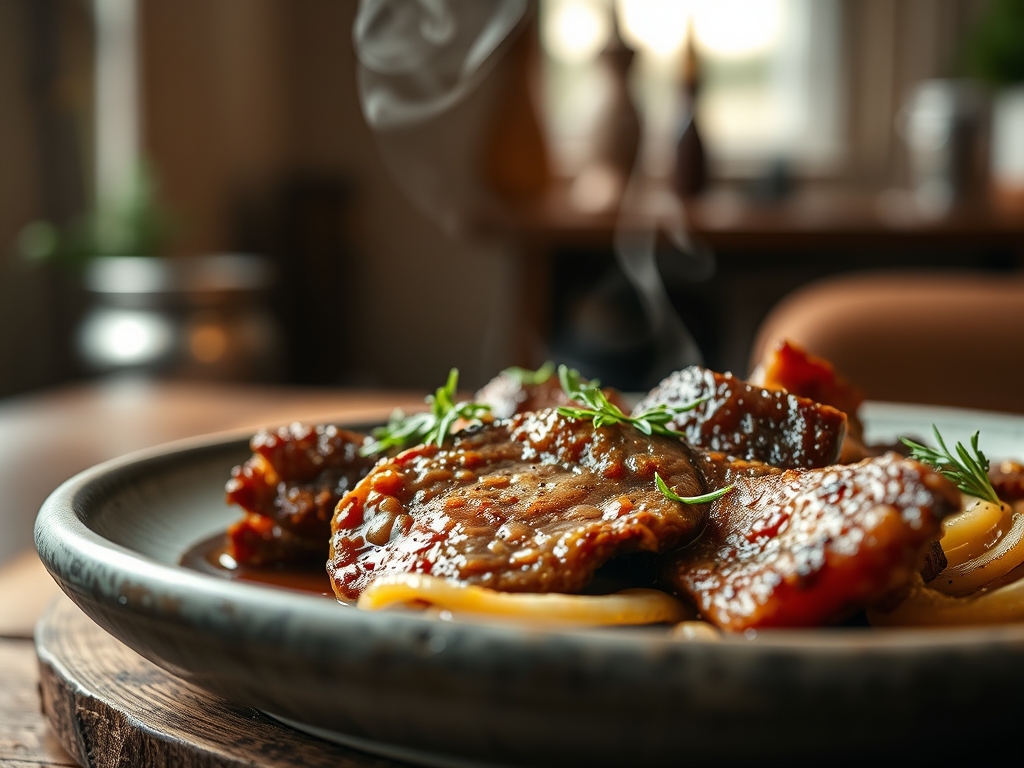
The air carries a heavy, intoxicating perfume of hickory smoke and rendered fat; it is the unmistakable scent of a weekend well spent. When you master the art of the wood fire, your backyard transforms into the best steakhouse in the city. Navigating the world of traeger beef recipes requires more than just a high quality cut of meat; it demands an intimate understanding of thermodynamics and the Maillard reaction. We are not just cooking dinner tonight. We are orchestrating a chemical transformation that turns tough muscle fibers into buttery, melt in your mouth perfection. Grab your apron and a cold drink, because we are about to dive deep into the molecular magic that makes a Traeger steak legendary.
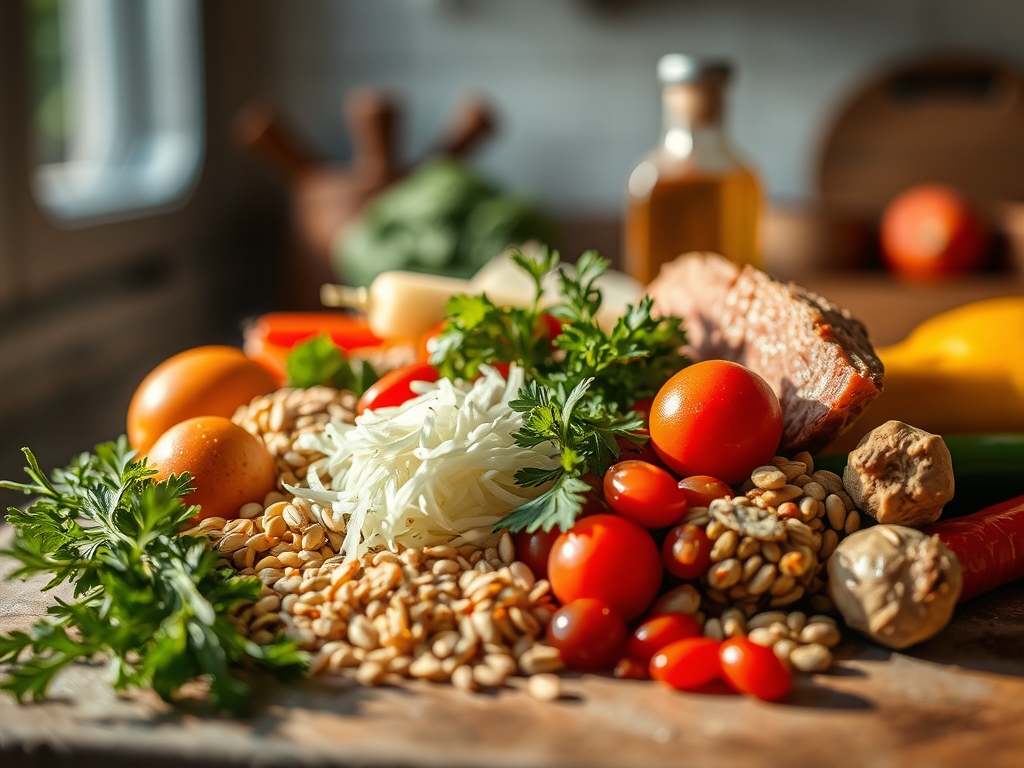
The Gathers:
To achieve a world class result, your mise-en-place must be precise. Start with a thick cut Ribeye or New York Strip, ideally at least 1.5 inches thick to allow for a proper temperature gradient. You will need high quality kosher salt; its coarse grains are essential for denaturing proteins on the surface to create a dry brine. For the aromatics, gather fresh rosemary, thyme, and a head of garlic. You will also need high smoke point fats like avocado oil or clarified butter (ghee) to facilitate the final sear without acrid smoke.
Smart Substitutions: If you lack fresh herbs, a high quality dry rub with a high sugar content can assist in caramelization, though you must monitor the temperature to prevent burning. If you are avoiding butter, use beef tallow for an even more intense, viscous mouthfeel that mimics the natural marbling of the steak. Ensure you have your digital scale ready to measure seasonings if you are following a specific ratio for a large crowd.
The Clock
Efficiency in the kitchen is all about the Chef's Flow. This is the sequence of operations that ensures nothing is rushed and the meat reaches its peak potential. Prep time takes approximately 45 minutes, most of which is passive time for the salt to penetrate the muscle fibers. The actual cook time on the Traeger will range from 45 to 60 minutes depending on your desired internal temperature. Finally, a mandatory 10 to 15 minute rest period is non-negotiable. Total time from fridge to table is roughly 2 hours. By syncing your side dishes to the resting phase, you ensure every component of the meal hits the plate at the optimal temperature.
The Masterclass
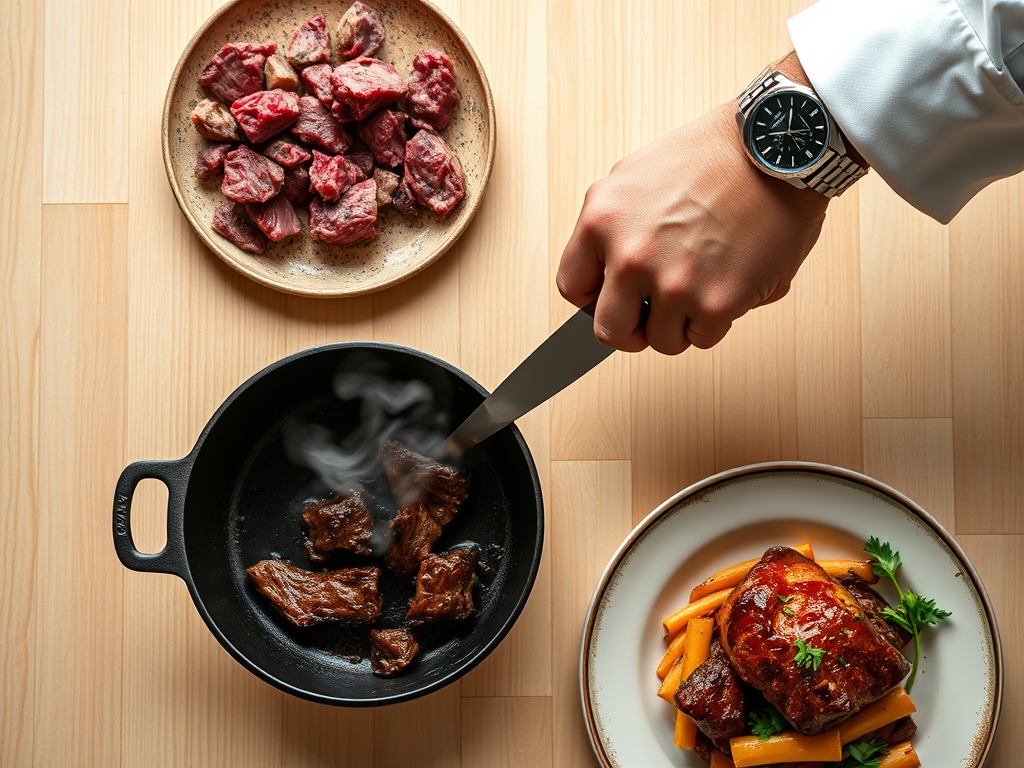
1. The Dry Brine Protocol
Generously coat your steaks in kosher salt at least 45 minutes before they hit the grill. Place them on a wire rack over a sheet pan to allow for 360 degree airflow. This process uses osmosis to draw moisture out, dissolve the salt, and then pull that seasoned brine back into the center of the meat.
Pro Tip: This technique creates a dry surface which is essential for the Maillard reaction. If the surface is wet, the energy of the grill is wasted evaporating water instead of browning the beef.
2. Tempering the Protein
Let your steaks sit at room temperature while the salt works its magic. Bringing the internal temperature up slightly before cooking ensures a more even cook from edge to edge, preventing that dreaded gray ring of overcooked meat.
Pro Tip: Tempering reduces the thermal shock the meat experiences when hitting the heat; this keeps the muscle fibers from contracting too violently and squeezing out precious juices.
3. Setting the Smoke Stage
Fire up your Traeger to 225 degrees Fahrenheit. Use a hardwood like oak or hickory for a robust profile. Place the steaks directly on the grate and insert a digital probe thermometer into the thickest part of the cut.
Pro Tip: Low and slow heat allows enzymatic tenderization to occur more effectively before the heat reaches levels that tighten the protein structures.
4. The Reverse Sear Strategy
Cook the steaks until they reach an internal temperature of 115 degrees Fahrenheit for medium rare. This is the "Reverse Sear" method, which is the gold standard for traeger beef recipes. It ensures the interior is perfectly pink while the exterior remains primed for a crust.
Pro Tip: By heating the meat slowly, you achieve a more uniform thermal distribution; this results in a steak that is juicy from the first bite to the last.
5. The High Heat Finish
Once the steaks hit 115 degrees, remove them and crank your Traeger to its highest setting, or preheat a heavy-bottomed skillet on a side burner. Sear the steaks for 60 to 90 seconds per side to develop a deep, mahogany crust.
Pro Tip: This final blast of heat triggers the Maillard reaction, where amino acids and reducing sugars create hundreds of different flavor compounds and that piquant aroma.
6. The Aromatic Baste
During the final minute of the sear, add a knob of butter, smashed garlic cloves, and fresh herbs to the pan or grill plate. Use a large spoon to infuse the hot fat over the meat.
Pro Tip: Fat is a flavor carrier. Basting with herb infused butter adds a layer of complex lipids that enhance the natural umami of the beef.
7. The Resting Ritual
Move the steaks to a warm wooden board. Do not tent them tightly with foil, as this can trap steam and soften the crust you just worked so hard to build. Let them rest for at least 10 minutes.
Pro Tip: Resting allows the internal pressure to normalize and the muscle fibers to relax; this ensures the juices stay within the meat rather than flooding your cutting board.
8. Slicing Against the Grain
Use a sharp carving knife or a bench scraper to stabilize the meat as you slice against the grain. This shortens the muscle fibers, making every bite feel significantly more tender.
Pro Tip: Slicing against the grain is a mechanical way to assist the mastication process, making even tougher cuts feel like prime tenderloin.
9. The Finishing Touch
Sprinkle a pinch of flaky sea salt (like Maldon) over the fresh slices. This provides a subtle crunch and a final pop of flavor that cuts through the richness of the fat.
Pro Tip: Flaky salt provides a tactile contrast to the soft texture of the meat, stimulating more sensory receptors on the tongue.
The Deep Dive
From a Macro Nutrition perspective, a high quality steak is a powerhouse of bioavailable protein, B vitamins, and zinc. A 6 ounce serving typically contains 40 to 50 grams of protein and varying levels of healthy fats depending on the cut.
Dietary Swaps: For a Keto friendly meal, serve with a side of asparagus sautéed in the rendered beef fat. For Vegan guests, use the same smoking technique on thick slabs of cauliflower or "lion's mane" mushrooms, using a miso based glaze to replicate the umami depth. All traeger beef recipes are naturally Gluten Free as long as your rubs do not contain anti caking agents with wheat derivatives.
The Fix-It:
- Gray Meat: If your steak looks gray, your sear wasn't hot enough. Next time, ensure the pan or grill is screaming hot before contact.
- Tough Texture: You likely skipped the rest. If juices flood the plate, the fibers didn't have time to reabsorb the moisture.
- Overpowered Smoke: If the smoke flavor is bitter, check your pellet quality or ensure your fire pot is clean. "Dirty smoke" is a common pitfall.
Meal Prep: To reheat a steak while maintaining "day one" quality, use a low oven (250 degrees) until it reaches 110 degrees internally. Avoid the microwave at all costs; it vibrates water molecules so violently that it toughens the protein structures and ruins the texture.
The Wrap-Up
You are now equipped with the scientific secrets to dominate the grill. Understanding the interplay between salt, heat, and time is what separates a backyard hobbyist from a true pitmaster. These traeger beef recipes are more than just instructions; they are a blueprint for culinary excellence. So, go ahead and fire up those pellets. Your perfectly seared, incredibly juicy masterpiece is only a few degrees away.
The Kitchen Table
How do I get a better crust on my Traeger steak?
Ensure the steak surface is bone dry before searing. Use the reverse sear method to slowly dehydrate the exterior, then finish on a high heat cast iron skillet or the Traeger's highest setting for maximum Maillard browning.
What is the best pellet flavor for beef?
Hickory, Oak, and Mesquite are the gold standards for beef. These hardwoods provide a robust, smoky profile that stands up to the intense flavor of red meat without being masked by the fat content.
Can I cook a frozen steak on a Traeger?
Yes, but for the best results, use the "reverse sear" method. Cooking from frozen can actually result in a more even interior, though you must monitor the internal temperature closely with a reliable digital probe.
Why is my steak tough even if it is medium rare?
Tenderness depends on the cut and how it was sliced. Always slice against the grain to break up long muscle fibers. Also, ensure you allowed the meat to rest for at least ten minutes after cooking.