
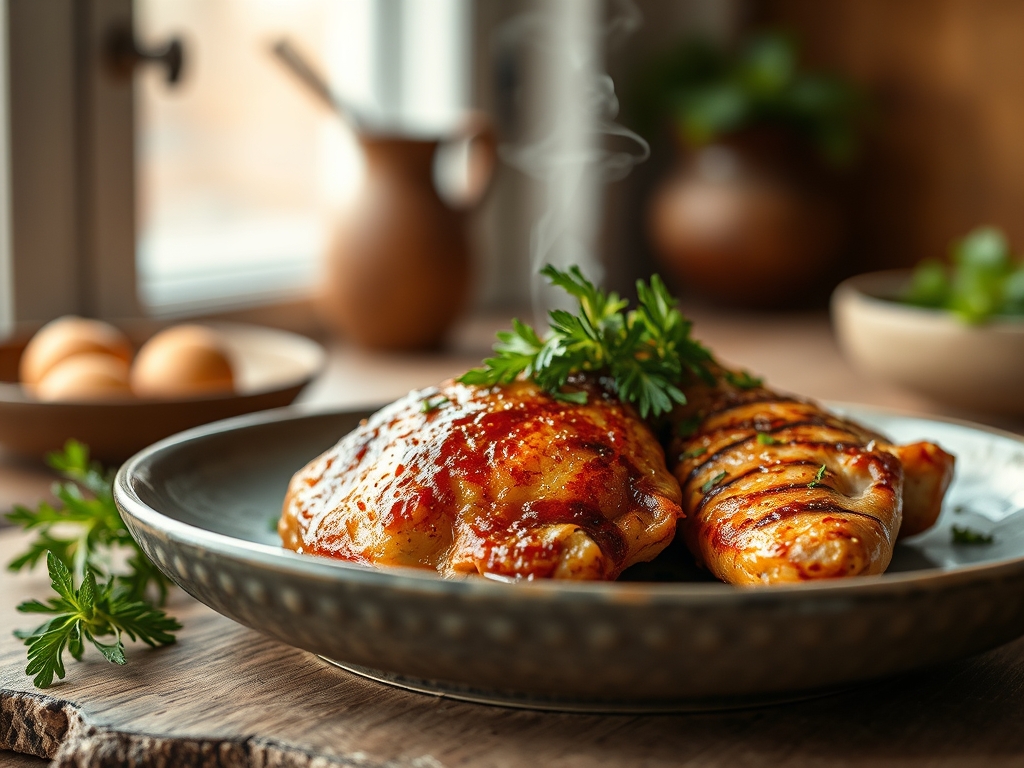
Picture the scene: you are standing in your kitchen at 6:00 PM with a ravenous appetite and exactly twenty minutes before your brain enters low battery mode. You need a win that does not involve a delivery app. Finding chicken recipes healthy quick is not just about speed; it is about mastering the molecular magic of high heat and lean protein to create a restaurant quality meal in the time it takes to brew a pot of coffee.
We are moving beyond the rubbery, uninspired poultry of your past. By understanding the chemistry of the Maillard reaction and the physics of heat transfer, you can transform a standard breast or thigh into a masterpiece of texture and flavor. This guide focuses on the high density nutrition and rapid fire techniques required to keep your health goals on track without sacrificing the piquant, savory joy of a home cooked dinner. Grab your heavy bottomed skillet and let us get to work.
The Gathers:
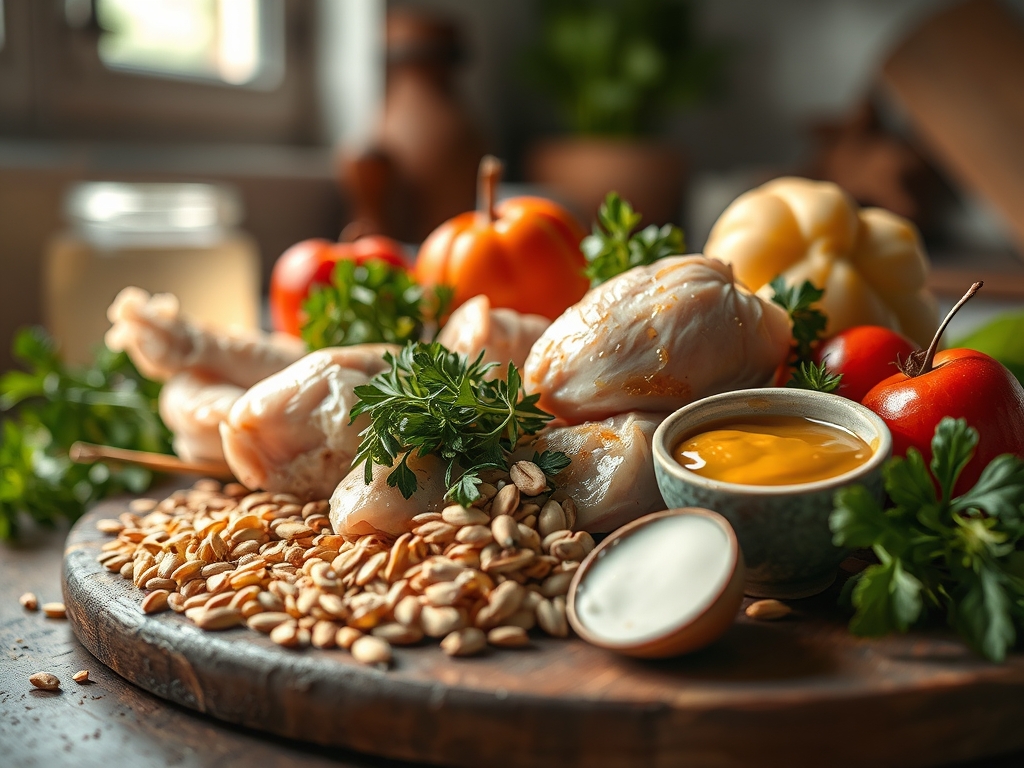
Efficiency begins with the mise en place. Before the flame even touches the pan, your workspace should look like a laboratory of flavor. For these chicken recipes healthy quick, we focus on high surface area cuts. Thinly sliced cutlets or small uniform cubes increase the contact points for browning, ensuring your meat cooks through in under five minutes. You will need your digital scale to ensure consistent four ounce portions, and a sharp chef knife to maintain the structural integrity of the muscle fibers.
The pantry staples for these recipes are chosen for their chemical contributions. We use acids like fresh lemon or rice vinegar to denature proteins and tenderize the meat. We utilize fats with high smoke points, such as avocado oil or clarified butter, to prevent the acrid taste of burnt lipids. Note the vibrant colors in the ingredient photo above; those pigments represent the phytochemicals and antioxidants that turn a simple meal into a nutritional powerhouse.
Smart Substitutions:
- Swap heavy cream for a viscous coconut milk or a Greek yogurt slurry to maintain creaminess with less saturated fat.
- Replace refined sugar in glazes with a splash of orange juice or a touch of honey to achieve better caramelization.
- Use a microplane to zest citrus or grate ginger; this increases the surface area and allows the essential oils to infuse your sauce more effectively than chopping.
The Clock: Mastering Chef's Flow
In a professional kitchen, we talk about the "Chef's Flow." This is the temporal dance of overlapping tasks. For a twenty minute meal, the first five minutes are dedicated to prep. While your skillet preheats, you chop. The next ten minutes are for active cooking, where the sizzle of the pan provides the soundtrack. The final five minutes are for the "resting phase," which is non negotiable for moisture retention.
If you are making a stir fry, your grains should be steaming in the background while you sear the protein. If you are doing a Mediterranean pan sear, your salad is tossed while the chicken finishes its thermal journey. By syncing these cycles, you eliminate downtime and ensure every component hits the plate at its peak temperature.
The Masterclass:
1. The Sear and The Sizzle
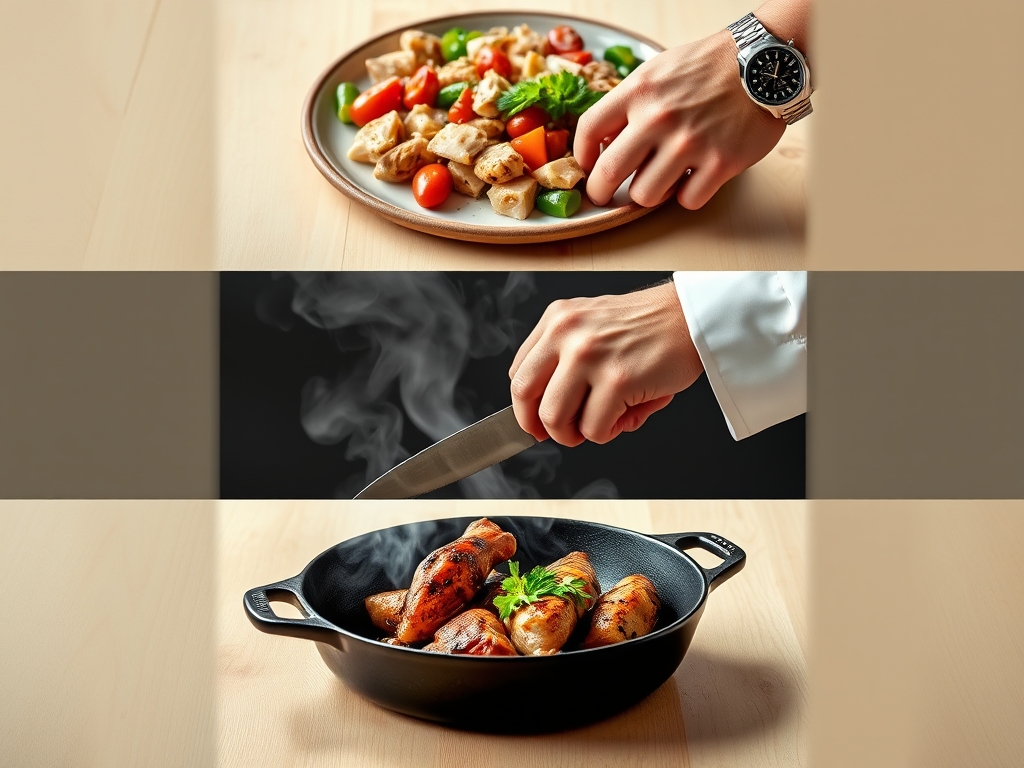
Pat your chicken bone dry with a paper towel. Moisture is the enemy of the Maillard reaction. Place the meat into a shimmering, hot heavy bottomed skillet. Do not crowd the pan; if the pieces are too close, they will steam in their own juices rather than sear.
Pro Tip: The science of enzymatic browning, or the Maillard reaction, occurs between 285 and 330 degrees Fahrenheit. If your pan is too cool, the meat will look grey and taste boiled.
2. The Deglaze Technique
Once the chicken is browned and removed, you will see brown bits stuck to the bottom of the pan. This is "fond," and it is concentrated flavor. Pour in a splash of chicken stock or dry white wine and use a wooden spoon or bench scraper to lift those bits into a sauce.
Pro Tip: Deglazing uses the solvent properties of liquids to dissolve the caramelized proteins, creating a complex, savory base for any quick pan sauce.
3. The Aromatics Infusion
Lower the heat slightly and add your minced garlic, shallots, or ginger. These contain volatile aromatic compounds that release when exposed to fat. Sauté for only thirty to sixty seconds until fragrant to avoid bitterness.
Pro Tip: Fat is a flavor carrier. By sautéing aromatics in the residual oil, you are creating a fat soluble infusion that coats the palate more effectively.
4. The Emulsified Finish
Return the chicken to the pan and add a touch of cold butter or a splash of pasta water. Whisk vigorously with a saucier or tongs to create a smooth, glossy emulsion that clings to the meat.
Pro Tip: Emulsification is the process of forcing two immiscible liquids, like oil and water, into a stable mixture. This creates that luxurious mouthfeel without excess calories.
The Deep Dive:
When we look at the macro nutrition of these chicken recipes healthy quick, we are aiming for a profile of roughly 35 grams of protein, 12 grams of healthy fats, and 10 to 15 grams of complex carbohydrates. This balance ensures a slow insulin response and sustained satiety.
Dietary Swaps:
- Vegan: Replace chicken with extra firm pressed tofu or tempeh. Use the same searing technique to achieve a crispy exterior.
- Keto: Focus on thighs over breasts to increase healthy fat ratios and serve over riced cauliflower.
- Gluten-Free: Ensure your soy sauce is replaced with tamari or coconut aminos to avoid hidden wheat.
The Fix-It:
- Dry Meat: This is usually caused by ignoring thermal carryover. Remove chicken when it hits 160 degrees; it will reach the safe 165 degrees while resting.
- Soggy Skin: You likely crowded the pan. Cook in batches to ensure the steam can escape.
- Bland Flavor: You need more acid. A final squeeze of lime or a dash of vinegar can brighten the entire dish.
Meal Prep:
To maintain day one quality when reheating, avoid the microwave if possible. Reheat in a skillet with a tablespoon of water and a lid. This creates a steam chamber that rehydrates the protein fibers without overcooking the exterior.
The Wrap-Up:
You now have the technical blueprint to dominate your weeknight dinners. These chicken recipes healthy quick are more than just a list of ingredients; they are a masterclass in efficiency and flavor science. By mastering the sear, the deglaze, and the rest, you are elevating a simple bird into a culinary event. Remember, the kitchen is your laboratory. Experiment with different aromatics and acids, and never be afraid of a hot pan. Now, go forth and cook something brilliant.
The Kitchen Table:
How do I keep chicken breast from getting dry?
Always use a digital thermometer and pull the meat at 160 degrees Fahrenheit. Allow it to rest for five minutes. This utilizes thermal carryover to reach a safe 165 degrees while keeping the internal juices locked within the muscle fibers.
What is the best pan for quick chicken recipes?
A heavy bottomed stainless steel or cast iron skillet is superior. These materials have high heat retention and distribution, which is essential for achieving a consistent Maillard reaction and preventing the meat from sticking or steaming in its own moisture.
Can I use frozen chicken for 20 minute recipes?
Technically no, as safe thawing takes time. However, if you use "flash frozen" thin cutlets, you can thaw them in a cold water bath in ten minutes. Never cook chicken from frozen, as the exterior overcooks before the center reaches safety.
What are the healthiest oils for high heat sautéing?
Avocado oil and refined olive oil are excellent choices due to their high smoke points. Avoid extra virgin olive oil for high heat searing, as its low smoke point can lead to the formation of bitter compounds and unhealthy free radicals.