
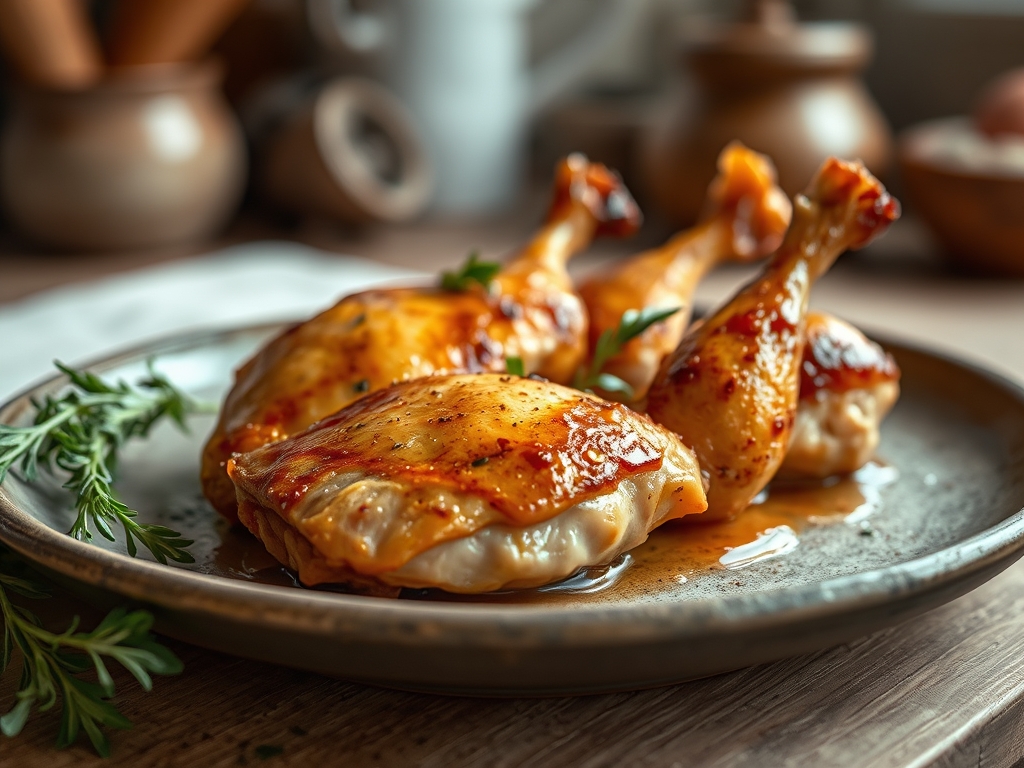
Imagine the scent of rendered schmaltz and toasted rosemary blooming in a hot kitchen. It is the ultimate olfactory hug. When you master chicken recipes with oven techniques, you are not just cooking; you are orchestrating a symphony of heat and protein. We are chasing that elusive, shatteringly crisp skin and the succulent, juice-heavy interior that only a perfectly calibrated convection environment can provide. Whether it is a frantic Tuesday or a slow Sunday, these methods transform a humble bird into a culinary masterpiece with minimal intervention.
The secret lies in the physics of dry heat. Unlike poaching or braising, the oven allows for the Maillard reaction to occur across the entire surface area of the meat. This chemical reaction between amino acids and reducing sugars creates those complex, savory flavor compounds we crave. By the end of this guide, you will be the absolute authority on poultry thermodynamics. We are moving beyond basic roasting into a world of sophisticated, effortless elegance.
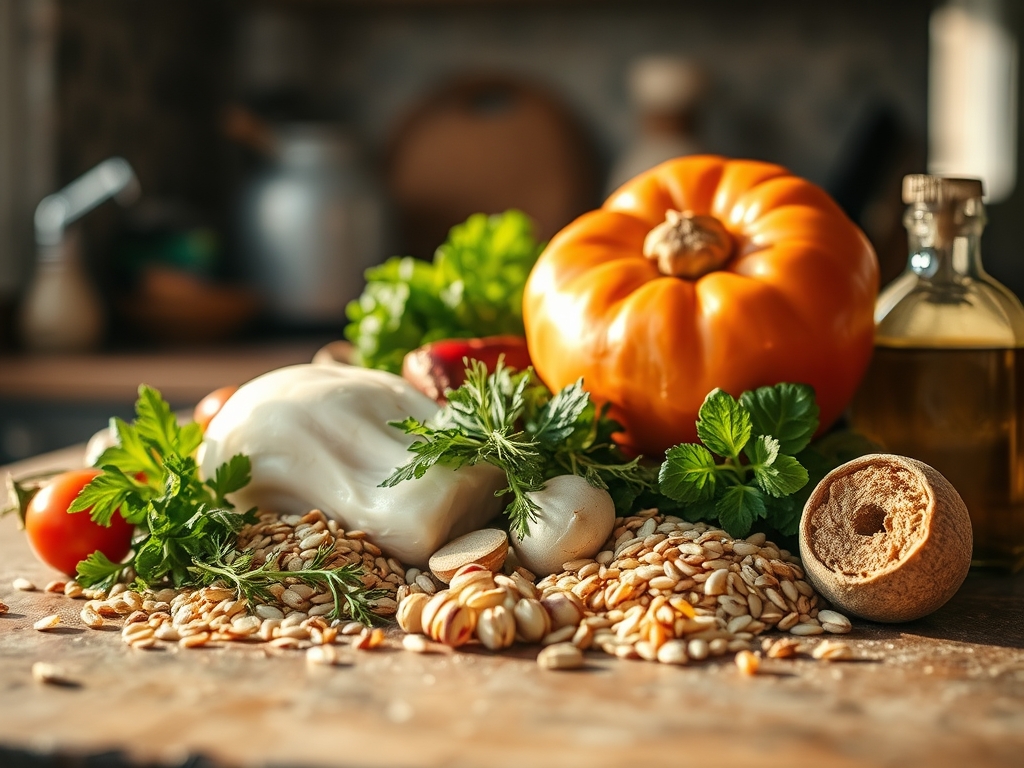
The Gathers:
To execute these chicken recipes with oven precision, your mise-en-place must be impeccable. Start with high-quality poultry; look for air-chilled birds which lack the excess water weight of brine-chilled varieties. You will need a digital scale to ensure your dry rubs are balanced. Gather your aromatics: piquant garlic cloves, viscous extra virgin olive oil, and woody herbs like thyme or sage.
For the "Smart Substitutions," remember that chemistry is flexible. If you lack buttermilk for a tenderizing soak, use plain yogurt thinned with a splash of lemon juice to achieve the same enzymatic breakdown of muscle fibers. No smoked paprika? Use a touch of chipotle powder for heat or liquid smoke for that charred profile. Always keep a high-smoke-point oil like avocado or grapeseed oil on hand to prevent the kitchen from filling with acrid smoke during high-heat roasting.
The Clock
The "Chef's Flow" is all about overlapping tasks to minimize downtime. For these six recipes, prep time averages fifteen minutes, while active cook time spans thirty to forty-five minutes. The trick is to utilize the preheating phase. While your oven climbs to 425 degrees Fahrenheit, use your bench scraper to clear your workstation and your microplane to zest citrus directly over the bird.
Efficiency is born from sequence. Always salt your chicken at least twenty minutes before it hits the heat. This allows the salt to draw out moisture, dissolve into a concentrated brine, and then be reabsorbed into the meat via osmosis. While the bird roasts, use that thirty-minute window to prepare a crisp salad or a light reduction in a saucier. This ensures that everything hits the table at the peak of its thermal cycle.
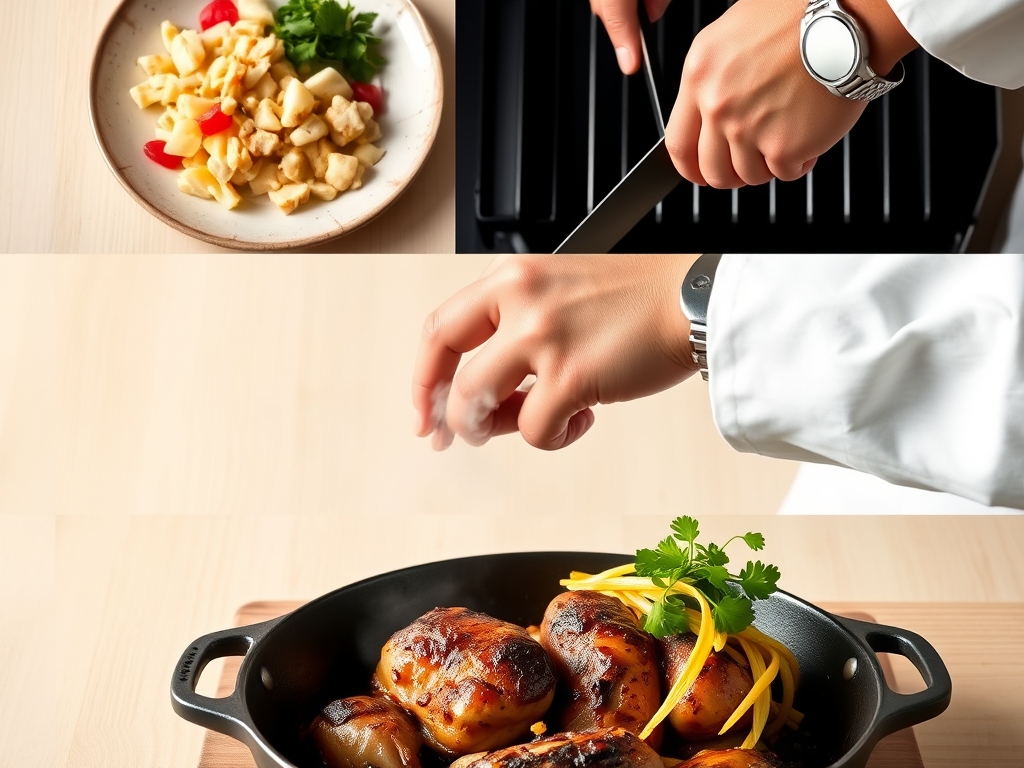
The Masterclass
1. The Dry Brine Technique
Start by patting the skin bone-dry with paper towels. Rub a mixture of kosher salt and cracked black pepper over every inch, including under the skin. Place the chicken on a wire rack set over a rimmed baking sheet.
Pro Tip: This method utilizes evaporative cooling to dry the skin. By removing surface moisture before cooking, the oven's energy goes directly into browning the skin rather than steaming off water.
2. The High-Heat Sear
Preheat a heavy-bottomed skillet in the oven. Once smoking hot, use tongs to carefully place the chicken skin-side down in the pan. The immediate contact with the hot metal initiates the Maillard reaction instantly.
Pro Tip: Metal is a better conductor of heat than air. Starting the chicken in a preheated pan ensures the bottom renders its fat while the top benefits from the ambient oven temperature.
3. The Aromatics Infusion
Scatter smashed garlic cloves and lemon slices around the chicken halfway through the roasting process. This prevents the delicate volatile oils in the herbs from burning while allowing them to infuse the rendered fat.
Pro Tip: Fats are incredible flavor carriers. As the chicken fat renders, it absorbs the fat-soluble compounds from the garlic and herbs, essentially basting the meat in a flavored confit.
4. The Glaze Application
If using a honey or balsamic glaze, apply it only in the last eight minutes of cooking. Use a silicone brush to coat the surface evenly.
Pro Tip: Sugars have a low burning point. Applying them too early results in carbonization (bitterness). Waiting until the end allows the glaze to become viscous and tacky without scorching.
5. The Internal Temp Check
Never rely on a timer alone. Insert a digital meat thermometer into the thickest part of the thigh, avoiding the bone. Remove the chicken when it hits 160 degrees Fahrenheit.
Pro Tip: This accounts for thermal carryover. The internal temperature will continue to rise by five to seven degrees while resting, bringing the bird to a perfect, safe 165 degrees without drying out.
6. The Essential Rest
Transfer the chicken to a warm platter and tent loosely with foil. Let it sit for at least ten minutes before carving.
Pro Tip: Resting allows the muscle fibers to relax and reabsorb the juices. If you cut it immediately, the viscous internal liquids will spill out onto the board, leaving the meat parched.
The Deep Dive
From a macro perspective, these chicken recipes with oven methods are nutritional powerhouses. A standard four-ounce serving provides approximately thirty grams of lean protein and zero carbohydrates. For those following a Keto lifestyle, keep the skin on for healthy fats. For a Vegan swap, apply these same roasting techniques to thick slabs of cauliflower or "steaks" of lion's mane mushrooms.
The Fix-It:
- Soggy Skin: Your oven temperature was likely too low. Crank it to 425 degrees and ensure the bird was dried thoroughly.
- Rubbery Texture: This usually indicates overcooking. Invest in a digital probe thermometer to catch the bird at exactly 160 degrees.
- Bland Meat: You skipped the brine. Salt needs time to penetrate the cellular structure of the protein.
Meal Prep: To reheat without losing quality, avoid the microwave. Place leftovers in a covered dish with a tablespoon of water or stock and heat in a 300-degree oven. This creates a gentle steam that rehydrates the protein fibers without toughening them.
The Wrap-Up
Mastering chicken recipes with oven technology is the ultimate kitchen flex. It is the perfect marriage of scientific precision and soulful comfort. By understanding how heat moves through protein and how salt alters molecular structures, you have graduated from a recipe-follower to a true culinary artist. Go forth, get that skin crispy, and enjoy the most succulent dinner of your life.
The Kitchen Table
How do I get the skin extra crispy?
Pat the chicken bone-dry and salt it uncovered in the fridge for four hours. This dehydrates the epidermis, allowing the heat to render the fat quickly and create a glass-like texture during the roasting process.
Can I cook frozen chicken in the oven?
It is not recommended. The exterior will overcook and become tough before the interior reaches a safe temperature. Always thaw your poultry in the refrigerator overnight to ensure even heat distribution and optimal texture.
What is the best oven temperature for chicken?
For most chicken recipes with oven, 400 to 425 degrees Fahrenheit is the sweet spot. This high heat triggers the Maillard reaction for flavor while cooking the meat fast enough to retain its natural moisture and juices.
Why is my roasted chicken dry?
Dryness usually stems from overcooking or failing to rest the meat. Use a thermometer to pull the bird at 160 degrees and let it rest for ten minutes to allow the juices to redistribute through the fibers.