
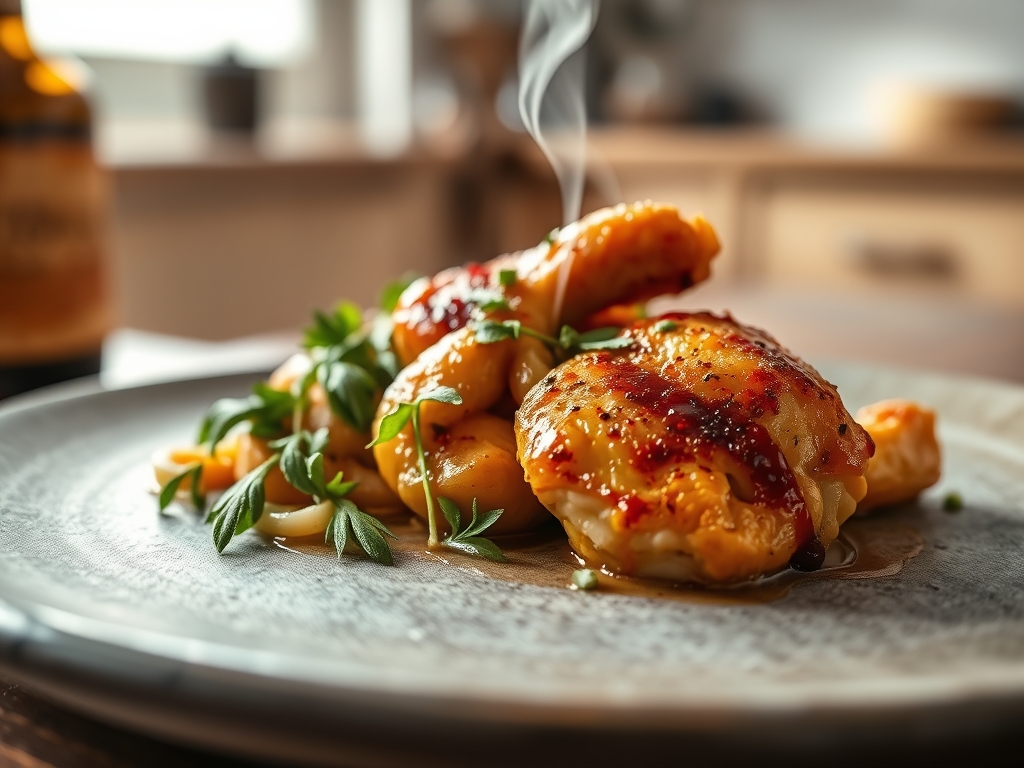
Close your eyes and recall that specific, intoxicating scent wafting through the food court. It is a heady mix of charred poultry, toasted sugar, and a sharp hit of ginger that practically drags you toward the sample toothpick. While most mall bourbon chicken recipes rely on corn syrup and mystery additives, we are going to reconstruct that iconic glaze using molecular precision and high-heat techniques. This is not just a dinner; it is a lesson in flavor architecture. We are aiming for that specific, tacky sheen that clings to the meat without becoming a gloopy mess. By understanding how sugars interact with amino acids under high heat, you will transform basic thighs into a dish that surpasses the original. Grab your heavy-bottomed skillet and a sharp chef knife. We are diving into the science of the sear to ensure your kitchen smells better than the local mall ever could.
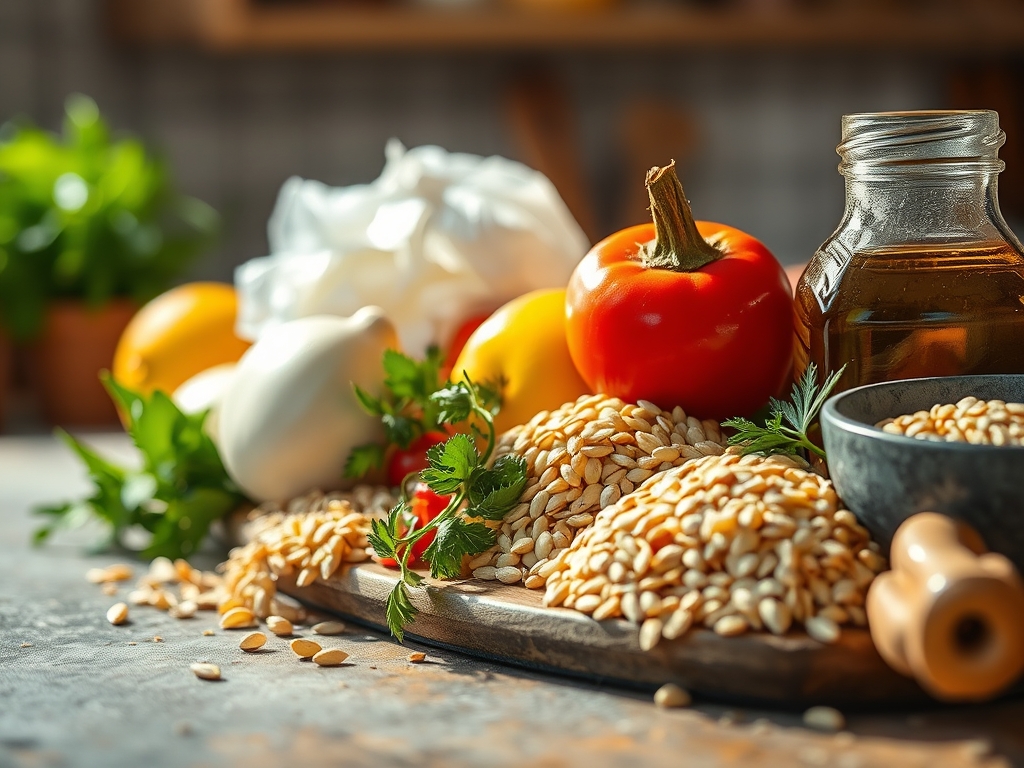
The Gathers:
To achieve the perfect texture, your mise-en-place must be exact. Start with boneless, skinless chicken thighs. Thighs contain more myoglobin and connective tissue than breasts; this ensures the meat remains succulent even after the high-heat rendering required for the glaze. You will need a high-quality bourbon to provide the oaky, vanillin undertones that define the profile. Use a microplane to grate fresh ginger and garlic into a fine paste. This increases the surface area for enzyme release, ensuring the aromatics meld into the liquid phase of the sauce rather than burning as discrete chunks.
Smart Substitutions: If you are avoiding alcohol, a mixture of apple juice and a teaspoon of apple cider vinegar mimics the acidity and sweetness of bourbon, though you will miss the complex esters produced during the reduction. For the soy component, liquid aminos or tamari offer a gluten-free alternative with a similar umami profile. Use dark brown sugar instead of light; the higher molasses content aids in a faster Maillard reaction, providing that deep, mahogany color we crave.
The Clock:
Prep Time: 20 minutes. This includes the "active" time spent trimming the thighs and whisking the slurry. Do not rush the dicing. Uniform 1-inch cubes ensure even thermal distribution.
Cook Time: 15 minutes. The "Chef's Flow" is critical here. You will spend the first 8 minutes rendering the fat and browning the exterior, followed by a 7-minute reduction phase where the sauce transitions from a watery liquid to a viscous glaze.
Total Time: 35 minutes. This is a high-velocity recipe. Once the pan is hot, the chemical transitions happen rapidly. Have your bench scraper ready to move ingredients from the board to the pan without losing momentum.
The Masterclass:
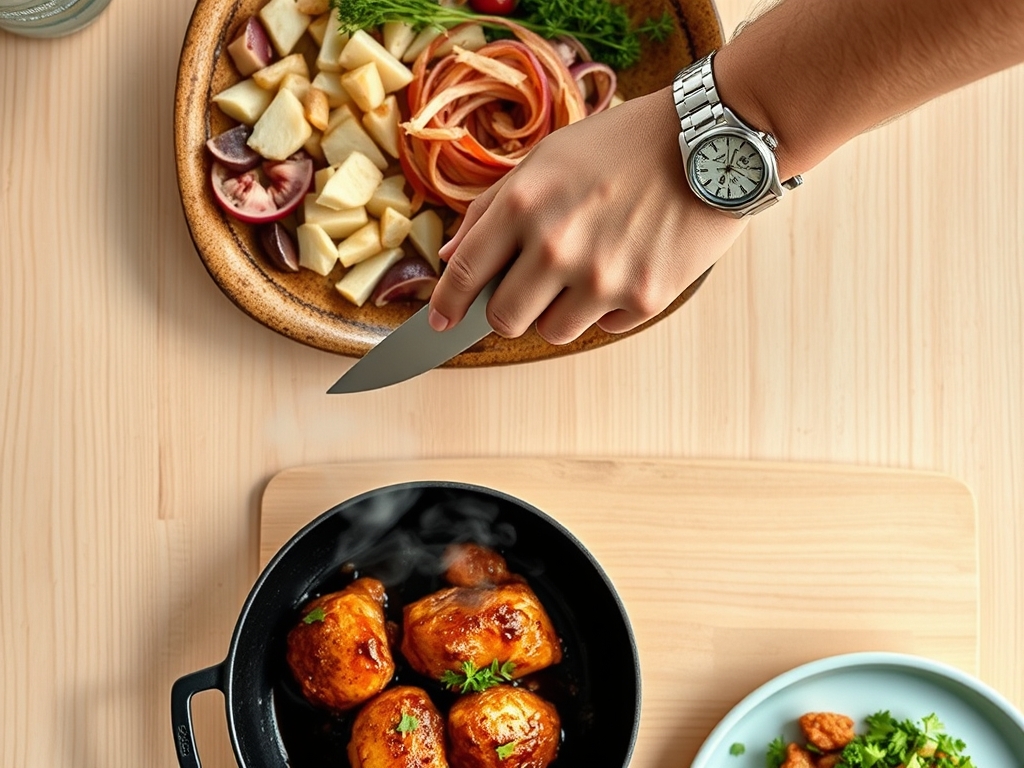
1. The Sear and Render
Pat the chicken dry with paper towels. Residual moisture is the enemy of the sear; it creates steam which prevents the meat from reaching the 300 degrees Fahrenheit required for browning. Heat oil in a heavy-bottomed skillet until it reaches the shimmering point. Add the chicken in a single layer, resisting the urge to crowd the pan.
Pro Tip: This stage utilizes pyrolysis, where organic compounds break down under heat to create new flavor molecules. If you move the chicken too soon, you tear the proteins. Wait for the meat to naturally release from the pan surface.
2. Deglazing the Fond
Once the chicken is browned, remove it and set it aside. You will see brown bits stuck to the bottom; this is "fond," the concentrated essence of flavor. Pour in your bourbon. Use a wooden spoon or tongs to scrape the bottom, dissolving those solids back into the liquid.
Pro Tip: This is an extraction process. The alcohol acts as a solvent, pulling out fat-soluble flavor compounds that water-based liquids cannot reach, creating a more complex flavor profile.
3. The Aromatic Infusion
Lower the heat slightly and add your ginger, garlic, and crushed red pepper. Sauté for exactly 60 seconds. You want to aerate the oils in the spices without scorching the delicate garlic sugars, which can turn bitter if overheated.
Pro Tip: Garlic contains allicin, which is heat-sensitive. Brief exposure to fat "blooms" the flavor, while prolonged high heat destroys the aromatic intensity.
4. Building the Sauce Base
Whisk together the soy sauce, brown sugar, apple juice, and ketchup in a small saucier. Pour this into the skillet. Bring the mixture to a vigorous simmer. The bubbles should transition from small and watery to large and "slow" as the water evaporates.
Pro Tip: This is a reduction. As water leaves the pan, the concentration of solutes increases, which raises the boiling point and intensifies the piquant notes of the ginger and soy.
5. The Slurry Emulsification
Mix a tablespoon of cornstarch with equal parts cold water to create a slurry. Whisk this into the simmering sauce. The liquid will turn from opaque to translucent and thick almost instantly.
Pro Tip: This is starch gelatinization. The starch granules absorb liquid and swell, creating a network that traps water and thickens the sauce without adding fat.
6. The Reintegration
Return the chicken to the pan along with any accumulated juices. Toss the meat to ensure every surface is coated in the glaze. The sauce should be thick enough to coat the back of a spoon without running off.
Pro Tip: Watch for thermal carryover. The chicken will continue to cook for a few minutes after being removed from the heat. Pull it off the stove when the internal temperature hits 160 degrees; it will reach the safe 165 degrees while resting.
7. The Finishing Gloss
Turn off the heat and stir in a small knob of cold butter or a teaspoon of sesame oil. This adds a final layer of fat that creates a professional, mirror-like finish on the sauce.
Pro Tip: This technique, known as monter au beurre, creates a temporary emulsion that adds "mouthfeel" and rounds out the sharp acidity of the vinegar and bourbon.
The Deep Dive:
Macro Nutrition: A standard serving provides approximately 340 calories, 28g of protein, 12g of fat, and 22g of carbohydrates. To lower the glycemic load, replace the brown sugar with a monk fruit sweetener.
Dietary Swaps: For a Vegan version, use extra-firm tofu pressed for 30 minutes to remove moisture. For Keto fans, omit the apple juice and cornstarch; use xanthan gum (just a pinch!) to thicken the sauce. For GF, ensure your soy sauce is replaced with certified gluten-free tamari.
The Fix-It:
- Sauce is too salty: Add a splash of rice vinegar or lime juice. The acid cuts through the sodium perception.
- Sauce won't thicken: Ensure the sauce reaches a full boil. Cornstarch only activates at high temperatures.
- Chicken is tough: You likely used breasts or overcooked them. Stick to thighs and use a digital scale or thermometer for precision.
Meal Prep: To reheat, avoid the microwave if possible. Use a skillet with a tablespoon of water. The water creates steam that thins the cold, congealed glaze back into its original viscous state without drying out the protein.
The Wrap-Up:
Mastering mall bourbon chicken recipes is about more than just following a list of ingredients; it is about controlling the chemical reactions in your pan. By focusing on the sear, the reduction, and the final emulsion, you have elevated a food court staple into a culinary masterpiece. The combination of the oaky bourbon reduction and the sharp snap of fresh ginger creates a flavor profile that is both nostalgic and sophisticated. Serve this over a bed of fluffy jasmine rice to soak up every drop of that liquid gold. You have officially cracked the code!
The Kitchen Table:
What is the best bourbon for this recipe?
Use a mid-shelf wheated bourbon. These tend to be sweeter and less "spicy" than high-rye bourbons, which complements the brown sugar glaze perfectly without over-powering the delicate aromatics of the ginger and garlic.
Why is my bourbon chicken sauce grainy?
Graininess usually occurs if the brown sugar did not fully dissolve or if the cornstarch slurry was added too quickly without whisking. Ensure the sugar is fully liquefied before adding the starch to maintain a smooth, professional texture.
Can I make this in a slow cooker?
You can, but you will lose the Maillard reaction from the initial sear. For the best results, sear the chicken in a pan first, then transfer everything to the slow cooker for four hours on low heat.
How do I get the chicken extra crispy?
Toss the raw chicken cubes in a light coating of cornstarch before searing. This creates a thin, starchy crust that holds onto the glaze better and provides a satisfying "crunch" even after being tossed in the sauce.