
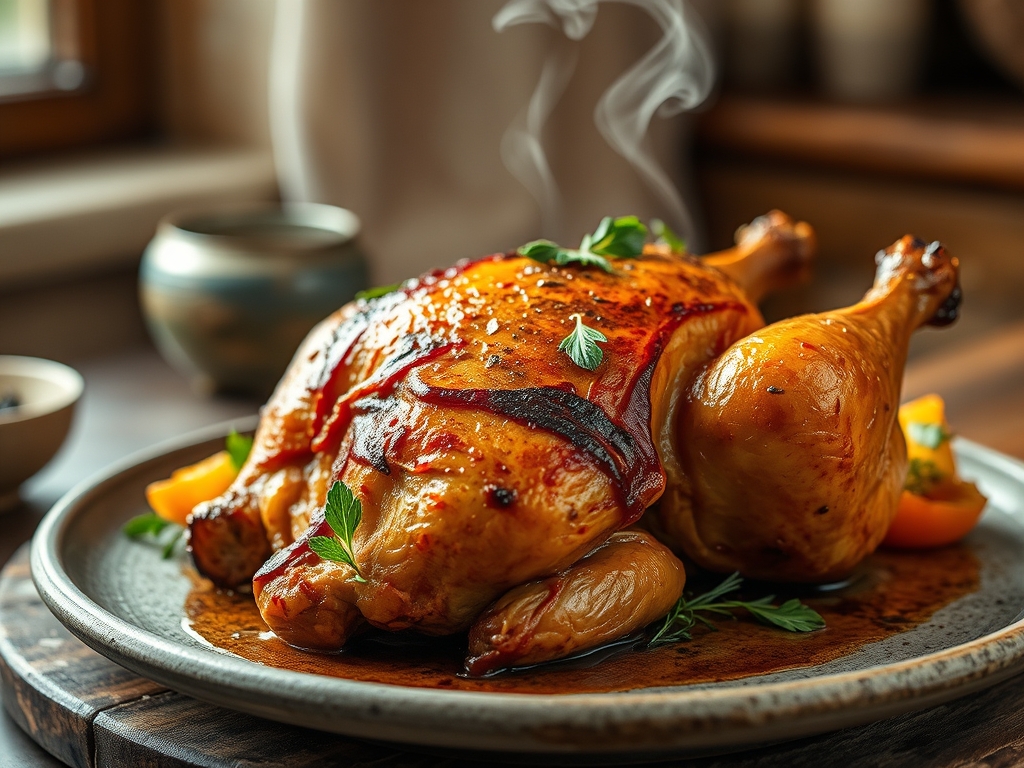
Picture the scene: the sun is dipping below the horizon, and your backyard is thick with the scent of hickory and rendered fat. There is a specific kind of magic found in whole chicken recipes bbq enthusiasts swear by; it is the holy grail of outdoor cooking. We are chasing that impossible contrast between skin that shatters like glass and meat that remains impossibly succulent. It is not just dinner; it is a masterclass in heat management and patience.
The secret to a show-stopping bird lies in understanding the architecture of the animal. We are moving beyond the basic "throw it on the grill" mentality. Instead, we are leaning into the chemistry of the Maillard reaction and the physics of indirect heat. When you master the whole chicken, you master the grill itself. It requires a bit of wit and a lot of science, but the result is a centerpiece that makes everyone forget about the sides. We are going to transform a humble bird into a culinary trophy using precision, high-quality tools, and a little bit of fire-side intuition.
The Gathers:
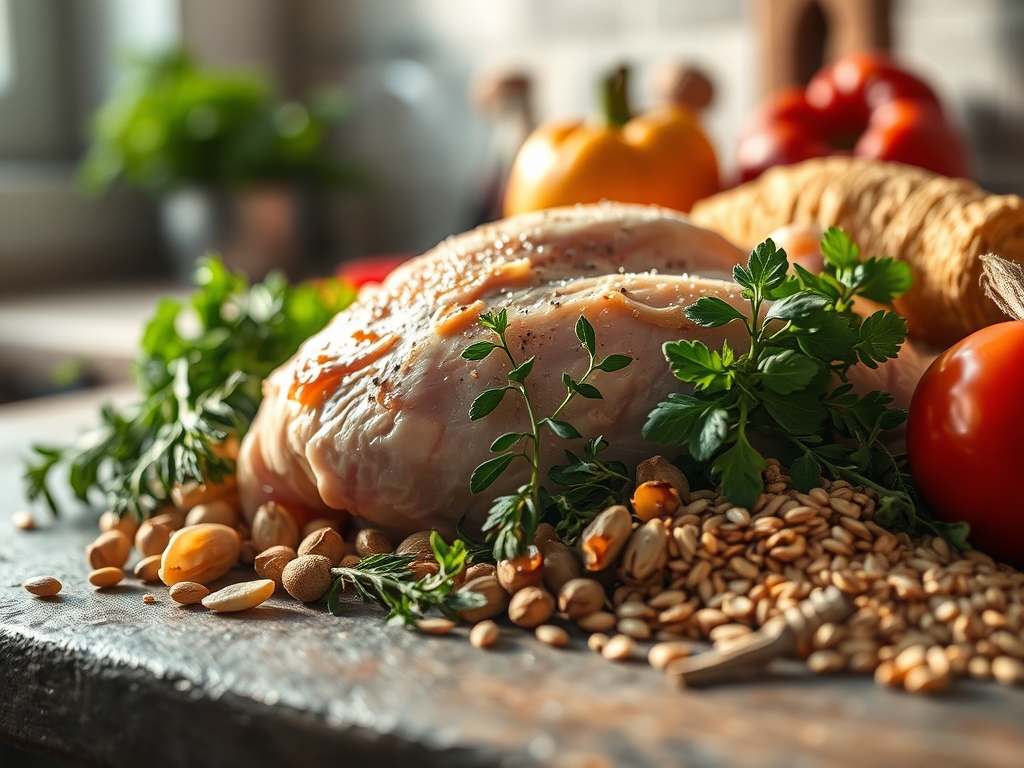
Before we light a single coal, we must assemble our mise-en-place with the precision of a laboratory technician. Your main subject should be a four to five-pound organic bird; smaller birds often dry out before the skin can fully crisp. You will need a digital scale to measure your dry rub ingredients precisely, ensuring the salt-to-sugar ratio is perfect for caramelization without burning.
Gather your aromatics: fresh rosemary, thyme, and a head of garlic sliced crosswise to expose the cloves. For the fat component, skip the bottled oil and reach for high-quality unsalted butter or duck fat. You will also need a microplane for zesting a lemon directly over the bird to provide a piquant brightness that cuts through the smoke.
Smart Substitutions:
If you are out of traditional wood chips, dried culinary lavender or rosemary stalks can provide a floral smoke profile. Instead of a standard sugar-based rub, try using dehydrated honey powder; it has a higher scorch point, allowing for a longer cook time without the bitter notes of burnt cane sugar. If you lack a roasting rack, a ring of sliced onions at the bottom of a heavy-bottomed skillet works as a natural, flavorful trivet.
The Clock
Efficiency in the kitchen is all about the Chef's Flow. This is the rhythmic sequence of tasks that ensures nothing is rushed.
Prep Time: 45 Minutes. This includes the critical "dry-brining" phase. You cannot rush the osmosis required for salt to penetrate the muscle fibers.
Cook Time: 75 to 90 Minutes. This varies based on your grill's ambient temperature and the bird's weight.
Rest Time: 20 Minutes. This is non-negotiable.
The flow starts with the bird at room temperature. While the chicken tempers, you prep the grill and the rub. Once the bird is on the heat, your job transitions from "cook" to "monitor," using a digital probe thermometer to track progress without constantly opening the grill lid and losing precious convection heat.
The Masterclass
1. The Spatchcock Maneuver
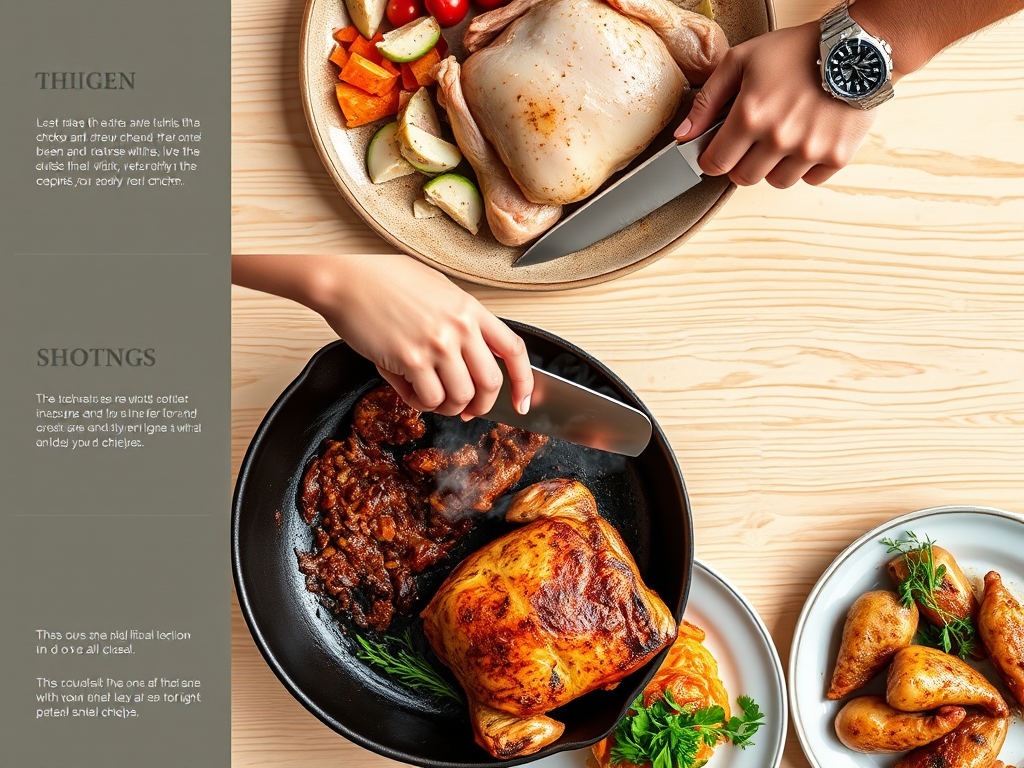
Using heavy-duty kitchen shears, remove the backbone of the chicken. Lay the bird flat and press down on the breastbone until you hear a crack. This increases the surface area exposed to the heat, ensuring the dark meat and white meat finish cooking at the same time.
Pro Tip: This technique utilizes geometric heat distribution. By flattening the bird, you reduce the distance heat must travel to the core, preventing the breasts from overcooking while the legs catch up.
2. The Dry Brine Protocol
Generously coat the skin and the underside with kosher salt at least 40 minutes before grilling. Place it uncovered in the fridge if time permits. This draws moisture out of the skin, which then reabsorbs as a concentrated brine.
Pro Tip: This process triggers protein denaturization. The salt breaks down the tightly wound muscle filaments, allowing them to hold more moisture during the high-heat evaporation process of grilling.
3. Creating the Flavor Infusion
Use a saucier to melt butter with garlic and herbs. Use a silicone brush to apply this viscous liquid under the skin. Be careful not to tear the delicate membrane; you want the fat to sit directly against the meat to bast it from the inside out.
Pro Tip: This is known as internal basting. The fat acts as a thermal insulator and a flavor carrier, ensuring that fat-soluble aromatic compounds from the herbs are driven deep into the tissues.
4. Zone Management
Set up your grill for two-zone cooking. Place the charcoal or turn on burners on one side only. The chicken starts on the "cool" side, away from direct flames, with the legs facing the heat source.
Pro Tip: This utilizes indirect convection. The grill acts like an oven, allowing the bird to roast evenly without the exterior carbonizing before the interior reaches a safe temperature.
5. The Maillard Finish
Once the internal temperature hits 150 degrees Fahrenheit, move the bird to the "hot" side of the grill, skin-side down. Use tongs to press it firmly against the grates for two to three minutes.
Pro Tip: This is where enzymatic browning occurs. The intense direct heat triggers a chemical reaction between amino acids and reducing sugars, creating hundreds of different flavor compounds and that signature golden-brown color.
6. The Glaze Application
If using a sauce, apply it only in the final ten minutes. Use a bench scraper to clear any debris from the grill area before the final flip to ensure a clean presentation.
Pro Tip: Most BBQ sauces contain high levels of fructose. Applying them too early leads to pyrolysis, where sugars turn into bitter carbon. Waiting until the end allows the sauce to "tack up" into a sticky, lacquered finish.
7. The Thermal Rest
Remove the chicken when it hits 160 degrees Fahrenheit. Place it on a warm platter and tent it loosely with foil. Let it sit for at least 15 to 20 minutes before carving.
Pro Tip: This accounts for thermal carryover. The internal temperature will continue to rise by 5 degrees after removal. Resting allows the muscle fibers to relax and reabsorb the juices, ensuring they don't spill out onto the cutting board.
The Deep Dive
Macro Nutrition: A standard serving of BBQ whole chicken (about 6 ounces) provides roughly 45 grams of high-quality protein and 20 grams of fat. It is naturally low in carbohydrates, provided your rub is not sugar-heavy.
Dietary Swaps:
- Keto: Replace brown sugar in rubs with erythritol or simply double down on smoked paprika and mustard powder.
- Vegan: While you cannot "spatchcock" a cauliflower, you can apply these same dry-rub and two-zone grilling techniques to a whole-roasted cauliflower head for a similar sensory experience.
- GF: Ensure your liquid smoke or Worcestershire sauce is certified gluten-free, as some brands use barley malt.
The Fix-It:
- Flaring Flames: If the fat renders too fast and causes fire, move the bird to the cool zone immediately. Do not use water; it creates a "soot steam" that ruins the flavor.
- Rubbery Skin: This happens if the grill temperature is too low. Crank the heat at the very end to "flash" the skin.
- Dry Breast Meat: If the breasts hit 165 before the legs hit 175, shield the breasts with a small piece of foil to deflect further heat.
Meal Prep: To reheat and maintain "day-one" quality, avoid the microwave. Use a toaster oven at 350 degrees with a splash of chicken stock in the pan to rehydrate the fibers without losing the skin's integrity.
The Wrap-Up
Mastering whole chicken recipes bbq style is about more than just a meal; it is about reclaiming the art of slow, intentional cooking. By respecting the science of heat and the quality of your tools, you turn a simple Sunday dinner into a culinary event. Remember, the grill is your instrument, but the science is your sheet music. Now, go forth, light those coals, and prepare to be the hero of your next backyard gathering!
The Kitchen Table
How do I keep the chicken from sticking to the grill?
Ensure your grates are scrubbed clean and highly seasoned. Wipe them with a paper towel dipped in high-smoke-point oil using tongs right before placing the bird down. A hot, lubricated surface prevents protein bonding.
Is it safe to grill chicken that is still slightly frozen?
No. Uneven thawing leads to "cold spots," meaning the exterior will overcook while the interior remains in the bacterial danger zone. Always thaw completely in the refrigerator to ensure even heat penetration and food safety.
What is the best wood for smoking whole chicken?
Fruitwoods like apple or cherry are ideal. They provide a mild, sweet smoke that complements the delicate flavor of poultry without overpowering it like mesquite or heavy hickory might.
Can I use a meat thermometer through the bone?
Never. Bone conducts heat differently than muscle. Always insert your digital probe thermometer into the thickest part of the thigh, making sure the tip does not touch the bone for an accurate reading.