

Imagine the sound of a heavy-bottomed skillet hitting a high-output burner; it is the percussion of a weeknight revolution. When you are craving something that hits the trifecta of salty, savory, and crisp, nothing beats the efficiency of bok choy and ground beef recipes. We are talking about fat rendering into a shimmering glaze that coats tender greens in under twenty minutes.
The magic lies in the contrast between the mineral richness of the beef and the high water content of the brassica. As the beef undergoes the Maillard reaction, developing those deep brown crusts, the bok choy stalks provide a structural crunch that refuses to wilt into oblivion. It is a masterclass in texture and temperature, all contained within a single pan.
Whether you are looking for a spicy Szechuan kick or a silky ginger-soy finish, these nine variations prove that humble ingredients can achieve culinary heights. We are going to dive into the molecular mechanics of why this pairing works, from the way cruciferous vegetables absorb umami to the science of heat distribution in a well-seasoned pan. Grab your favorite wooden spoon; we are about to turn your kitchen into the best bistro in town.
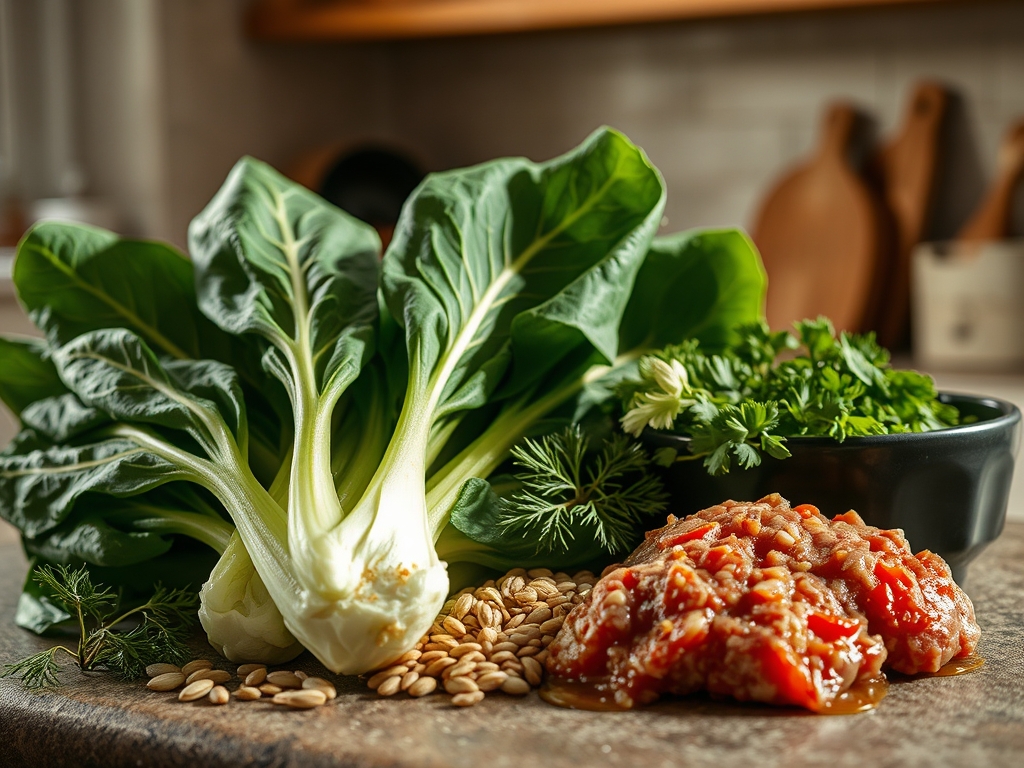
The Gathers:
To execute these bok choy and ground beef recipes with precision, your mise-en-place must be impeccable. You will need one pound of high-quality ground beef; I prefer an 80/20 blend because the extra lipids are essential for creating a viscous sauce base. For the greens, look for baby bok choy with vibrant, turgid leaves and firm, white stalks.
Your aromatics are the soul of the dish. Have fresh ginger root and garlic cloves ready for the microplane. You will also need a high-smoke-point oil, such as avocado or grapeseed oil, to ensure you can reach the necessary temperatures for searing without the fats breaking down into acrid compounds.
Smart Substitutions:
If you are looking to lighten the profile, ground turkey or chicken can be substituted, though you must add a teaspoon of toasted sesame oil to mimic the mouthfeel of beef fat. For those avoiding soy, coconut aminos offer a piquant, slightly sweet alternative that mimics the fermented depth of traditional soy sauce. If you cannot find baby bok choy, regular bok choy works; just ensure you use a sharp chef knife to slice the stalks into uniform half-inch crescents to ensure even thermal penetration.
The Clock
Efficiency in the kitchen is about understanding "Chef's Flow." This is the logical sequencing of tasks to minimize downtime and maximize flavor development. For these recipes, expect a total commitment of 25 minutes.
Prep Time: 10 Minutes. This involves washing the bok choy to remove grit trapped in the leaf junctions and finely dicing your aromatics. Use a bench scraper to move your chopped ingredients into small bowls; it keeps your workstation clear and your mind focused.
Cook Time: 15 Minutes. The actual heat application is rapid. You spend the first seven minutes rendering the beef and the final eight minutes layering the aromatics and steaming the greens. By the time the table is set, the meal is ready.
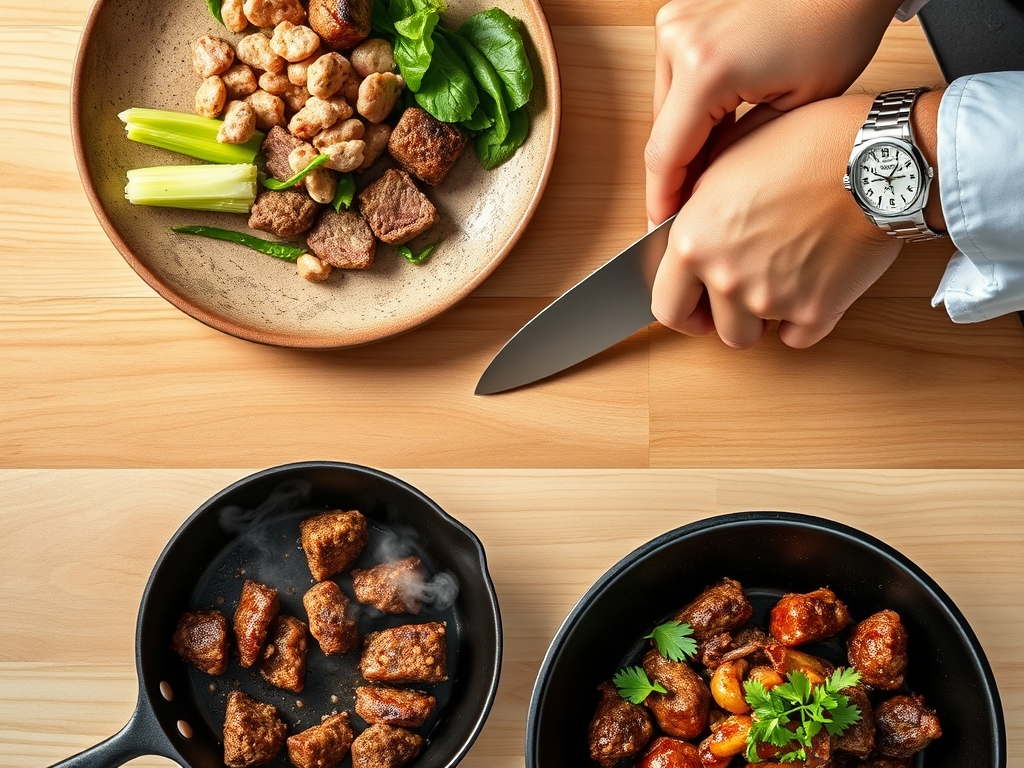
The Masterclass
1. The High-Heat Sear
Place your skillet over medium-high heat until the oil begins to shimmer. Add the beef in a single layer and resist the urge to stir it immediately. You want to maximize the contact time between the protein and the hot metal.
Pro Tip: This patience facilitates the Maillard reaction, a chemical dance between amino acids and reducing sugars that creates hundreds of different flavor compounds. If you stir too early, the meat will steam in its own juices rather than sear.
2. Aromatic Infusion
Once the beef is browned, create a "well" in the center of the pan by pushing the meat to the edges. Add your minced ginger, garlic, and red pepper flakes into this pool of rendered fat.
Pro Tip: This is called blooming. Fat is a highly effective solvent for flavor; by heating the spices in oil, you release fat-soluble volatile compounds that would otherwise remain trapped, ensuring a more pungent and fragrant end result.
3. The Deglaze and Emulsify
Pour in your liquid base, usually a mix of soy sauce, rice vinegar, and a splash of beef stock. Use a flat-edged wooden spatula to scrape up the browned bits, or fond, from the bottom of the skillet.
Pro Tip: Deglazing captures the concentrated flavor of the fond. As the liquid reduces, the natural proteins in the beef help to emulsify the sauce, turning it from a thin watery liquid into a glossy coating that clings to every ingredient.
4. Strategic Stem Placement
Add the thick, white parts of the bok choy first. These require more time to break down their cellulose structures compared to the delicate green leaves. Toss them vigorously to coat them in the sauce.
Pro Tip: This is a lesson in thermal mass. The dense stalks need sustained heat to soften, while the leaves only require a few seconds of residual steam to wilt. Staggering the addition prevents the leaves from becoming slimy.
5. The Final Wilt and Finish
Throw in the green leaves and cover the pan for exactly sixty seconds. Remove from heat immediately and finish with a squeeze of fresh lime or a sprinkle of toasted sesame seeds.
Pro Tip: Account for thermal carryover. The internal temperature of the beef and stalks will continue to rise even after the heat is turned off. Pulling the pan off the burner slightly "early" ensures the bok choy retains its bright chlorophyll color and snap.
The Deep Dive
Macro Nutrition:
A standard serving of these bok choy and ground beef recipes provides approximately 320 calories, with 24 grams of protein and only 8 grams of net carbohydrates. It is a nutrient-dense powerhouse, offering high levels of Vitamin K, Vitamin C, and iron.
Dietary Swaps:
For a Keto version, omit any sugar or honey in the sauce and use liquid stevia or simply rely on the natural sweetness of the ginger. For a Vegan twist, crumbled extra-firm tofu or tempeh can be seared using the same high-heat method; just be sure to press the moisture out of the tofu first to allow for browning.
The Fix-It:
- Too Salty: If the soy sauce was too heavy-handed, add a tablespoon of rice vinegar or lime juice. The acid cuts through the sodium perception.
- Watery Sauce: This happens if the bok choy wasn't dried properly. Whisk a teaspoon of cornstarch with cold water and stir it into the simmering sauce to create a quick slurry.
- Tough Beef: If the meat feels rubbery, you likely overcooked it before adding the vegetables. Next time, remove the beef once browned and add it back in at the very end.
Meal Prep:
When reheating, do not use the microwave if possible. The microwave excites water molecules, which can turn the bok choy into mush. Instead, flash-fry the leftovers in a hot skillet for two minutes. This restores the crisp edges of the beef and maintains the integrity of the greens.
The Wrap-Up
Mastering bok choy and ground beef recipes is like having a secret weapon in your culinary arsenal. It is fast, sophisticated, and incredibly forgiving. You have learned how to manage heat, how to bloom spices for maximum impact, and how to respect the different cooking rates of a single vegetable. This is not just about making dinner; it is about understanding the chemistry of the kitchen to create something truly vibrant. Now, go forth and sear with confidence.
The Kitchen Table
Can I use frozen bok choy for these recipes?
It is not recommended. Frozen bok choy loses its cellular structure upon thawing, resulting in a limp, watery texture. For the signature "crunch" of these recipes, fresh stalks are essential to withstand the high-heat searing process.
What is the best way to clean bok choy?
Slice the bok choy lengthwise first. Submerge the halves in a bowl of cold water and agitate them to release trapped soil. Pat them completely dry with a lint-free kitchen towel before they hit the hot oil.
How do I prevent the garlic from burning?
Always add garlic after the beef is browned. Garlic has a low scorch point due to its sugar content. By adding it to the rendered fat mid-way through, you infuse the dish without creating bitter, burnt notes.
Which ground beef lean-to-fat ratio is best?
An 80/20 or 85/15 ratio is ideal. The fat acts as a flavor carrier and creates a silky sauce when combined with aromatics. If you use 90/10, add a tablespoon of neutral oil to prevent the meat from drying out.