
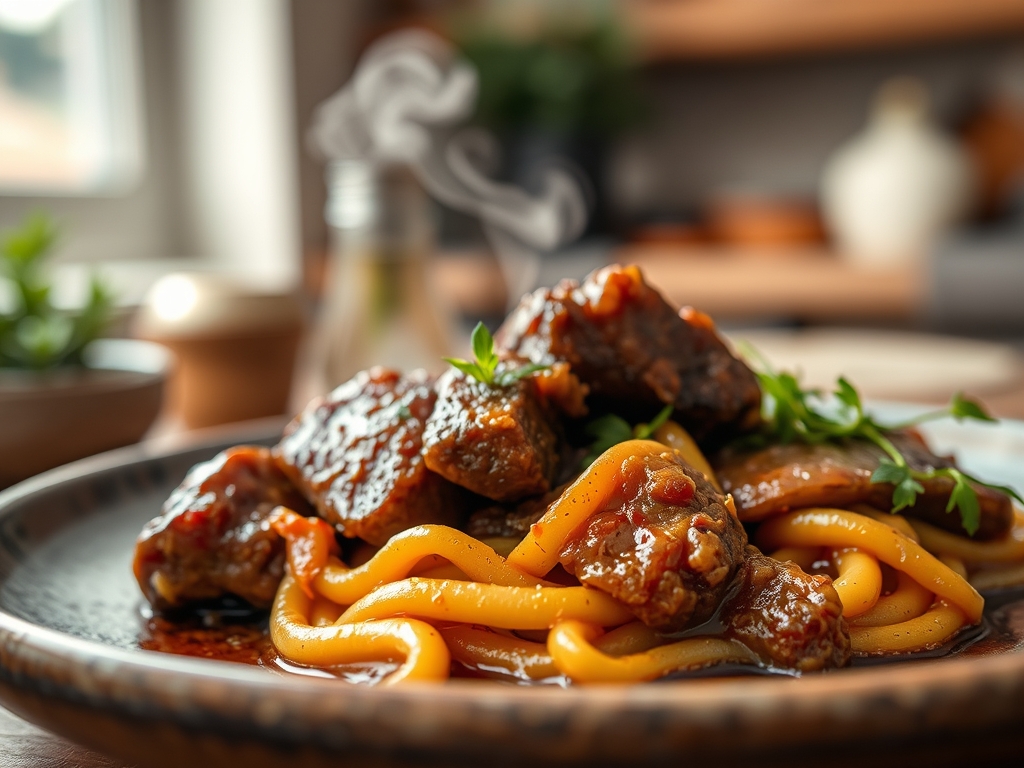
Picture this: you are pulling a heavy Dutch oven from the rack, and the air in your kitchen is suddenly thick with the scent of toasted peppercorns and slow-simmered wine. There is a specific kind of magic that happens when a tough, stubborn cut of meat surrenders into buttery ribbons of protein. We are talking about the ultimate comfort food. Finding easy braised beef recipes is more than just a dinner win; it is an exercise in patience and molecular transformation. When you do it right, the fork should glide through the beef with zero resistance.
The secret is not just in the heat, but in the chemistry of the liquid and the vessel. We are moving past basic stews and into the realm of professional texture. Braising is a dual-method technique that uses dry heat to sear and moist heat to dissolve connective tissue. If you have ever ended up with beef that feels like chewing on a rubber band, you likely missed a critical thermal milestone. Today, we are going to fix that. We are going to master the art of the braise, turning cheap cuts into five-star luxury.
The Gathers:
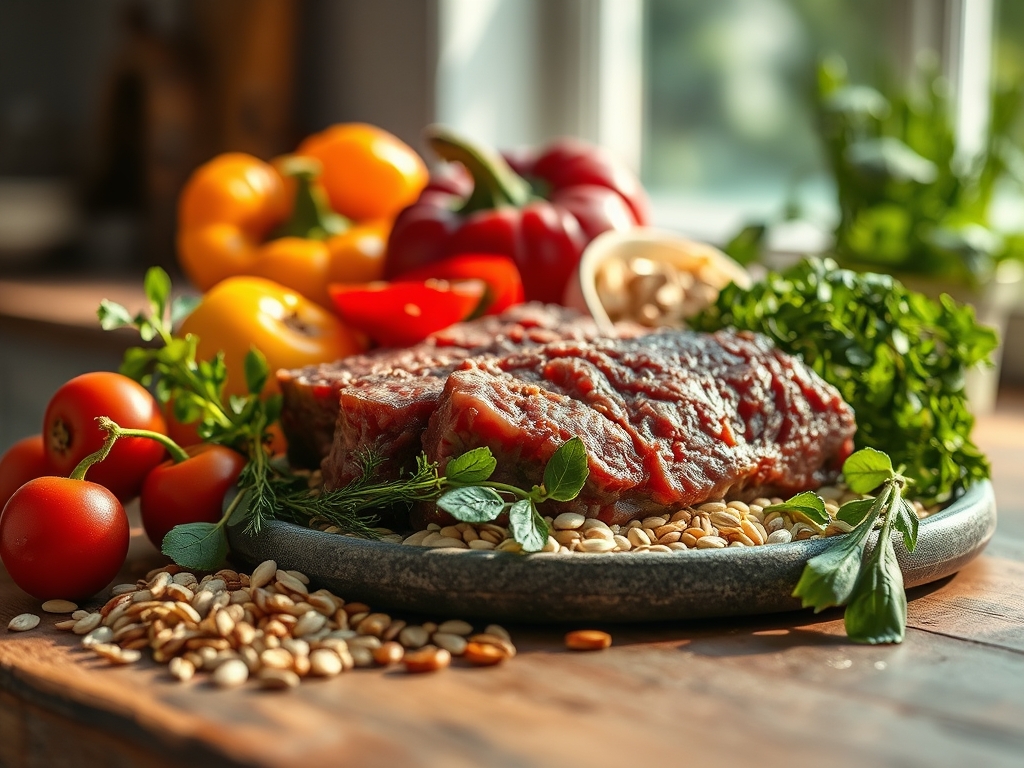
Before we strike a match, we need our mise-en-place. For easy braised beef recipes, the quality of your aromatics determines the depth of your sauce. You will need three pounds of chuck roast, which is the gold standard due to its high collagen content. Do not lean toward lean cuts like sirloin; they will turn into sawdust in the pot. You also need the holy trinity of French cooking: carrots, celery, and onions.
Grab your digital scale to measure out exactly 500 grams of beef stock and 250 milliliters of a dry red wine, like a Cabernet Sauvignon. The tannins in the wine help break down the muscle fibers while adding a piquant complexity. For the "Smart Substitutions," if you are avoiding alcohol, replace the wine with a mix of beef stock and two tablespoons of balsamic vinegar to maintain that necessary acidity. If you lack fresh herbs, a concentrated tomato paste provides the umami backbone needed to mimic a long-simmered stock. Ensure your tongs and a heavy-bottomed skillet are clean and ready.
The Clock
Efficiency in the kitchen is all about "Chef's Flow." You should expect about 30 minutes of active prep time and 3 to 4 hours of passive cooking time. This is not a dish you can rush with high heat. High heat causes muscle fibers to contract violently, squeezing out moisture and leaving the meat dry. Instead, we aim for a low and slow simmer at roughly 300 degrees Fahrenheit in the oven.
The flow looks like this: spend the first 15 minutes dicing your mirepoix with a sharp chef's knife. Use the next 15 minutes for the high-heat sear. Once the pot is in the oven, your work is done. This allows the collagen to slowly convert into gelatin, which creates that viscous, lip-smacking sauce texture.
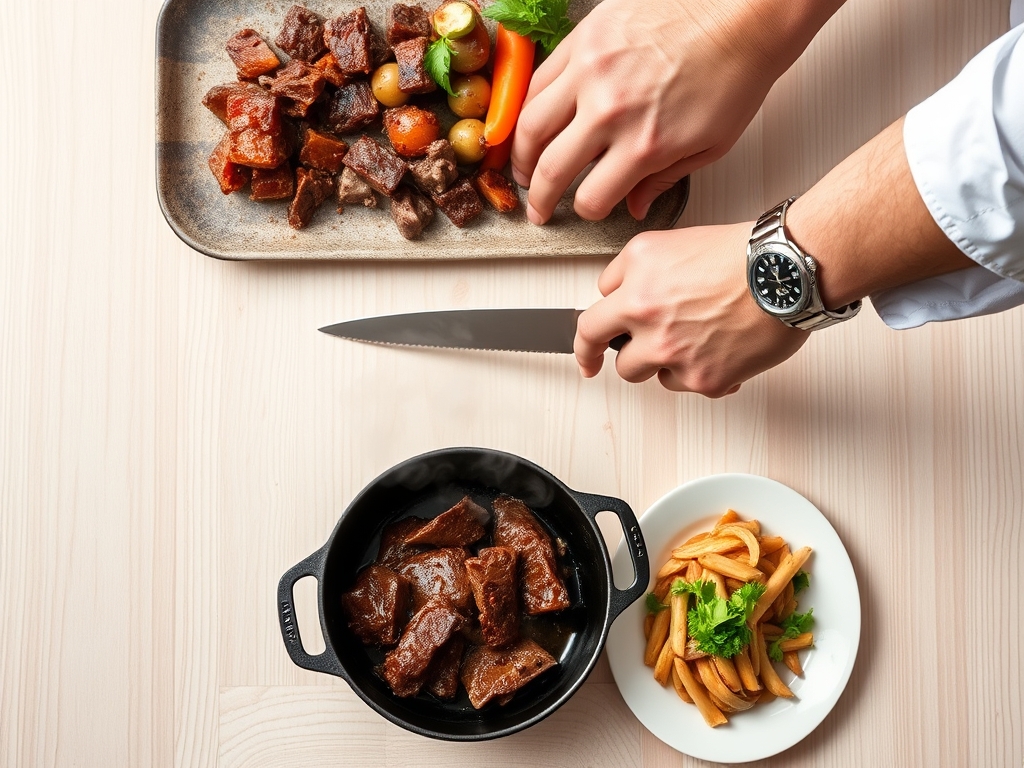
The Masterclass
1. The Seasoning and the Sear
Pat your beef completely dry with paper towels. Use your digital scale to measure out kosher salt and cracked black pepper, coating every inch of the meat. Heat your heavy-bottomed skillet until the oil is shimmering but not smoking.
Pro Tip: This step relies on the Maillard reaction. This is a chemical reaction between amino acids and reducing sugars that gives browned food its distinctive flavor. If the meat is wet, it will steam instead of sear, robbing you of deep flavor profiles.
2. Sautéing the Aromatics
Remove the beef and toss in your diced vegetables. Use a wooden spoon to scrape the bottom of the pan. You are looking for the vegetables to soften and the onions to become translucent, absorbing the rendered fat from the beef.
Pro Tip: This is called sweating the vegetables. It draws out their natural sugars without browning them too quickly, ensuring the base of your easy braised beef recipes is sweet and balanced rather than bitter.
3. Deglazing the Fond
Pour in your red wine or vinegar mixture. Use your spoon to vigorously scrape the brown bits stuck to the bottom of the pan. Those bits are called fond, and they are concentrated flavor gold.
Pro Tip: Deglazing is a solvent-based extraction. The alcohol and acidity in the liquid dissolve the caramelized proteins, allowing them to infuse into the sauce rather than staying stuck to the pan.
4. The Low and Slow Braise
Return the beef to the pot and add your stock until the meat is about two-thirds submerged. Cover tightly with a lid or foil. Place it in the oven and let the thermal energy do the heavy lifting.
Pro Tip: This stage involves hydrolysis. At temperatures between 160 and 180 degrees Fahrenheit, the tough collagen sheaths surrounding the muscle fibers break down into gelatin. This adds a rich, silky mouthfeel to the liquid.
5. The Final Reduction
Once the meat is tender, remove it from the pot. Place the pot on the stove over medium-high heat. Let the liquid bubble and reduce by half until it coats the back of a spoon. Use a microplane to zest in a little fresh garlic or lemon at the very end for a bright finish.
Pro Tip: Reducing the liquid increases its viscosity. As water evaporates, the concentration of gelatin and flavor compounds increases, creating a natural emulsion without the need for heavy flour thickeners.
The Deep Dive
From a macro nutrition perspective, braised beef is a protein powerhouse. A standard serving provides roughly 35 grams of protein and a significant dose of iron and B12. To keep it Keto-friendly, simply omit the carrots and serve over mashed cauliflower. For a Gluten-Free version, ensure your beef stock is certified, as some brands use barley-based thickeners. If you want a Vegan alternative, use large chunks of king oyster mushrooms or seitan, though the cooking time will drop significantly to about 45 minutes.
Even experts run into "The Fix-It" moments. If your sauce is too salty, drop in a peeled, halved potato for 10 minutes; it will absorb excess sodium. If the meat is tough after 3 hours, it simply needs more time; the collagen hasn't fully converted yet. If the sauce is too thin, whisk in a small beurre manie (equal parts butter and flour) to instantly thicken the liquid.
For meal prep, braised beef is actually better on day two. As it cools, the meat reabsorbs the flavorful cooking liquid. When reheating, do so gently on the stove with a splash of water to prevent the gelatin from scorching.
The Wrap-Up
Mastering easy braised beef recipes is like learning a secret language of comfort. It is about the transition from raw, tough ingredients to a sophisticated, unified dish. By focusing on the Maillard reaction and the slow conversion of collagen, you are not just cooking; you are performing culinary engineering. Grab your favorite bowl, a crusty piece of bread, and enjoy the fruits of your slow-cooked labor.
The Kitchen Table
What is the best cut for easy braised beef recipes?
The beef chuck roast is the superior choice. It contains high amounts of connective tissue and fat. During the long cooking process, this collagen melts into gelatin, ensuring the meat remains moist and incredibly tender.
Why is my braised beef still tough?
If your beef is tough, it likely hasn't cooked long enough. Braising requires time for the collagen to break down. Even if the meat is cooked through, it needs extra hours at low heat to reach that "fall-apart" texture.
Can I braise beef without wine?
Yes, you can substitute wine with extra beef stock and a splash of acidity. Use balsamic vinegar, red wine vinegar, or even a bit of tomato paste. Acidity is crucial for balancing the richness of the beef fat.
Do I have to sear the meat first?
Searing is essential for flavor but not for safety. Browning the meat via the Maillard reaction creates complex flavor compounds that cannot be developed through simmering alone. It provides the deep, savory "brown" taste characteristic of great braises.