
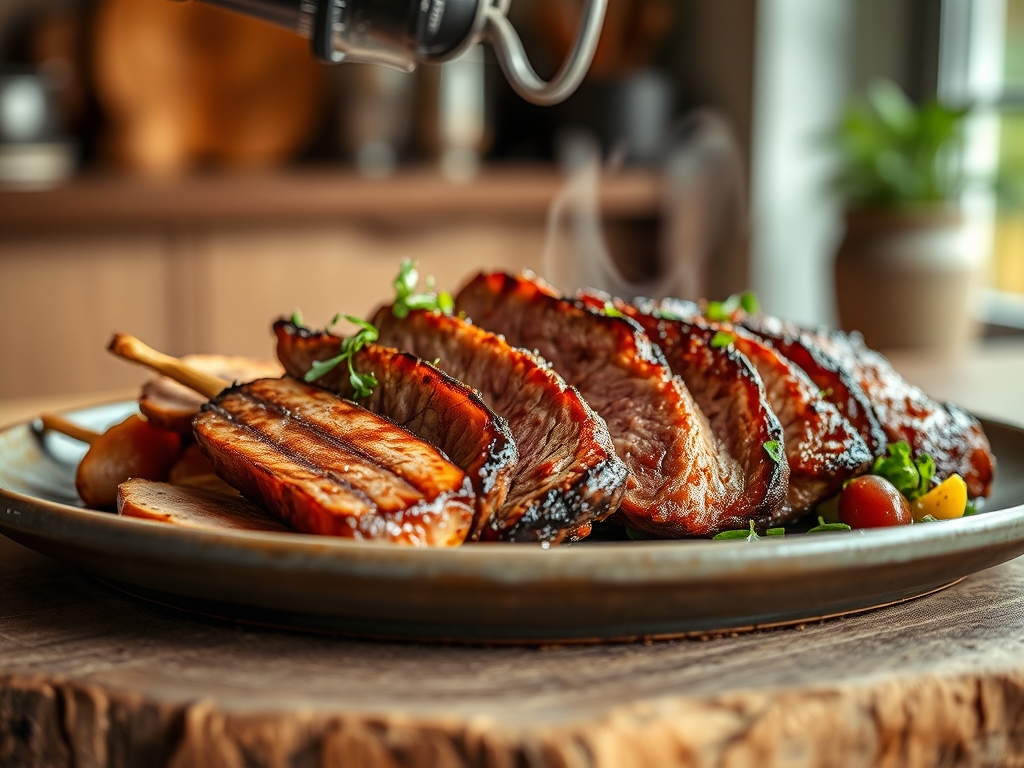
Imagine the scent of hickory smoke swirling through the crisp evening air as a massive prime rib develops a dark, salty crust. We are moving beyond basic grilling into the realm of high-level meat science where fire meets finesse. Mastering bbq roast beef recipes is not just about heat; it is about the controlled transformation of connective tissue into liquid gold. Whether you are aiming for a traditional Sunday dinner or a modern backyard feast, the goal is a uniform medium-rare center protected by a deeply caramelized exterior. We are talking about beef that is so tender it practically sighs under the weight of your carving knife. This process requires patience, a bit of wit, and a deep understanding of how muscle fibers react to thermal energy. Grab your apron and a cold drink because we are about to turn your patio into a five-star steakhouse. We will explore the nuances of smoke penetration, the chemistry of the sear, and why your digital thermometer is your most honest friend in the kitchen.
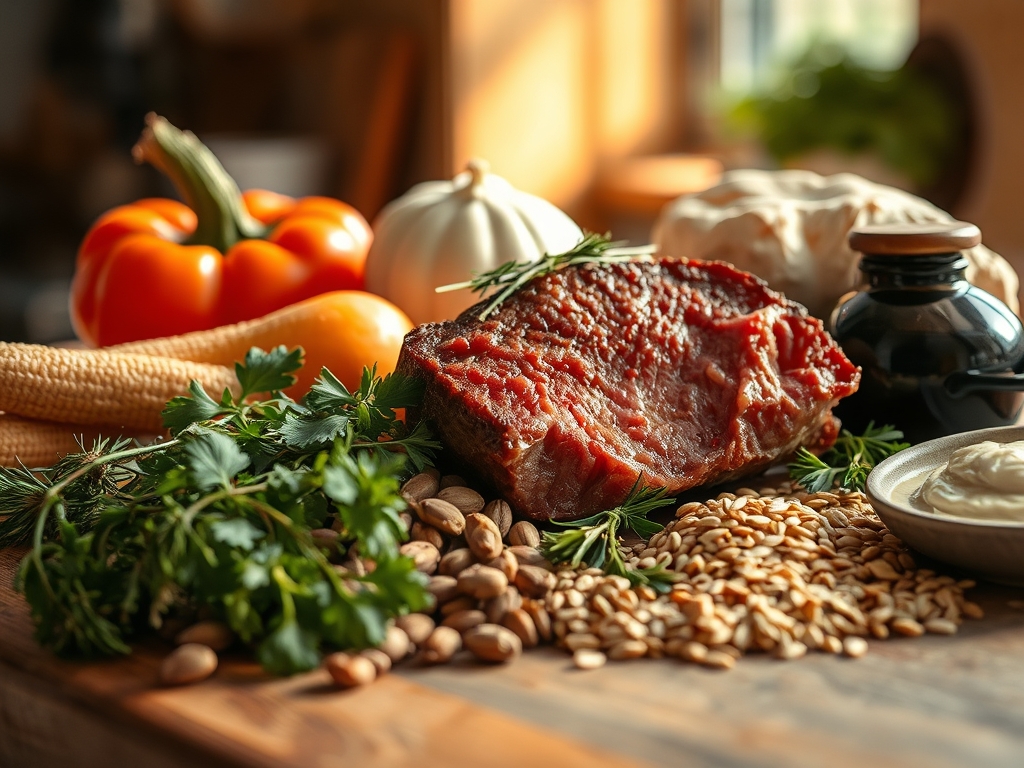
The Gathers:
To execute a masterpiece, your mise-en-place must be flawless. Start with a five to seven pound roast, preferably a ribeye or a top round with significant marbling. You will need high-quality kosher salt, which has larger crystals that adhere better to the meat surface than fine table salt. For the rub, gather cracked black peppercorns, dehydrated garlic, and smoked paprika to provide a piquant base. You will also need a high-smoke-point oil, such as avocado or grapeseed oil, to facilitate heat transfer without burning.
Professional tools are non-negotiable here. Ensure you have a digital meat probe for real-time tracking, a set of heavy-duty tongs for maneuvering the weight, and a microplane to zest fresh horseradish for the finishing sauce. If you are making a jus, have a saucier and a fine-mesh strainer ready.
Smart Substitutions: If you cannot find a prime rib, a Tri-Tip is a fantastic, faster-cooking alternative that responds beautifully to smoke. For those avoiding nightshades, swap the paprika for ground mustard seed to maintain that sharp, earthy bite. If you lack a smoker, use a few drops of high-quality liquid smoke in your marinade and cook over indirect heat on a standard charcoal grill to mimic the authentic wood-fired profile.
The Clock
Efficiency in the kitchen is about the Chef's Flow, which is the rhythmic synchronization of prep and cook times. For a standard four-pound roast, expect a total commitment of about four hours. This includes one hour of "tempering" where the meat sits at room temperature to ensure even heat penetration. The actual cook time usually spans two to three hours depending on your target internal temperature and the stability of your fire. Finally, you must account for a mandatory thirty-minute rest period. This is not downtime; it is the phase where the internal juices redistribute, ensuring your first slice does not result in a dry mess on the cutting board.
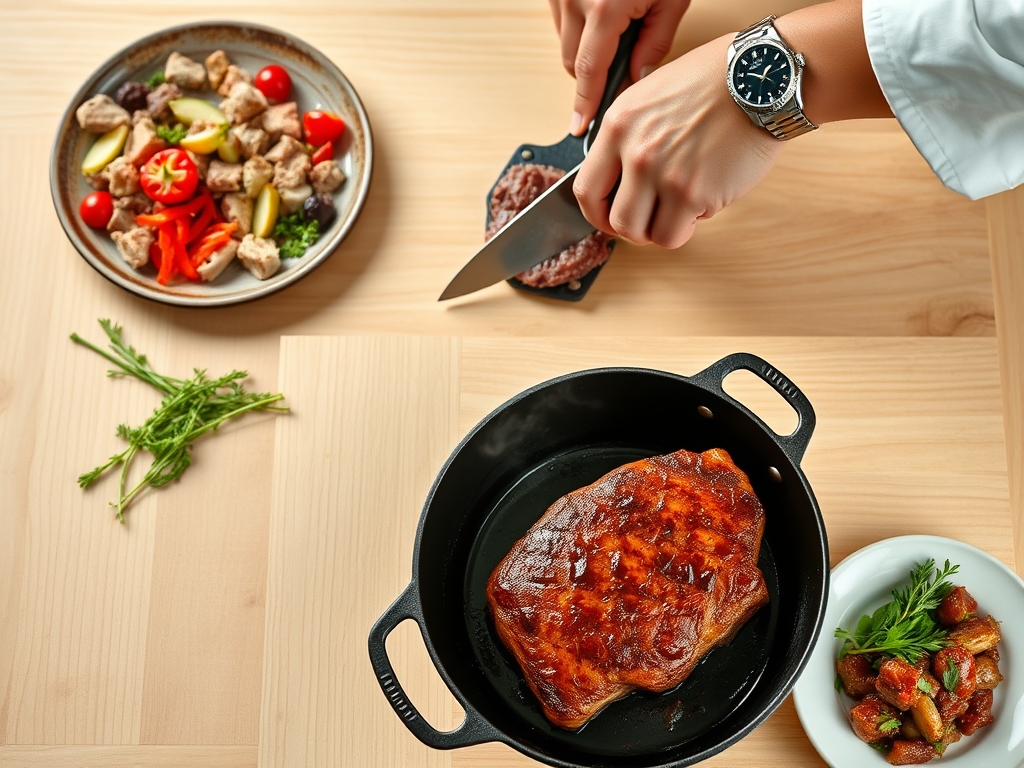
The Masterclass
1. The Dry Brine Protocol
At least twelve hours before cooking, coat the beef liberally with salt. This process uses osmosis to draw moisture out, dissolve the salt, and then pull that seasoned brine back into the muscle fibers. Place the meat on a wire rack over a baking sheet to allow air to circulate around the entire surface.
Pro Tip: This technique facilitates the Maillard Reaction. By dehydrating the surface of the meat, you ensure that the heat of the grill goes toward browning the proteins rather than evaporating surface water, resulting in a superior crust.
2. Tempering and Seasoning
Remove the beef from the refrigerator sixty minutes before it hits the grates. Apply your spice rub now. Use a light coating of oil to help the spices stick and to act as a thermal conductor. Ensure the rub is pressed firmly into every crevice of the roast.
Pro Tip: Tempering prevents a "cold core." If the center of the roast is too cold when it hits the heat, the exterior will overcook and turn grey before the middle reaches a safe, delicious temperature.
3. Setting the Two-Zone Fire
Arrange your coals or burners to create a hot zone and a cool zone. You want the ambient temperature of the grill to hover around 250 degrees Fahrenheit. Place the beef on the cool side, away from direct flames, and close the lid to begin the slow roasting process.
Pro Tip: This is known as indirect convection. The air circulates around the meat like an oven, allowing the collagen to break down slowly into gelatin without tightening the muscle fibers too aggressively.
4. The Smoke Infusion
Add wood chunks like oak or pecan directly to the coals. You are looking for "blue smoke," which is thin and nearly invisible. Avoid thick, white billowy smoke, as it contains creosote which tastes bitter and medicinal.
Pro Tip: Smoke particles are most attracted to cold, moist surfaces. This is why we apply the smoke early in the process before the exterior of the meat has fully dried out and formed a bark.
5. The Reverse Sear
Once the internal temperature hits 115 degrees Fahrenheit, move the roast directly over the high-heat zone. Use your tongs to rotate the meat every thirty seconds until a dark, mahogany crust forms. This should only take about five minutes total.
Pro Tip: This final blast of heat triggers enzymatic browning. Because the meat is already warm, the sear happens rapidly, minimizing the "grey band" of overcooked meat beneath the surface.
6. The Precision Pull
Remove the beef from the grill when the internal temperature reaches 125 degrees Fahrenheit for a perfect medium-rare. Use a digital scale to weigh your finished product if you are tracking yields for a large party.
Pro Tip: Account for thermal carryover. The internal temperature will continue to rise by five to ten degrees after the meat is removed from the heat source as the energy from the exterior moves inward.
7. The Sacred Rest
Place the roast on a warm platter and tent it loosely with foil. Do not wrap it tightly, or you will steam the crust you worked so hard to build. Let it sit for thirty minutes before using a sharp carving knife to slice against the grain.
Pro Tip: Resting allows the viscous juices to thicken and reabsorb into the protein matrix. If you cut too soon, the pressure from the tightened muscle fibers will push all the moisture out onto the board.
The Deep Dive
From a nutritional standpoint, bbq roast beef is a powerhouse of protein, B12, and zinc. A six-ounce serving typically contains about 45 grams of protein and 20 grams of fat, depending on the cut. For a Keto version, simply ensure your rub contains no sugar or honey. Vegan guests can enjoy "roast" cauliflower heads treated with the same dry rub and smoking technique. For Gluten-Free diners, always check that your Worcestershire sauce or beef base is certified GF.
The Fix-It:
- The Stall: If the temperature stops rising, do not panic. This is evaporative cooling. Wrap the meat in butcher paper to trap heat and push through.
- Bitter Bark: If the crust tastes like ash, your wood was likely too wet or the airflow was restricted. Next time, ensure your vents are open to allow oxygen to feed a clean fire.
- Uneven Cooking: If one side is done before the other, use a bench scraper to move coals or rotate the meat more frequently to balance the heat distribution.
Meal Prep: To reheat leftovers without losing quality, use a "low and slow" approach. Place slices in a shallow pan with a splash of beef stock, cover tightly with foil, and warm in a 250-degree oven. This creates a gentle steam that re-hydrates the meat without re-cooking it to a well-done state.
The Wrap-Up
You are now armed with the technical prowess to dominate any backyard gathering. Remember that bbq roast beef recipes are a marriage of elemental fire and scientific precision. By respecting the rest period and monitoring your internal temperatures with a hawk's eye, you ensure a result that is consistently spectacular. Go forth, stoke those coals, and prepare to be the hero of the dinner table. Your journey from a casual griller to a master of the roast begins with that first puff of blue smoke.
The Kitchen Table
What is the best wood for bbq roast beef?
Oak and hickory are the gold standards for beef. They provide a robust, earthy flavor that stands up to the rich fats of the roast without overpowering the natural meatiness. Fruitwoods like cherry can add a beautiful reddish tint to the crust.
How do I prevent the meat from becoming tough?
The key is low temperatures and a long rest. Cooking at 250 degrees allows connective tissues to melt into gelatin. Resting for thirty minutes ensures the muscle fibers relax, trapping moisture inside the meat rather than letting it escape during carving.
Can I make this recipe in a gas grill?
Yes, simply turn off one side of the burners to create an indirect heating zone. Place a foil packet of wood chips over the active burner to generate smoke. Keep the lid closed to maintain a steady convection current around the roast.
What internal temperature is considered medium-rare?
For a perfect medium-rare, pull the beef off the grill at 125 degrees Fahrenheit. During the resting phase, carryover cooking will bring the final internal temperature to a steady 130 to 135 degrees, which is the sweet spot for flavor and texture.