
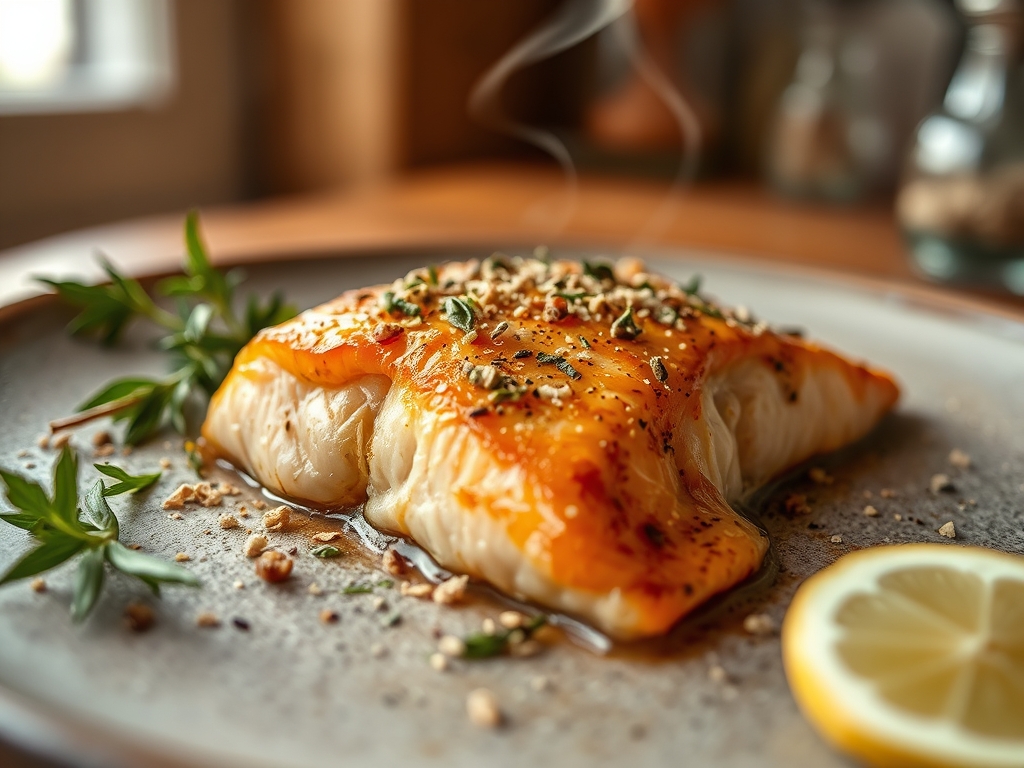
Imagine the scent of citrus zest hitting a hot oven. The sound of a delicate skin-side sizzle is the ultimate kitchen siren song. Finding the perfect seasoning for baked salmon recipes is not just about flavor; it is about the chemistry of fat and heat. We are transforming a standard fillet into a buttery masterpiece that flakes with the lightest touch of a fork.
The secret lies in the balance of acidity and aromatics. Salmon is a fatty, cold-water fish rich in Omega-3 oils. These lipids need high-contrast pairings to truly sing. Whether you crave a smoky chipotle crust or a bright Mediterranean herb rub, your oven is the laboratory. We are going to master the art of the dry rub and the viscous glaze to ensure every bite is succulent. Grab your favorite apron and a glass of crisp white wine. We are diving deep into the science of seasoning for baked salmon recipes to elevate your weeknight dinner into a five-star experience.
The Gathers:
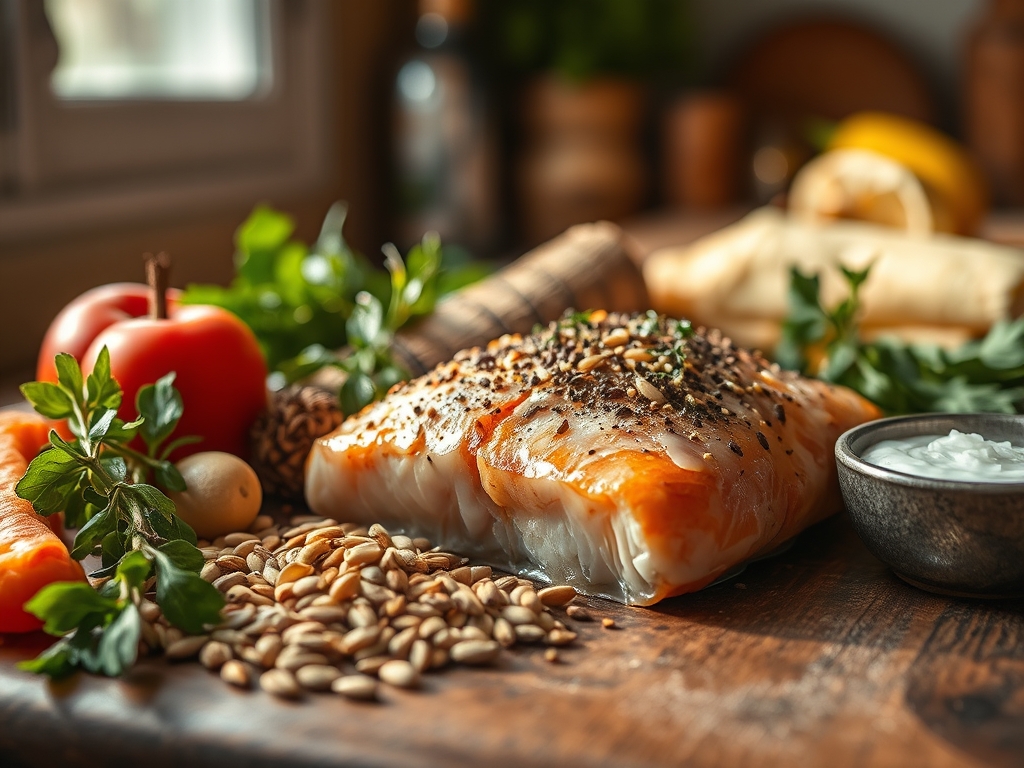
To achieve culinary excellence, your mise-en-place must be precise. Start with high-quality, center-cut fillets. Use a digital scale to ensure your portions are uniform; this prevents uneven cooking. You will need a microplane for zesting citrus, as this tool releases the essential oils without the bitter white pith. For your seasoning blends, gather piquant spices like smoked paprika, cracked peppercorns, and dried dill.
A heavy-bottomed skillet or a parchment-lined baking sheet is essential for heat distribution. Ensure you have a high-quality olive oil or melted ghee to act as a carrier oil for your spices. The fat helps the fat-soluble flavor compounds in your seasonings penetrate the protein fibers.
Smart Substitutions:
If you lack fresh lemons, a splash of white wine vinegar provides the necessary acidity to cut through the fat. No brown sugar for your glaze? Honey or maple syrup offers the same hygroscopic properties to keep the fish moist while providing the sugars needed for caramelization. If you are avoiding sodium, use nutritional yeast for a nutty, savory profile that mimics the depth of a salty rub.
The Clock
Efficiency in the kitchen is about Chef's Flow. Total preparation time for these blends is roughly 10 minutes. The actual baking time depends on the thickness of the fillet, but generally ranges from 12 to 15 minutes at 400 degrees Fahrenheit.
The flow begins with bringing your salmon to room temperature for 15 minutes. This prevents thermal shock, which causes the muscle fibers to tighten and push out moisture. While the fish rests, prepare your seasoning. The final 5 minutes of your "clock" are reserved for the resting period after the fish leaves the oven. This allows the internal juices to redistribute, ensuring a tender texture.
The Masterclass
1. Surface Preparation and Moisture Control
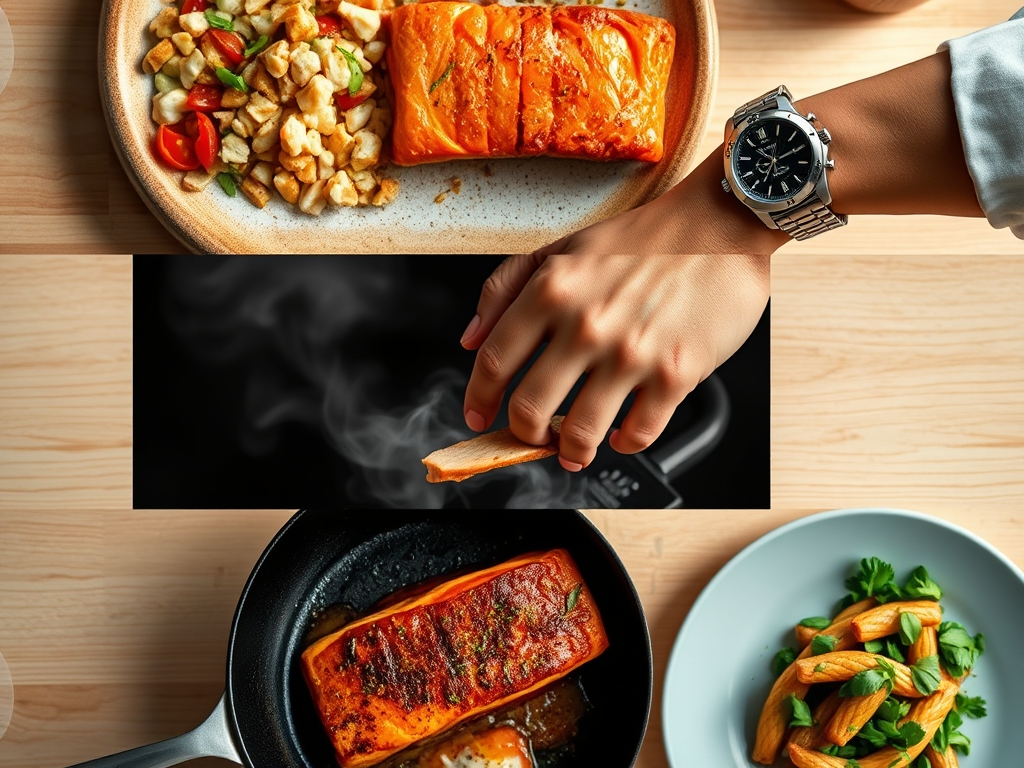
Use a lint-free paper towel to pat the salmon bone-dry. Removing surface moisture is the only way to avoid a "steamed" texture. A dry surface allows the seasoning to adhere directly to the flesh rather than sliding off in a pool of water.
Pro Tip: This technique facilitates the Maillard reaction. By removing water, you allow the surface temperature to rise rapidly above 285 degrees Fahrenheit, which creates complex flavor compounds and a beautiful golden-brown crust.
2. The Oil Application and Infusion
Lightly coat the fillet with a thin layer of oil using a silicone pastry brush. This creates an emulsification layer between the fish and the dry spices. It also prevents the delicate proteins from sticking to your baking vessel.
Pro Tip: Fat is a flavor conductor. Many aromatic compounds in spices like cumin or paprika are lipophilic, meaning they dissolve and intensify in the presence of oil, ensuring the flavor reaches the center of the fillet.
3. Even Seasoning Distribution
Hold your hand roughly twelve inches above the fish as you sprinkle your seasoning for baked salmon recipes. This height ensures an even, "snow-like" coverage rather than concentrated clumps of salt or spice.
Pro Tip: Use a bench scraper to clean your workspace immediately after seasoning. This prevents cross-contamination and keeps your station organized, which is a hallmark of professional kitchen management.
4. Thermal Execution and Monitoring
Place the salmon in the center of the oven. Use a probe thermometer to monitor the internal temperature. You are aiming for 135 degrees Fahrenheit for a perfect medium-rare to medium finish.
Pro Tip: Understand thermal carryover. The internal temperature of the salmon will continue to rise by 5 to 7 degrees after you remove it from the heat. Pulling the fish at 135 degrees ensures it reaches the ideal 140 degrees while resting.
5. The Rest and Finish
Transfer the salmon to a warm plate and tent it loosely with foil. Do not wrap it tightly, as this will trap steam and soften any crust you have developed. After five minutes, use a saucier to drizzle any remaining pan juices or a fresh squeeze of lemon over the top.
Pro Tip: Resting allows the viscous proteins to firm up slightly. If you cut into the fish immediately, the pressurized juices will escape, leaving the meat dry and fibrous.
The Deep Dive
Macro Nutrition:
Salmon is a nutritional powerhouse. A 6-ounce portion typically contains 34 grams of high-quality protein and about 18 grams of healthy fats. It is naturally low in carbohydrates, making it a staple for various dietary lifestyles.
Dietary Swaps:
For a Keto version, focus on herb-heavy rubs with zero sugar. Vegan "salmon" alternatives, like marinated carrots or tofu, can use these same seasoning blends to mimic the savory profile. For Gluten-Free needs, ensure your spices are certified and avoid any soy-sauce-based glazes unless using tamari.
The Fix-It:
- White Stuff Appearing: This is albumin, a protein that leaches out when salmon is cooked too fast or too high. Fix: Lower the oven temp and ensure the fish was at room temperature before baking.
- Bland Flavor: The seasoning didn't penetrate. Fix: Score the skin or the top of the flesh slightly with a sharp knife to allow the rub to settle deeper.
- Sticking to Pan: The pan wasn't preheated or oiled. Fix: Use a thin metal spatula to gently pry the fish up, or bake on a bed of lemon slices next time.
Meal Prep Science:
To reheat salmon without it becoming "fishy" or dry, use a low-temperature oven (275 degrees) with a splash of water covered in foil. This creates a micro-steam environment that gently rehydrates the proteins without overcooking them.
The Wrap-Up
Mastering the seasoning for baked salmon recipes is a gateway to culinary confidence. By understanding the interplay between moisture, heat, and aromatics, you transform a simple ingredient into a sophisticated meal. Remember to respect the chemistry of the fish; use high-quality tools, monitor your temperatures, and never skip the rest period. Now, go forth and create a kitchen that smells like a coastal bistro!
The Kitchen Table
How do I keep salmon moist in the oven?
Avoid overcooking by using a digital thermometer. Pull the fish at 135 degrees Fahrenheit. Patting the fish dry and using a carrier oil like olive oil also helps lock in internal moisture through the baking process.
What is the best temperature for baked salmon?
Baking at 400 degrees Fahrenheit is ideal. This high heat encourages the Maillard reaction for a flavorful crust while cooking the interior quickly enough to remain succulent. Lower temperatures often result in a mushy, steamed texture.
Should I bake salmon covered or uncovered?
Bake it uncovered to achieve a roasted, caramelized exterior. If you prefer a poached texture, you can wrap it in parchment paper or foil, but you will lose the complex flavors associated with browning and spice crusts.
Can I use dried herbs instead of fresh?
Yes, but use a one-to-three ratio. Dried herbs are more concentrated than fresh. For seasoning for baked salmon recipes, dried herbs often work better in dry rubs as they do not wilt or burn as easily under high heat.