
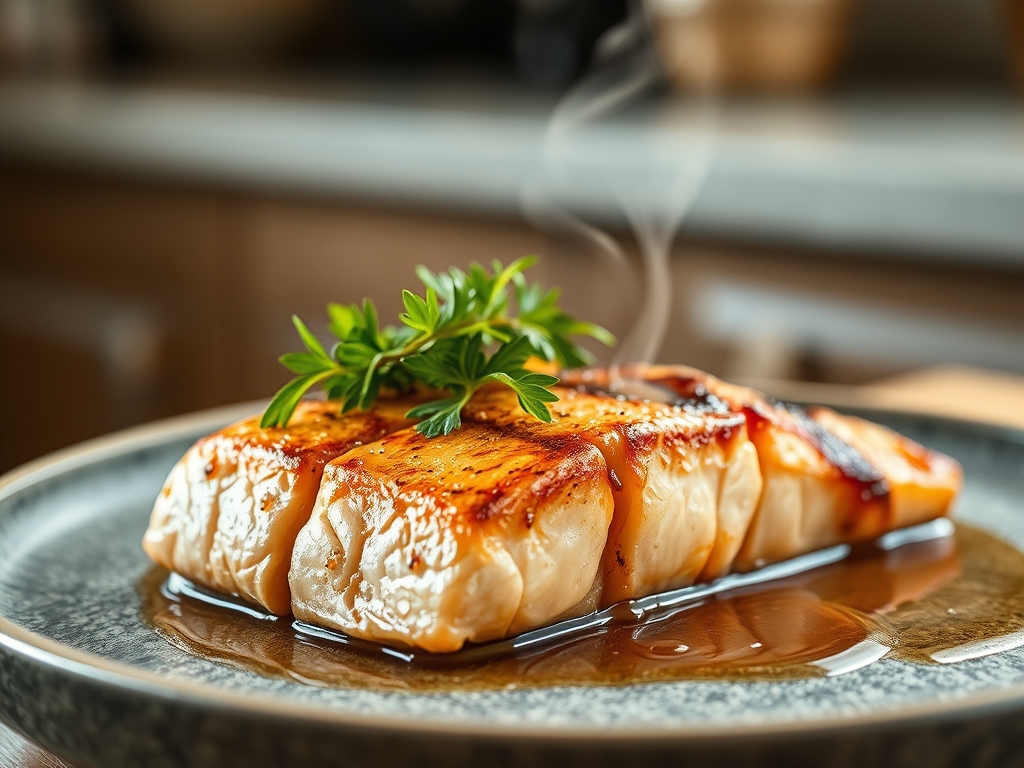
Imagine the scent of cedar smoke mingling with the floral sweetness of wildflower honey as it caramelizes over an open flame. There is a specific, visceral magic that happens when high heat meets the fatty acids of a fresh fillet. If you are hunting for the ultimate honey grilled salmon recipes, you are not just looking for a meal; you are looking for that perfect intersection of a glass-like glaze and a flake that melts the moment it hits your tongue.
The secret to restaurant-quality salmon at home is not a mystery. It is a series of deliberate, scientific choices. We are talking about the Maillard reaction, that beautiful chemical dance where amino acids and reducing sugars create a savory crust. Most home cooks struggle with salmon because they treat it like chicken or beef. Salmon is delicate; it requires a balance of acidity to cut the fat and a viscous glaze to protect the moisture within the flesh. Today, we are going to master the art of the sear, the science of the glaze, and the precise timing required to turn a simple piece of fish into a culinary masterpiece. Grab your apron; we are going to get technical.
The Gathers:
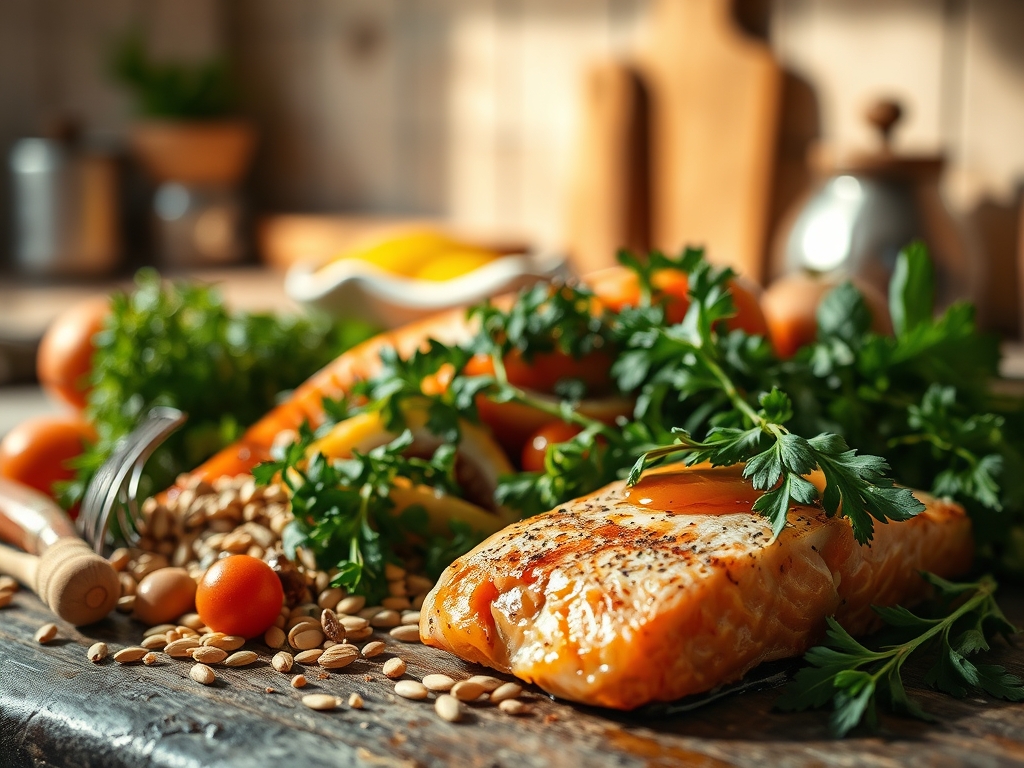
To execute these honey grilled salmon recipes with precision, your mise-en-place must be flawless. We start with the star: a center-cut Atlantic or King salmon fillet. Look for vibrant color and firm flesh that springs back when touched. You will need high-quality honey; look for raw varieties which have more complex flavor profiles than processed syrups.
For the aromatics, we use a microplane to zest fresh lemons and grate garlic into a fine paste. This increases the surface area, allowing the flavors to infuse the oil more rapidly. You will need a neutral oil with a high smoke point, such as avocado oil, to prevent acrid flavors during the sear. To balance the sweetness, we incorporate soy sauce or liquid aminos for a hit of umami and a splash of apple cider vinegar to provide a piquant counterpoint to the honey.
Smart Substitutions:
If you are avoiding soy, coconut aminos offer a similar depth with less sodium. For those who want a kick, swap the black pepper for gochugaru or red pepper flakes. If fresh lemons are unavailable, a high-quality rice vinegar provides the necessary acidity to break down the fish proteins slightly, ensuring a tender bite.
The Clock
Efficiency in the kitchen is about "Chef's Flow." This means performing tasks in an order that maximizes flavor development while minimizing downtime. Total prep time is 15 minutes, while the actual cook time is a swift 10 to 12 minutes.
The flow begins with the "Chill Phase." Your salmon should sit at room temperature for about 20 minutes before hitting the heat. Cooking ice-cold fish causes the muscle fibers to contract violently, squeezing out moisture and resulting in a tough texture. While the fish tempers, you will whisk your glaze in a small saucier. This allows you to simmer the honey and aromatics slightly, thickening the mixture into a viscous coating that will actually stick to the fish rather than sliding off into the grates.
The Masterclass
1. The Prep and Pat
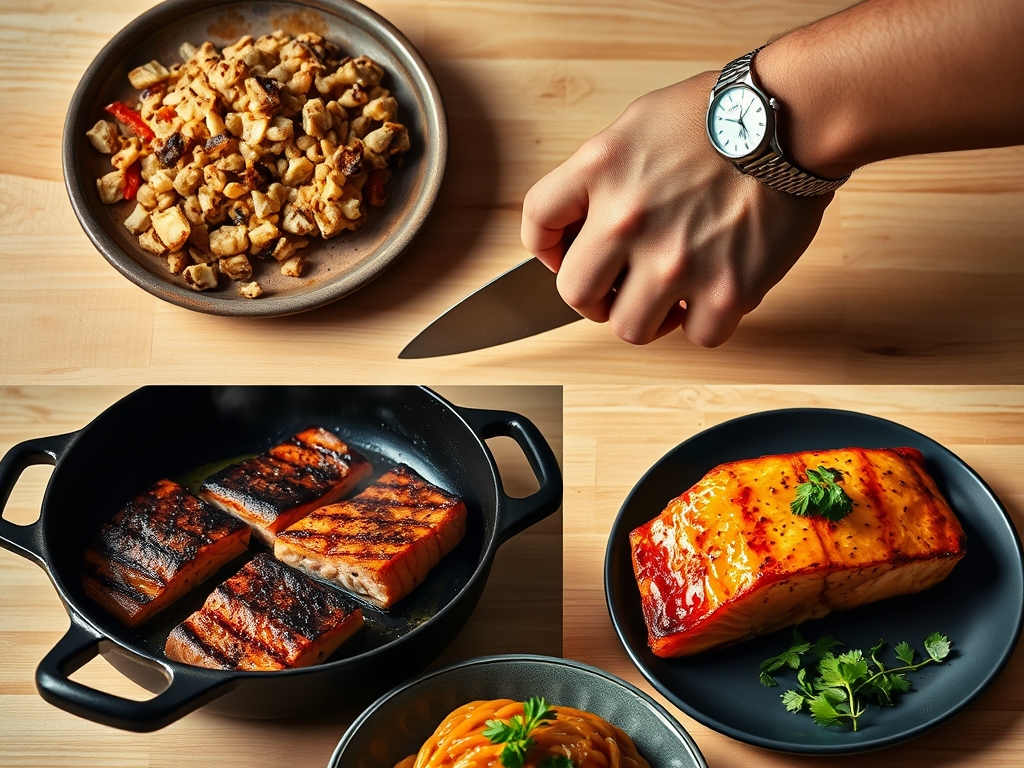
Dry the salmon thoroughly using paper towels. Moisture is the enemy of the sear. If the surface is damp, the fish will steam rather than brown. Use a sharp knife to score the skin slightly if you are keeping it on; this prevents the fillet from curling as the proteins tighten.
Pro Tip: This technique prevents the "albumin bleed," which is that white protein that seeps out when fish is cooked too fast or starts too wet.
2. The Emulsified Marinade
In a small bowl, whisk your honey, soy, garlic, and oil until they are fully emulsified. You want a homogenous liquid. Brush a thin layer onto the salmon, saving the bulk of the mixture for the final glazing stages.
Pro Tip: Honey is a humectant, meaning it attracts water. By coating the fish early, you create a barrier that helps retain internal juices during the initial heat blast.
3. The High-Heat Contact
Place the salmon on a preheated grill or a heavy-bottomed skillet. If using a grill, ensure the grates are cleaned and oiled. Lay the fish flesh-side down first to get those iconic char marks.
Pro Tip: This initiates enzymatic browning. The sugars in the honey react with the fish proteins at 300 degrees Fahrenheit to create hundreds of new flavor compounds.
4. The Flip and Glaze
Use sturdy tongs or a fish spatula to gently flip the fillet once it releases naturally from the surface. Do not force it. Once flipped, generously brush the remaining honey mixture over the seared top.
Pro Tip: The "release" is a physical signal that the proteins have denatured and formed a crust. If it sticks, the Maillard reaction is not yet complete.
5. The Thermal Finish
Reduce the heat or move the fish to a cooler zone of the grill. Cover for the final two minutes. This allows the heat to penetrate the center without burning the honey-heavy exterior.
Pro Tip: Aim for an internal temperature of 125 degrees Fahrenheit for medium-rare. Thermal carryover will raise the temperature another 5 degrees while it rests.
The Deep Dive
When we look at the macro nutrition of honey grilled salmon recipes, we are looking at a powerhouse of Omega-3 fatty acids and high-quality protein. A standard 6-ounce serving provides roughly 34 grams of protein and a healthy dose of Vitamin D.
Dietary Swaps:
For a Vegan alternative, this honey-glaze technique works beautifully on thick slabs of cauliflower or firm tofu. For Keto followers, replace the honey with a monk fruit-based maple syrup substitute to keep the carb count near zero. This recipe is naturally Gluten-Free as long as you use tamari or coconut aminos instead of traditional soy sauce.
The Fix-It:
- The Glaze is Burning: Your heat is too high. Honey has a low burn point. Move the fish to indirect heat immediately and add a splash of water or lemon juice to the pan to lower the temperature.
- The Fish is Dry: You likely skipped the resting phase. Resting allows the juices to redistribute. If it is already overcooked, flake the fish and toss it with a bit of extra virgin olive oil and lemon.
- Skin is Soggy: You didn't start with a hot enough surface. To fix, finish the fish skin-side down in a searing hot pan for 60 seconds.
Meal Prep Science:
To reheat salmon without it smelling "fishy" or turning into rubber, avoid the microwave. The microwave agitates water molecules, which toughens the fish. Instead, use a low oven (275 degrees) with a splash of water in the dish, covered tightly with foil. This creates a steam chamber that gently rehydrates the fats.
The Wrap-Up
Mastering honey grilled salmon recipes is about respecting the chemistry of your ingredients. When you balance the viscous sweetness of honey with the high-heat intensity of a grill, you create a dish that is both sophisticated and comforting. Remember to dry your fish, temper your proteins, and watch your temperatures like a hawk. You have the tools, the science, and the steps; now go turn that fillet into something legendary.
The Kitchen Table
How do I stop salmon from sticking to the grill?
Ensure your grill grates are scrubbed clean and highly seasoned with oil. Most importantly, do not flip the fish until it naturally releases from the heat. This indicates the crust has fully formed, creating a non-stick barrier.
Can I use frozen salmon for this recipe?
Yes, but it must be completely thawed and patted dry. Frozen fish often contains extra moisture; if not dried properly, the honey glaze will become watery and fail to caramelize, resulting in a steamed texture rather than a sear.
What is the best honey for grilling?
Wildflower or Clover honey is ideal because they have balanced flavor profiles. Avoid very dark honeys like Buckwheat for this specific recipe, as their intense, earthy notes can overwhelm the delicate flavor of the salmon during the caramelization process.
How long can I marinate the salmon in honey?
Limit marinating to 30 to 60 minutes. Because honey and soy contain salts and acids, marinating for too long can actually begin to "cook" the fish (like ceviche), breaking down the protein structures and making the final result mushy.