
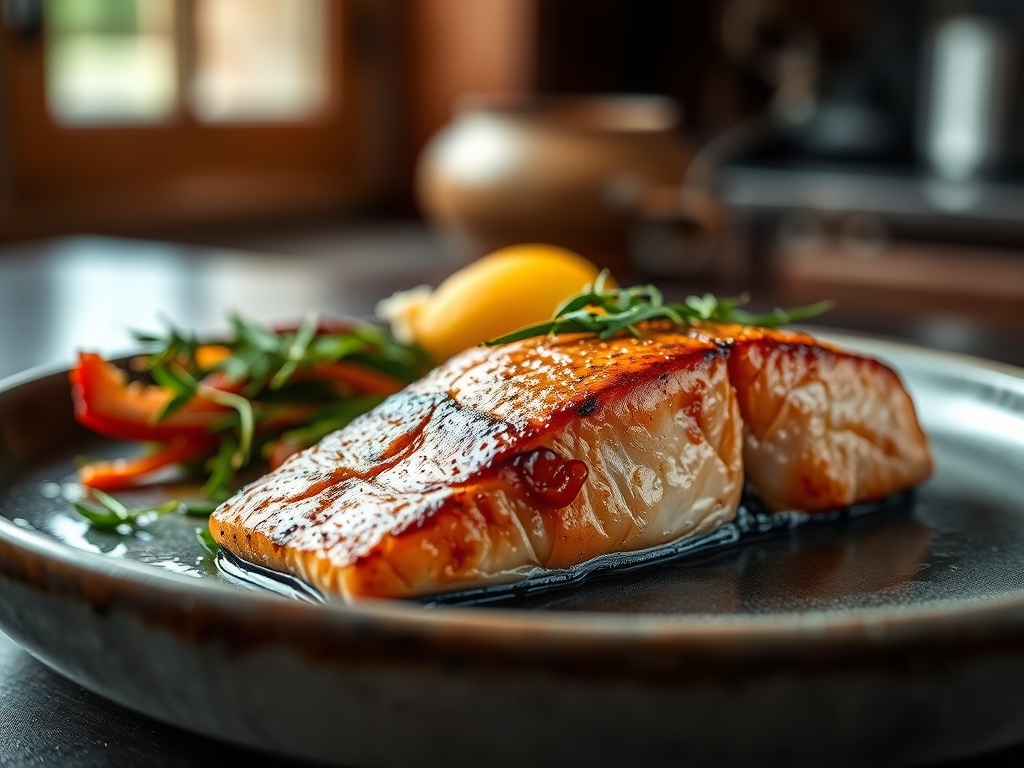
Close your eyes and imagine the sound of a high-heat sizzle hitting a heavy-bottomed skillet. That sharp, rhythmic crackle is the sound of the Maillard reaction in action. When it comes to sockeye salmon recipes pan seared to perfection, we are chasing a specific sensory profile: a glass-shattering skin, a succulent interior, and that deep ruby hue that only wild-caught Alaskan fish can provide.
Sockeye is the athlete of the salmon world. It is leaner, firmer, and more flavorful than its fatty Atlantic cousins. Because it contains less intramuscular fat, it requires a precision-guided approach to heat management. We are not just cooking dinner; we are performing a delicate thermal dance to ensure the proteins do not tighten into a rubbery mess. This guide will transform your kitchen into a high-end bistro, utilizing molecular principles to ensure every bite is a masterclass in texture and taste. Grab your favorite apron and a glass of crisp Sauvignon Blanc. We are about to turn a simple fillet into a culinary event that your friends will be talking about for months.
The Gathers:
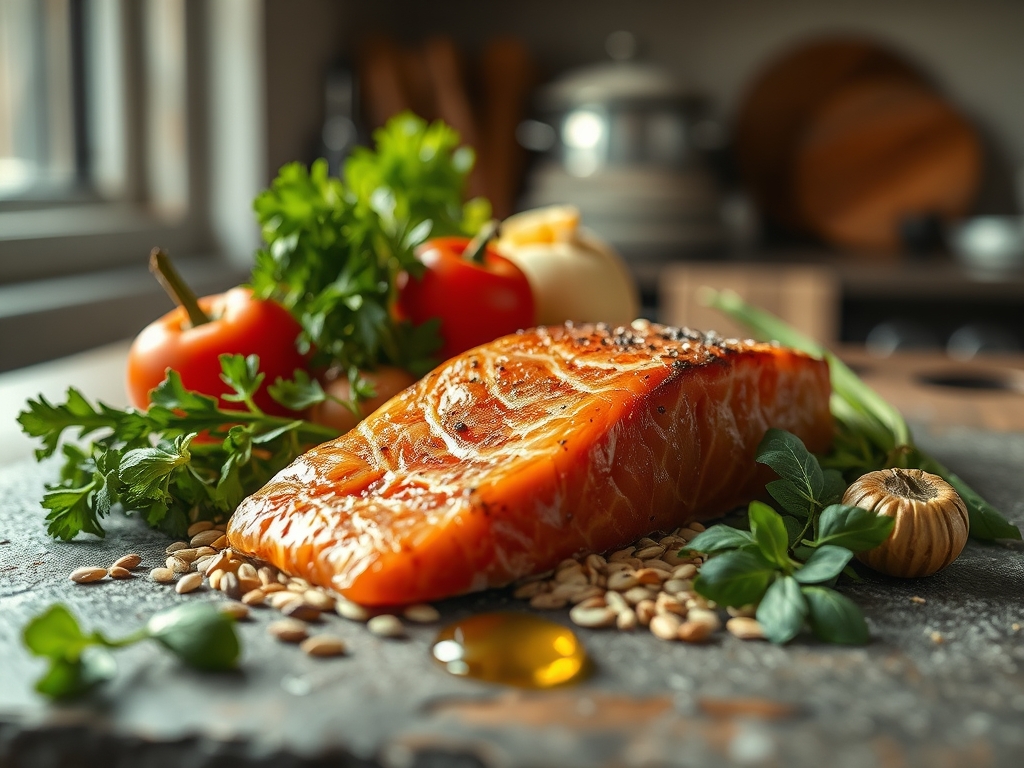
Before we ignite the burner, we must assemble our mise-en-place. Accuracy is the soul of consistency, so I recommend using a digital scale for your seasoning ratios. You will need four six-ounce sockeye fillets, skin-on. Ensure they are at room temperature to prevent a thermal shock that causes the muscle fibers to seize.
For the fat, skip the butter for the initial sear. We need a high smoke point oil like avocado or grapeseed oil. These fats remain stable at 400 degrees Fahrenheit, preventing the bitter acridity of burnt milk solids. You will also need kosher salt; the jagged flakes adhere better than table salt; and freshly cracked black pepper. For the finishing touch, gather cold unsalted butter, three sprigs of thyme, two crushed garlic cloves, and a bright lemon for zest.
Smart Substitutions: If you are avoiding dairy, swap the butter for a spoonful of refined coconut oil to maintain the viscous mouthfeel without the lactose. If sockeye is out of season, Coho is the best textural match. Avoid King salmon for this specific method, as its high fat content requires a slower rendering process.
The Clock
Efficiency in the kitchen is all about the "Chef's Flow." This is the sequence of operations that ensures nothing sits getting cold while you scramble for a garnish.
Prep Time: 15 minutes. This includes the crucial "dry-brining" phase where we salt the skin to draw out moisture through osmosis.
Cook Time: 6 to 8 minutes. Sockeye is thin; it moves from translucent to overdone in a heartbeat.
Total Time: 23 minutes.
The flow is simple: Prep the fish, preheat the pan, sear, baste, and rest. Never skip the rest. Resting allows the internal juices to redistribute. If you cut into it immediately, the moisture will flee onto the plate, leaving you with dry fibers.
The Masterclass
1. The Desiccation Ritual
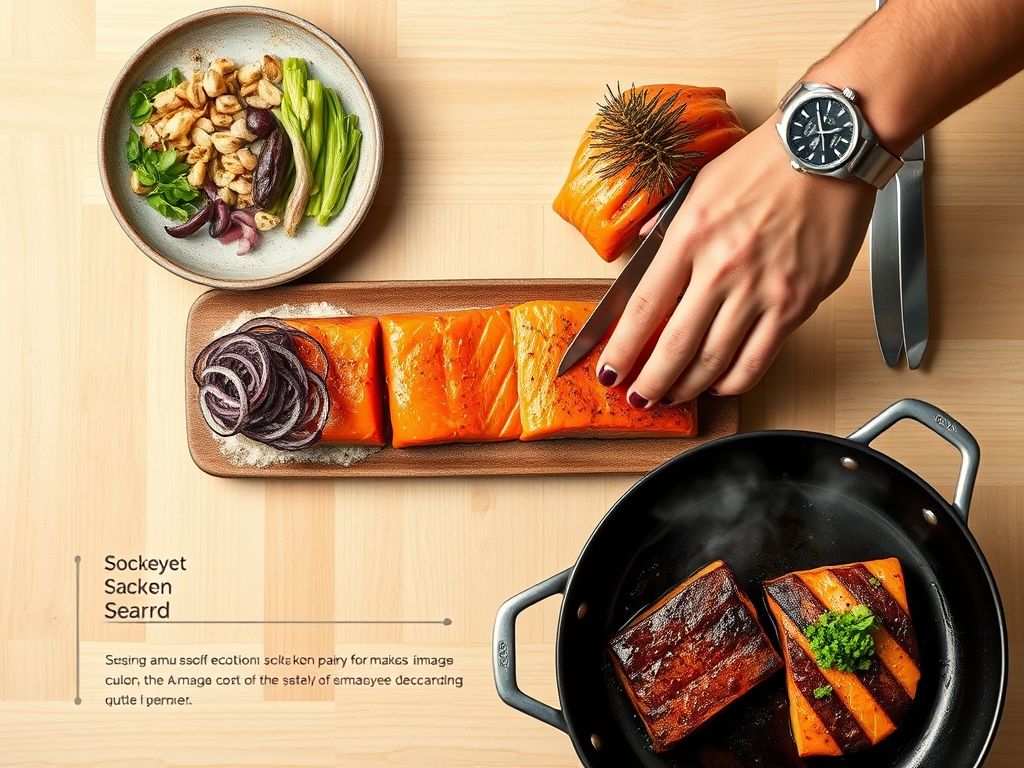
Use a bench scraper or the back of a knife to firmly scrape the skin of the salmon. You will see a small amount of moisture and "slime" come off. Wipe it dry with a paper towel. Repeat this until the skin feels like parchment paper.
Pro Tip: This is about surface area. Water is the enemy of the sear. If the skin is wet, the energy of the pan goes into evaporating that water (steaming) rather than browning the skin. This prevents enzymatic browning and results in rubbery skin.
2. The Weight of the World
Heat your heavy-bottomed skillet (cast iron or stainless steel is best) over medium-high heat. Add the oil. Once it shimmers, place the salmon skin-side down. Immediately press down with a flexible metal spatula for 30 seconds.
Pro Tip: Proteins contract when they hit heat. This causes the fillet to "arch" like a bridge, lifting the center of the skin away from the heat. Manual pressure ensures total contact, leading to a uniform, golden-brown crust across the entire surface.
3. The Gentle Flip
Monitor the side of the fillet. You will see the color change from deep red to a pale pink as the heat climbs. Once that "cooked" line reaches about 70 percent of the way up the side, use tongs to gently flip the fish.
Pro Tip: We do the majority of the cooking on the skin side. This protects the delicate flesh from direct heat, using the skin as a heat shield to gently cook the interior via conduction.
4. The Aromatic Baste
Drop the heat to medium. Toss in the butter, garlic, and thyme. As the butter foams, tilt the pan and use a large spoon to bathe the salmon in the hot, flavored fat. This is called "arroser."
Pro Tip: Butter contains water. When it hits the hot pan, it creates a nutty, toasted flavor profile. The fat acts as a flavor carrier, infusing the herbs and garlic deep into the crevices of the fish.
5. The Thermal Finish
Remove the fish when the internal temperature hits 120 degrees Fahrenheit for medium-rare. Place it on a warm plate.
Pro Tip: This accounts for thermal carryover. The residual heat on the surface will continue to move toward the center even after the fish is off the flame, bringing the final temperature to a perfect 125 to 130 degrees.
The Deep Dive
Macro Nutrition: Sockeye is a powerhouse. A six-ounce serving provides roughly 45 grams of high-quality protein and is packed with Omega-3 fatty acids. It is naturally low in sodium and contains zero carbohydrates, making it a staple for clean eating.
Dietary Swaps: For a Keto version, double the butter baste. For Vegan guests, you can apply this exact searing technique to thick-cut "steaks" of cauliflower or king oyster mushrooms, though you will need to increase the cook time. This recipe is naturally Gluten-Free, provided your seasonings are pure.
The Fix-It:
- Skin Sticking: This usually happens because the pan wasn't hot enough or you tried to flip too early. The fish will naturally release once the proteins have fully denatured and browned.
- Albumin Bleed: Those white bubbles on the side are albumin. It happens when heat is too high, too fast. Lower your flame to keep the proteins from squeezing out their moisture.
- Soggy Skin: If you plate the salmon skin-side down on a bed of sauce, it will lose its crunch. Always plate skin-side up or rest it on a wire rack.
Meal Prep: To reheat without turning the fish into a hockey puck, use a low-temperature oven (275 degrees) with a splash of water in the dish, covered in foil. This creates a gentle steam chamber that rehydrates the fibers.
The Wrap-Up
Mastering sockeye salmon recipes pan seared is a rite of passage for any home cook. It is the perfect marriage of chemistry and artistry. By controlling the moisture, managing the heat, and respecting the resting period, you transform a simple piece of seafood into a luxury experience. Remember, the kitchen is your laboratory; don't be afraid to experiment with different aromatics like rosemary or citrus peels. Now, go forth and sear with confidence!
The Kitchen Table
How do I get the skin extra crispy?
The secret is total desiccation. Use a knife to scrape away all surface moisture before seasoning. Also, ensure your oil is shimmering hot before the fish touches the pan to trigger immediate protein setting.
Why is my salmon white and bubbly on the sides?
That white substance is albumin, a harmless protein. It appears when the salmon is cooked too quickly at a high temperature, causing the muscle fibers to contract and push the protein to the surface.
Can I use frozen sockeye for this?
Yes, but you must thaw it completely in the refrigerator. Pat it extremely dry with paper towels afterward, as frozen fish tends to release more cellular moisture during the thawing process.
What is the best pan for searing salmon?
A heavy-bottomed stainless steel or cast iron skillet is ideal. These materials have high heat retention, meaning the temperature won't drop significantly when the cold fish is added to the pan.
Should I remove the skin before cooking?
No. Keeping the skin on protects the delicate flesh from drying out and provides a delicious textural contrast. You can always remove it easily after cooking if you prefer not to eat it.