
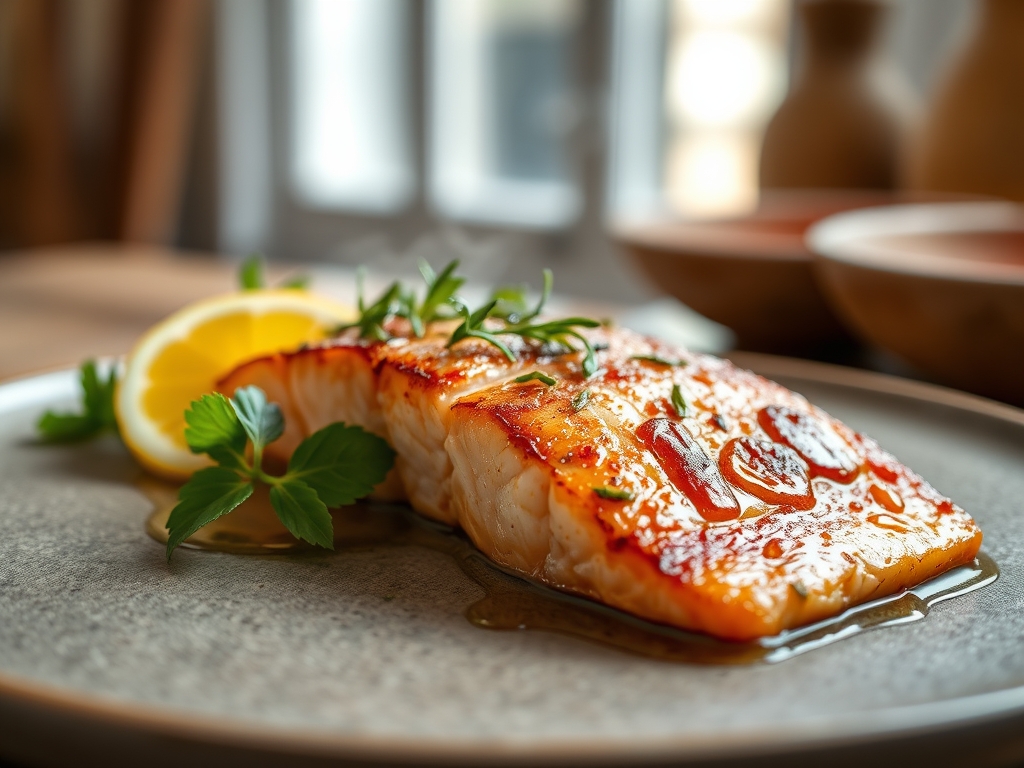
The sizzle of cold protein hitting a shimmering, hot pan is the ultimate kitchen siren song. When you are craving a meal that feels like a five star retreat but your schedule is screaming at you, easy and fast salmon recipes are your absolute best friend. We are talking about buttery, flakey fillets that shatter under a fork in under fifteen minutes.
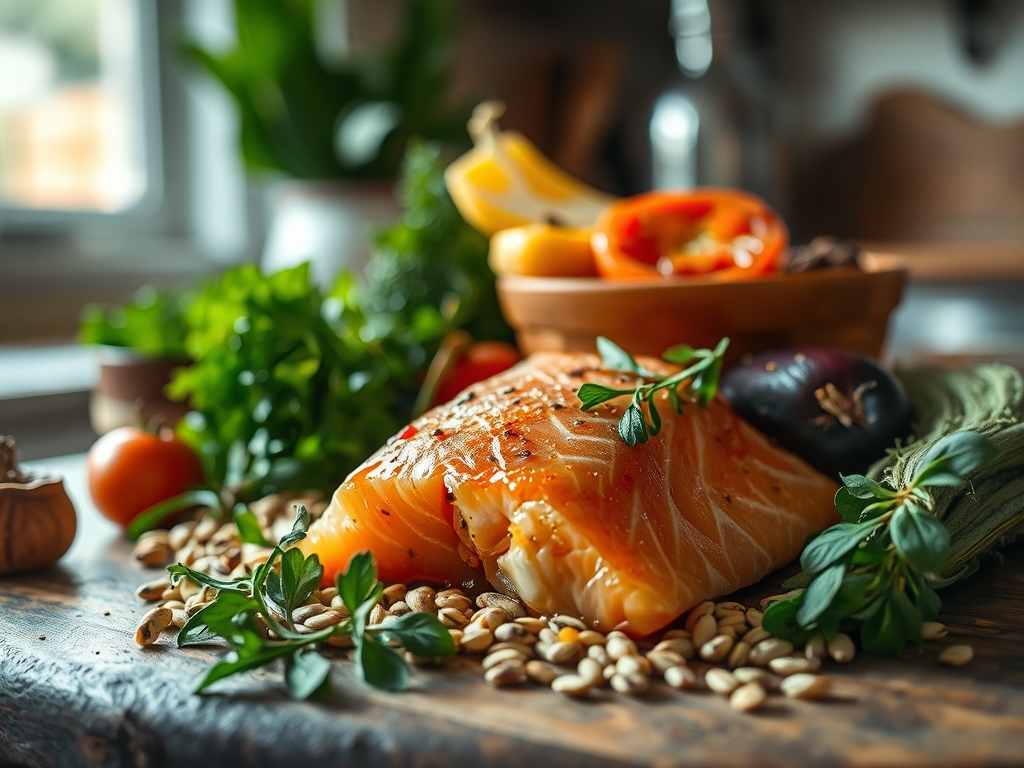
The Gathers:
To achieve culinary excellence at lightning speed, your mise-en-place must be tight. Start with center cut Atlantic or Sockeye fillets; look for deep pigmentation which indicates high astaxanthin levels. You will need a high smoke point lipid like avocado oil or clarified butter to facilitate the Maillard reaction without acrid scorching. Gather your aromatics: fresh dill, a bulb of garlic for allium infusion, and a bright lemon for its citric acid to denature surface proteins.
For the "Smart Substitutions," if you lack fresh herbs, a concentrated pesto or a dry rub of smoked paprika and cumin provides a deep, viscous flavor profile. If you are out of fresh citrus, a splash of rice vinegar or a pinch of sumac offers that necessary piquant punch. Always keep a microplane nearby to zest your citrus; it captures the essential oils in the flavedo without hitting the bitter white pith.
The Clock:
The "Chef's Flow" is all about overlapping tasks to minimize downtime. Your total active labor should not exceed eight minutes. While your heavy-bottomed skillet preheats for three minutes, you pat the fish bone-dry. This is non-negotiable. Moisture is the enemy of a crisp crust. The actual cooking time for a standard one-inch fillet is approximately six to seven minutes total. By the time you have tossed a simple arugula salad, your salmon is resting and redistributing its internal juices.
The Masterclass:
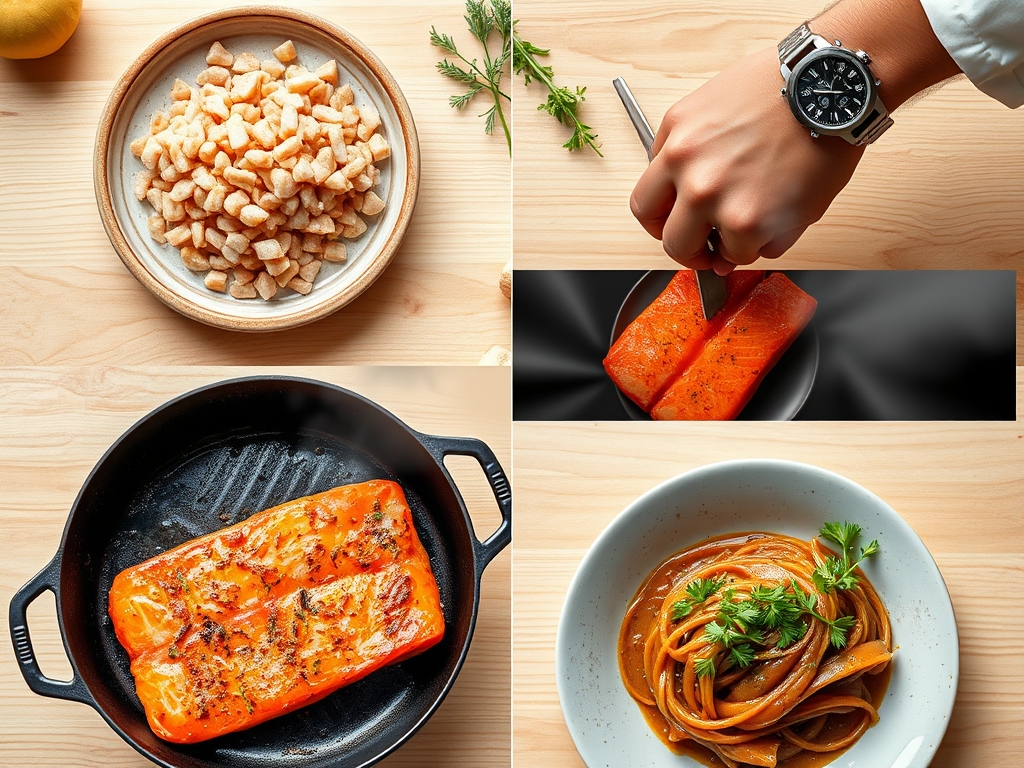
1. The Sear and Seal
Place your seasoned fillet skin-side down into the shimmering oil. Use a fish spatula to press down firmly for the first thirty seconds. This prevents the skin from curling as the collagen fibers contract.
Pro Tip: This initial pressure ensures maximum surface area contact, leading to enzymatic browning. The skin acts as an insulator, protecting the delicate flesh from direct, aggressive heat.
2. The Butter Baste
Once the skin is crispy, flip the fish and drop a knob of cold butter and a smashed garlic clove into the pan. Tilt the skillet so the fat pools at the bottom and use a large spoon to continuously bathe the fillet in the bubbling liquid.
Pro Tip: This is called arroser. The hot fat carries the flavor of the garlic into every crevice while providing a gentle, secondary heat source that prevents the interior from drying out.
3. The Deglaze
Just before pulling the pan off the heat, add a splash of white wine or vegetable stock. Use a bench scraper or whisk to lift the fond (the browned bits) from the bottom of the pan to create a quick pan sauce.
Pro Tip: Deglazing utilizes solvent extraction to incorporate caramelized proteins back into a liquid state, creating a complex sauce in seconds.
4. The Thermal Rest
Remove the salmon when a digital thermometer reads 125 degrees Fahrenheit for medium-rare. Place it on a warm plate and let it sit for three minutes before serving.
Pro Tip: This accounts for thermal carryover. The internal temperature will rise another five degrees off the heat, ensuring the albumin does not squeeze out and leave the fish chalky.
5. The Acidic Finish
Finish the dish with a flurry of fresh zest and a squeeze of juice. The acid cuts through the heavy omega-3 fatty acids, balancing the palate.
Pro Tip: Acid acts as a flavor enhancer by stimulating the salivary glands, which helps the volatile aromatic compounds in the fish reach your olfactory sensors more effectively.
6. The Aerated Garnish
Top with microgreens or finely chiffonaded herbs. Use your tongs to pile them high for visual volume.
Pro Tip: Adding fresh, raw elements at the end provides a textural contrast to the rendered fat of the salmon, making the meal feel lighter and more sophisticated.
The Deep Dive:
From a nutritional standpoint, salmon is a powerhouse of long-chain omega-3s (EPA and DHA) and high-quality protein. A single six-ounce portion provides roughly 34 grams of protein, making it a satiating choice for muscle recovery.
Dietary Swaps: For a Keto version, double down on the butter basting and serve over sautéed spinach. For a Vegan alternative, use a thick slab of "King Oyster Mushroom" or firm tofu pressed with seaweed to mimic the oceanic salinity. For Gluten-Free needs, ensure your seasonings are pure and swap any soy sauce for tamari or liquid aminos.
The Fix-It:
- The Skin is Soggy: You likely put the fish in a cold pan. Ensure the oil is shimmering and wispy before adding the protein.
- The Flesh is Dry: You bypassed the rest period. Carryover cooking is real; pull the fish earlier than you think.
- The Fish is Sticking: You tried to flip it too soon. The fish will naturally release from the pan once the Maillard reaction has fully formed a crust.
Meal Prep: To reheat without turning your lunch into rubber, use the "Low and Slow" method. Place the salmon in a 275-degree oven with a tablespoon of water and cover with foil. This creates a mini-steam chamber that restores moisture to the lamellae (the layers of fish flesh).
The Wrap-Up:
Mastering easy and fast salmon recipes is like having a secret superpower in your culinary utility belt. It is the bridge between a chaotic workday and a refined, nourishing evening. By understanding the physics of heat and the chemistry of fat, you transform a simple grocery staple into a masterpiece. Now, grab your saucier, heat that pan, and go claim your kitchen victory!
The Kitchen Table:
How do I know if my salmon is done without a thermometer?
Use a fork to gently press the top of the fillet. If the flakes separate easily along the white lines of fat (the lamellae) and the center is opaque but still moist, your salmon is perfectly cooked.
Can I cook salmon directly from the freezer?
It is possible but not ideal for texture. If you must, use the air fryer at 390 degrees. However, for the best sear, thaw it in a sealed bag under cold running water for twenty minutes first.
Why does white gunk come out of my salmon?
That white substance is called albumin. It is a harmless protein that extrudes when the muscle fibers contract too quickly from overcooking. To minimize this, cook the fish more gently and do not over-sear.
What is the best way to store leftover salmon?
Place the cooled fillets in an airtight glass container. It will stay fresh for up to three days. For the best flavor, enjoy it cold on top of a salad to avoid the textural changes of reheating.