
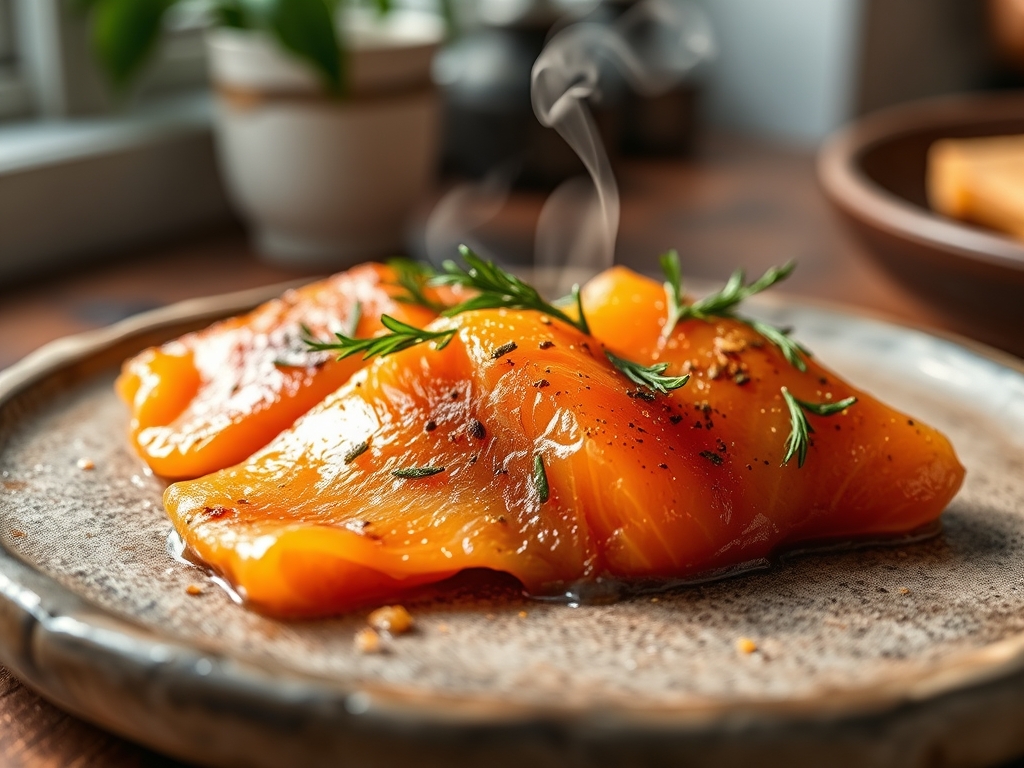
Close your eyes and imagine a slice of salmon so translucent it glows like stained glass. It is buttery on the tongue but possesses a firm, structural snap that only comes from a precision cure. Whether you are hosting a high-end brunch or just treating yourself to a midnight snack on a sourdough crisp, mastering cured smoked salmon recipes is the ultimate culinary flex. It is the intersection of ancient preservation and modern luxury. We are not just cooking here; we are performing a molecular transformation. By drawing out moisture and replacing it with a complex profile of salt, sugar, and wood smoke, we turn a raw fillet into a decadent, shelf-stable masterpiece.
The magic happens in the silence of the refrigerator. As the salt penetrates the muscle fibers, it denatures the proteins, creating that signature silky texture that feels like velvet. If you have ever wondered why store-bought lox feels slimy while professional grade salmon feels substantial, the answer is in the science of the cure. We are going to dive deep into the nine secrets that separate the amateurs from the icons. Grab your apron and your digital scale; we are about to make some kitchen history.
The Gathers:
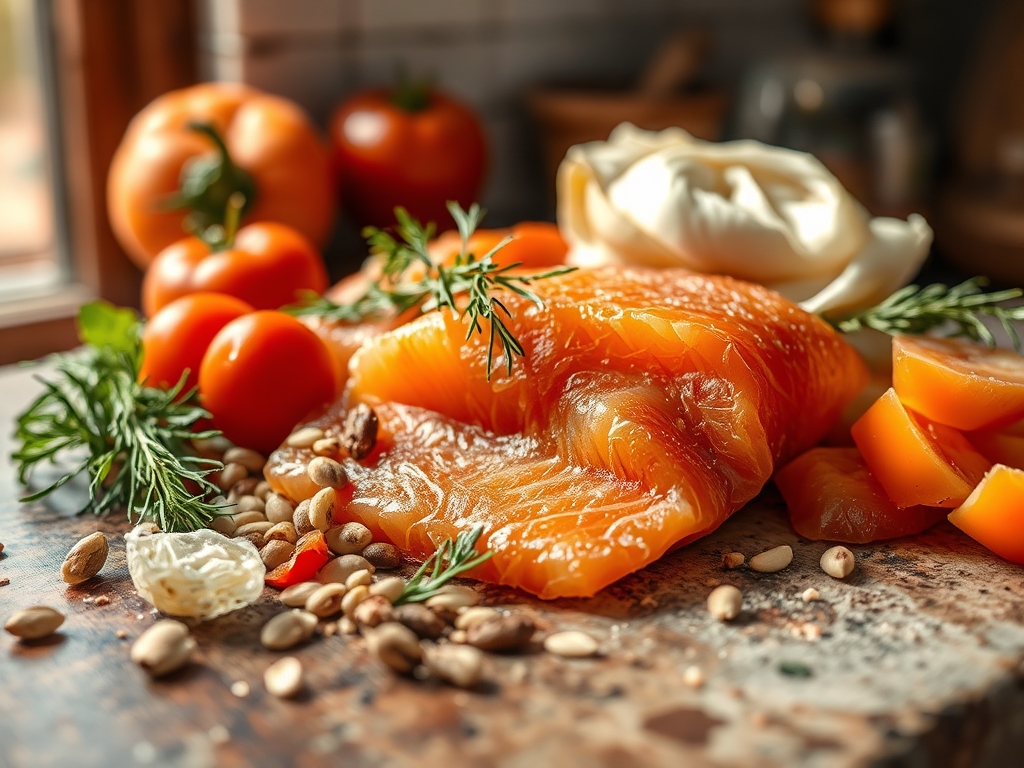
To execute world-class cured smoked salmon recipes, your mise-en-place must be impeccable. You need a side of sushi-grade Atlantic or King salmon, preferably with the skin on to maintain structural integrity during the long cure. Your curing agent is a 2:1 ratio of kosher salt to granulated sugar. The salt provides the osmotic pressure to draw out water, while the sugar balances the salinity and provides a substrate for the smoke to cling to.
For aromatics, gather fresh dill, toasted peppercorns, and crushed coriander seeds. You will also need a microplane for zesting organic lemons; the citrus oils provide a piquant brightness that cuts through the fatty acids of the fish. If you want a deeper color, add a tablespoon of grated raw beet.
Smart Substitutions:
If you cannot find fresh dill, use fennel fronds for a similar anise-like profile. For those watching their sugar intake, erythritol can be used as a 1:1 substitute, though the final texture may be slightly less viscous. If you lack a professional smoker, a few drops of high-quality liquid smoke added to the cure can mimic the flavor, though the depth won't be as profound as a cold-smoke session.
The Clock
Efficiency in the kitchen is about "Chef's Flow." This is not a thirty-minute meal; it is a three-day project that requires minimal active work but maximum patience.
Prep Time: 20 minutes (Cleaning the fish, mixing the cure, and applying the rub).
Cure Time: 24 to 48 hours (Depending on the thickness of the fillet).
The Pellicle Rest: 4 to 12 hours (Crucial for smoke adhesion).
Smoke Time: 2 to 4 hours (Cold smoking at temperatures below 80 degrees Fahrenheit).
The flow is simple: Prep on Friday evening, rinse and dry on Sunday morning, and smoke Sunday afternoon. This ensures your salmon is ready for the Monday morning bagel rush or a sophisticated weeknight pasta.
The Masterclass
1. The Pin Bone Extraction
Use a pair of professional tongs or specialized fish tweezers to remove the pin bones. Run your finger against the grain of the flesh to feel for the tips. Pull them out in the direction they are pointing to avoid tearing the delicate muscle fibers.
Pro Tip: Removing bones before curing is essential because the salt will firm up the flesh, making it nearly impossible to extract them later without ruining the aesthetic of your slices.
2. The Osmotic Application
Mix your salt, sugar, and aromatics in a bowl. Lay the salmon on a large piece of plastic wrap and coat it heavily on both sides. Use a digital scale to ensure you are using exactly 3% of the fish's weight in salt for a perfect, consistent cure every time.
Pro Tip: This process is called osmosis. The high concentration of salt outside the fish draws moisture out of the cells, which inhibits bacterial growth and concentrates the natural flavors.
3. The Weighted Compress
Wrap the salmon tightly and place it in a shallow glass dish. Place a second dish on top and weigh it down with a heavy-bottomed skillet or a few cans of tomatoes. This pressure forces the cure into the center of the fillet.
Pro Tip: Mechanical pressure assists the denaturation of proteins, leading to a denser, more "carvable" texture that mimics the mouthfeel of expensive deli cuts.
4. The Thorough Rinse
After 36 hours, remove the fish from the fridge. It should feel firm to the touch. Rinse it under cold, filtered water to remove all excess salt and aromatics. Pat it bone-dry with lint-free paper towels.
Pro Tip: If you skip the rinse, the exterior will be inedibly salty. Rinsing stops the curing process at the exact moment of peak texture.
5. The Pellicle Formation
Place the salmon on a wire rack over a baking sheet and put it back in the fridge, uncovered, for at least 4 hours. The surface will become tacky and slightly shiny.
Pro Tip: This tacky layer is the pellicle. Without it, the smoke particles will not adhere to the fish, and you will end up with a dull, flavorless exterior.
6. The Cold Smoke Infusion
Set up your smoker using applewood or alderwood chips. Ensure the temperature stays below 80 degrees Fahrenheit. If it gets too hot, the fats will render, and you will end up with cooked salmon instead of cured lox.
Pro Tip: Cold smoking is a flavor application, not a cooking method. Keeping the temperature low preserves the raw, buttery enzymes that give smoked salmon its luxury status.
7. The Equilibrium Rest
Once smoked, wrap the salmon in parchment paper and let it rest in the fridge for another 24 hours. This allows the smoke flavors to migrate from the surface into the center of the fish.
Pro Tip: This is known as flavor equilibration. It prevents the smoke from being overwhelmingly acrid on the first bite and ensures a mellow, integrated taste profile.
8. The Bias Slice
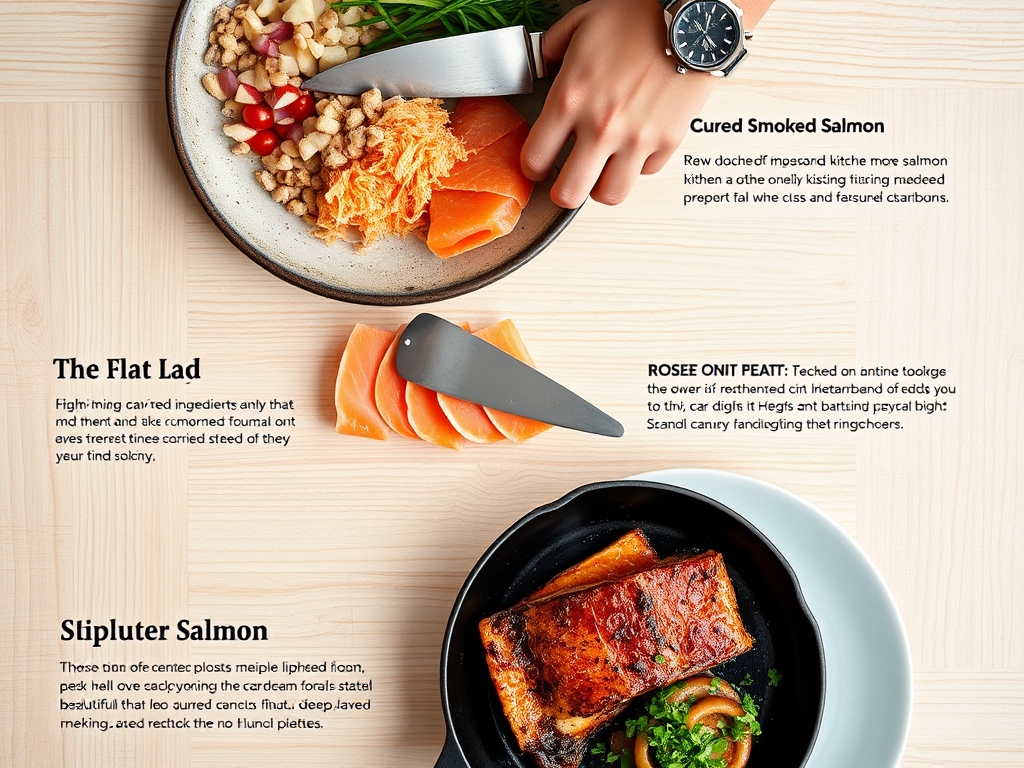
Using a long, flexible slicing knife, cut the salmon against the grain at a 45-degree angle. Aim for slices so thin you can see the blade through the meat. Use a bench scraper to transfer the delicate ribbons to a serving platter.
Pro Tip: Slicing on a bias increases the surface area of each piece, allowing the fats to melt more quickly on the palate for a superior sensory experience.
9. The Acidic Finish
Just before serving, use a saucier to drizzle a tiny amount of lemon-infused olive oil over the slices. Add a few capers for a piquant pop.
Pro Tip: The acid in the lemon juice acts as a chemical foil to the heavy fats, brightening the entire dish and cleaning the palate between bites.
The Deep Dive
Macro Nutrition:
Cured smoked salmon is a nutritional powerhouse. It is exceptionally high in Omega-3 fatty acids, which are essential for brain health. A standard 3-ounce serving provides roughly 18 grams of high-quality protein and zero carbohydrates, making it a staple for metabolic health.
Dietary Swaps:
For a Vegan alternative, use thin strips of roasted carrots marinated in liquid smoke, maple syrup, and caper brine. For Keto and GF followers, this recipe is naturally compliant; just ensure your spices are certified gluten-free.
The Fix-It:
- Too Salty: If you over-cured the fish, soak the fillet in cold milk for 30 minutes. The calcium and proteins in the milk will pull out excess salt.
- Mushy Texture: This usually means the fish wasn't fresh or the cure wasn't heavy enough. You can save it by dicing it into a "Smoked Salmon Tartare" with plenty of red onion and lemon.
- Acrid Smoke Taste: This happens if the wood was too damp. Let the fish sit uncovered in the fridge for 24 hours to "off-gas" the harshest smoke notes.
Meal Prep:
Smoked salmon lasts up to two weeks in the fridge if vacuum-sealed. To maintain "day-one" quality, never reheat it. If adding it to a hot dish like pasta, toss it in at the very last second so the residual heat just barely warms the fats without tightening the proteins.
The Wrap-Up
Mastering cured smoked salmon recipes is a rite of passage for any serious home cook. It requires you to slow down, respect the ingredients, and understand the chemistry of preservation. Once you taste the difference between your own hand-cured ribbons and the rubbery plastic-wrapped versions from the store, there is no going back. You have the tools, the science, and the secrets; now go turn that fillet into gold!
The Kitchen Table
How long does homemade cured salmon last?
Stored in an airtight container or vacuum-sealed bag, homemade cured salmon stays fresh for 10 to 14 days. For longer storage, you can freeze it for up to three months without significant loss of texture or flavor.
Can I smoke salmon without a smoker?
Yes. You can use a heavy-bottomed skillet with a tight lid. Place wood chips in the bottom, a rack over the chips, and the fish on the rack. Heat until it wisps smoke, then turn off the heat and trap the smoke.
Why is my smoked salmon tough?
Toughness occurs if the temperature rose too high during the smoking process. If the internal temperature exceeds 120 degrees Fahrenheit, the proteins coagulate and the fats render out, resulting in a texture closer to grilled fish than silky lox.
What is the best wood for smoking salmon?
Fruitwoods like apple, cherry, or pear are ideal because they provide a mild, sweet smoke. Alder is the traditional choice in the Pacific Northwest; it offers a light, earthy flavor that doesn't overpower the natural oils of the fish.