
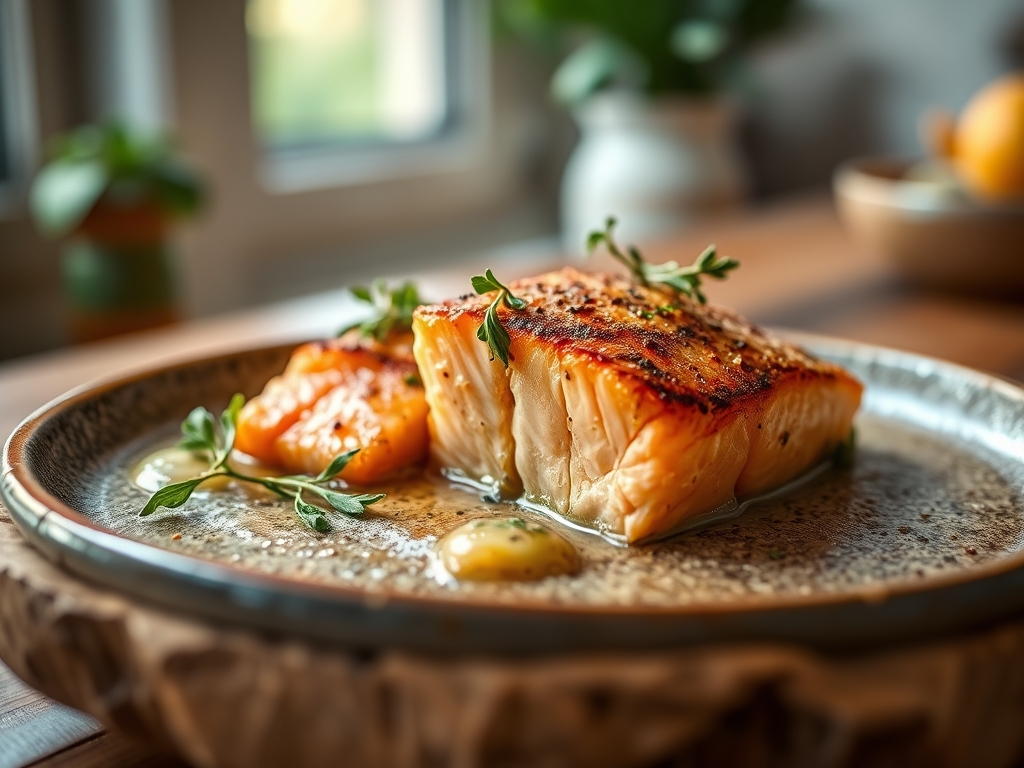
Imagine cracking open a tin and finding a canvas of pale coral and delicate flakes. It is the ultimate kitchen hack for the modern epicurean. When you dive into bumblebee com pink salmon recipes, you are not just opening a can; you are unlocking a pantry powerhouse that bridges the gap between a frantic Tuesday night and a gourmet experience. The aroma is clean and oceanic, a far cry from the heavy oiliness of lesser brands. We are going to transform these protein-packed fillets into something spectacular using molecular shortcuts that would make a Michelin chef nod in approval.
The beauty of pink salmon lies in its lean profile. Unlike its fattier Sockeye cousins, pink salmon acts as a flavor sponge. It is ready to soak up citrus zests, spicy aromatics, and rich fats. We are moving beyond the basic patty. We are talking about emulsions that stay stable under heat and crusts that shatter with a satisfying crunch. Whether you are craving a piquant pasta or a crisp salad, these upgrades ensure your meal is never mundane. Let us get the station ready.
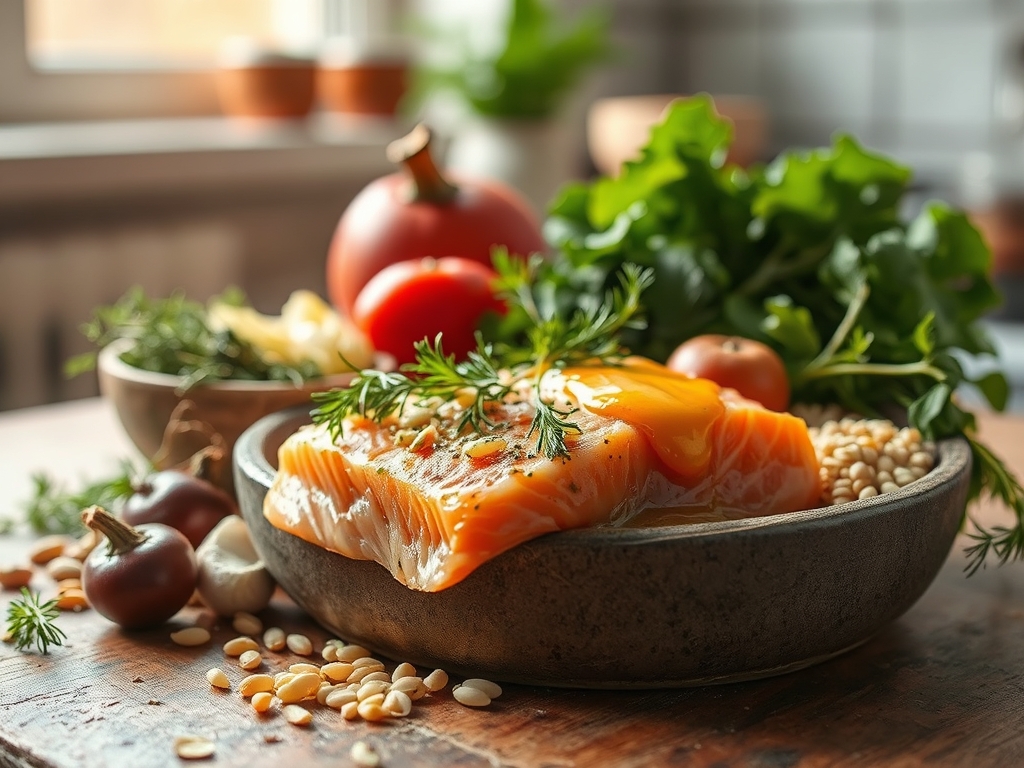
The Gathers:
To achieve professional results, your mise-en-place must be precise. Start with two 14.75-ounce cans of Bumble Bee Pink Salmon, drained thoroughly. You will need high-quality lipids to carry flavor; think grass-fed butter or a cold-pressed extra virgin olive oil. For the structural integrity of our cakes and crumbles, gather panko breadcrumbs or crushed saltines. The "Smart Substitutions" here are vital. If you are avoiding gluten, almond flour provides a wonderful nutty profile and excellent lipid-binding properties.
For aromatics, reach for a bunch of scallions, fresh dill, and a bulb of garlic. You will also need "The Brighteners": fresh lemons for their citric acid and a jar of capers for a viscous, briny punch. Do not forget the binders. Large eggs act as the protein glue, while a dollop of Greek yogurt or Dijon mustard adds moisture without making the mixture soggy. Use a digital scale to measure your dry ingredients; precision ensures the salmon remains the star of the show rather than a secondary filler.
The Clock: 25 Minutes to Perfection
The "Chef's Flow" is all about overlapping tasks to minimize downtime. Your total active prep time is a brisk 10 minutes, with a cook time of 15 minutes. While your heavy-bottomed skillet preheats, you will be flaking the fish and prepping the aromatics. This prevents the pan from scorching while you are still chopping. If you are baking, the convection of a preheated oven ensures the Maillard reaction begins the moment the tray slides in. Efficiency in the kitchen is not about rushing; it is about the logical sequencing of heat and assembly.
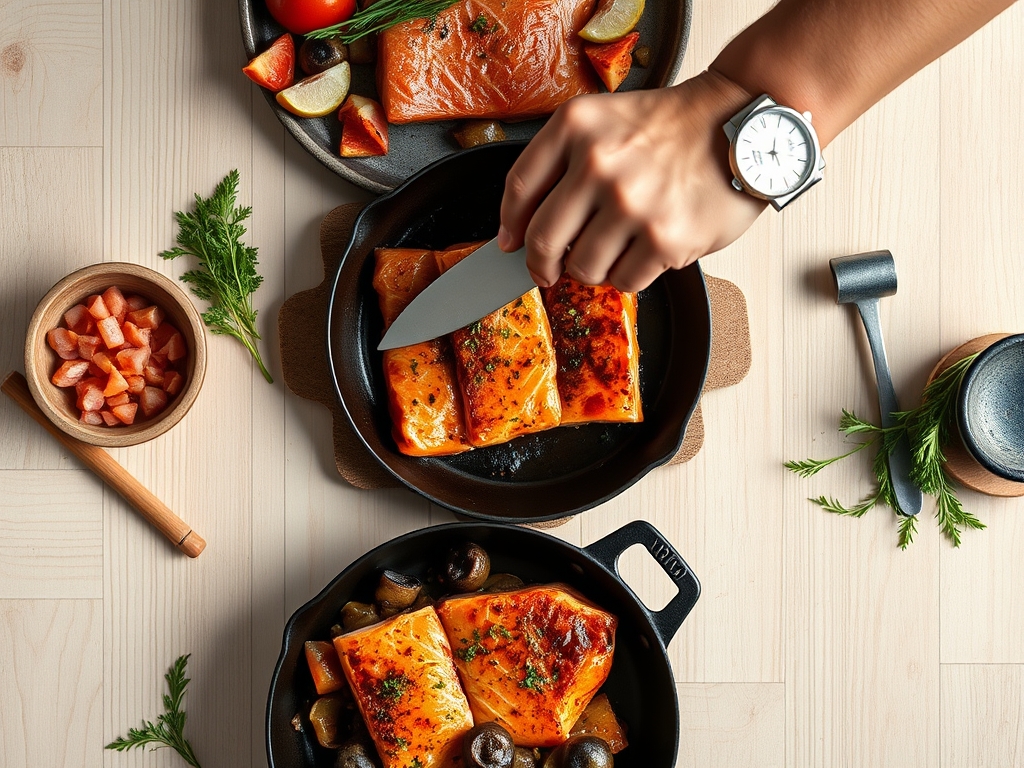
The Masterclass: 8 Steps to Salmon Excellence
1. The Proper Drain and Flake
Empty the cans into a fine-mesh strainer. Use the back of a spoon to press out excess moisture. Transfer to a wide bowl and use a fork to flake the fish into uniform, bite-sized pieces. Pro Tip: Removing excess liquid prevents steam from trapped water, which would otherwise ruin the sear and lead to a mushy texture.
2. The Aromatic Infusion
Finely mince your garlic and scallions using a sharp chef's knife. Sauté them in a saucier with a teaspoon of oil just until translucent. Pro Tip: Sautéing aromatics before adding them to the salmon softens their cellular walls, releasing essential oils that provide a more complex flavor profile than raw inclusions.
3. Zesting for Volatility
Use a microplane to shave the zest of one lemon directly into the salmon mixture. Add a pinch of sea salt and cracked black pepper. Pro Tip: Citrus oils are volatile. By zesting directly over the bowl, you capture the aerosolized oils that would otherwise be lost on a cutting board.
4. The Binding Emulsion
In a separate small bowl, whisk one egg with a tablespoon of Dijon mustard until light and frothy. Fold this into the salmon. Pro Tip: Whisking the egg creates a temporary emulsion. This ensures the binder is evenly distributed, coating every flake of salmon for superior structural integrity.
5. Incorporating the Crunch
Gradually fold in your panko or almond flour. The mixture should feel tacky but not wet. Let it rest for five minutes. Pro Tip: This resting period allows the dry ingredients to hydrate. It prevents the cakes from falling apart in the pan due to uneven moisture distribution.
6. Managing the Heat
Heat a heavy-bottomed skillet over medium-high heat with a high-smoke-point oil like avocado oil. Place the portions in the pan, leaving space between each. Pro Tip: Crowding the pan drops the surface temperature instantly. This leads to poaching rather than searing, depriving you of that golden-brown crust.
7. The Golden Flip
Use a thin metal spatula or tongs to flip the salmon once a crust has formed. This usually takes 3 to 4 minutes per side. Pro Tip: The Maillard reaction occurs between 285 and 330 degrees Fahrenheit. If the fish sticks, the sugars and proteins haven't finished bonding; wait another thirty seconds.
8. The Finishing Deglaze
Once the salmon is cooked, remove it from the pan. Pour a splash of white wine or lemon juice into the hot skillet to deglaze the brown bits (the fond). Pro Tip: This creates a pan sauce that captures the concentrated flavors left behind, providing a professional finish to your plate.
The Deep Dive: Nutrition and Troubleshooting
Pink salmon is a nutritional powerhouse, boasting high levels of Omega-3 fatty acids and Vitamin D. A single serving provides roughly 20 grams of protein with minimal saturated fat. For those following a Keto lifestyle, swap the breadcrumbs for crushed pork rinds to keep the carb count near zero. Vegans can replicate the texture using mashed chickpeas, though the "oceanic" flavor will require a sheet of crumbled nori.
If you encounter pitfalls, do not panic. If the mixture is too wet, add a tablespoon of coconut flour; it is highly absorbent and will fix the texture instantly. If the salmon tastes too "fishy," increase the acidity with a splash of apple cider vinegar to neutralize the amines. For meal prep, reheat your salmon in an air fryer at 350 degrees for three minutes. This restores the crisp exterior without overcooking the delicate interior proteins.
The Wrap-Up: Your New Pantry Staple
You are now equipped to turn a humble can of Bumble Bee into a culinary masterpiece. By understanding the science of binders and the importance of the Maillard reaction, you have elevated a simple ingredient into a sophisticated meal. These bumblebee com pink salmon recipes are just the beginning. Go forth, experiment with different herbs, and remember that great cooking is as much about the "why" as it is about the "how." Your kitchen table is about to get a lot more exciting.
The Kitchen Table: FAQ
Can I use pink salmon for cold salads?
Yes. Ensure you drain the salmon thoroughly and chill it before folding into a creamy base. Use a viscous dressing like Greek yogurt to keep the flakes intact while adding a piquant tang to the dish.
How do I prevent salmon cakes from falling apart?
The secret is the resting period. Allow your mixture to sit for at least five minutes after mixing. This allows the starches to hydrate and the proteins to bind, ensuring they hold their shape during the flip.
Is the skin and bone in canned salmon edible?
Absolutely. The canning process softens the bones until they are easily mashable. They provide a significant boost of calcium. Simply flake them into the meat with a fork to integrate them seamlessly into your recipe.
What is the best way to store leftovers?
Store in an airtight glass container for up to three days. To maintain "day-one" quality, reheat using dry heat methods like a toaster oven or skillet rather than a microwave, which can make the texture rubbery.