
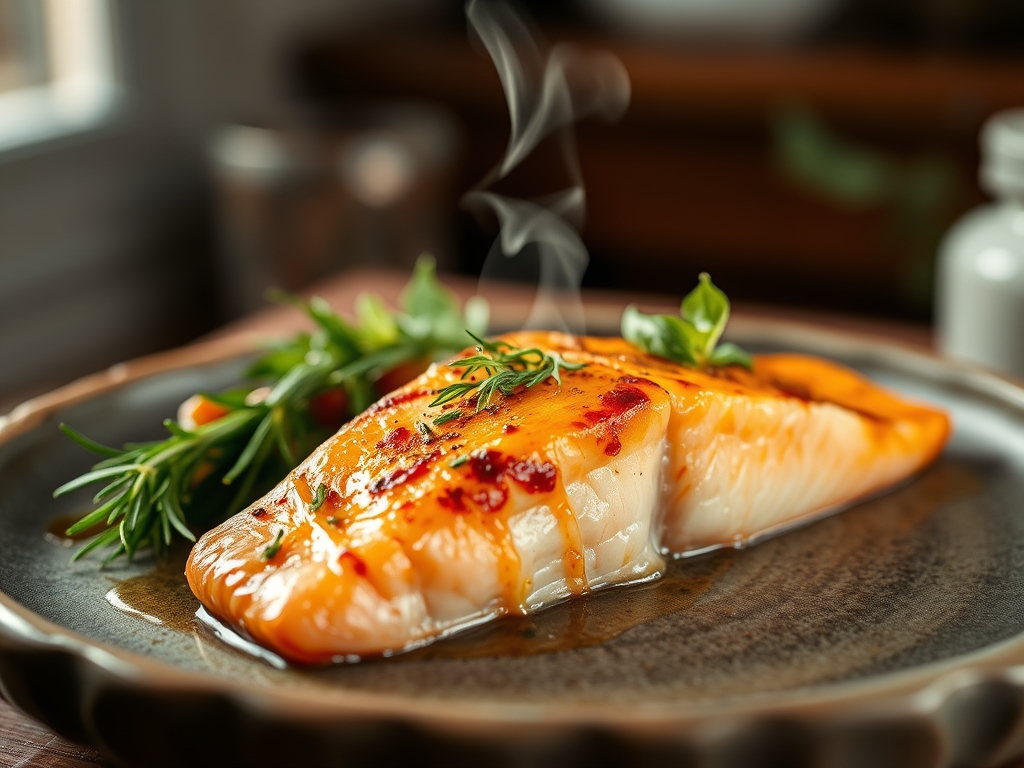
Searing a cold piece of salmon in a heavy-bottomed skillet is more than just cooking; it is a masterclass in thermodynamics and protein denaturation. When you are hunting for the best salmon recipes food network has ever produced, you are looking for that perfect intersection of a glass-shattering crust and a buttery, translucent center. The secret lies in the Maillard reaction, where amino acids and reducing sugars transform under high heat to create hundreds of different flavor compounds. It is the reason a simple filet becomes a gourmet experience. Whether you prefer your fish glazed in a piquant miso paste or crusted with toasted pecans, the foundation remains the same. We are going to dive deep into the techniques that turn a standard weeknight dinner into a restaurant-quality centerpiece. Grab your apron and your sharpest chef's knife; we are about to elevate your seafood game with precision and flair.
The Gathers:
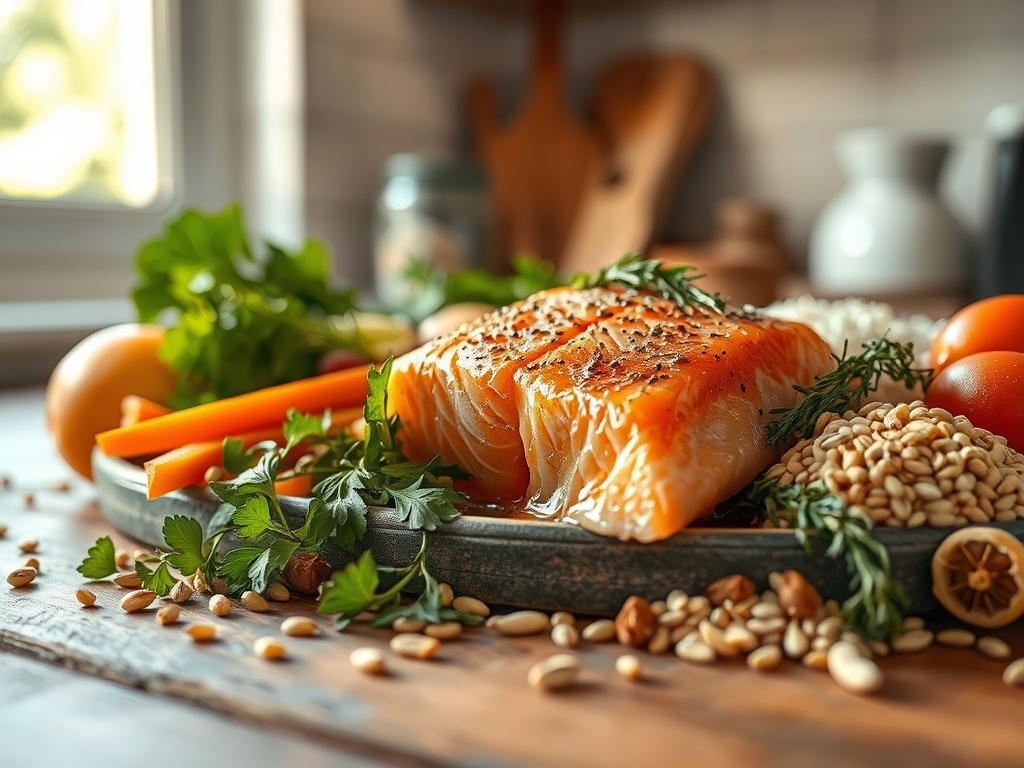
To achieve the results found in the best salmon recipes food network archives, your mise-en-place must be immaculate. Start with high-quality Atlantic or King salmon, looking for firm flesh and a vibrant, consistent hue. You will need a microplane for zest, a digital scale for precise seasoning, and a saucier if you are planning a reduction. The ingredient list often includes viscous honey, piquant Dijon mustard, and aromatics like garlic and fresh dill to infuse the oil.
Smart Substitutions: If you are out of fresh lemons, a splash of white wine vinegar provides the necessary acidity to cut through the fatty lipids of the fish. For those avoiding honey, maple syrup offers a similar viscosity with a deeper, woodsy profile. If you cannot find fresh dill, dried tarragon is an excellent alternative, offering a subtle anise note that complements the richness of the salmon. Always pat your fish dry with paper towels before starting; moisture is the enemy of a crisp sear.
The Clock
Efficiency in the kitchen is all about the "Chef's Flow." For these top-tier recipes, expect a total commitment of thirty minutes. Prep work, including portioning the fish and whisking your glaze, takes approximately ten minutes. The actual cooking time varies between eight and twelve minutes depending on the thickness of the filet.
The "Flow" dictates that you preheat your oven or skillet while you prepare the aromatics. This ensures that the moment your fish is seasoned, it hits a hot surface, preventing the proteins from sticking. Allow for a five-minute rest period post-cooking. This allows the internal juices to redistribute, ensuring every bite is moist rather than losing its moisture to the cutting board.
The Masterclass:
1. Tempering and Drying the Protein
Remove your salmon from the refrigerator fifteen minutes before cooking. Use a paper towel to aggressively dry the skin and flesh. Moisture creates steam, and steam prevents the Maillard reaction from occurring.
Pro Tip: This is known as surface dehydration. By removing moisture, you allow the heat to immediately begin browning the surface rather than wasting energy evaporating water.
2. Seasoning with Precision
Use your digital scale to ensure a 1.5 percent salt-to-weight ratio. Season from a height to ensure even distribution of crystals across the entire surface area.
Pro Tip: Salt acts as a denaturant. It begins to break down the tightly wound protein strands, allowing them to retain more moisture during the high-heat cooking process.
3. The Cold-Pan Start or High-Heat Sear
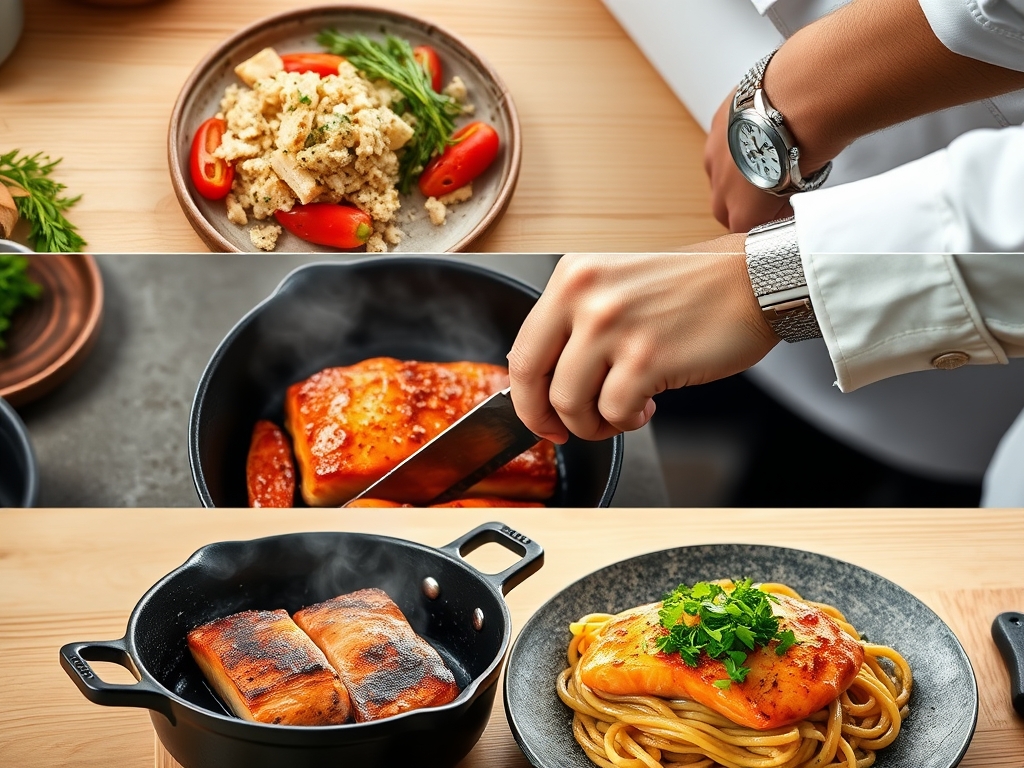
For crispy skin, place the salmon skin-side down in a heavy-bottomed skillet with a high-smoke-point oil like avocado oil. Use tongs to press the fish down firmly for the first thirty seconds.
Pro Tip: Pressing the fish prevents the skin from curling as the collagen fibers contract, ensuring maximum contact with the heat source for an even, golden-brown crust.
4. Monitoring Internal Temperature
Use an instant-read thermometer to check for doneness. For a medium-rare finish, pull the fish at 125 degrees Fahrenheit.
Pro Tip: Thermal carryover will continue to cook the fish even after it is removed from the pan. The internal temperature typically rises another five degrees while resting.
5. Deglazing and Creating the Emulsion
Once the fish is removed, use a splash of citrus or wine to deglaze the pan, scraping up the flavorful browned bits (fond). Whisk in cold butter to create a glossy, stable emulsion.
Pro Tip: This technique, known as monter au beurre, uses the milk solids in the butter to thicken the sauce without the need for flour or starch.
6. Aerating the Garnish
Finely chop your herbs at the very last second using a sharp knife to avoid bruising the delicate cell walls.
Pro Tip: Bruising herbs causes enzymatic browning and loss of volatile oils. Sharp cuts keep the flavor bright and the color a vivid green.
The Deep Dive
From a nutritional standpoint, salmon is a powerhouse of Omega-3 fatty acids and high-quality protein. A standard six-ounce filet provides roughly 34 grams of protein and is rich in Vitamin B12 and Selenium.
Dietary Swaps: For a Keto-friendly version, replace honey glazes with erythritol-based sweeteners. Vegan "salmon" can be replicated using marinated carrots or tofu, though the texture will differ significantly. To keep the dish Gluten-Free, ensure your soy sauce is substituted with tamari or liquid aminos.
The Fix-It:
- White Gunk (Albumin): If you see white streaks, you are cooking the fish too fast. Lower the heat to prevent the protein from contracting too violently and squeezing out the albumin.
- Sticking Skin: This usually means the pan wasn't hot enough or you tried to flip it too early. The fish will naturally release from the pan once the crust has formed.
- Dry Texture: This is a result of overcooking. Always use a thermometer and remember the rule of carryover cooking.
Meal Prep: To reheat salmon without it becoming rubbery, use a low-temperature oven (275 degrees) with a splash of water covered in foil. This creates a gentle steaming environment that preserves the delicate protein structure.
The Wrap-Up
Mastering the best salmon recipes food network has to offer is about respecting the ingredient and understanding the physics of the pan. When you combine high-quality fats with precise heat control and acidic balance, you create a dish that is both sophisticated and comforting. Don't be afraid to experiment with different aromatics or wood planks for smoking. Cooking is a continuous journey of sensory exploration, and salmon is the perfect canvas for your culinary creativity. Now, get into that kitchen and start searing!
The Kitchen Table
How do I get the skin extra crispy?
Ensure the skin is bone-dry and use a heavy-bottomed skillet. Press the filet down with a spatula for the first thirty seconds to ensure full contact. This prevents curling and maximizes the rendering of the subcutaneous fat.
What is the best way to tell if salmon is done?
The most reliable method is using a digital thermometer. Aim for an internal temperature of 125 to 130 degrees Fahrenheit for a perfect medium. The flesh should also flake easily when pressed gently with a fork.
Can I cook salmon from frozen?
While possible, it is not recommended for high-end recipes. Thawing allows for even heat distribution. If you must, use the sous-vide method or a low-temperature bake to ensure the center cooks without drying out the exterior.
Why does my salmon have white stuff on it?
That white substance is albumin, a harmless protein. It appears when the salmon is cooked too quickly, causing the muscle fibers to contract and push the protein to the surface. Lowering your cooking temperature helps minimize this.