
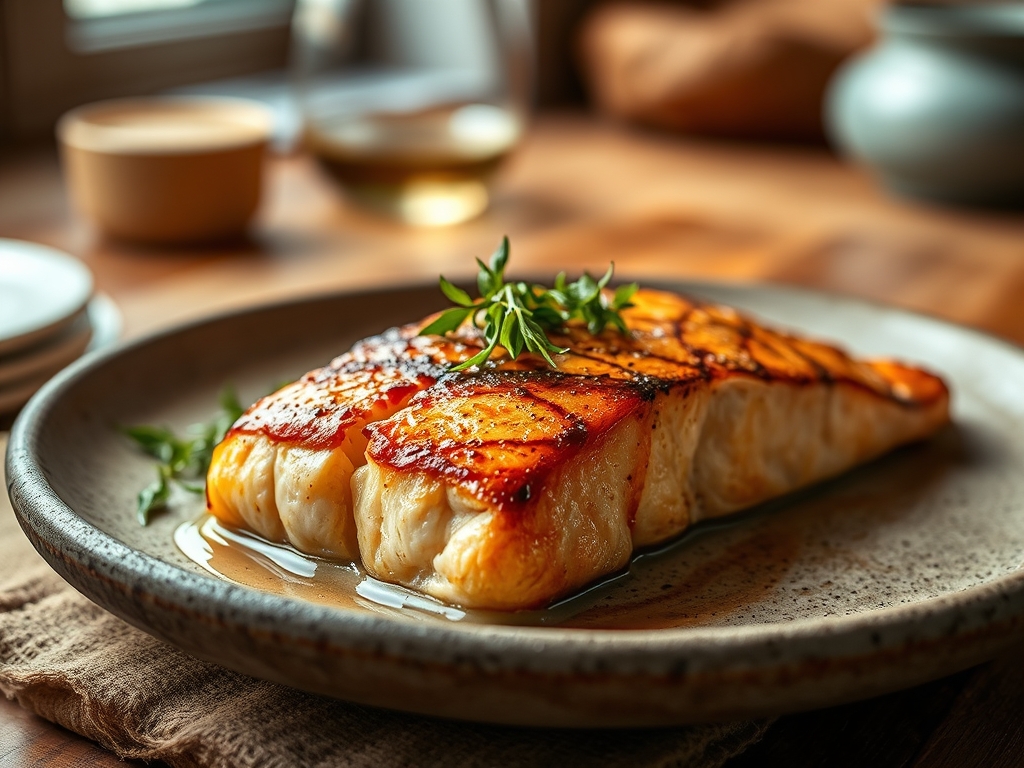
Imagine the sound of a cold, pink fillet hitting a heavy-bottomed skillet. That sharp, rhythmic sizzle is the sound of amino acids and reducing sugars beginning their complex dance. If you have been searching for weeknight salmon recipes that actually deliver on the promise of speed without sacrificing restaurant-quality texture, you have finally found your culinary home base.
The secret to a perfect dinner is not a secret at all; it is a series of repeatable, scientific maneuvers. Salmon is a fatty, forgiving protein, but it is also prone to the dreaded "white stuff" (albumin) if you treat it with too much aggression. We are going to master the art of the sear, the gentle poach, and the moisture-locking glaze. By the time we are done, you will treat your kitchen like a laboratory and your dinner plate like a masterpiece. We are moving beyond basic baking into the realm of high-heat physics and emulsified sauces. Get your microplane ready; we are about to transform your Tuesday night into a five-star experience.
The Gathers:
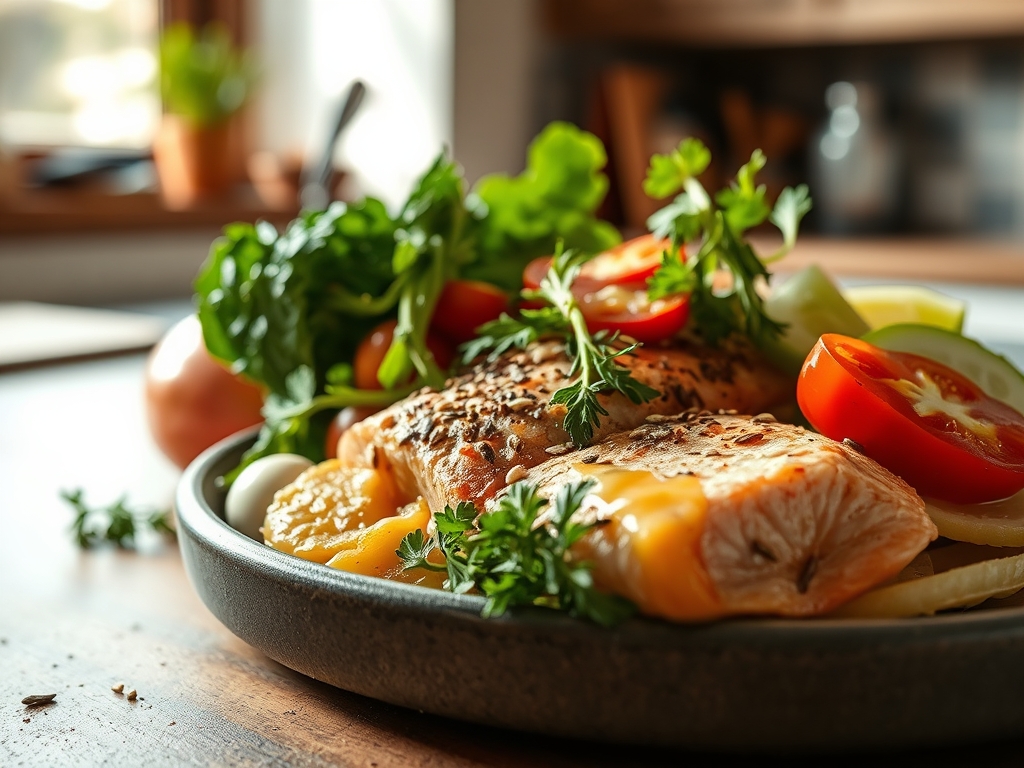
To execute these weeknight salmon recipes with precision, your mise-en-place must be intentional. We start with center-cut Atlantic or Sockeye fillets; look for vibrant color and a firm, springy texture that indicates the muscle fibers are still hydrated. You will need a high-smoke-point lipid, such as avocado oil or clarified butter, to facilitate the Maillard reaction without scorching.
Our flavor profile relies on piquant aromatics: fresh ginger, garlic cloves, and bright citrus. Grab your microplane to zest lemons and limes; this tool allows you to access the essential oils in the flavedo without the bitter pith. For the sauces, ensure you have a viscous honey or maple syrup to act as a binder, and a high-quality soy sauce or tamari for that essential umami backbone.
Smart Substitutions: If you are out of fresh citrus, a splash of rice vinegar provides the necessary acidity to cut through the fish's natural fats. No honey? A pinch of brown sugar dissolved in a saucier with a tablespoon of water creates a similar glaze consistency. If you prefer a dairy-free richness, replace butter with a dollop of tahini for a nutty, earthy finish.
The Clock:
Efficiency is the byproduct of a "Chef's Flow." These weeknight salmon recipes are designed to move from fridge to table in exactly 22 minutes. The first 7 minutes are dedicated to the "Prep Phase." This is where you pat the fish bone-dry with paper towels; moisture is the enemy of a crisp crust. Use this time to mince your aromatics and preheat your cooking surface.
The "Active Phase" takes 10 to 12 minutes. Whether you are pan-searing or air-frying, the goal is to reach an internal temperature of 125 degrees Fahrenheit for medium-rare. The final 3 to 5 minutes are the "Resting Phase." Do not skip this. Allowing the fish to rest on a warm plate allows the heat to equalize, preventing the juices from rushing out the moment your fork hits the flesh.
The Masterclass:
1. The Ultimate Dry-Brine
Before the heat even touches the pan, sprinkle your fillets with a mixture of kosher salt and a touch of sugar. Let them sit for ten minutes. This process draws out surface moisture and seasons the meat deeply.
Pro Tip: This is called denaturation. The salt breaks down the tightly wound proteins on the surface, allowing them to retain more moisture during the high-heat cooking process.
2. The Cold-Pan Start
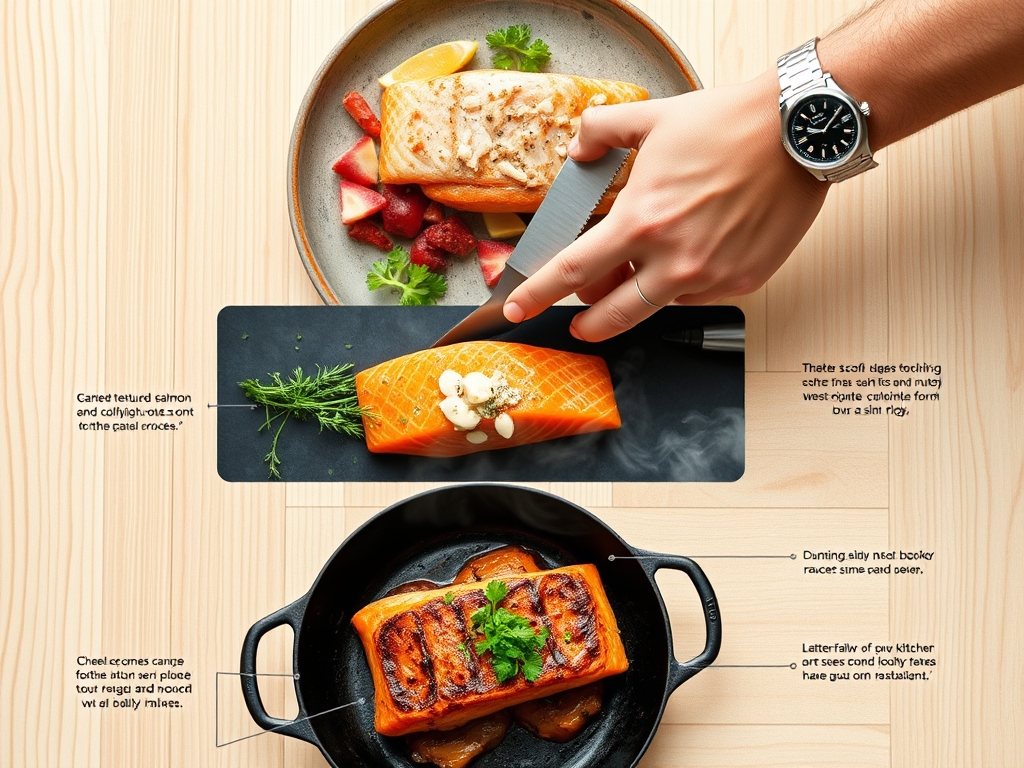
Place your salmon skin-side down in a cold, heavy-bottomed skillet with a thin layer of oil, then turn the heat to medium-high. This allows the fat to render slowly, resulting in glass-like, crispy skin.
Pro Tip: Starting cold prevents the skin from shrinking too rapidly, which often causes the fillet to curl and cook unevenly.
3. The Butter Baste
Once you flip the fish, drop a knob of butter, a smashed garlic clove, and a sprig of thyme into the pan. Use a large spoon to continuously drench the salmon in the foaming fat.
Pro Tip: This is convection cooking within a liquid medium. The hot butter carries the flavor of the aromatics into every crevice of the protein.
4. The Glaze Deglaze
After removing the fish, pour a mixture of honey and soy sauce into the hot pan. Use a silicone spatula to scrape up the browned bits (the fond) and let the liquid reduce until it coats the back of a spoon.
Pro Tip: This utilizes deglazing to capture the concentrated flavors left behind in the pan, creating a complex sauce in seconds.
5. The Parchment Steam
For an effortless cleanup, wrap your salmon in parchment paper with thinly sliced zucchini and lemon. Bake at 400 degrees Fahrenheit for 12 minutes.
Pro Tip: This method uses en papillote technology. The trapped steam cooks the fish gently, ensuring it stays succulent and never hits the "overcooked" threshold.
6. The Air Fryer Crisp
Coat your salmon in a thin layer of Dijon mustard and panko breadcrumbs. Air fry at 390 degrees Fahrenheit for 8 minutes.
Pro Tip: The high-velocity air creates a rapid evaporative cooling effect on the surface, which allows the crust to brown before the interior dries out.
7. The Carryover Finish
Always remove your salmon from the heat when it is 5 degrees below your target temperature. Use a digital thermometer for total accuracy.
Pro Tip: Thermal carryover means the internal temperature will continue to rise even after the fish is off the stove. Removing it early prevents a chalky texture.
The Deep Dive:
From a macro perspective, salmon is a nutritional powerhouse. A 6-ounce portion provides roughly 34 grams of high-quality protein and is loaded with Omega-3 fatty acids, which are essential for brain health. If you are following a Keto lifestyle, lean into the butter-basting method. For Vegan guests, you can apply these same glazing and searing techniques to extra-firm tofu or "salmon" made from marinated carrots.
The Fix-It:
- White Albumin Leaking: You cooked it too fast or too hot. Lower the flame and use the "Cold-Pan Start" next time.
- Soggy Skin: The pan wasn't hot enough or the fish was wet. Always pat the skin dry with a bench scraper or paper towel.
- Sticking to the Pan: You tried to flip it too soon. The fish will naturally release from the metal once the Maillard reaction is complete.
Meal Prep: To reheat salmon without the "fishy" smell or rubbery texture, avoid the microwave. Instead, place it in a 275-degree oven with a tablespoon of water and cover it tightly with foil. This gently re-hydrates the proteins through low-impact steam.
The Wrap-Up:
Mastering weeknight salmon recipes is about understanding the relationship between heat and moisture. By using tools like a heavy-bottomed skillet and a digital thermometer, you take the guesswork out of the process. Remember to dry your fish, start your skin in a cool pan, and always allow for a resting period. You now have the technical prowess to turn a simple fillet into a culinary event. Go forth and sear with confidence!
The Kitchen Table:
How do I stop salmon from sticking to the pan?
Ensure the pan is properly preheated and the fish is patted completely dry. Do not attempt to flip the fillet until it naturally releases from the surface; this indicates the crust has fully formed via the Maillard reaction.
What is the white stuff on cooked salmon?
That is albumin, a protein that stays liquid when raw but coagulates when heated. To minimize it, avoid overcooking the fish and try a quick brine to keep the muscle fibers relaxed and moist.
Can I cook salmon from frozen?
Yes, but for the best texture, use the "air fry" or "poach" methods. If pan-searing, the exterior will often overcook before the center thaws, so a gentle, indirect heat source is much more effective for frozen fillets.
How do I know when salmon is done?
The most reliable method is using a digital thermometer to hit 125-130 degrees Fahrenheit. Alternatively, press the top of the fillet gently with a fork; if the flesh flakes easily along the natural white lines, it is ready.