
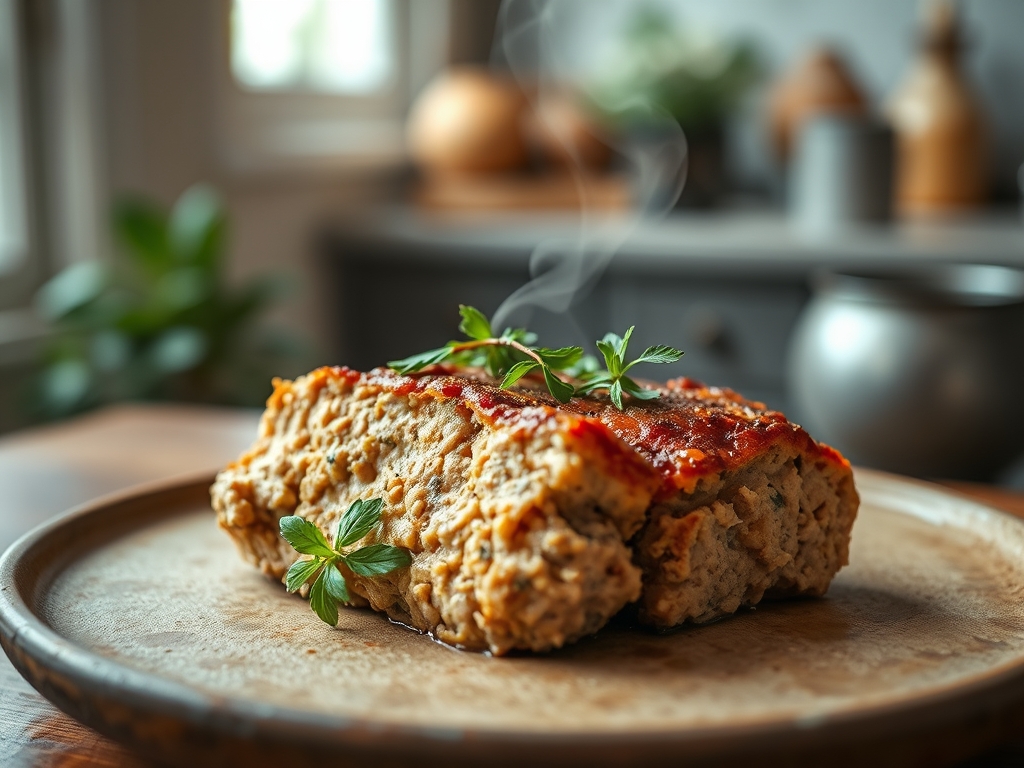
Imagine a kitchen filled with the scent of caramelized onions and roasted garlic; it is the ultimate comfort. You are standing over your counter, ready to transform a lean protein into a masterpiece that defies the dry, crumbly reputation of poultry. When searching for ground chicken recipes meatloaf enthusiasts often worry about texture, but we are going to fix that with pure science. This is not your grandmother's leaden brick of beef. Instead, we are crafting a loaf that is light, savory, and incredibly juicy. By understanding how proteins bind and how moisture is trapped within a matrix of aromatics, you can turn a simple weeknight dinner into a gourmet event. We are focusing on the intersection of health and hedonism, ensuring every bite is packed with umami without the heavy saturated fats of traditional red meat. Grab your apron and your favorite chef's knife; we are about to elevate the humble chicken loaf into something truly extraordinary.
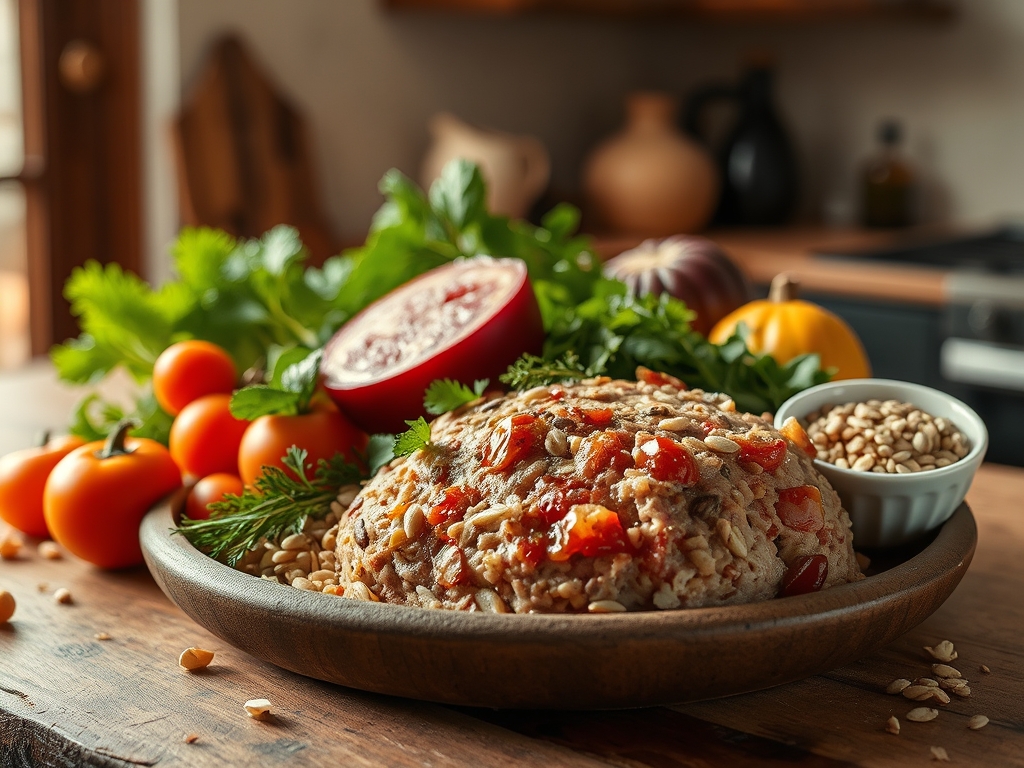
The Gathers:
Before we ignite the flame, we must respect the mise-en-place. Ground chicken is more viscous than beef, meaning it requires a specific structural approach. You will need one pound of lean ground chicken, but the secret lies in the moisture-retaining additives. Gather half a cup of panko breadcrumbs or almond meal for a gluten-free twist. You will also need two large eggs to act as your primary emulsifier, ensuring the fat and water phases of the meat stay integrated during the cook.
For the aromatic base, finely mince one yellow onion and three cloves of garlic using a microplane for maximum surface area. This allows the juices to infuse the meat rather than leaving chunky pockets of raw vegetable. Add two tablespoons of tomato paste for a piquant depth and a splash of Worcestershire sauce to provide that essential umami kick. Smart substitutions are your best friend here; if you want to lower the glycemic index, swap the breadcrumbs for finely processed cauliflower rice. If you are out of tomato paste, a concentrated balsamic reduction adds a sophisticated, dark sweetness that complements the poultry beautifully. Ensure all ingredients are chilled before mixing to prevent the fat from melting prematurely, which is the key to a light, airy texture.
The Clock
Efficiency in the kitchen is all about the Chef's Flow. Expect to spend about fifteen minutes on prep work, which includes your chopping and the initial sauté of aromatics. The actual cook time in a 375-degree oven will range from forty-five to fifty-five minutes. However, the most critical part of the clock is the ten-minute rest period after the loaf leaves the heat. This allows for thermal carryover, where the internal temperature rises slightly while the muscle fibers relax, preventing the precious juices from flooding your cutting board. Total time from fridge to table is roughly one hour and fifteen minutes.
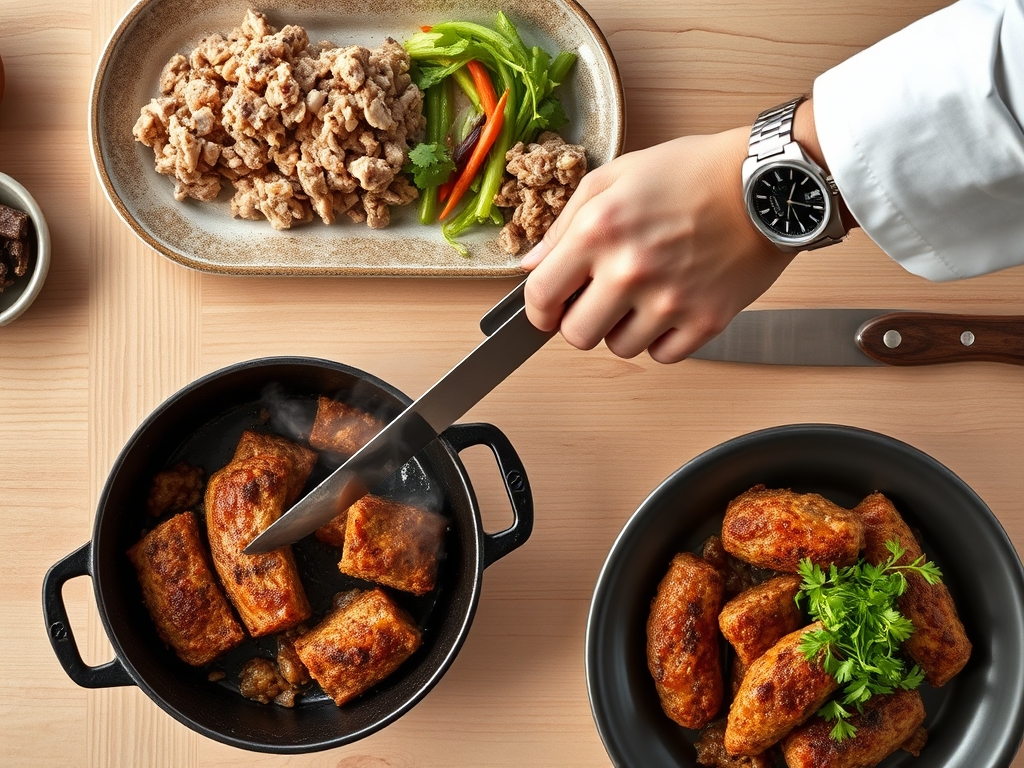
The Masterclass
1. Sauté the Aromatics
Start by heating a heavy-bottomed skillet over medium heat. Add your onions and garlic with a pinch of salt to draw out moisture. Cook until they are translucent and just beginning to gold. This step is vital because raw onions in a quick-cooking loaf often remain crunchy and pungent.
Pro Tip: This process initiates the Maillard reaction, creating complex flavor compounds that raw vegetables simply cannot provide. By precooking the aromatics, you ensure the sugars are already broken down before they enter the oven.
2. Hydrate the Panade
In a small bowl, mix your breadcrumbs with a few tablespoons of milk or chicken stock. Let this sit for five minutes until it forms a paste, known as a panade. This creates a physical barrier that prevents the meat proteins from over-coagulating and squeezing out moisture.
Pro Tip: The science of a panade involves starch gelatinization. The starch molecules swell and trap water, acting as an internal reservoir that keeps the chicken succulent throughout the roasting process.
3. Gentle Integration
Combine the chicken, panade, eggs, and sautéed vegetables in a large mixing bowl. Use a bench scraper or your hands to fold the ingredients together. Do not overwork the meat. You want to maintain the air pockets you have created.
Pro Tip: Over-mixing leads to protein cross-linking, which creates a rubbery, dense texture. Think of it like folding a cake batter; you want to maintain the light, aerated structure for a tender mouthfeel.
4. Shape and Glaze
Transfer the mixture to a parchment-lined baking sheet or a loaf pan. Shape it into an even rectangle to ensure uniform heat distribution. Brush the top with a mixture of ketchup, Dijon mustard, and honey to create a tacky, flavorful crust.
Pro Tip: The glaze serves as a sacrificial layer. It protects the delicate chicken from the direct dry heat of the oven while the sugars undergo caramelization, providing a beautiful aesthetic and a sweet-savory contrast.
5. Monitor the Internal Temperature
Slide your loaf into the center rack. Use a digital probe thermometer to track the progress. You are aiming for an internal temperature of 160 degrees Fahrenheit. The temperature will climb to the safe 165-degree mark during the rest.
Pro Tip: Using a thermometer prevents the "guesswork" that leads to overcooking. Because chicken is so lean, even five minutes of extra heat can result in a dry finished product.
The Deep Dive
From a macro perspective, this ground chicken recipes meatloaf is a powerhouse. It is high in lean protein and significantly lower in calories than beef alternatives. One serving typically contains around 250 calories and 25 grams of protein. For those on a Keto diet, replace the breadcrumbs with crushed pork rinds or flaxseed meal to keep the net carbs near zero. Vegan diners can swap the chicken for a mushroom and lentil base, using a flax-egg as the binder.
If you encounter pitfalls, do not panic. If the loaf is too wet, add a tablespoon of coconut flour to absorb excess liquid without changing the flavor profile. If it falls apart when slicing, your binder-to-meat ratio was likely off; next time, add an extra egg yolk for more structural integrity. For those who find the flavor bland, double the amount of herbs like sage and thyme to infuse the meat with earthy notes.
When it comes to meal prep, reheating is a science. Avoid the microwave, which can turn poultry into rubber. Instead, slice the cold meatloaf and sear it in a saucier or skillet with a teaspoon of butter. This recreates the crust and warms the center gently, maintaining "day-one" quality for your office lunch.
The Wrap-Up
You have officially mastered the art of the healthy meatloaf. By utilizing a panade, respecting the Maillard reaction, and monitoring your thermal carryover, you have elevated a simple ground chicken recipe into a culinary staple. This dish is proof that "healthy" never has to mean "boring." Whether you are serving this at a Sunday family dinner or prepping it for a busy week ahead, you now have the technical skills to ensure it is a success every single time. Go forth and cook with confidence, knowing you have the science of flavor on your side.
The Kitchen Table
How do I prevent my chicken meatloaf from being dry?
The secret is a panade, which is a mixture of breadcrumbs and liquid. This starch paste creates a physical barrier that traps moisture inside the meat matrix, preventing the proteins from squeezing out juices during the roasting process.
Can I make this recipe without breadcrumbs?
Yes, you can use almond meal, crushed pork rinds, or even finely grated cauliflower. These substitutes provide the necessary bulk and surface area to bind the meat together while catering to gluten-free or low-carb dietary requirements.
What is the best way to tell when it is done?
Always use a digital meat thermometer. Ground chicken must reach an internal temperature of 165 degrees Fahrenheit to be safe. Pull the loaf at 160 degrees, as thermal carryover will finish the job during the resting phase.
Why does my meatloaf fall apart when I slice it?
This usually happens if the loaf is sliced too soon. Resting the meat for at least ten minutes allows the proteins to firm up and the juices to redistribute, ensuring clean, solid slices that hold their shape perfectly.