
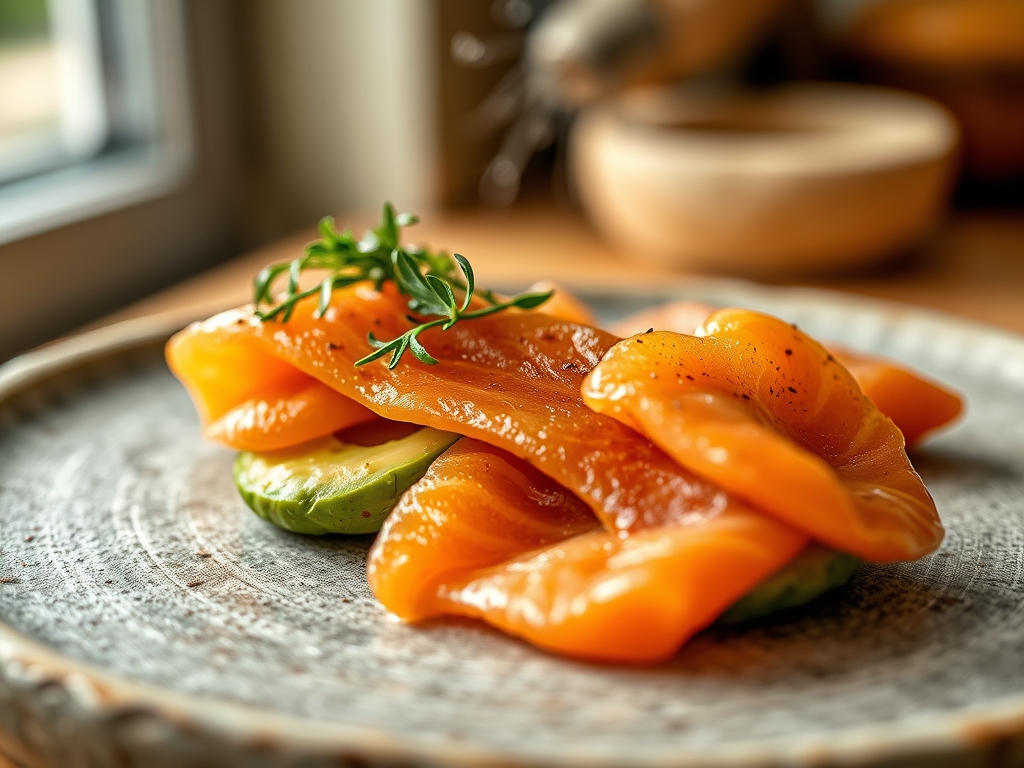
Picture a crisp, buttery base meeting the velvet weight of a perfectly ripened fruit. When you explore avocado and smoked salmon recipes, you are not just making a snack; you are engineering a high-contrast masterpiece of lipids and brine. The salt-cured silk of the fish cuts through the fatty, vegetal cream of the avocado, creating a bite that feels like a luxury resort in a single mouthful.
The secret to these bites is not just the assembly. It is the understanding of how acid, salt, and fat interact on your palate. We are looking for that specific "snap" followed by a melt-away finish. This is the ultimate appetizer for the host who wants to look effortless while secretly leaning on heavy-duty food science. Whether you are hosting a high-noon brunch or a moody cocktail hour, these bites are the gold standard of modern entertaining. We are going to elevate the humble cracker to a pedestal of culinary excellence using a few professional tricks that will make your guests wonder if you have a secret catering staff hidden in the pantry.
The Gathers:
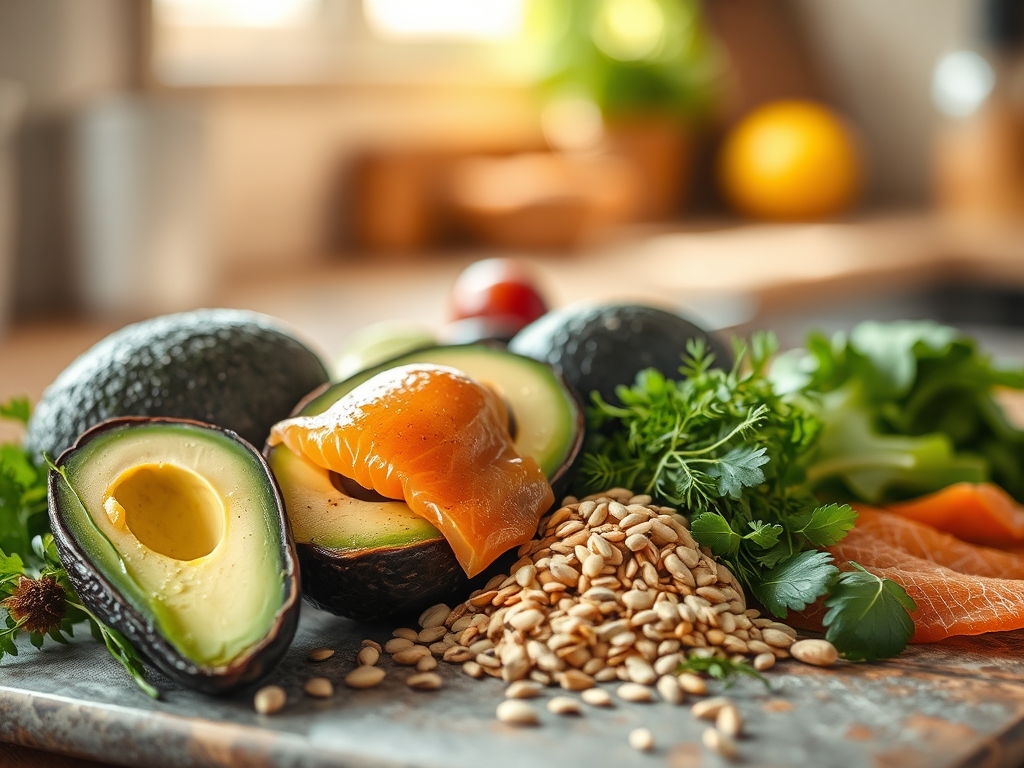
To achieve professional results, your mise-en-place must be precise. Start with a digital scale to ensure your portions are consistent. You will need 200 grams of cold-smoked Atlantic salmon; look for "long-sliced" packs to ensure structural integrity. For the base, select two Hass avocados that yield slightly to thumb pressure but remain firm. You will also need a microplane for citrus zest, 10 artisanal rye crisps or cucumber rounds, and a small jar of nonpareil capers.
Smart Substitutions: If you cannot find high-quality smoked salmon, gravlax offers a more herbaceous, sugar-cured profile that pairs beautifully with dill. For a vegan-friendly "lox" alternative, you can use thinly shaved carrots that have been roasted in liquid smoke and sea salt until they reach a viscous texture. If rye crisps are too heavy, use a bench scraper to slice a baguette into thin rounds and toast them until they are shatter-crisp.
The Clock:
Prep Time: 15 Minutes
Assembly Time: 10 Minutes
Total Time: 25 Minutes
The "Chef's Flow" here is all about temperature management. You want the salmon to remain chilled to maintain its piquant oceanic notes, while the avocado should be prepped at the very last second to prevent oxidation. By organizing your workspace with your saucier (if making a warm drizzle) and your garnishes in small ramekins, you can assemble all ten bites in under two minutes. This ensures the base does not become soggy from the moisture in the fish.
The Masterclass:
1. The Acidic Foundation
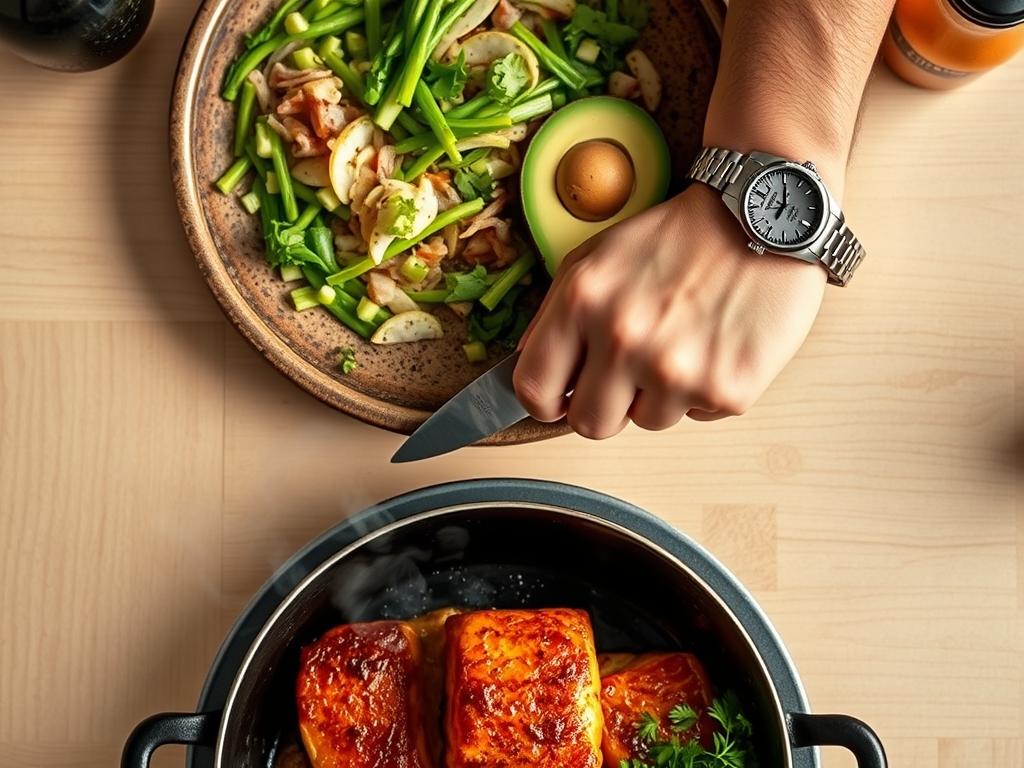
Slice your avocados in half and remove the pit. Using a spoon, scoop the flesh into a small bowl and immediately fold in fresh lemon juice and a pinch of Maldon salt. Use a fork to mash until mostly smooth but still retaining some structural chunks.
Pro Tip: This is about inhibiting enzymatic browning. The polyphenol oxidase in avocados reacts with oxygen to turn brown; the citric acid in the lemon juice lowers the pH, effectively "stunning" the enzymes and keeping your spread a vibrant, neon green for hours.
2. The Salmon Ribboning
Lay your smoked salmon flat on a clean cutting board. Using a sharp utility knife, cut the salmon into strips approximately one inch wide. Roll each strip loosely to create a "rosette" shape. This creates height and allows air to circulate around the fish.
Pro Tip: Creating these folds increases the surface area of the fish. This allows the volatile aromatics of the smoke to aerate and reach your olfactory receptors more efficiently, making the salmon taste more intense than if it were laid flat.
3. The Base Preparation
If you are using bread, brush each slice with a light coating of extra virgin olive oil. Place them on a baking sheet and toast at 375 degrees Fahrenheit for 4 minutes. If using cucumber, slice them into 1/2 inch rounds and pat them dry with a lint-free towel.
Pro Tip: Removing surface moisture from the cucumber or "sealing" the bread with oil prevents the migration of water molecules. This ensures your base stays crunchy instead of becoming a damp mess the moment the avocado touches it.
4. The Final Assembly
Place a generous dollop of the avocado mash onto each base. Top with a salmon rosette. Use your microplane to grate fresh lemon zest directly over the bites, then finish with a single caper and a sprig of fresh dill.
Pro Tip: Finishing with zest provides essential oils that hit the nose before the food hits the tongue. This "nasal bridge" prepares the brain for the richness of the fats, making the overall experience feel lighter and more balanced.
The Deep Dive:
Macro Nutrition: Each bite is a powerhouse of healthy fats. You are looking at roughly 85 calories per piece, with 5 grams of heart-healthy monounsaturated fats from the avocado and 4 grams of high-quality protein from the salmon. It is a low-glycemic snack that provides sustained energy without the sugar crash.
Dietary Swaps: For a Keto version, swap the rye crisp for a thick slice of cucumber or a parmesan crisp. To make this Vegan, use the carrot lox mentioned earlier and swap the cream cheese (if using) for a cashew-based spread. For Gluten-Free guests, ensure your crackers are certified GF or use a sturdy vegetable base like a radish slice.
The Fix-It:
- The Avocado is Rock Hard: Place it in a paper bag with a banana for 12 hours; the ethylene gas will accelerate ripening.
- The Salmon is Too Salty: Soak the slices in cold filtered water for 5 minutes, then pat dry. This leaches out excess surface sodium.
- The Spread is Runny: You likely over-mashed. Fold in a tablespoon of Greek yogurt or softened cream cheese to add viscosity and body.
Meal Prep: You cannot fully assemble these ahead of time without losing texture. However, you can prep the "salmon rosettes" and store them in an airtight container for 24 hours. The avocado can be mashed and stored with the pit inside and plastic wrap pressed directly onto the surface to block oxygen. When ready to serve, simply "flash assemble" to maintain day-one quality.
The Wrap-Up:
There you have it; a sophisticated, scientifically-backed approach to avocado and smoked salmon recipes. By focusing on the chemistry of oxidation and the physics of texture, you have transformed basic ingredients into a culinary event. These bites are elegant, nutrient-dense, and incredibly satisfying. Now, grab a glass of something bubbly (the carbonation helps scrub the palate of those rich fats) and enjoy the fruits of your labor. You have officially mastered the art of the perfect bite.
The Kitchen Table:
How do I stop avocados from turning brown?
Inhibit enzymatic browning by adding an acid like lemon or lime juice. The lower pH slows the oxidation process. For storage, press plastic wrap directly onto the surface of the mash to eliminate oxygen contact entirely.
Can I use frozen smoked salmon?
Yes, but thaw it slowly in the refrigerator. Rapid thawing can damage the cellular structure, leading to a mushy texture. Once thawed, pat the salmon dry with a paper towel to remove excess moisture before assembly.
What is the best bread for salmon bites?
A dense, seeded rye or a sourdough baguette works best. These breads have a sturdy crumb structure that supports the weight of the toppings without folding. Toasting them creates a moisture barrier that maintains crunch.
Is smoked salmon cooked or raw?
Most smoked salmon is "cold-smoked" at temperatures below 90 degrees Fahrenheit. This cures the fish rather than cooking it, preserving its silky texture. "Hot-smoked" salmon is flaky and cooked through, offering a different, firmer mouthfeel.