
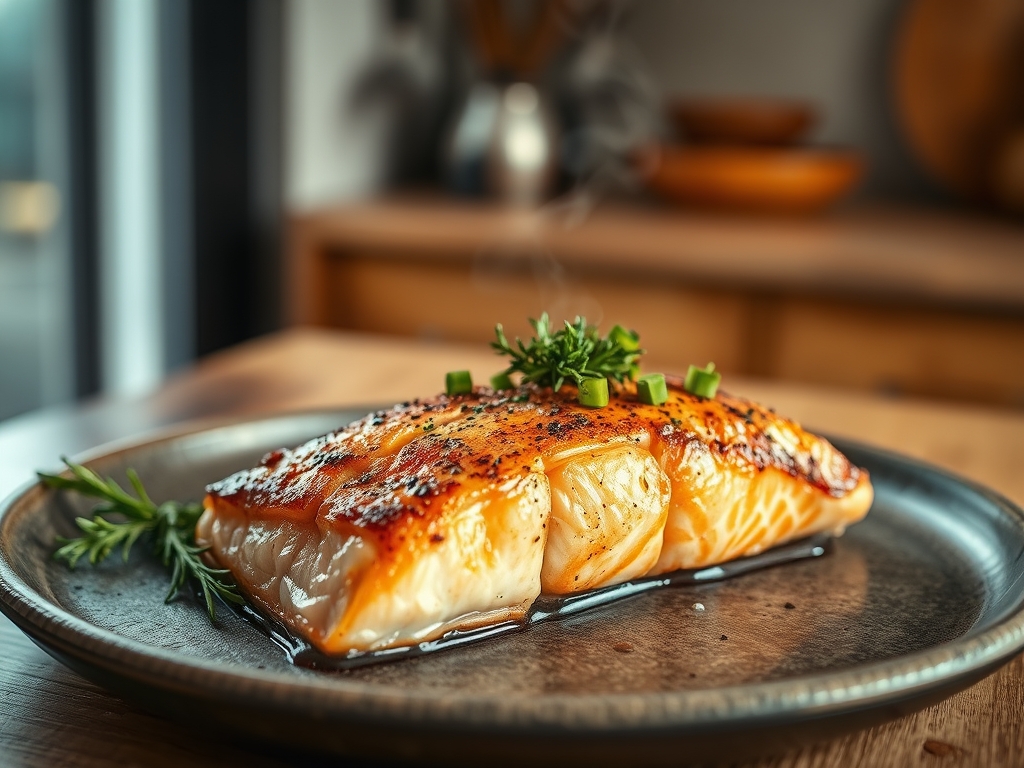
Picture the scene: you are standing in your kitchen after a long day, craving something that feels like a five star indulgence but requires the effort of a microwave meal. Your air fryer sits on the counter like a silent, high tech promise of crispy skin and buttery flakes. When you master healthy salmon recipes air fryer techniques, you are not just cooking; you are harnessing high velocity convection to mimic a professional sear without the oil splatter. The magic happens when the circulating air hits the natural fats in the fish, creating a texture that is simultaneously succulent and crisp. We are moving beyond basic baking into the realm of culinary engineering. I am talking about salmon that shatters at the touch of a fork while remaining translucent and tender at the core. Forget the dry, chalky fillets of the past. Today, we are using science to unlock the ultimate weeknight luxury. It is fast, it is nutritious, and it is about to become your new personality trait.
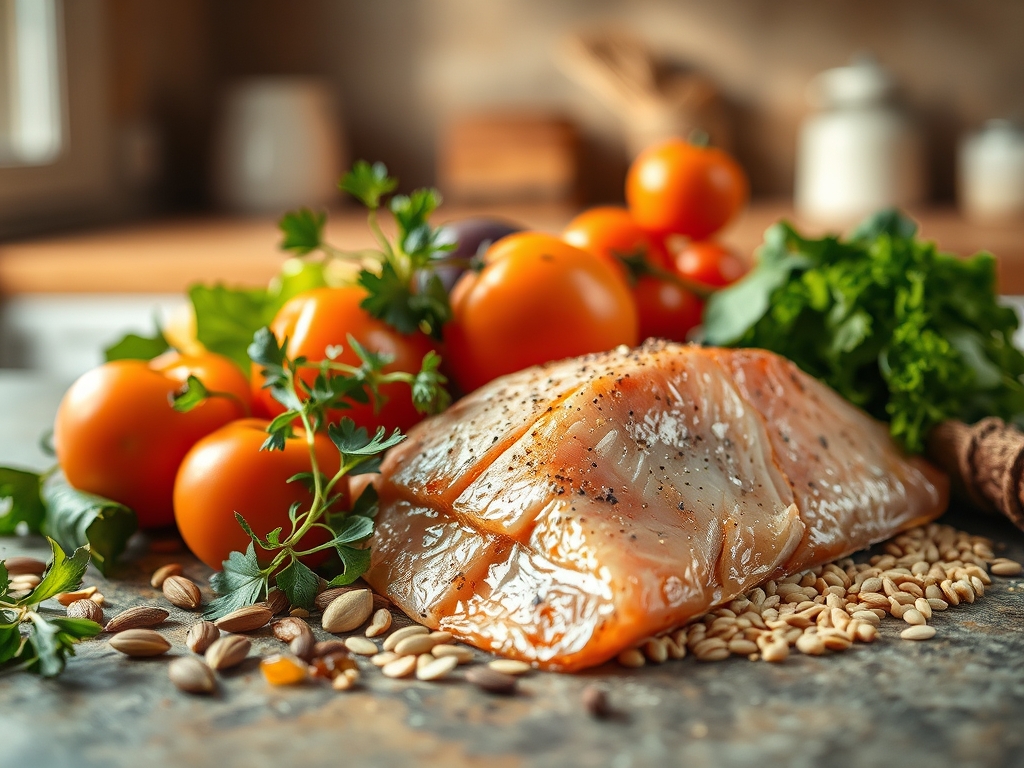
The Gathers:
To achieve perfection, your mise-en-place must be intentional. Start with center cut fillets, preferably wild caught for their superior astaxanthin content and lean muscle structure. You will need a microplane to shave aromatics into a fine paste; this ensures even distribution of flavor without large chunks that might burn in the high heat. Grab your digital scale to ensure each portion is roughly 170 grams; uniform mass equals uniform cooking.
The liquid components are just as vital. You need a viscous binder like Dijon mustard or a touch of honey to help your dry rub adhere. For the "Smart Substitutions," consider swapping heavy oils for an atomized spray of avocado oil, which has a high smoke point of 520 degrees Fahrenheit. If you are watching sodium, replace soy sauce with liquid aminos or a piquant squeeze of fresh Meyer lemon. Use a bench scraper to clean your workspace as you go, keeping the environment as sharp as your chef's knife.
The Clock
The "Chef's Flow" is all about overlapping tasks to minimize downtime. Your total active prep time is exactly eight minutes. While your air fryer preheats for five minutes, you are seasoning and tempering the fish. Bringing the salmon to room temperature for ten minutes before cooking prevents the muscle fibers from seizing when they hit the heat. The actual cook time ranges from seven to ten minutes depending on thickness. While the air circulates, you have just enough time to whisk a quick emulsion or toss a side salad. This is the efficiency of a professional line cook brought to your home kitchen.
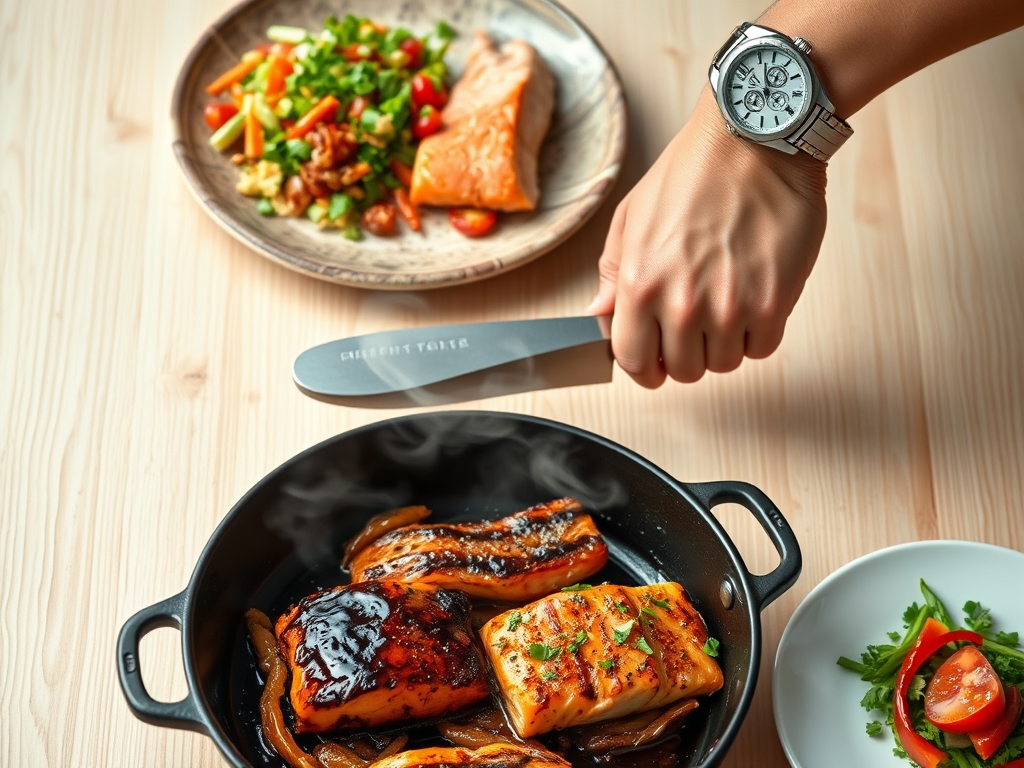
The Masterclass
1. The Tempering Ritual
Pat your fillets bone-dry with a lint-free paper towel. Moisture is the enemy of the Maillard reaction. If the surface is damp, the air fryer will steam the fish rather than sear it.
Pro Tip: This is about thermodynamics. Removing surface moisture ensures the energy of the air fryer goes toward browning the proteins rather than evaporating water.
2. The Microplane Infusion
Grate fresh ginger and garlic directly over the fish. Use your microplane to create a slurry that melts into the flesh.
Pro Tip: Fine grating increases the surface area of the aromatics, allowing the volatile oils to infuse the healthy salmon recipes air fryer base more deeply in a shorter time frame.
3. The Aerated Seasoning
Dust your dry spices from at least twelve inches above the fillets. This ensures an even, aerated coating rather than clumps of salt or pepper.
Pro Tip: Even distribution prevents "hot spots" of flavor and ensures the salt can begin denaturing the surface proteins uniformly for a tighter crust.
4. The High Velocity Sear
Place the fillets skin side down in the basket. Do not overcrowd; the air needs to circulate 360 degrees around each piece to render the subcutaneous fat.
Pro Tip: Air fryers are essentially miniaturized convection ovens. Overcrowding drops the internal temperature and kills the "air-sear" effect.
5. The Glaze Application
If using a glaze, apply it only in the last two minutes of cooking. Use a silicone brush to paint a thin, even layer.
Pro Tip: Sugars in glazes undergo caramelization rapidly. Applying them too early leads to carbonization (burning) before the fish is cooked through.
6. The Carryover Rest
Remove the salmon when it hits an internal temperature of 130 degrees Fahrenheit using tongs. Transfer it to a warm plate immediately.
Pro Tip: Thermal carryover will continue to cook the fish for several minutes after it leaves the heat. Resting allows the juices to redistribute so they do not leak out upon the first cut.
7. The Acid Finish
Finish with a bright, acidic element like zest or a splash of verjus. Use a saucier to drizzle any remaining pan juices back over the top.
Pro Tip: Acid cuts through the richness of the omega-3 fatty acids, balancing the palate and brightening the earthy notes of the cooked protein.
The Deep Dive
From a macro perspective, this is a powerhouse meal. A standard 6 ounce serving provides roughly 34 grams of high quality protein and 1.5 grams of heart healthy omega-3s. For my keto friends, this is a dream; just skip the honey glaze. If you are vegan, this same air fryer technique works wonders on "salmon" blocks made from marinated tofu or pressurized watermelon.
The Fix-It: Common Pitfalls
- The White Gunk: If you see white "stuff" (albumin) seeping out, you are overcooking the fish. Pull it out two minutes earlier next time.
- Sticking: If the skin sticks to the basket, you didn't preheat long enough. A hot basket creates an instant sear that releases naturally.
- Uneven Cooking: If the tail is dry but the center is raw, tuck the thin tail underneath the fillet to create a uniform thickness.
Meal Prep Science: To reheat, do not use the microwave. Put the salmon back in the air fryer at 300 degrees for three minutes. This restores the crispness of the skin without rubberizing the proteins.
The Wrap-Up
Mastering healthy salmon recipes air fryer style is the ultimate kitchen flex. It is the intersection of modern convenience and culinary physics. By respecting the temperature, managing moisture, and understanding the "why" behind the sear, you have transformed a simple piece of fish into a gourmet masterpiece. Go ahead and pour yourself a glass of crisp Sauvignon Blanc; you have officially won dinner.
The Kitchen Table
How do I prevent salmon from smelling "fishy"?
Always use fresh, high quality fillets and pat them dry. The "fishy" smell comes from Trimethylamine (TMA) which develops as fish ages. A quick rinse with lemon juice or milk can also neutralize these odors before cooking.
Can I cook frozen salmon in the air fryer?
Yes, but for the best texture, thaw it first. If cooking from frozen, add five minutes to the timer and skip the initial sear. Note that the texture will be slightly more firm due to moisture loss during the defrosting phase.
What is the best temperature for air fryer salmon?
Set your air fryer to 400 degrees Fahrenheit. This high heat is necessary to achieve the Maillard reaction on the surface while keeping the interior moist. Lower temperatures often result in a "steamed" texture rather than a roasted one.
Do I need to flip the salmon?
No flipping is required. The beauty of the air fryer is the 360 degree air circulation. Flipping often breaks the delicate flesh or tears the skin. Keep it skin side down for the entire duration for the best results.