
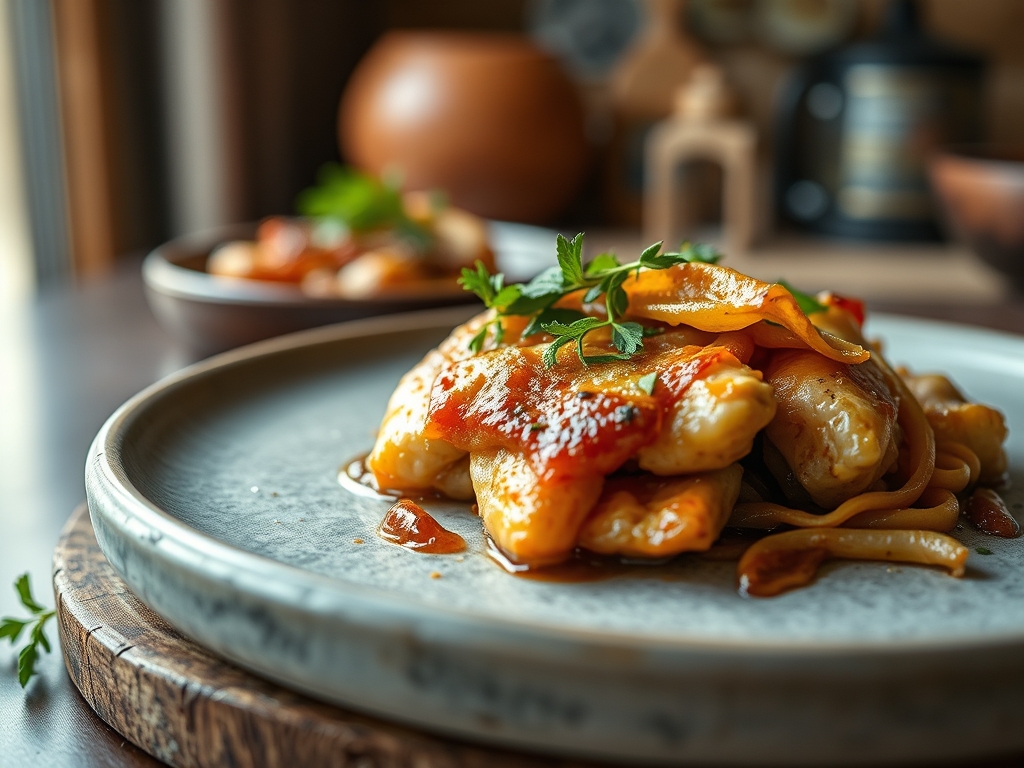
Imagine the rhythmic click of a pull-tab and the immediate, savory aroma of salt-cured poultry. While the humble tin might look unassuming, it is a pressurized vault of flavor waiting for a spark of heat. These canned chicken recipes for dinner are the ultimate bridge between a frantic Tuesday and a gourmet experience; they offer pre-cooked convenience without sacrificing the structural integrity of a well-balanced meal.
The magic of this pantry staple lies in its processing. Canned chicken is essentially pressure-cooked within the can, which breaks down tough connective tissues into gelatin. This results in a protein that is incredibly tender and ready to absorb any sauce or spice profile you throw its way. We are moving far beyond the basic cold salad. We are talking about utilizing high-heat searing to trigger the Maillard reaction on pre-cooked fibers; we are talking about creating creamy, emulsified sauces that cling to every strand of meat. Whether you are craving a piquant Buffalo bake or a viscous, herb-heavy pot pie filling, these six methods prove that luxury is often found in the most efficient places.
The Gathers:
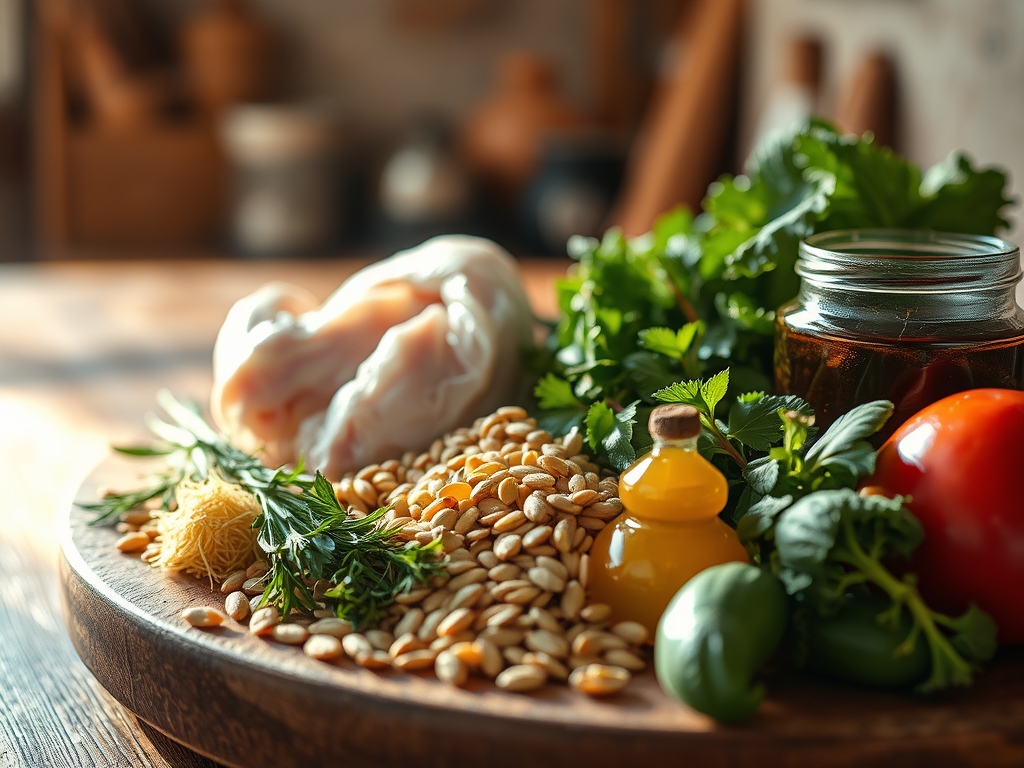
To achieve professional results, your mise-en-place must focus on texture and acidity to balance the shelf-stable nature of the protein. Gather three 12.5-ounce cans of premium chicken breast. You will notice the liquid inside is a collagen-rich broth; do not discard it entirely. It is a natural thickener for pan sauces. You will also need a high-quality fat, such as grass-fed butter or cold-pressed olive oil, to provide the mouthfeel that lean canned breast often lacks.
For aromatics, reach for fresh shallots and garlic. Use a microplane to grate the garlic into a fine paste; this ensures it melts into your sauce rather than burning in the skillet. Have a bowl of "brighteners" ready: capers, lemon zest, and fresh parsley. These high-acid components cut through the density of the preserved meat.
Smart Substitutions:
If you are out of fresh aromatics, use a dash of fish sauce to mimic the savory depth of sautéed onions. If the chicken feels too soft, a quick toss in cornstarch before hitting a heavy-bottomed skillet will create a crisp, golden exterior. For those avoiding dairy, a spoonful of tahini or cashew cream provides the same viscous coating as heavy cream without the lactose.
The Clock
Efficiency is a science, not an accident. The "Chef's Flow" for these canned chicken recipes for dinner focuses on parallel processing. Your total active time is a mere 15 minutes, with a total "table time" of 25 minutes.
Start by preheating your oven or your saucier immediately. While the heat builds, drain your chicken and pat it dry with paper towels; moisture is the enemy of browning. Use the 5-minute heating window to chop your greens and zest your citrus. By the time the pan is shimmering, your prep is complete. The cooking phase is purely about assembly and heat transfer, as the chicken is already "safe" to eat. We are simply layering flavors and achieving the perfect internal temperature of 165 degrees Fahrenheit for a harmonious bite.
The Masterclass
1. The Sear and Deglaze
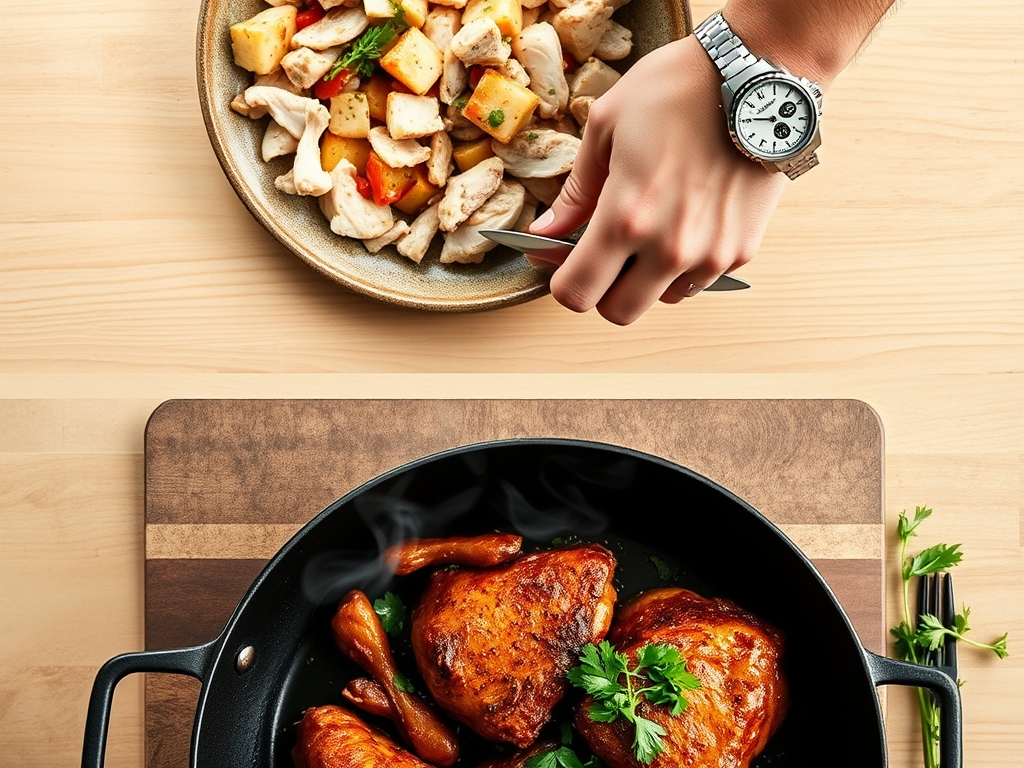
Heat two tablespoons of oil in a skillet until it reaches the smoke point. Add the patted-dry chicken in a single layer. Do not move it for three minutes. Once a crust forms, use tongs to flip the pieces. Pour in half a cup of dry white wine or chicken stock to deglaze the pan, scraping up the browned bits (fond) with a wooden spoon.
Pro Tip: This relies on the Maillard reaction, a chemical reaction between amino acids and reducing sugars that creates the complex, savory flavors we associate with roasted meat.
2. Emulsifying the Base
Reduce the heat and add your liquid base; this could be heavy cream, coconut milk, or a jarred pesto. Stir constantly in a circular motion to emulsify the fats with the deglazing liquid. This prevents the sauce from "breaking" or becoming oily.
Pro Tip: Use a whisk to incorporate air, which helps the sauce coat the chicken more effectively through surface tension.
3. Infusing Aromatics
Fold in your microplaned garlic, herbs, and spices. At this stage, the chicken acts like a sponge. Because it has been pressure-cooked, the fibers are open and ready to infuse with whatever aromatics you introduce.
Pro Tip: Adding dried herbs early allows their oils to bloom in the fat; adding fresh herbs at the very end preserves their volatile aromatic compounds.
4. The Acid Finish
Just before serving, squeeze fresh lemon juice over the dish or add a splash of apple cider vinegar. This is the "brightening" phase that wakes up the palate.
Pro Tip: Acid lowers the pH of the dish, which physically triggers more saliva production and makes the flavors taste more vibrant and intense.
The Deep Dive
When we look at the macro nutrition, canned chicken is a powerhouse. A standard serving offers roughly 21 grams of protein with less than 2 grams of fat. It is the perfect canvas for those tracking macros, as you can control the added fats yourself.
Dietary Swaps:
- Keto: Replace flour-based thickeners with a pinch of xanthan gum or extra heavy cream.
- Vegan: To replicate this experience without meat, use canned young green jackfruit; the texture is nearly identical to shredded chicken.
- Gluten-Free: Use tamari instead of soy sauce and ensure your chicken brand does not use modified food starch as a filler.
The Fix-It:
- The "Tinny" Taste: If the meat tastes metallic, soak the drained chicken in cold water for two minutes, then pat dry. The water leaches out excess sodium and metallic notes.
- Mushy Texture: You likely overcrowded the pan. Cook in batches to ensure the steam can escape, allowing for a crisp exterior.
- Dryness: Canned breast meat can be lean. Always finish the chicken in a sauce or toss it with a high-quality oil to restore the lipid barrier.
Meal Prep:
To maintain "day-one" quality, store the chicken and sauce separately if possible. When reheating, add a tablespoon of water or stock. This creates steam, which prevents the protein from becoming rubbery in the microwave or on the stovetop.
The Wrap-Up
Mastering canned chicken recipes for dinner is about realizing that convenience is a tool, not a compromise. By applying professional techniques like deglazing and emulsification, you transform a shelf-stable ingredient into a five-star meal. You have the protein, you have the science, and now you have the confidence to turn a simple tin into a culinary triumph. Go forth and cook with speed and wit!
The Kitchen Table
Is canned chicken as healthy as fresh chicken?
Yes; it retains the same protein content and essential minerals. The main difference is sodium, which is used for preservation. Rinsing the chicken under cold water can reduce the sodium content by up to 40 percent without compromising the texture.
How do I make canned chicken taste like rotisserie?
Drain and pat the chicken dry, then toss with smoked paprika, onion powder, and poultry seasoning. Sear it in a hot skillet with butter until the edges are crisp. The butter provides the fat and "roasted" flavor missing from the canning process.
Can I use the liquid inside the chicken can?
The liquid is a concentrated chicken stock. You can use it to flavor rice or as a base for sauces. However, if you are watching your salt intake, it is better to discard it and use low-sodium broth instead.
What is the best way to store leftover canned chicken?
Transfer the chicken to an airtight glass container immediately after opening. It will stay fresh in the refrigerator for up to three days. Do not store the chicken in the original metal can, as it can affect the flavor profile.