
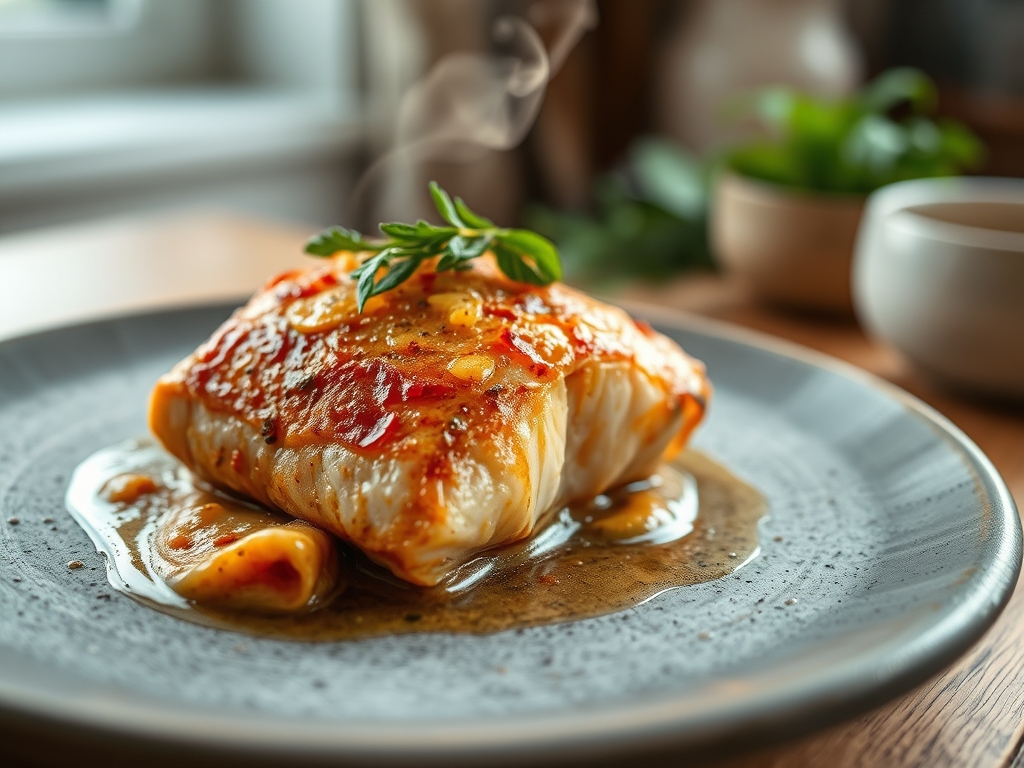
Imagine the sizzle of a cold Atlantic fillet hitting a shimmering layer of mustard oil in a heavy-bottomed skillet. The air immediately thickens with the scent of toasted fenugreek and caramelized onions; a fragrance so potent it feels like a warm hug from a Mumbai spice market. If you have ever worried that the delicate flake of a fish might be overwhelmed by the punchy heat of the subcontinent, let me stop you right there. When you master salmon recipes indian style, you are not just cooking dinner; you are orchestrating a high-stakes marriage between rich, omega-3 fats and the vibrant acidity of tamarind or kokum. We are moving beyond the basic grilled slab and diving into a world where turmeric stains the skin gold and coconut milk creates a silky, viscous emulsion that clings to every forkful. This is where high-end culinary science meets the soul of a dadi's kitchen, and I am going to show you exactly how to balance those bold aromatics without losing the integrity of the fish.
The Gathers:
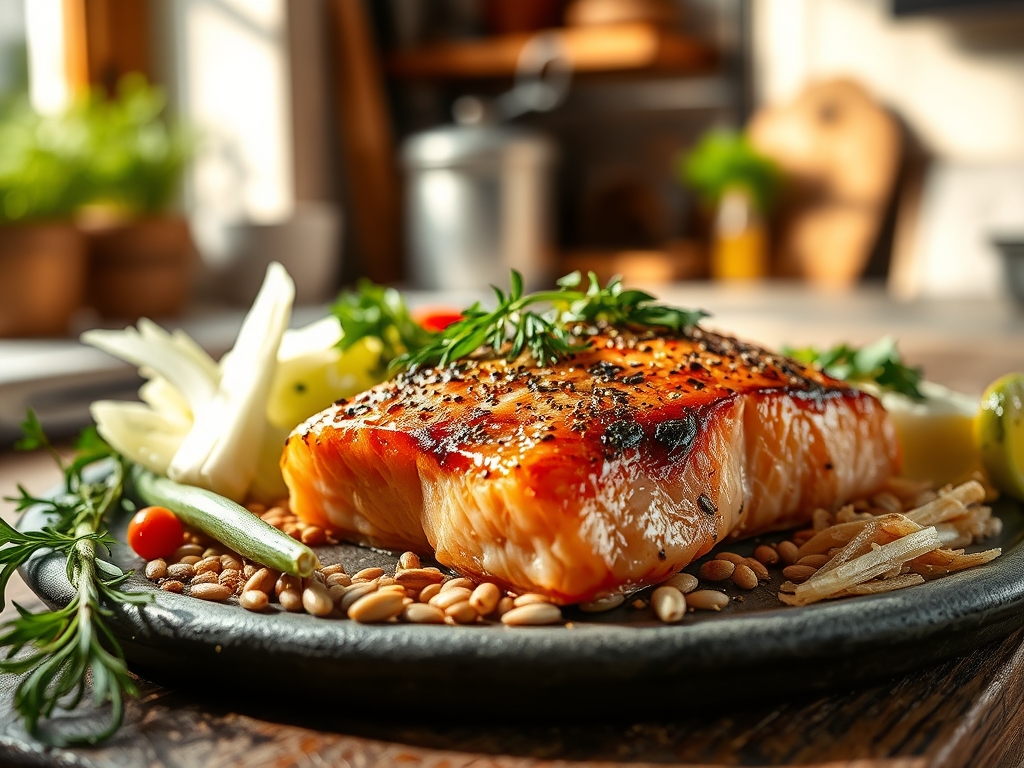
Setting up your mise-en-place is the difference between a frantic kitchen and a rhythmic flow. For these salmon recipes indian style, you need to treat your ingredients like a laboratory kit. Start with 1.5 pounds of center-cut salmon; this cut offers the most uniform thickness for even thermal distribution. You will need high-smoke-point fats like Ghee or refined avocado oil to facilitate the Maillard reaction without scorching.
Your spice kit must include whole cumin seeds, black mustard seeds, and Kashmiri chili powder for that iconic piquant glow without excessive capsaicin burn. Use a microplane to create a fine paste of ginger and garlic; this increased surface area ensures the aromatics infuse the oil almost instantly. For the liquid base, reach for full-fat coconut milk or a strained tomato puree to achieve a velvety mouthfeel.
Smart Substitutions: If you cannot find fresh curry leaves, do not reach for the dried ones; they lack the essential oils. Instead, use a zest of lime and a crack of black pepper to mimic that citrusy punch. If you are watching your saturated fat, swap the ghee for a high-quality extra virgin olive oil, though you will sacrifice some of that nutty, toasted aroma. For those avoiding nightshades, a pinch of turmeric combined with a dash of wasabi can replicate the "heat" without the chili interference.
The Clock
The "Chef's Flow" is all about overlapping tasks to minimize downtime. Total preparation time is approximately 20 minutes, while active cooking time spans 15 to 20 minutes.
- The Prep (0-15 mins): Pat the fish bone-dry with paper towels. Moisture is the enemy of a crisp sear. Slice your aromatics and measure your spices into a small ramekin.
- The Sizzle (15-25 mins): Temper your whole spices in the hot oil. This is called "tadka" or "chaunk," and it releases fat-soluble flavor compounds that cannot be accessed through boiling alone.
- The Simmer (25-35 mins): Construct the gravy base and gently nestle the salmon into the liquid.
- The Rest (35-40 mins): Allow the fish to sit off-heat for three minutes. This allows the internal muscle fibers to relax and reabsorb the juices.
The Masterclass
1. Tempering the Aromatics
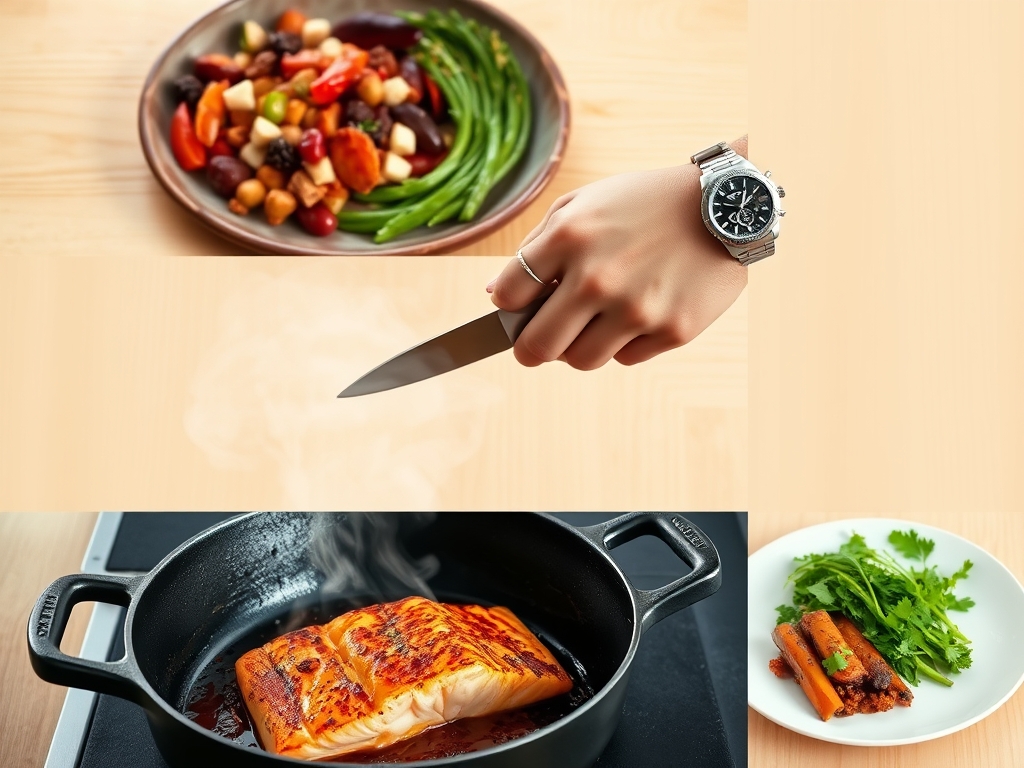
Heat your heavy-bottomed skillet over medium-high heat until a drop of water dances and evaporates. Add your oil and immediately drop in the mustard seeds. Wait for them to "pop" or crackle.
Pro Tip: This popping is the physical manifestation of the seeds' hulls breaking under internal steam pressure, which allows the volatile oils to infuse the cooking medium.
2. The Golden Sear
Place the salmon skin-side down. Do not move it. Use a flexible fish spatula to press down gently for the first 30 seconds to prevent the skin from curling.
Pro Tip: This step utilizes enzymatic browning to create a flavor crust. By searing first, you create a structural barrier that prevents the fish from disintegrating in the sauce later.
3. Building the Masala Base
Remove the fish and set it aside. In the same pan, add your onions and deglaze the "fond" (the brown bits) with a splash of water or broth. Add your ginger-garlic paste and powdered spices.
Pro Tip: Adding a splash of liquid triggers deglazing, which incorporates concentrated proteins back into the sauce, deepening the overall umami profile.
4. Emulsifying the Sauce
Lower the heat and pour in your coconut milk or tomato base. Stir constantly with a whisk or a saucier spoon to combine the fats and liquids into a smooth, glossy texture.
Pro Tip: Keeping the heat low prevents the coconut milk from curdling; a process where proteins denature and separate from the water, resulting in a grainy texture.
5. The Gentle Poach
Slide the salmon back into the simmering sauce. Cover the pan with a tight-fitting lid to trap the steam.
Pro Tip: This creates a vapor-phase heat transfer, cooking the top of the fish gently while the bottom absorbs the piquant flavors of the gravy.
6. The Finish and Garnish
Turn off the heat when the internal temperature reaches 125 degrees Fahrenheit. Add a squeeze of fresh lemon juice and a handful of chopped cilantro.
Pro Tip: This utilizes thermal carryover. The internal temperature will rise to the perfect 130-135 degrees while resting, ensuring the albumin (the white protein) doesn't leak out and make the fish dry.
The Deep Dive
Macro Nutrition: A standard serving of these salmon recipes indian style provides roughly 35g of high-quality protein, 22g of healthy fats (primarily monounsaturated and Omega-3s), and only 8g of carbohydrates. It is a metabolic powerhouse.
Dietary Swaps:
- Vegan: Swap salmon for extra-firm pressed tofu or thick slices of cauliflower steak.
- Keto: Ensure you use full-fat coconut milk and avoid any added sugars in the tomato base.
- GF: This recipe is naturally gluten-free, but always double-check your compounded asafoetida (hing), as it often contains wheat flour.
The Fix-It:
- The Sauce is Too Thin: Whisk in a teaspoon of cashew butter or heavy cream to increase the viscosity without changing the flavor profile.
- The Fish is Sticking: You likely tried to flip it too early. The fish will naturally "release" from the pan once the Maillard reaction has sufficiently dehydrated the surface proteins.
- Too Much Heat: If the chili is overwhelming, stir in a tablespoon of Greek yogurt. The fats in the dairy bind to the capsaicin and neutralize the burn on your palate.
Meal Prep & Reheating: To maintain "day-one" quality, store the sauce and fish separately if possible. When reheating, do not use the microwave; it turns salmon into rubber. Instead, place the salmon in a shallow pan with two tablespoons of water, cover with foil, and warm in a 300-degree oven for 8 minutes. This creates a mini-steamer environment that preserves the flake.
The Wrap-Up
Mastering salmon recipes indian style is about more than just following a list of steps; it is about understanding how heat, fat, and acid interact to elevate a simple protein into something transcendent. By using the right tools, like a digital scale for your spices and a heavy skillet for heat retention, you are ensuring a restaurant-quality result in your own kitchen. Go ahead and get those mustard seeds popping; your kitchen is about to become the best-smelling room in the house. You have got the science, the soul, and the skills to make this legendary.
The Kitchen Table
Can I use frozen salmon for these recipes?
Yes, but thaw it completely in the refrigerator and pat it extremely dry. Excess moisture prevents the sear and can make the fish "mushy" during the poaching phase.
What is the best side dish for Indian salmon?
Basmati rice is the gold standard for absorbing the viscous sauce. For a lower-carb option, try roasted broccolini with a squeeze of lemon or a simple cucumber raita.
How do I stop the "white stuff" from appearing on salmon?
That white substance is albumin. It appears when salmon is cooked too fast or at too high a temperature. Use a digital thermometer to pull the fish at 125 degrees.
Can I make the sauce ahead of time?
Absolutely. You can prepare the masala base up to three days in advance. Simply reheat the sauce in a saucier and drop in fresh salmon when you are ready to eat.