
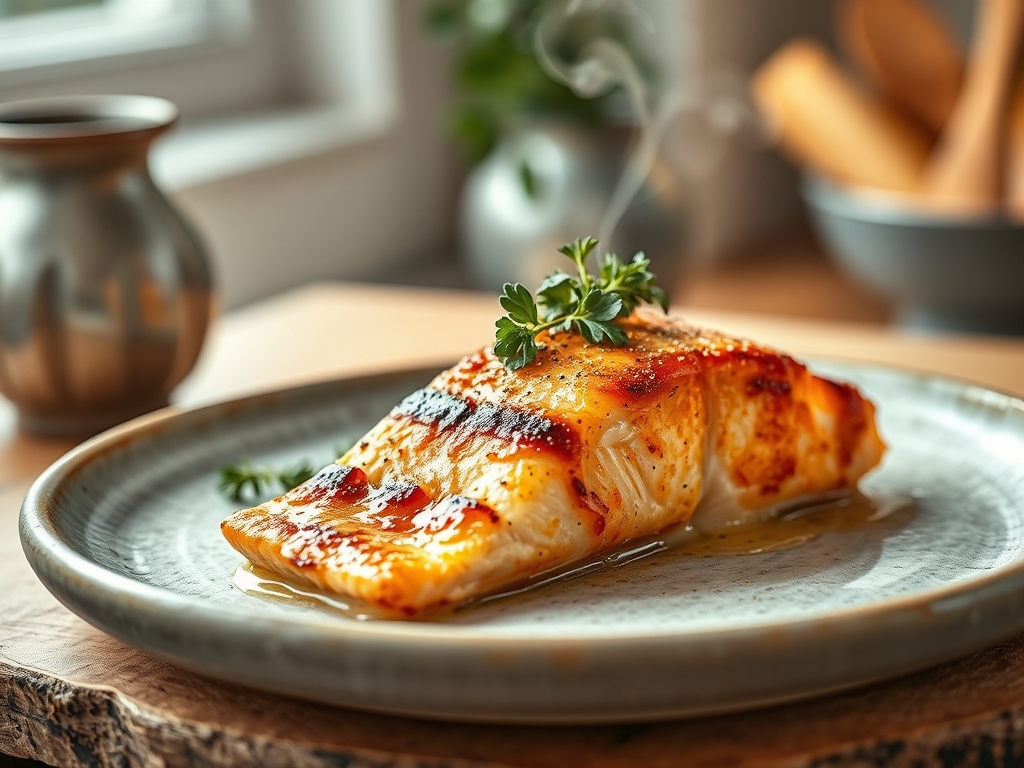
Imagine the kitchen air thickening with the scent of toasted hazelnut and sharp citrus while a cold fillet of Atlantic fish transforms into a shimmering masterpiece. When you master baked butter salmon recipes, you are not just cooking; you are orchestrating a delicate balance between lipid saturation and protein denaturation. Most home cooks settle for dry, flaky shards, but we are chasing that luxurious, melt-in-your-mouth silkiness that only a precise butter emulsion can provide. It is time to treat your oven like a high-end laboratory where fat is the primary conductor of flavor.
The secret to a truly elite crust lies in the moisture content of the surface. We are going to explore how to manipulate temperature and fat to create a dish that feels like a velvet hug on a plate. Grab your favorite apron and a glass of crisp Sauvignon Blanc; we are diving deep into the molecular magic that makes butter and salmon the ultimate power couple of the culinary world.
The Gathers:
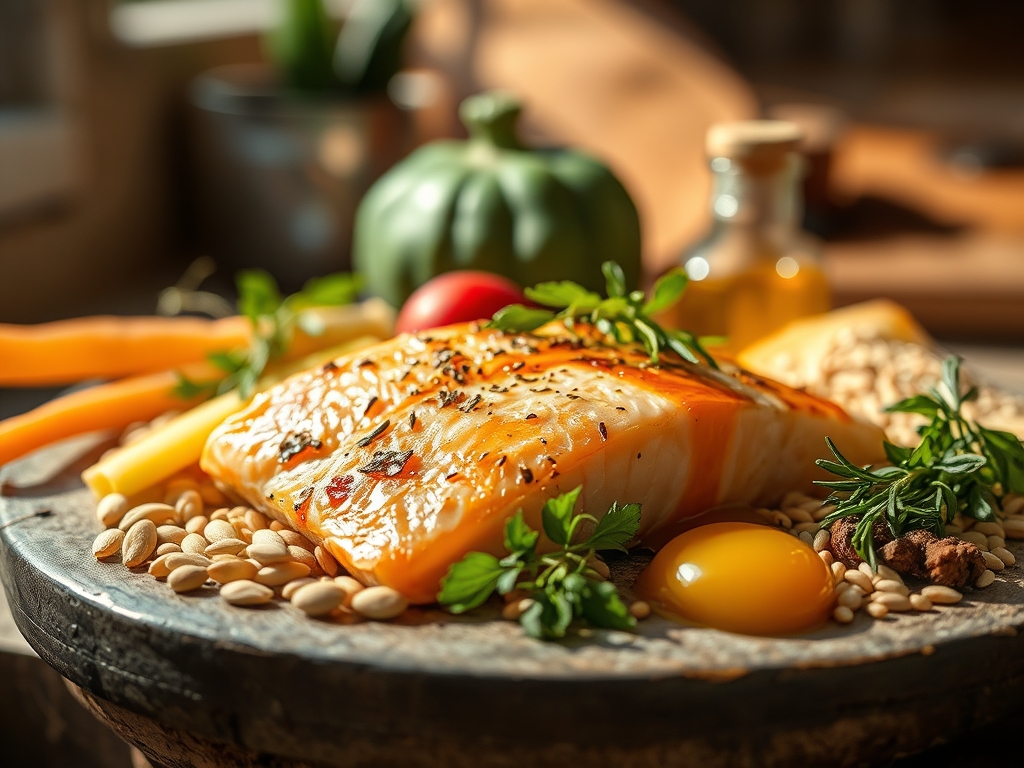
To begin our culinary experiment, we need high-quality reactants. Start with a center-cut side of salmon, preferably weighing about two pounds. Look for vibrant color and firm flesh; this indicates a high concentration of astaxanthin, the antioxidant that gives salmon its hue. You will need one stick of high-fat European-style butter. Unlike standard American butter, European varieties have a lower water content and higher butterfat percentage, which ensures a more viscous and stable sauce that won't break under high heat.
Your mise-en-place should also include four cloves of garlic, a bunch of fresh dill, and one organic lemon. Using a microplane, you will zest the lemon to release the essential oils stored in the flavedo without hitting the bitter white pith. For the piquant kick, grab a jar of nonpareil capers. Their briny profile provides a necessary acid balance to the heavy lipids.
Smart Substitutions:
If you are looking to lighten the profile without losing the mouthfeel, you can swap half the butter for a high-quality avocado oil. For those avoiding dairy entirely, a cultured vegan butter made from cashews offers the most similar emulsification properties. If fresh dill is unavailable, use tarragon; its anise-like notes provide a sophisticated, herbaceous depth that cuts through the richness of the fish oil.
The Clock
Efficiency in the kitchen is about "Chef's Flow," the art of overlapping tasks so no heat is wasted. Your total active prep time is exactly twelve minutes. This includes the time to aerate your butter mixture and prep your aromatics. The salmon will spend approximately fifteen to eighteen minutes in the oven, depending on the thickness of the fillet.
The "Flow" works like this: Preheat your oven to 375 degrees Fahrenheit immediately. While the heating elements stabilize, you perform your knife work. By the time your digital scale confirms the weight of your ingredients, the oven is ready. Total time from fridge to table is under thirty minutes, making this the most efficient luxury meal in your repertoire.
The Masterclass
1. The Surface Prep
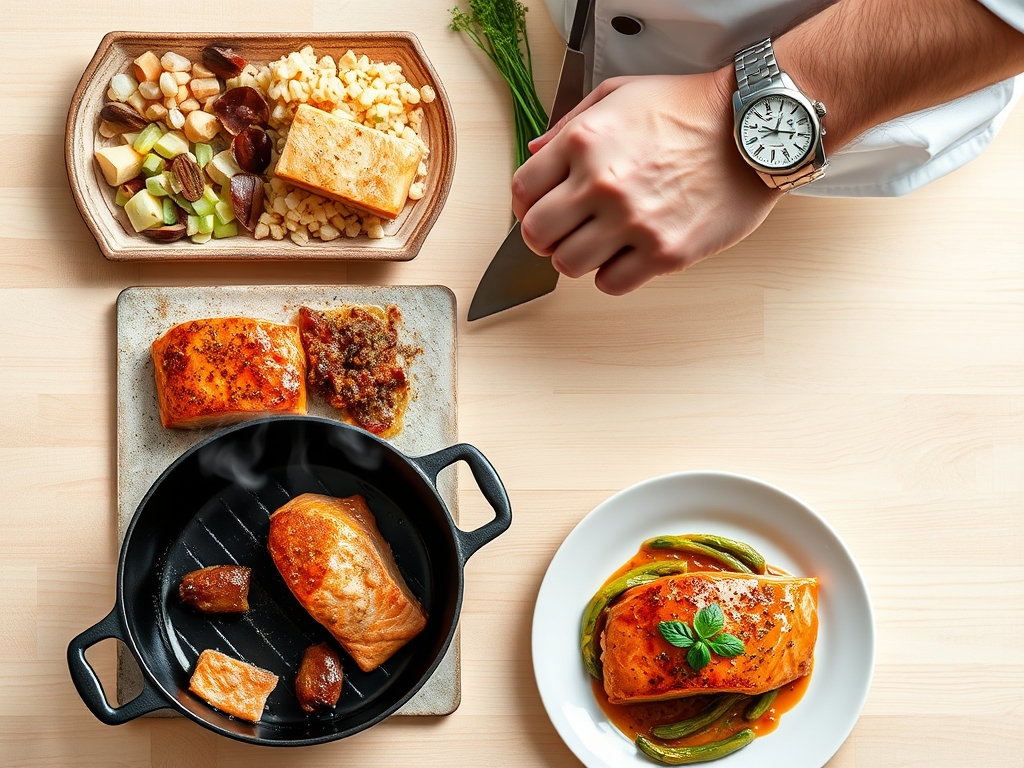
Before the fish ever touches a pan, you must use a paper towel to pat the skin and flesh completely dry. Moisture is the enemy of the Maillard reaction. If the surface is damp, the fish will steam rather than sear. Once dry, season generously with kosher salt from a high altitude to ensure even distribution.
Pro Tip: This technique utilizes osmotic pressure. Salt draws out deep-seated moisture which then re-absorbs as a concentrated brine, seasoning the fish at a cellular level and tightening the protein structure.
2. The Butter Infusion
In a small saucier, melt your butter over low heat. Add your minced garlic and lemon zest. You are looking to infuse the fats with the aromatics without browning the milk solids yet. The goal is a fragrant, golden liquid that smells like a Parisian bistro.
Pro Tip: This is a low-temperature extraction. Keeping the heat below 150 degrees Fahrenheit prevents the garlic from turning bitter through premature enzymatic browning, preserving its sweet, pungent profile.
3. The Enveloping Pour
Place the salmon on a parchment-lined baking sheet. Using a pastry brush or a large spoon, coat the entire fillet with the butter mixture. Ensure the liquid pools slightly around the edges; this creates a shallow poaching environment for the thinnest parts of the fish.
Pro Tip: The butter acts as a thermal insulator. By coating the fish in a lipid barrier, you slow down the heat transfer, which prevents the outer layers from overcooking before the center reaches the ideal temperature.
4. The Precision Bake
Slide the tray into the center rack. Watch for the albumin (the white protein) to just barely start appearing on the surface. Use a digital thermometer to check the internal temperature. You are aiming for 125 degrees Fahrenheit for a perfect medium-rare.
Pro Tip: Understand thermal carryover. Once you remove the fish from the oven, the internal temperature will continue to rise by 5 to 7 degrees. Pulling it early ensures the final result is succulent rather than chalky.
5. The Acid Brightening
As soon as the fish exits the oven, squeeze fresh lemon juice over the top and scatter your capers and fresh dill. The residual heat will slightly wilt the herbs, releasing their volatile oils without destroying their bright green color.
Pro Tip: Adding acid at the end is a "flavor bridge." The citric acid breaks down the long-chain fats on your palate, making the dish feel lighter and more balanced despite the heavy butter content.
6. The Resting Period
Transfer the salmon to a warm platter using wide tongs or a fish spatula to keep the fillet intact. Let it rest for five minutes. This allows the muscle fibers to relax and reabsorb the juices that were pushed to the surface during cooking.
Pro Tip: Resting allows for moisture equilibration. If you cut into the fish immediately, the pressurized juices will leak out, leaving the interior dry. Five minutes of patience results in a significantly juicier bite.
The Deep Dive
From a nutritional standpoint, this dish is a powerhouse of Omega-3 fatty acids and high-quality protein. A standard six-ounce serving contains roughly 340 calories, 40 grams of protein, and 20 grams of healthy fats. It is naturally low-carb and fits perfectly into Keto or Mediterranean lifestyles. To make it gluten-free, simply ensure your spices are certified; for a vegan version, use a thick cauliflower steak and plant-based butter.
The Fix-It:
- The "White Stuff" Overload: If too much white albumin appears, your oven is too hot. Lower the temp by 25 degrees next time. To fix it now, gently brush it away with a pastry brush dipped in butter.
- Soggy Skin: If the skin isn't crisp, you didn't dry it enough or the pan wasn't preheated. Fix this by finishing the salmon under the broiler for 60 seconds.
- Broken Sauce: If the butter looks oily and separated, whisk in a teaspoon of warm water or heavy cream to re-establish the emulsion.
Meal Prep: To reheat, avoid the microwave at all costs; it turns salmon into rubber. Instead, place the leftover fillet in a covered pan with a splash of water over low heat for three minutes. This creates a gentle steam bath that preserves the delicate protein structure.
The Wrap-Up
Mastering baked butter salmon recipes is your ticket to becoming the most popular host in your circle. It is a dish that feels incredibly expensive but relies on simple, scientific principles of heat and fat management. By focusing on the quality of your butter and the precision of your "pull temperature," you transform a basic grocery store staple into a five-star experience. Go forth, use your microplane with confidence, and remember that in the kitchen, butter is not just an ingredient; it is a lifestyle choice.
The Kitchen Table
How do I know when the salmon is perfectly done?
The most reliable method is using a digital thermometer to hit 125-130 degrees Fahrenheit. Visually, the flesh should change from translucent to opaque and flake easily when gently pressed with a fork in the thickest part.
Can I use frozen salmon for this recipe?
Yes, but you must thaw it completely in the refrigerator first. Pat it extremely dry with paper towels to remove excess moisture from the freezing process, which ensures the butter adheres properly to the protein surface.
Why does my garlic sometimes turn blue in the butter?
This is a harmless chemical reaction between the sulfur in garlic and the trace minerals in your water or lemon juice. To prevent this, use fresh garlic and add the acidic lemon juice only after the cooking process is complete.
What is the best type of butter to use?
Opt for unsalted European-style butter with at least 82% butterfat. Higher fat content creates a more stable emulsion and a richer flavor profile, allowing you to control the sodium levels manually with high-quality kosher salt.