
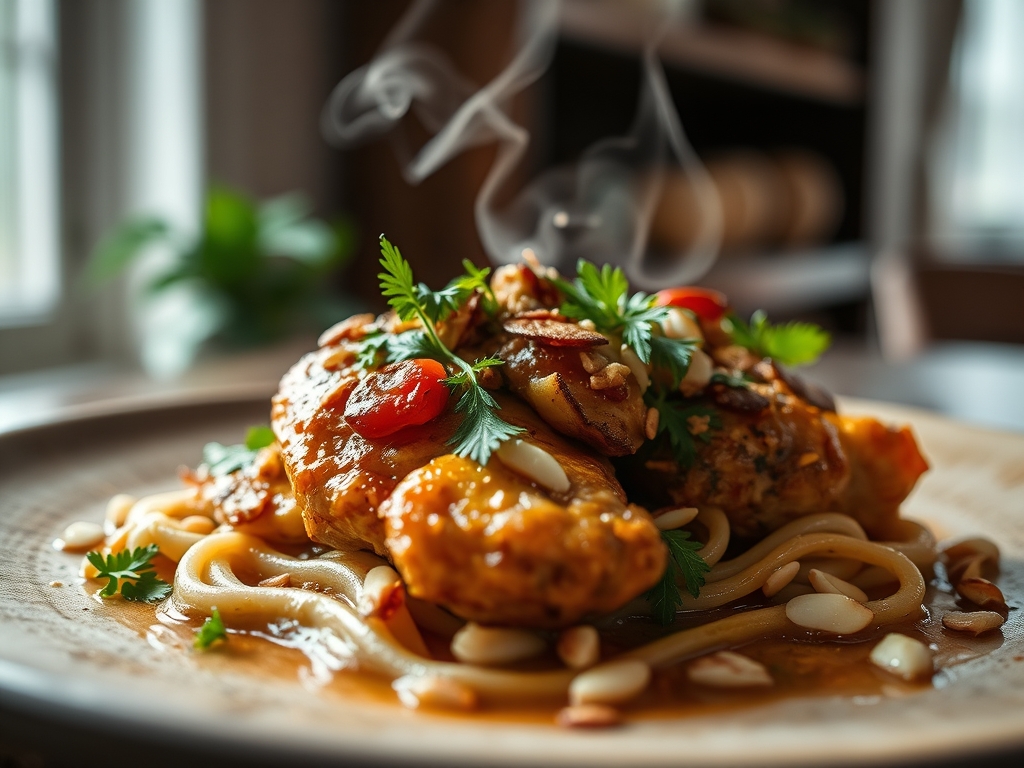
Imagine the scent of toasted nuts meeting the sizzle of cold poultry hitting a searing hot pan. It is a sensory collision that defines the best almond chicken recipes. Whether you are craving the nostalgic crunch of a Cantonese classic or a modern pan-seared fillet, the magic lies in the contrast between the tender protein and the earthy, woodsy snap of the almond.
The secret to a world-class dish is not just the ingredients; it is the chemistry of how they interact. When we talk about almond chicken recipes, we are looking for that perfect balance of textures. We want the chicken to be succulent and the almonds to be golden and aromatic. This is not just dinner; it is an exercise in culinary precision. We are going to master the art of the crunch today. I will show you how to manipulate heat and moisture to ensure your kitchen smells like a high-end bistro. Grab your apron because we are diving deep into the mechanics of flavor.
The Gathers:
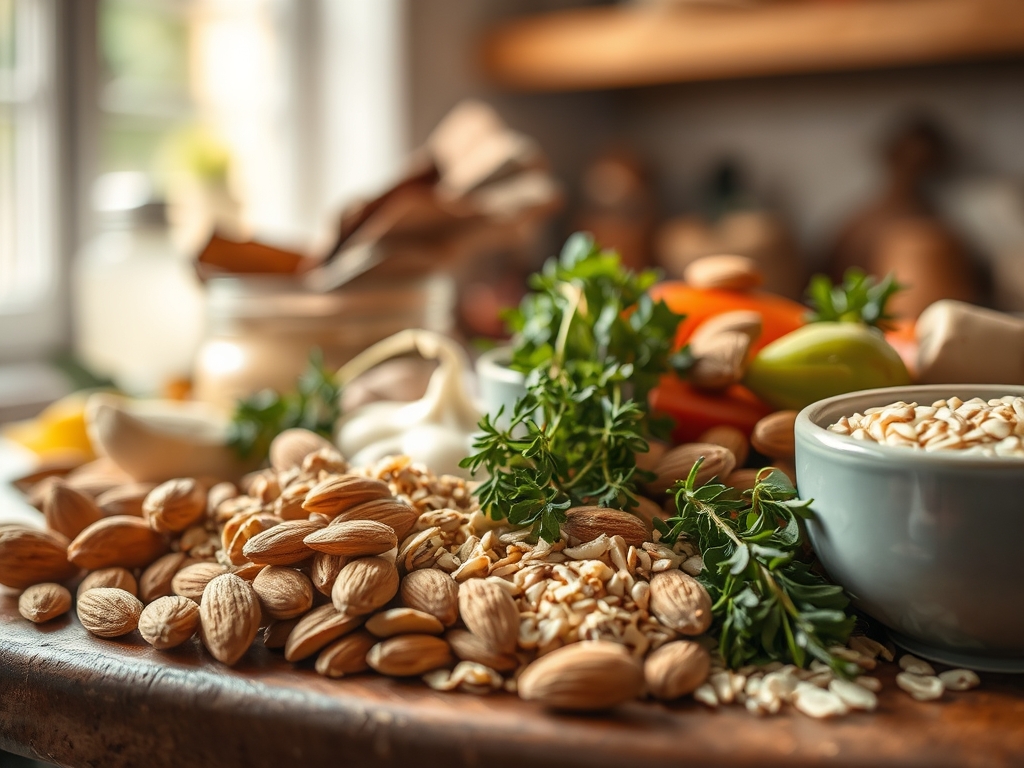
Before we ignite the burners, we must assemble our mise-en-place. Use a digital scale for your dry goods to ensure the coating to protein ratio is mathematically perfect. You will need high-quality chicken breasts or thighs, sliced into uniform medallions to ensure even heat distribution. For the star of the show, choose blanched, slivered almonds. Blanched almonds lack the bitter tannins found in the skins, allowing the buttery fats to shine when they undergo the Maillard reaction.
Your pantry should include a high-smoke-point oil like grapeseed or avocado oil. These oils allow for high-temp searing without breaking down into acrid compounds. You will also need cornstarch or arrowroot powder for that signature viscous sauce consistency. A splash of soy sauce provides the umami base, while ginger and garlic offer a piquant aromatics profile.
Smart Substitutions:
If you are avoiding soy, coconut aminos offer a similar salt profile with a hint of sweetness. For a floral twist, swap standard almonds for Marcona almonds; their higher fat content creates a more luxurious mouthfeel. If you lack a heavy-bottomed skillet, a cast iron pan is your best friend for heat retention.
The Clock
Efficiency in the kitchen is about the Chef's Flow. This is the rhythmic sequence of tasks that prevents bottlenecks. Total prep time for these almond chicken recipes is typically 20 minutes, with a cook time of 15 minutes.
Start by prepping your aromatics; use a microplane to grate your ginger and garlic into a fine paste. This increases surface area, allowing the flavors to infuse the oil almost instantly. While the chicken marinating in a light brine, toast your almonds in a dry pan. This "pre-toasting" ensures they stay crunchy even after they are tossed in the sauce. By the time your pan is screaming hot for the chicken, your garnish is ready and your sauce is whisked.
The Masterclass
1. The Velveting Process
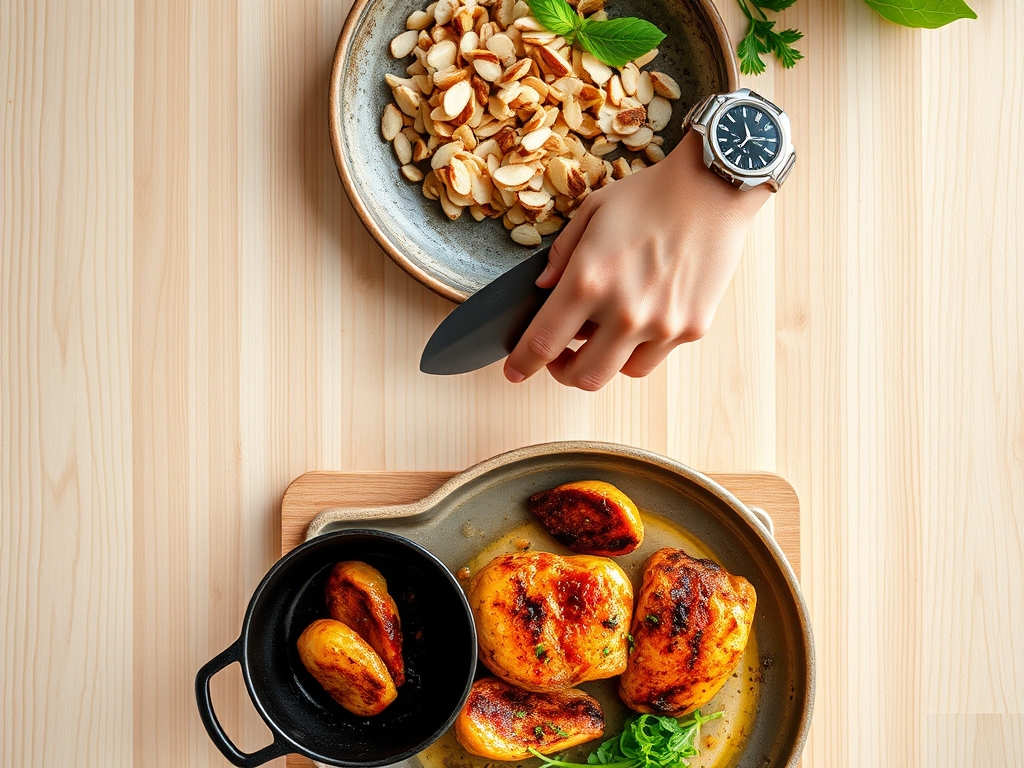
Coat your chicken pieces in a mixture of egg white, cornstarch, and a splash of rice wine. This Chinese technique creates a protective barrier that keeps the meat juicy during high-heat frying.
Pro Tip: This works because the alkaline egg white breaks down the tough protein fibers, while the starch traps moisture. This prevents the chicken from becoming stringy or dry.
2. Toasting the Almonds
Place your slivered almonds in a cold saucier and bring them up to medium heat. Shake the pan constantly until they turn a pale gold and smell like toasted butter.
Pro Tip: This is a dry-heat method that triggers enzymatic browning. Remove them from the pan the second they look ready; residual heat will continue to cook them for another 60 seconds.
3. The High-Heat Sear
Wipe your skillet and add your oil. Once you see wisps of smoke, add the chicken in a single layer using tongs. Do not overcrowd the pan or the temperature will drop, causing the meat to steam rather than sear.
Pro Tip: Achieving a hard sear creates complex flavor molecules. If the pan is too cold, you lose the Maillard reaction, resulting in grey, flavorless meat.
4. Deglazing the Pan
Once the chicken is browned, remove it and add your liquid base (broth, soy, and aromatics). Use a bench scraper or wooden spoon to lift the browned bits from the bottom.
Pro Tip: Those browned bits are called "fond." Deglazing incorporates this concentrated flavor back into your sauce, providing depth that salt alone cannot achieve.
5. Emulsifying the Sauce
Whisk in your starch slurry and bring to a simmer. The sauce will transition from cloudy to translucent as it thickens.
Pro Tip: This is starch gelatinization. The granules swell and trap water, creating a viscous glaze that clings to the chicken rather than pooling at the bottom of the plate.
6. The Final Toss
Return the chicken to the pan and fold in the toasted almonds. Use a quick, folding motion to coat everything evenly without overcooking the protein.
Pro Tip: Watch for thermal carryover. The chicken will continue to rise in temperature by about 5 degrees after you turn off the heat. Pull it just before it hits the target internal temp.
7. The Garnish and Serve
Finish with a sprinkle of scallions and a drizzle of toasted sesame oil. Serve immediately over jasmine rice or quinoa.
Pro Tip: Sesame oil is a finishing oil, not a cooking oil. Its volatile flavor compounds evaporate under high heat, so adding it at the end preserves its nutty aroma.
The Deep Dive
From a nutritional standpoint, almond chicken recipes are a powerhouse. You are getting lean protein from the chicken and heart-healthy monounsaturated fats from the almonds. One serving typically contains 35g of protein and 12g of healthy fats.
Dietary Swaps:
For a Keto version, swap the cornstarch for xanthan gum and use erythritol instead of sugar in the sauce. Vegan friends can substitute chicken with firm pressed tofu or cauliflower florets. For Gluten-Free needs, ensure your soy sauce is replaced with Tamari.
The Fix-It:
- Soggy Almonds: This happens if you add them too early. Always fold them in at the very last second before serving.
- Rubbery Chicken: Usually caused by overcooking. Use a digital thermometer to pull the chicken at 160F; it will reach 165F while resting.
- Broken Sauce: If your sauce looks greasy, it has "split." Add a teaspoon of warm water and whisk vigorously to re-emulsify the fats.
Meal Prep:
When reheating, do not use the microwave if possible. It turns the almonds into mush. Instead, use a toaster oven or a quick flash in a hot skillet. The dry heat will re-crisp the nuts and the coating on the chicken.
The Wrap-Up
Mastering almond chicken recipes is a gateway to understanding the balance of texture and heat. It is a dish that proves how simple ingredients, when treated with scientific respect, can become something extraordinary. You have the tools, the techniques, and the "why" behind every sizzle. Now, go turn your kitchen into a temple of crunch!
The Kitchen Table
How do I keep the almonds from getting soft in leftovers?
Store the toasted almonds in a separate airtight container. Only toss them into the chicken right before you eat. This preserves the structural integrity of the nut and prevents moisture absorption from the sauce.
Can I use almond flour instead of slivered almonds?
No, almond flour will create a grainy paste rather than a crunch. Use slivered or sliced almonds for the intended texture. If you only have whole almonds, pulse them briefly in a food processor to create large chunks.
What is the best way to thicken the sauce without cornstarch?
A tapioca starch or arrowroot slurry works beautifully. You can also reduce the sauce by half over high heat to concentrate the natural sugars and proteins, though this will result in a much saltier final flavor profile.
Why is my chicken sticking to the pan?
The pan was likely not hot enough or you tried to flip the chicken too soon. Protein naturally releases from the cooking surface once a proper crust has formed. Be patient and wait for the natural release.