
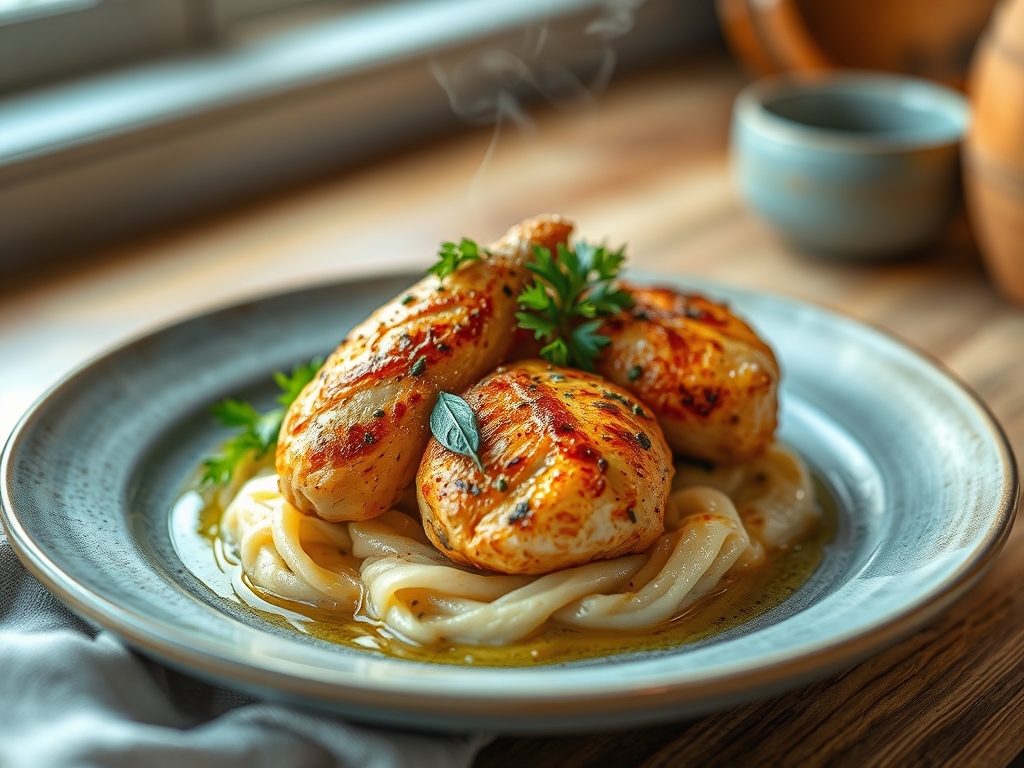
Imagine the scent of fresh tarragon colliding with the golden, sizzling skin of a bird that has never known the inside of a freezer. We are officially shedding the heavy, slow-simmered stews of winter for something far more kinetic. These spring chicken recipes are designed to celebrate the tender, youthful protein that defines the season. It is about brightness, acidity, and that perfect snap of a sugar pea.
Spring chicken, often referred to as a poussin or a young fryer, possesses a higher moisture content and a more delicate connective tissue structure than older birds. This means we are not fighting against tough fibers; we are dancing with them. When you master these nine variations, you are not just cooking dinner; you are performing a calibrated extraction of flavor. We are looking for that specific point where the meat is opaque and glistening, just before the cellular walls begin to contract and expel their precious juices. Grab your favorite heavy-bottomed skillet and a sharp chef's knife. We are about to turn your kitchen into a laboratory of seasonal delight where every sear is a calculated victory.
The Gathers:
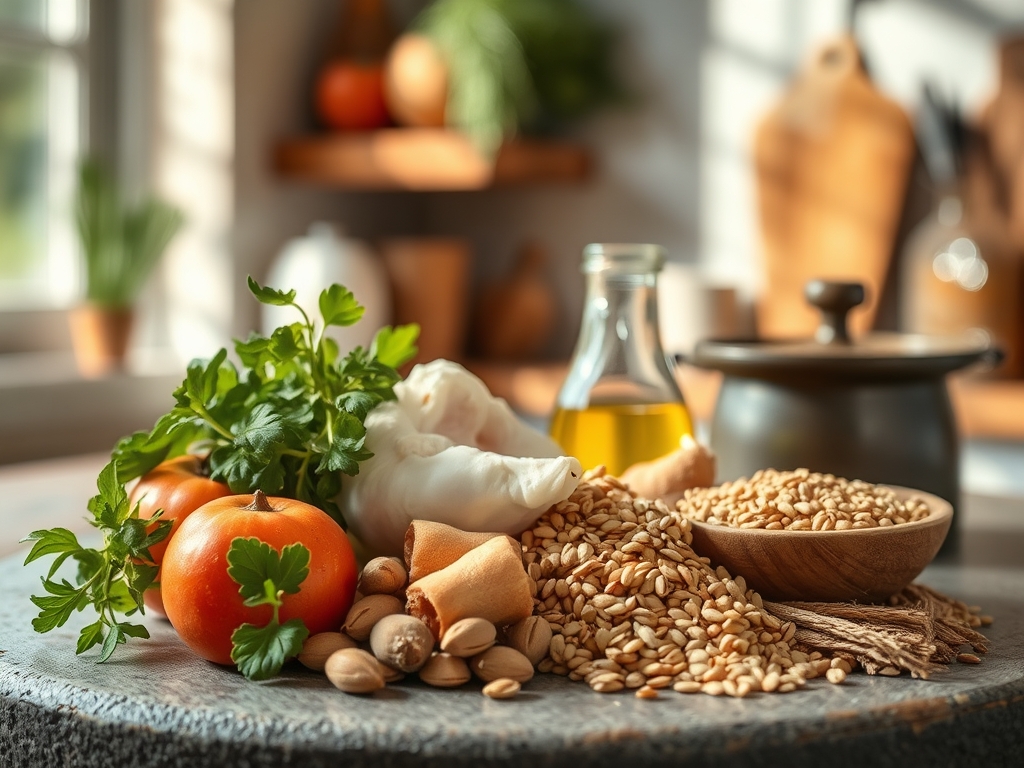
To execute these spring chicken recipes with precision, your mise-en-place must be impeccable. We start with the bird: look for organic, air-cooled chicken. Air-cooling prevents the meat from absorbing excess water, which would otherwise steam the protein rather than searing it. You will need a bouquet of soft herbs: chives, chervil, parsley, and tarragon. These are the "fines herbes" of classical French cuisine, providing a piquant and grassy profile that complements the mildness of young poultry.
Your pantry should also feature high-quality fats. We use unsalted European-style butter for its lower water content and higher milk solids, which aid in a more robust Maillard reaction. For acidity, keep a bottle of dry white wine like a Sauvignon Blanc and a few lemons on hand. The citric acid acts as a tenderizer by denaturing the surface proteins, allowing seasonings to penetrate deeper into the muscle fibers.
Smart Substitutions:
If you cannot find fresh tarragon, use a pinch of dried tarragon but hydrate it in a tablespoon of white wine first to unlock its volatile oils. If you are avoiding dairy, swap the butter for a high-quality avocado oil. It has a high smoke point of 520 degrees Fahrenheit, making it ideal for achieving a crispy exterior without the bitterness of burnt fat. For a low-carb twist, replace the traditional flour dredge with arrowroot powder or superfine almond flour to maintain that essential textural contrast.
The Clock
Efficiency in the kitchen is about "Chef's Flow," which is the art of overlapping tasks to minimize downtime. For these recipes, expect a preparation time of 20 minutes and a cooking time of approximately 25 to 30 minutes. The secret is the resting period. You must factor in at least 10 minutes for the meat to sit after it leaves the heat. During this time, the internal temperature will rise by about 5 degrees due to thermal carryover, and the muscle fibers will relax, allowing the juices to redistribute from the center back to the edges.
The Masterclass
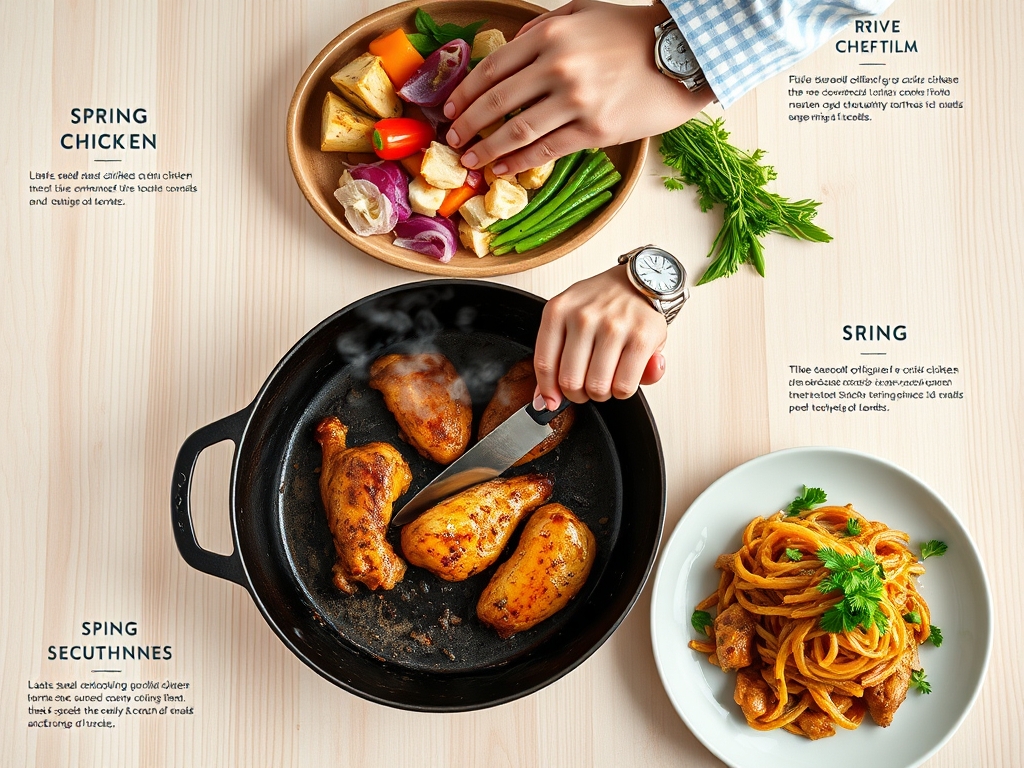
1. The Dry Brine and Prep
Pat the chicken completely dry with paper towels. Use a digital scale to measure out 1.5 percent of the meat's weight in kosher salt and season evenly.
Pro Tip: This process uses osmosis to draw moisture out, dissolve the salt, and then pull that seasoned brine back into the cells, seasoning the meat deeply while breaking down protein structures for a more tender bite.
2. The High-Heat Sear
Heat a heavy-bottomed skillet over medium-high heat until the oil shimmers. Place the chicken skin-side down and use heavy-duty tongs to press it firmly against the surface.
Pro Tip: This creates the Maillard reaction, a chemical dance between amino acids and reducing sugars that produces hundreds of different flavor compounds and that iconic golden-brown crust.
3. The Deglaze and Emulsify
Remove the chicken and pour off excess fat, leaving about a tablespoon. Add minced shallots and then splash in your white wine, using a wooden spoon to scrape up the brown bits (the fond).
Pro Tip: This is deglazing. The alcohol in the wine acts as a solvent, capturing flavor molecules that are not water-soluble and incorporating them into your sauce for a more complex profile.
4. The Herb Infusion and Finish
Reduce the heat and whisk in cold butter cubes one at a time, followed by your fresh herbs and a zest of lemon using a microplane.
Pro Tip: This technique, known as monter au beurre, creates a stable emulsion. The cold butter prevents the sauce from "breaking" or separating into a greasy mess, resulting in a viscous, velvety coating.
The Deep Dive
When we look at the macro nutrition of these spring chicken recipes, we are seeing a powerhouse of lean protein. A standard 6-ounce serving provides roughly 42 grams of protein with minimal saturated fat, especially if you utilize the skin-on roasting method which renders out much of the subcutaneous fat.
Dietary Swaps:
For those following a Keto protocol, skip the wine deglaze and use a splash of chicken bone broth with a teaspoon of apple cider vinegar. Vegan friends can replicate the "spring" profile by using oyster mushrooms or thick-cut cauliflower steaks, which mimic the chicken's ability to absorb aromatics. For a Gluten-Free version, ensure your thickeners are cornstarch or arrowroot based.
The Fix-It:
- Rubbery Skin: This happens when the pan isn't hot enough or the chicken was crowded. Fix it by finishing the bird under a high broiler for 60 seconds.
- Dry Breast Meat: You likely bypassed the resting phase. If it is already dry, slice it thin and toss it in a warm, buttery pan sauce to reintroduce moisture.
- Broken Sauce: If your lemon-butter sauce looks oily, whisk in a teaspoon of heavy cream or a splash of hot water very quickly to re-emulsify the fats.
Meal Prep:
To maintain "day-one" quality when reheating, avoid the microwave. The microwave agitates water molecules, which can turn the chicken "rubbery" through over-coagulation of proteins. Instead, use a low oven (300 degrees) with a splash of broth in the dish, covered tightly with foil to create a gentle steam environment.
The Wrap-Up
Mastering these spring chicken recipes is your ticket to becoming the most confident cook in the room. By understanding the relationship between high-heat searing and delicate herb infusions, you are elevating a simple ingredient into a seasonal masterpiece. Remember, cooking is as much about the science of heat transfer as it is about the soul of the ingredients. Now, go grab your apron and let those spring flavors sing!
The Kitchen Table
How do I know the chicken is perfectly cooked without a thermometer?
Press the thickest part of the meat with your finger. If it feels firm like the tip of your nose, it is done. However, for total safety and precision, a digital thermometer should always read 165 degrees Fahrenheit.
Can I use frozen chicken for these spring recipes?
You can, but the texture will be slightly different. Thaw it completely in the refrigerator and pat it extremely dry. Frozen chicken often releases more moisture, so you may need to sear it longer to achieve a proper crust.
What is the best way to store leftover spring chicken?
Store it in an airtight glass container for up to three days. Keep the sauce separate if possible to prevent the skin from becoming soggy. Reheat gently in a pan with a tablespoon of water to maintain the moisture.
Why does my lemon sauce sometimes taste bitter?
Bitterness usually comes from the white pith of the lemon or over-reducing the juice. Use a microplane to only take the yellow zest and add the juice at the very end of the cooking process to keep the flavors bright.