
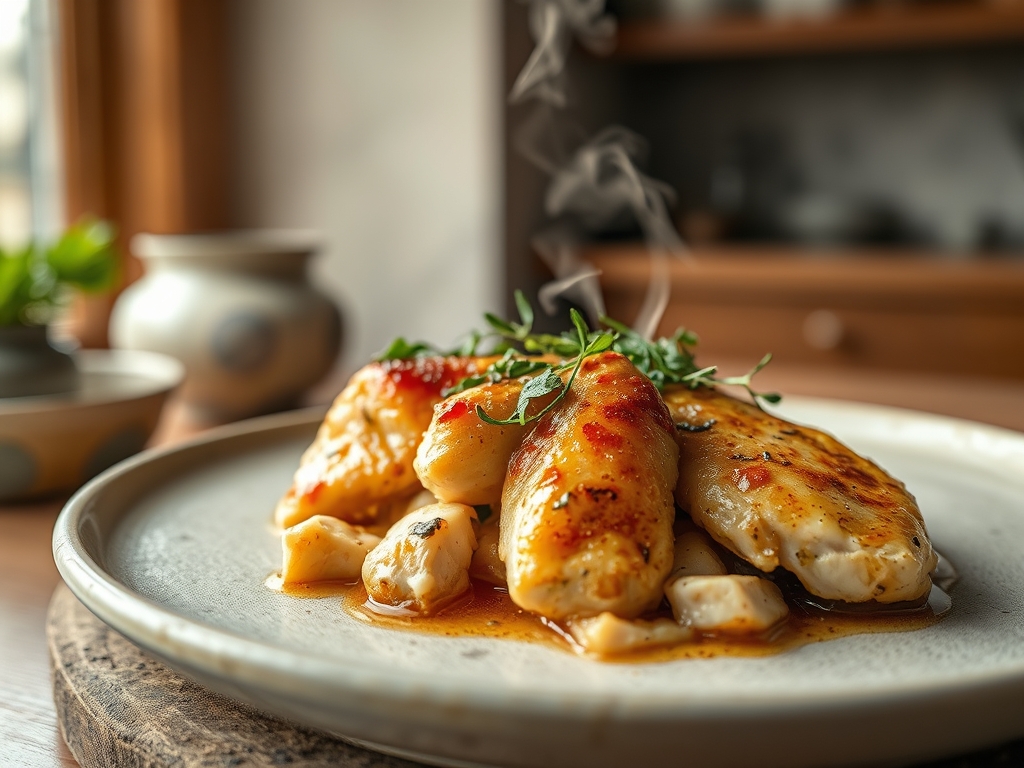
Picture this: the sizzle of a heavy-bottomed skillet meeting cold protein; the aromatic bloom of garlic hitting shimmering oil; and the promise of a meal that is both lean and luxurious. Finding the perfect white meat chicken recipes is not just about health; it is about mastering the delicate balance of moisture and heat.
White meat, specifically the pectoral muscles of the bird, is notoriously lean. Because it lacks the connective tissue and fat found in dark meat, it is prone to drying out if treated with anything less than scientific precision. However, when you understand the molecular structure of these fibers, you can transform a simple breast into a masterpiece of texture and flavor. We are moving beyond the rubbery, bland cafeteria staples of the past. Today, we are focusing on high-density nutrition paired with professional culinary techniques to ensure every bite is succulent, piquant, and perfectly seasoned. Whether you are searing, poaching, or roasting, these eight variations on white meat chicken recipes will redefine your weekly rotation.
The Gathers:
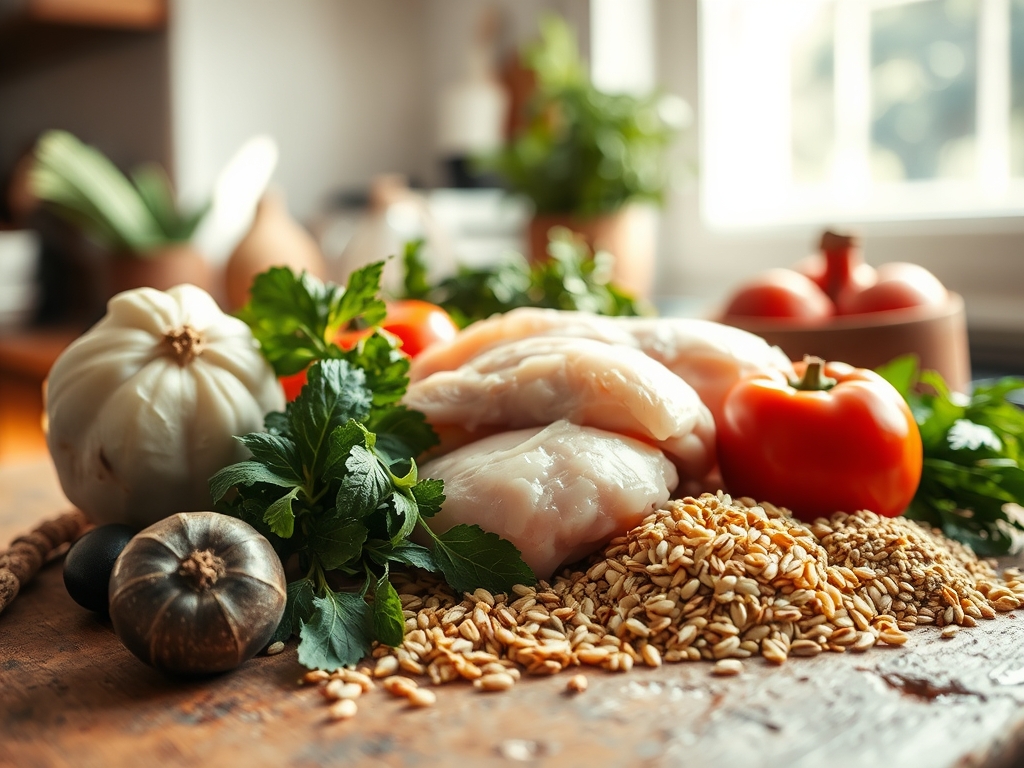
To execute these white meat chicken recipes with finesse, your mise-en-place must be impeccable. Start with high-quality chicken breasts or tenderloins. Look for meat that is firm to the touch and displays a pale pink hue; avoid any pieces with excessive liquid in the packaging, as this indicates cellular breakdown.
Your pantry should be stocked with high-smoke-point fats like avocado oil or clarified butter (ghee) to facilitate the Maillard reaction without scorching. You will need acidic brighteners such as Meyer lemons or aged balsamic vinegar to cut through the protein density. For aromatics, gather fresh thyme, rosemary, and shallots. Use a digital scale to ensure your portions are consistent, which guarantees even cooking across the batch.
Smart Substitutions:
If you are out of fresh citrus, a splash of dry white wine or verjus provides the necessary acidity to deglaze your pan. If you require a dairy-free creamy element, full-fat coconut milk or a cashew cream can mimic the viscous mouthfeel of heavy cream without the lactose. For those avoiding nightshades, swap paprika for ground sumac to achieve a similar tart, earthy profile.
The Clock
Efficiency in the kitchen is about "Chef's Flow." This is the rhythmic sequence of tasks that eliminates downtime. For these white meat chicken recipes, expect a total active time of 15 to 20 minutes, with a passive cooking window of 10 to 12 minutes depending on the thickness of the cut.
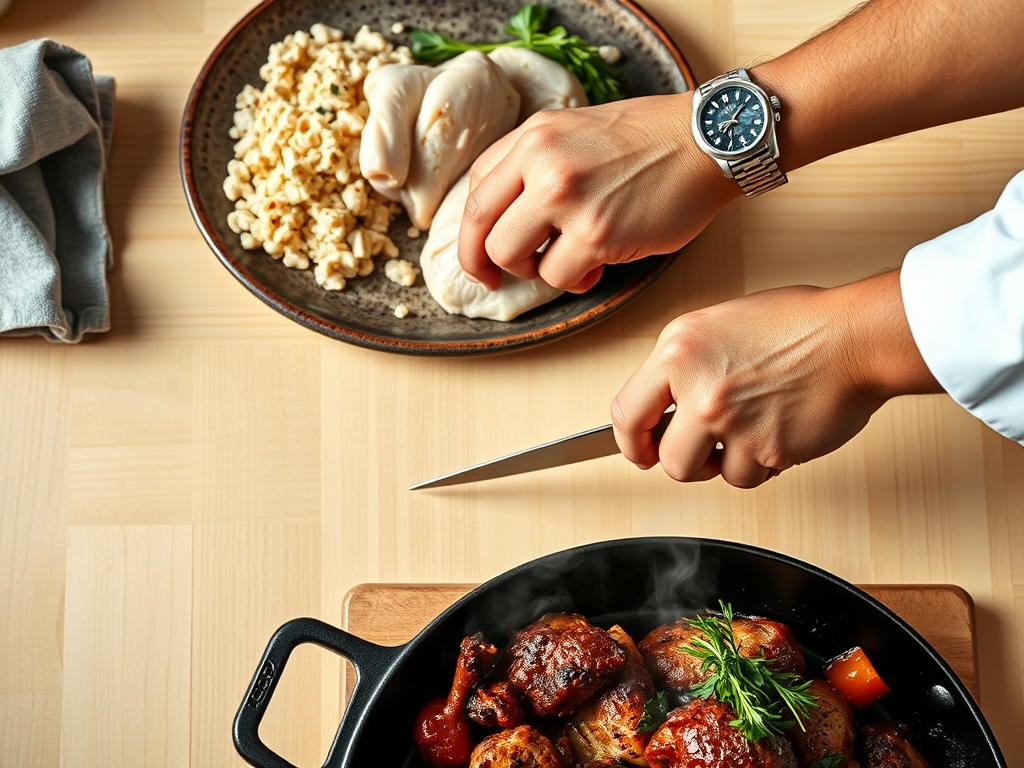
Start by tempering your meat; let it sit at room temperature for 15 minutes. Cold protein hitting a hot pan causes the muscle fibers to seize, resulting in a tough texture. Use this time to prep your aromatics with a sharp chef knife and a bench scraper to clear your board. By the time your pan is preheated, your ingredients are ready to be deployed in rapid succession.
The Masterclass
1. The Perfect Sear
Season your chicken liberally with kosher salt. Place the meat in a preheated stainless steel skillet with a thin layer of oil. Do not move it for at least four minutes.
Pro Tip: This patience allows for enzymatic browning, also known as the Maillard reaction. This chemical reaction between amino acids and reducing sugars creates the complex, savory crust that defines a professional dish.
2. Deglazing the Fond
Once the chicken is flipped and cooked through, remove it from the pan. Pour in a liquid like chicken stock or wine, using a wooden spoon to scrape up the brown bits (the fond) stuck to the bottom.
Pro Tip: Deglazing captures the concentrated flavor molecules left behind during searing. This process creates a pan sauce that reintroduces moisture to the lean white meat.
3. The Emulsified Butter Sauce
Whisk cold butter cubes into your simmering deglazing liquid one by one until the sauce becomes glossy and thick.
Pro Tip: This is the science of emulsification. By slowly incorporating fat into a water-based liquid, you create a stable, viscous coating that clings to the chicken rather than sliding off.
4. Resting for Redistribution
Transfer your chicken to a warm plate and tent it loosely with foil for five minutes before slicing.
Pro Tip: This allows for thermal carryover. The internal temperature will rise about five degrees, and the muscle fibers will relax, allowing the juices to redistribute rather than spilling out onto the cutting board.
The Deep Dive
Macro Nutrition:
White meat chicken is a nutritional powerhouse. A standard 6-ounce serving provides approximately 52 grams of high-quality protein with only 6 grams of fat. It is rich in niacin (Vitamin B3), which aids in energy metabolism, and selenium, a potent antioxidant.
Dietary Swaps:
- Keto: Replace flour-based thickeners with a pinch of xanthan gum or heavy cream reduction.
- Vegan: While these recipes focus on chicken, the sauce techniques work beautifully with oyster mushrooms or pressed extra-firm tofu.
- Gluten-Free: Use tamari instead of soy sauce and cornstarch or arrowroot powder for dredging.
The Fix-It:
- The Chicken is Dry: You likely overshot the internal temperature. Next time, pull the meat at 160 degrees Fahrenheit and let carryover cooking bring it to the safe 165 mark.
- The Sauce is Broken: If your sauce looks oily and separated, whisk in a teaspoon of warm water or a splash of cream to re-emulsify the fats.
- No Crust: Your pan was likely too crowded or not hot enough. Cook in batches to ensure the surface temperature of the skillet stays high.
Meal Prep Science:
To maintain "day-one" quality when reheating, avoid the microwave if possible. Instead, use a low-heat oven (275 degrees) with a splash of water or stock in the dish. This creates a small steam chamber that prevents the lean fibers from dehydrating during the second round of heating.
The Wrap-Up
Mastering white meat chicken recipes is a gateway to culinary confidence. Once you understand the physics of heat transfer and the chemistry of a pan sauce, you are no longer just following a recipe; you are engineering a meal. These techniques ensure that your protein is never an afterthought. Go forth, grab your favorite tongs, and turn that humble chicken breast into the star of the show. Your kitchen is your laboratory, and the results are going to be delicious.
The Kitchen Table
How do I prevent chicken from sticking to the pan?
Ensure your skillet is properly preheated before adding oil. Once the oil shimmers, add the chicken. The meat will naturally release from the surface once a proper crust has formed through the Maillard reaction.
What is the best way to tell if chicken is done?
Use a digital meat thermometer. Insert it into the thickest part of the breast. For the juiciest results, remove the chicken from the heat when it reaches 160 degrees Fahrenheit and let it rest.
Can I use frozen chicken for these recipes?
Yes, but you must thaw it completely in the refrigerator first. Pat the meat extremely dry with paper towels before cooking; excess moisture on the surface will cause the chicken to steam rather than sear.
Why should I slice chicken against the grain?
Slicing against the grain cuts through the long muscle fibers, making the meat much easier to chew. This simple mechanical change significantly improves the perceived tenderness of lean white meat chicken.