
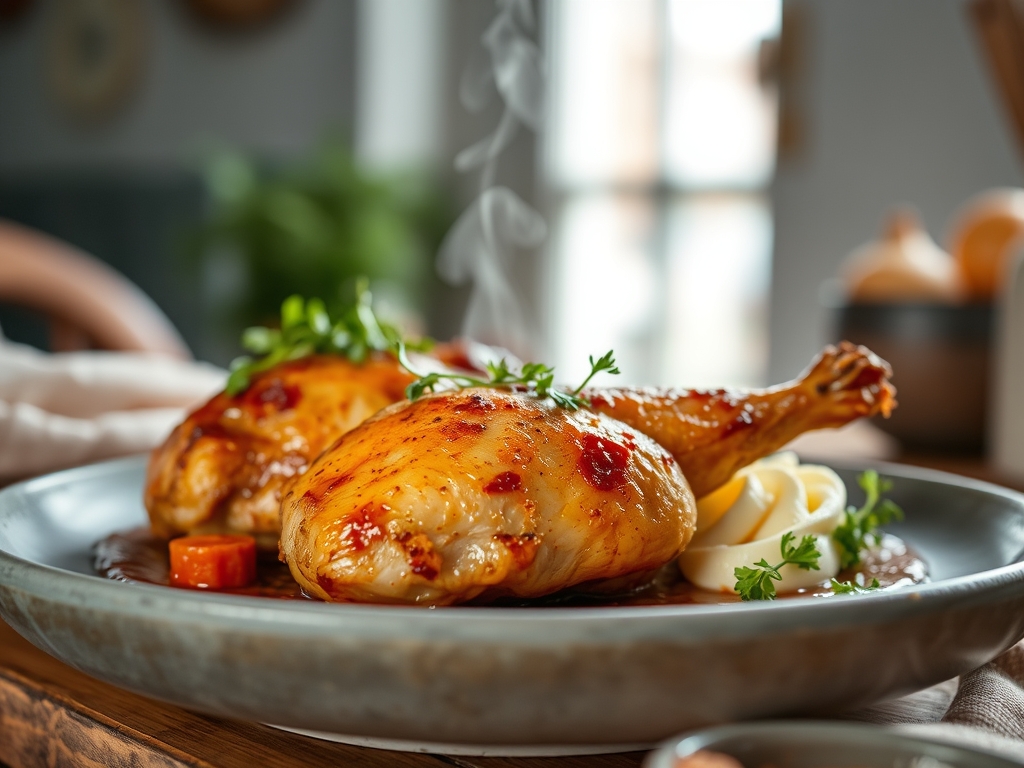
Imagine the sound of a heavy bottomed skillet hitting the stove. There is a specific frequency to that chime that signals the start of something transformative. You are standing there, tongs in hand, ready to turn a humble bird into a masterpiece. When it comes to finding the perfect chicken recipes dinner, the secret is not just in the seasoning; it is in the mastery of heat and moisture. We have all been there, staring at a pack of breasts or thighs, wondering how to make them sing without spending four hours at the counter. The goal is a golden crust that shatters under the fork, paired with an interior so succulent it defies the laws of physics. We are moving beyond the bland and the boiled. We are diving into the world of high heat sears, aromatic infusions, and the kind of pan sauces that make you want to lick the plate. Let us turn your kitchen into a laboratory of flavor where speed meets technical precision.
The Gathers:
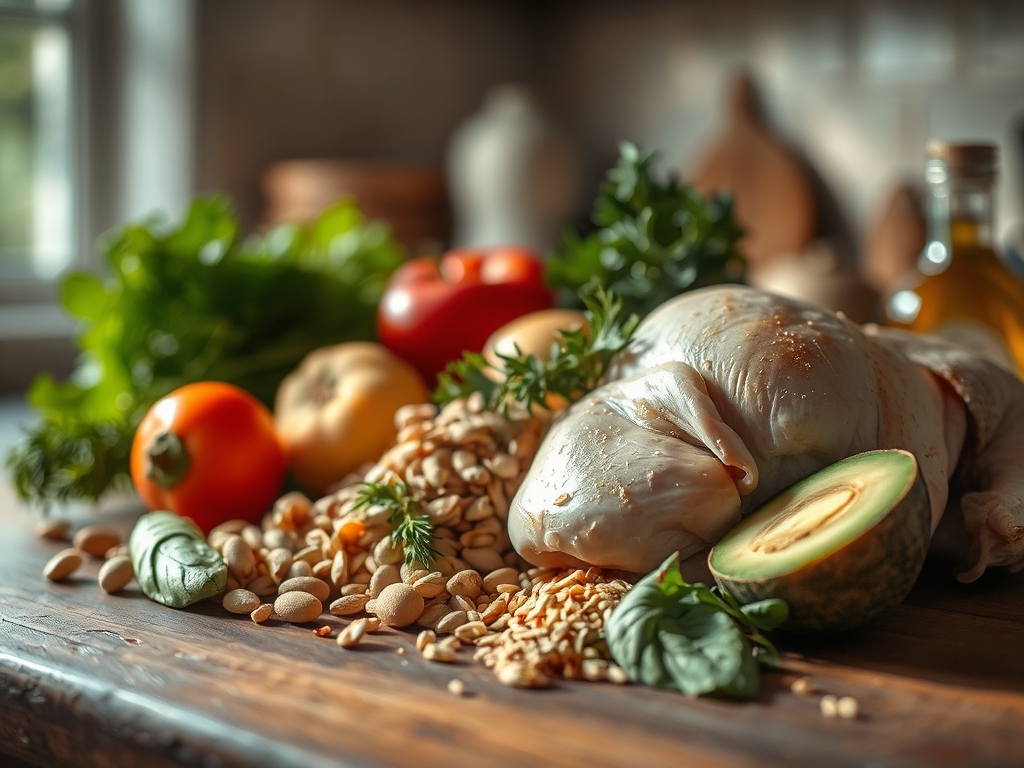
To execute these seven variations, your mise-en-place must be impeccable. We are looking for high protein density paired with viscous fats and piquant acids. Start with high quality poultry; organic, air chilled chicken is preferable because it lacks the excess water weight that prevents a proper sear. You will need a variety of aromatics: fresh garlic cloves, shallots for a delicate sweetness, and ginger for a sharp heat. Your pantry should boast a high smoke point oil, like avocado or grapeseed, to facilitate the Maillard reaction without scorching.
For the flavor profiles, gather bright lemons, coarse kosher salt, and peppercorns ready for the mill. If you are looking for smart substitutions, you can swap heavy cream for full fat coconut milk to maintain a velvety mouthfeel while remaining dairy free. If you lack a shallot, the white parts of green onions offer a similar sulfurous bite without the intensity of a red onion. Use a microplane to zest your citrus and grate your garlic; this increases the surface area, allowing the essential oils to infuse your cooking fat more efficiently.
The Clock:
Efficiency in the kitchen is about "Chef's Flow." This is the art of overlapping tasks so that no second is wasted. These chicken recipes dinner ideas are designed to move from fridge to table in thirty minutes or less. The first ten minutes are dedicated to prep: slicing aromatics and patting the protein dry with paper towels to remove surface moisture. Moisture is the enemy of the crust.
The next fifteen minutes involve active cooking. While the chicken renders its fat in the pan, you should be whisking your sauce components in a small saucier. The final five minutes are for resting. Never skip the rest. This allows the muscle fibers to relax and reabsorb the juices, ensuring that the moisture stays in the meat rather than running across your cutting board. By syncing your sides, like a quick steam of greens or a flash of couscous, you create a seamless transition from heat to plate.
The Masterclass:
1. The High Heat Sear
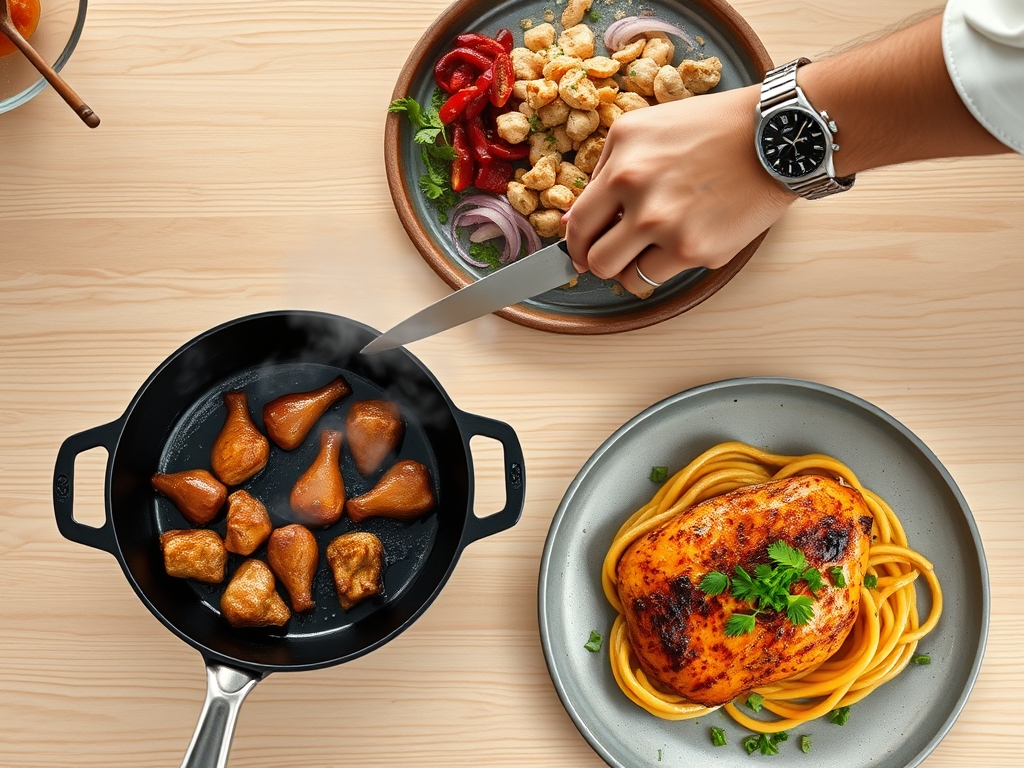
Place your chicken skin side down in a preheated cast iron pan. Do not move it. You are waiting for the proteins to denature and create a crust that naturally releases from the metal. Pro Tip: This is known as adhesion. If the meat sticks, the crust has not fully formed yet. Wait for the natural release to ensure a perfect gold finish.
2. The Deglaze and Emulsify
Once the chicken is removed, the pan will be covered in fond, those delicious brown bits. Pour in a splash of dry white wine or chicken stock. Use a bench scraper or wooden spoon to lift those bits. Pro Tip: Use cold butter to finish the sauce. The temperature difference helps the fat emulsify into the liquid, creating a glossy, professional sheen.
3. The Aromatic Infusion
Add your garlic, herbs, and spices to the fat during the last two minutes of searing. This prevents the delicate compounds from burning and becoming bitter. Pro Tip: This process is called blooming. Fat is a superior carrier for flavor; heating spices in oil unlocks fat soluble compounds that water based liquids cannot reach.
4. The Thermal Finish
Use a digital scale or meat thermometer to check the internal temperature. You are aiming for 165 degrees Fahrenheit, but you should pull the chicken at 160 degrees. Pro Tip: This accounts for thermal carryover. The internal temperature will continue to rise as the chicken rests, preventing the fibers from becoming stringy and dry.
5. The Acid Balance
Just before serving, hit the dish with a squeeze of fresh lemon or a teaspoon of vinegar. This cuts through the richness of the rendered fat. Pro Tip: Acid acts as a flavor enhancer by stimulating salivary glands, which makes the other savory notes in the chicken recipes dinner feel more vibrant on the palate.
6. The Aerate and Rest
Place the chicken on a wire rack rather than a flat plate. This allows air to circulate around the entire piece of meat. Pro Tip: Resting on a flat surface creates steam underneath the chicken, which will soften the crispy skin you worked so hard to achieve. Aerate for five minutes for maximum crunch.
7. The Texture Garnish
Finish with a sprinkle of flaky sea salt and fresh herbs. The contrast between the soft meat and the crunch of the salt creates a complex sensory experience. Pro Tip: This is the "finishing touch" that triggers the crunch response in the brain, signaling freshness and high quality preparation.
The Deep Dive:
From a macro perspective, chicken is a lean protein powerhouse, typically offering 31 grams of protein per 100 grams. To keep it Keto, focus on thighs and skin-on preparations to increase healthy fats. For a Vegan swap, use extra firm tofu pressed with a heavy weight to mimic the density of chicken, or opt for oyster mushrooms which provide a similar fibrous "pull." If you are Gluten Free, ensure your thickeners are arrowroot powder or cornstarch rather than flour.
"The Fix-It" guide for common pitfalls: If your chicken is rubbery, you likely overcooked it; next time, use a thermometer. If the skin is soggy, you didn't dry the bird enough or the pan wasn't hot enough. If the sauce is broken, whisk in a tablespoon of warm water to re-emulsify the fats. For meal prep, the science of reheating is vital. Use a low heat oven or a covered pan with a splash of water to create a steam chamber. This prevents the "warmed over flavor" caused by lipid oxidation, keeping your chicken recipes dinner tasting fresh on day two.
The Wrap-Up:
You now have the technical blueprint to dominate the kitchen. Cooking is not just a chore; it is an application of heat, timing, and chemistry that results in pure joy. These seven ideas are your foundation. Whether you are deglazing with a piquant vinegar or resting your bird to perfection, you are operating at a professional level. Now, grab those tongs and get to work. Your family is going to think you went to culinary school over the weekend!
The Kitchen Table:
How do I get the skin extra crispy?
Pat the chicken extremely dry with paper towels. Use a heavy bottomed skillet with high heat and avoid overcrowding the pan. Overcrowding creates steam, which results in rubbery skin. A cast iron press can also ensure even contact with the heat.
Can I use frozen chicken for these recipes?
Yes, but you must thaw it completely in the refrigerator first. Cooking from frozen prevents the Maillard reaction and leads to uneven internal temperatures. Always pat dry after thawing to remove excess moisture before hitting the hot oil.
What is the best way to store leftovers?
Store in an airtight container within two hours of cooking. To maintain texture, keep sauces separate from the meat. This prevents the chicken from becoming mushy and allows you to control the moisture levels during the reheating process.
Why does my chicken breast always turn out dry?
Breasts lack the fat content of thighs, making them prone to drying. Use a meat thermometer to pull them at 160 degrees Fahrenheit. The thermal carryover will bring them to the safe 165 degree mark while keeping the juices intact.