
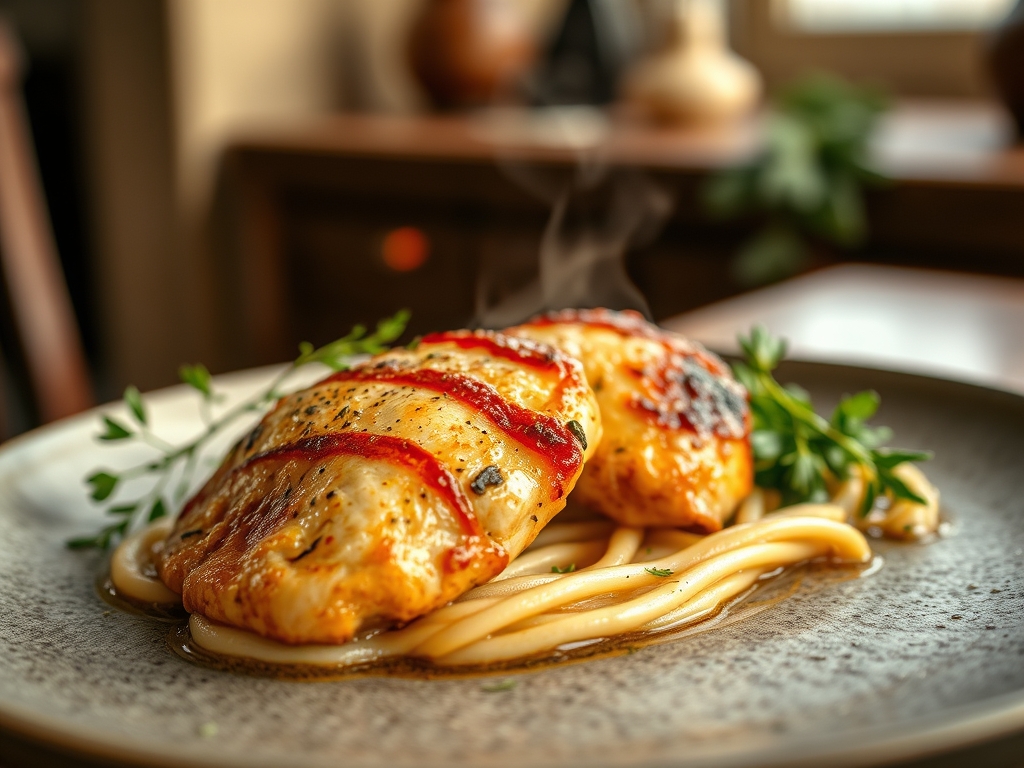
Imagine the scent of golden fat rendering in a heavy-bottomed skillet while the sharp, piquant aroma of caraway seeds hits the heat. This is the soul of German comfort; it is a world where poultry is treated with the same reverence as a fine cut of beef. If you think you know german chicken recipes, prepare to have your palate recalibrated beyond the standard schnitzel. We are diving into a culinary tradition that balances heavy cream with acidic vinegars and crispy skins with velvet-soft sauces.
German cuisine is a masterclass in texture. It is about the contrast between a shatteringly crisp exterior and a succulent, moisture-retaining interior. Whether we are talking about the northern coastal influences or the hearty, mountain-dwelling flavors of Bavaria, these dishes rely on high-quality ingredients and precise thermal control. We are going to explore eight quintessential classics, from the creamy depths of Geschnetzeltes to the rustic charm of Hunter-style Jagerschnitzel. Grab your apron and your favorite saucier; we are about to turn your kitchen into a high-end gasthaus where the science of flavor takes center stage.
The Gathers:
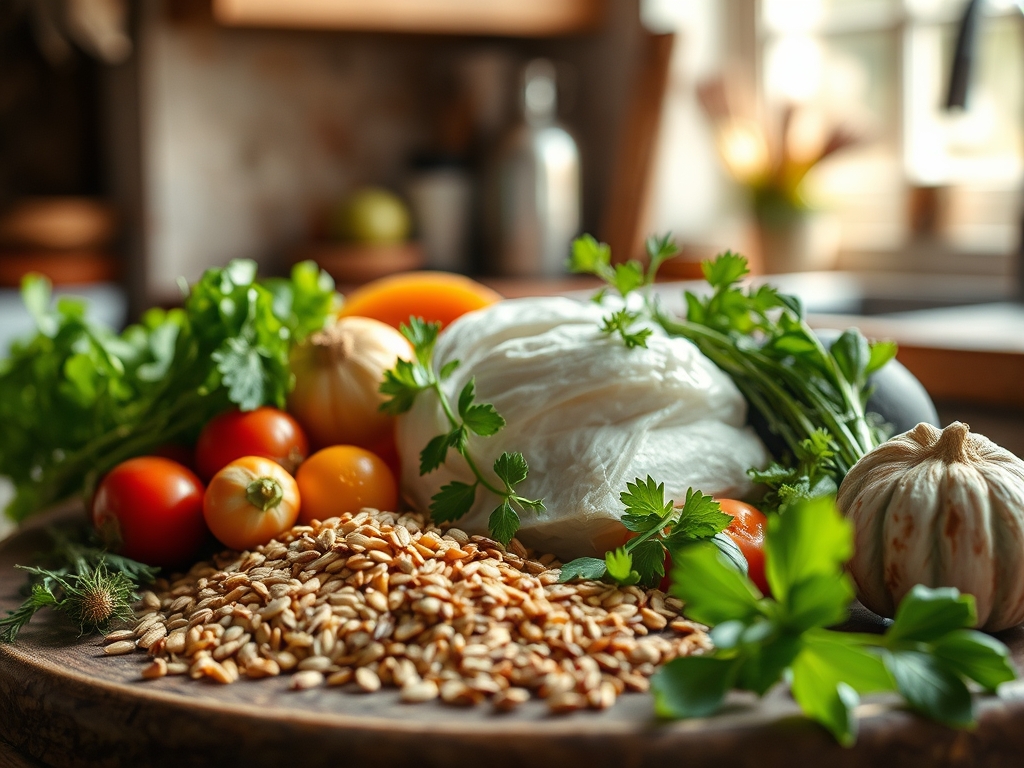
To execute these german chicken recipes with professional precision, your mise-en-place must be impeccable. You will need a digital scale to ensure your flour-to-butter ratios for roux-based sauces are exact. Start with organic, air-chilled chicken; this prevents excess water from leaching into your pan and ruining your Maillard reaction. You will need heavy cream with at least 36 percent milk fat to ensure your sauces remain stable and do not break when introduced to acidic components like dry Riesling or lemon juice.
Fresh aromatics are non-negotiable. Gather flat-leaf parsley, chives, and thyme. Use a microplane to zest lemons and grate fresh nutmeg; the volatile oils in freshly grated nutmeg provide a depth that pre-ground powder simply cannot match. For the vegetables, focus on high-sugar root crops like carrots and parsnips, which caramelize beautifully.
Smart Substitutions:
If you are avoiding dairy, a high-fat coconut cream can mimic the viscosity of heavy cream, though it lacks the lactic tang. For a gluten-free approach, replace wheat flour with a blend of superfine rice flour and cornstarch. This mixture actually creates a crispier crust on schnitzel due to its lower protein content and inability to develop gluten networks.
The Clock
Efficiency in the kitchen is about understanding the "Chef's Flow." For most of these dishes, prep time averages 25 minutes, while active cooking spans 35 to 45 minutes. The secret to mastering the timeline is parallel processing. While your chicken is brining or resting, you should be reducing your stocks or preparing your cold sides like Gurkensalat.
Always allow your chicken to reach room temperature for at least 20 minutes before it hits the pan. This reduces the thermal shock to the meat fibers, ensuring a more even cook and preventing the exterior from overcooking before the center reaches safety. If you are roasting a whole bird, factor in a 15-minute rest period. This allows the muscle fibers to relax and reabsorb the juices, ensuring every bite is moist rather than dry.
The Masterclass
1. The Art of the Thin Cut
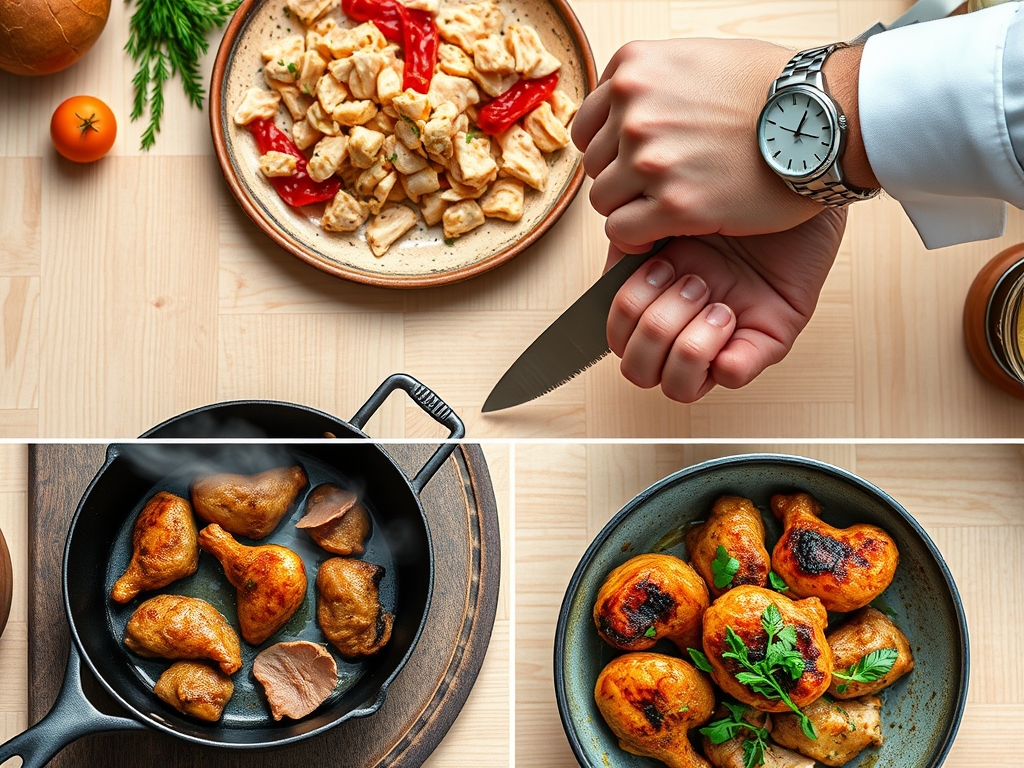
Place your chicken breast between two sheets of plastic wrap. Use a meat mallet to pound the meat to a uniform thickness of about half an inch. This ensures that every square centimeter of the chicken cooks at the exact same rate, preventing the edges from drying out.
Pro Tip: This physical tenderization breaks down tough connective tissues and increases the surface area for the Maillard reaction, which is the chemical reaction between amino acids and reducing sugars that gives browned food its distinctive flavor.
2. The Standard Breading Procedure
Set up three shallow bowls: seasoned flour, beaten eggs with a splash of oil, and fine breadcrumbs. Dredge the chicken in flour, dip in egg, and coat in crumbs. Do not press the crumbs in too hard; you want a light, airy coating.
Pro Tip: Adding a teaspoon of oil to the egg wash helps the breading adhere better to the meat. The oil acts as a bridge between the fats in the chicken and the moisture in the egg, preventing the breading from sliding off in the pan.
3. Achieving the Perfect Sear
Heat a heavy-bottomed skillet over medium-high heat with a mixture of oil and clarified butter. Once the oil shimmers, lay the chicken away from you to avoid splashes. Do not crowd the pan, as this will drop the temperature and cause the meat to steam rather than sear.
Pro Tip: Use tongs to gently shake the pan. This "floating" technique ensures the hot fat moves over the top of the breading, creating steam pockets that lift the crust away from the meat for a souffled effect.
4. Deglazing for Depth
Once the chicken is removed, you will see brown bits stuck to the bottom of the pan. This is "fond." Pour in a splash of dry white wine or chicken stock and use a wooden spoon to scrape those bits into the liquid.
Pro Tip: Deglazing is a solvent-based extraction. The alcohol in the wine dissolves flavor compounds that are not water-soluble, creating a sauce with a much more complex profile than water alone could achieve.
5. Emulsifying the Sauce
Lower the heat and whisk in cold butter or heavy cream. Whisk vigorously until the sauce becomes glossy and viscous. This is the stage where you add your fresh herbs and a squeeze of lemon to brighten the fats.
Pro Tip: This is a fat-in-water emulsion. Keeping the heat low prevents the milk solids from curdling and ensures the butter incorporates smoothly rather than melting into a greasy layer.
The Deep Dive
Macro Nutrition:
A standard serving of German chicken provides roughly 35 grams of protein. While traditional recipes are calorie-dense due to the cream and butter, they are also incredibly satiating. To balance the macros, pair these dishes with fermented sides like sauerkraut, which introduces probiotics to aid in the digestion of heavy fats.
Dietary Swaps:
For a Keto-friendly version, swap breadcrumbs for crushed pork rinds or almond flour. For a vegan "chicken" alternative, use oyster mushrooms; their fibrous texture mimics poultry remarkably well when dredged and fried. To make any of these recipes gluten-free, use chickpea flour for the initial dredge to add a nutty, savory undertone.
The Fix-It:
- Soggy Breading: This happens if the oil isn't hot enough. Use an infrared thermometer to ensure your oil is between 350 and 375 degrees Fahrenheit.
- Broken Sauce: If your cream sauce separates, whisk in a tablespoon of warm water or an extra splash of cream very quickly to re-emulsify the fats.
- Tough Meat: This is usually due to overcooking. Use a digital probe thermometer and pull the chicken at 160 degrees Fahrenheit; thermal carryover will bring it to the safe 165 mark while it rests.
Meal Prep:
When reheating, avoid the microwave as it turns breading into rubber. Instead, use an air fryer at 350 degrees for four minutes. This re-activates the fats in the crust, restoring the crunch while gently warming the interior without further denaturing the proteins.
The Wrap-Up
Mastering german chicken recipes is about more than just following a list of ingredients; it is about understanding the harmony of heat, fat, and acid. By focusing on the science of the sear and the precision of the sauce, you elevate simple poultry into a celebratory feast. These dishes are designed to be shared, so pour a glass of cold Riesling, gather your favorite people, and enjoy the crunchy, creamy, savory rewards of your kitchen labor.
The Kitchen Table
What is the best chicken cut for German recipes?
Chicken breasts are traditional for schnitzel because they can be pounded thin. However, chicken thighs are superior for stews like Fricassee because their higher fat content and connective tissue provide a more succulent, silky mouthfeel after simmering.
Why is my schnitzel breading falling off?
Breading usually falls off because the meat was too wet before dredging or the pan was crowded. Pat the chicken completely dry with paper towels and ensure the pieces do not touch in the skillet during the frying process.
Can I make these recipes ahead of time?
You can prep the sauces and pound the meat a day in advance. However, for the best texture, always fry or sear the chicken immediately before serving to ensure the crust stays crisp and the meat remains juicy.
What wine pairs best with German chicken?
A dry Riesling or a crisp Pinot Blanc is ideal. The high acidity in these wines cuts through the richness of the cream and butter, cleansing the palate between bites and highlighting the delicate herbs in the sauce.