
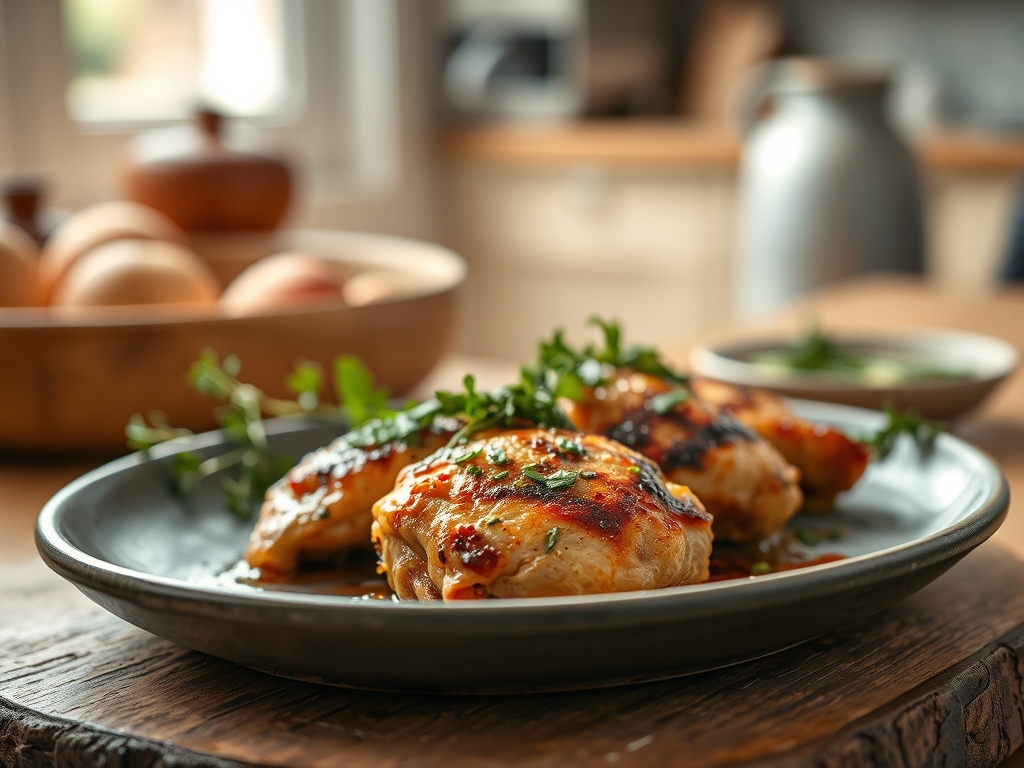
The air in a busy kitchen carries a specific, metallic scent when a heavy-bottomed skillet hits the perfect temperature. It is the smell of potential. When you are hunting for low carb chicken recipes for dinner, you are not just looking for fuel; you are looking for that elusive intersection of high-protein efficiency and genuine, lip-smacking luxury. Forget the dry, sad breasts of diets past. We are leaning into the chemistry of fat and the architecture of flavor to transform the humble bird into a masterpiece. By understanding how proteins uncoil and how moisture behaves under heat, we can create meals that feel like an indulgence while keeping your metabolic markers exactly where they belong. We are going to explore eight distinct ways to manipulate the Maillard reaction to ensure your evening meal is the highlight of your day.
The Gathers:
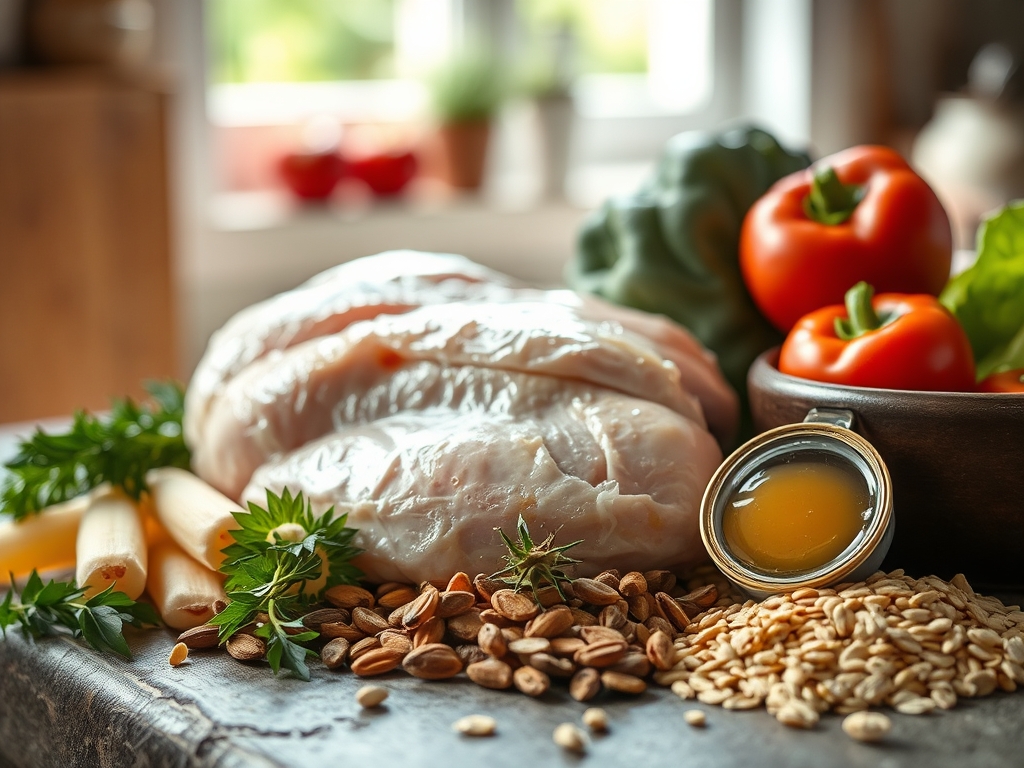
To master these low carb chicken recipes for dinner, your mise-en-place must be precise. Start with your protein: organic thighs or breasts, patted bone-dry to prevent steam from ruining your crust. You will need a high-quality fat with a high smoke point, such as avocado oil or clarified butter, to facilitate heat transfer without scorching. For aromatics, gather fresh garlic, shallots, and ginger. These contain volatile compounds that infuse the oil, creating a flavor base that permeates the meat.
Smart Substitutions are the secret to maintaining a low-glycemic profile. Instead of cornstarch for thickening, we use xanthan gum or a reduction of heavy cream to achieve a viscous consistency. Replace breadcrumbs with crushed pork rinds or superfine almond flour to provide that essential crunch without the insulin spike. Keep a microplane nearby for zesting citrus and grating hard cheeses; these add a piquant punch that cuts through the richness of the fats. Finally, ensure you have a coarse sea salt and a pepper mill. Proper seasoning is not just about taste; salt alters the protein structure of the chicken, allowing it to retain more moisture during the cooking process.
The Clock:
In a professional kitchen, we talk about the Chef's Flow. This is the rhythmic sequence of tasks that ensures nothing sits getting cold or soggy. For these recipes, expect a total commitment of 35 to 45 minutes. Preparation usually takes 15 minutes of active knife work. You will spend about 20 to 25 minutes at the stove.
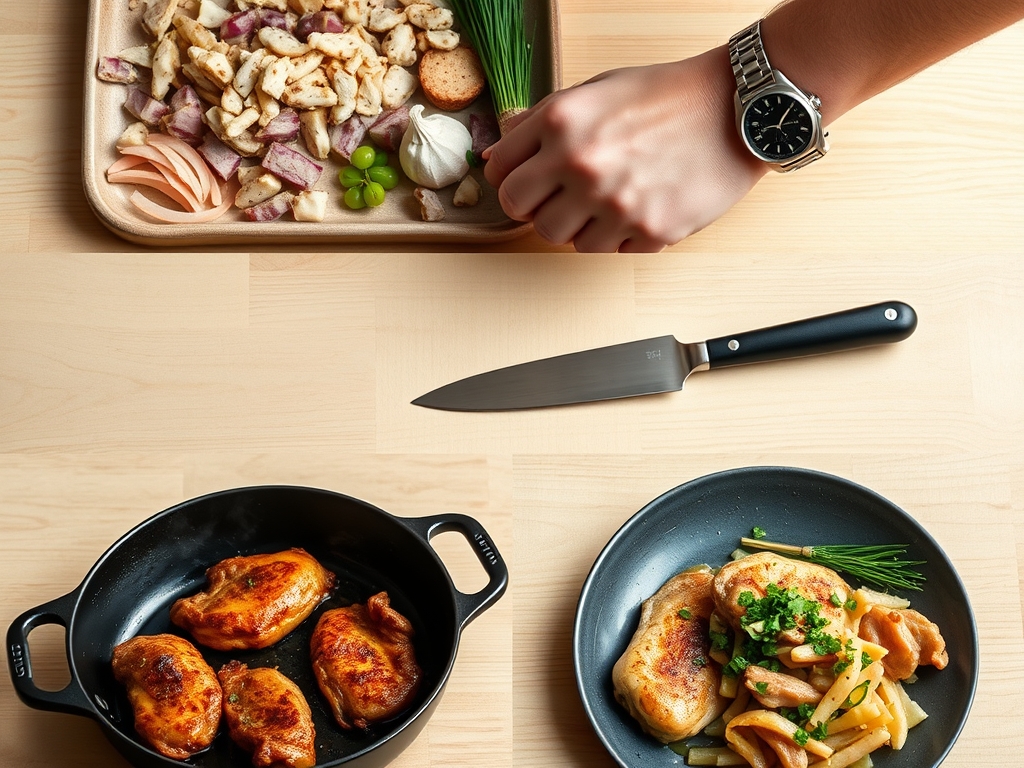
The flow begins with the "Cold Start" tasks: measuring spices on a digital scale and chopping vegetables with a sharp chef's knife. Next is the "Active Heat" phase, where the chicken meets the pan. The final stage is the "Rest and Emulsify" period. While the chicken rests to allow juices to redistribute, you will use a saucier to build your pan sauce. This timing ensures that by the time the sauce is glossy and thick, the chicken is at its peak internal temperature and ready to be sliced.
The Masterclass:
1. The Sear and Deglaze
Place your chicken skin-side down in a preheated cast iron skillet. Do not move it. You are waiting for the Maillard reaction, a chemical dance between amino acids and reducing sugars that creates a brown, savory crust. Once the meat releases naturally from the pan, flip it using tongs.
Pro Tip: This is about thermal conductivity. If the chicken sticks, the bond hasn't broken because the surface moisture hasn't fully evaporated. Wait for the "release" to ensure a perfect crust.
2. The Aromatic Infusion
Lower the heat slightly and add your fats and aromatics. Use a spoon to baste the chicken with the bubbling butter or oil. This technique, known as arroser, cooks the top of the meat gently while adding deep layers of flavor.
Pro Tip: Butter contains milk solids that brown at high temperatures. By adding it later in the process, you achieve a nutty aroma without the bitterness of burnt fats.
3. The Pan Sauce Reduction
Remove the chicken and set it aside. Pour in a splash of dry white wine or chicken bone broth to deglaze the pan. Use a bench scraper or wooden spoon to lift the "fond"—those caramelized brown bits stuck to the bottom.
Pro Tip: Fond is concentrated flavor. The liquid acts as a solvent, dissolving the proteins and sugars so they can be integrated into a cohesive, velvety sauce.
4. The Emulsification Finish
Whisk in a tablespoon of cold butter or a dollop of Dijon mustard. Stir vigorously to aerate the sauce and create a stable emulsion. The sauce should coat the back of a spoon perfectly.
Pro Tip: This is physics in action. Cold butter added to a hot liquid creates a suspension of fat droplets that thickens the sauce without the need for flour or starch.
The Deep Dive:
When we look at the macro nutrition of these low carb chicken recipes for dinner, we are aiming for a profile of roughly 70 percent protein and 30 percent healthy fats, with negligible impact from carbohydrates. This ratio supports muscle maintenance while keeping the body in a fat-burning state.
For those with dietary restrictions, these recipes are incredibly flexible. To make them vegan, swap the chicken for extra-firm pressed tofu or tempeh, and use coconut aminos instead of traditional savory sauces. For a strict Keto approach, increase the fat content by adding a side of avocado or a heavy cream-based spinach sauté.
Even the best cooks hit snags. If your chicken is "rubbery," you likely overcooked it, causing the protein fibers to tighten and squeeze out all moisture. Use a digital thermometer to pull the meat at 160 degrees Fahrenheit; thermal carryover will bring it to the safe 165 mark while it rests. If your sauce "breaks" and looks oily, whisk in a teaspoon of warm water to re-establish the emulsion. If the skin isn't crispy, your pan wasn't hot enough or the chicken was too wet.
For meal prep, reheating is a science. Avoid the microwave, which vibrates water molecules and makes chicken "rubbery." Instead, reheat gently in a covered skillet with a tablespoon of water or broth. This creates a steam chamber that restores moisture to the cellular structure of the meat, making it taste like day one.
The Wrap-Up:
Mastering low carb chicken recipes for dinner is about more than just cutting out sugar; it is about embracing the technical beauty of classic French and modern culinary techniques. By focusing on the sear, the deglaze, and the emulsion, you turn a simple protein into a gourmet experience. You now have the tools—literally and figuratively—to dominate your kitchen and your health goals. Grab your skillet, trust the science, and let the flavors speak for themselves.
The Kitchen Table:
How do I keep chicken breast from getting dry?
Always use a meat thermometer and pull the chicken at 160 degrees. Let it rest for five minutes. This allows the internal juices to redistribute into the fibers rather than spilling out on the cutting board.
Can I use frozen chicken for these recipes?
Yes, but you must thaw it completely and pat it dry with paper towels. Excess moisture from ice crystals prevents the Maillard reaction, resulting in gray, steamed meat instead of a golden, savory crust.
What is the best oil for searing chicken?
Use oils with a high smoke point like avocado oil or ghee. These fats can withstand the high temperatures required for a proper sear without breaking down into bitter, smoky compounds that ruin the flavor.
How do I thicken a sauce without flour?
Reduce your liquids by half to concentrate the natural proteins. Then, whisk in cold butter or a small amount of heavy cream. The fat molecules will create a thick, luscious texture through a process called emulsification.