

Picture this: a heavy-bottomed cast iron skillet shimmering with heat, the rhythmic chop of a chef's knife against a wooden board, and that unmistakable sizzle as protein hits a hot surface. When you are navigating the Autoimmune Protocol, the kitchen can sometimes feel like a minefield of restrictions. However, mastering aip ground beef recipes is your secret weapon for reclaiming flavor without the inflammatory fallout. We are talking about deep, savory profiles that rely on the Maillard reaction rather than nightshades or seed oils. By understanding the molecular structure of grass-fed beef, you can transform a humble pound of meat into a culinary masterpiece that heals your gut while satisfying your soul. We are moving beyond bland steamed vegetables and entering a world where fat is a flavor carrier and herbs are the stars of the show. Grab your favorite apron and a glass of sparkling mineral water; we are about to turn your kitchen into a high-end bistro where every bite is a step toward wellness.
The Gathers:
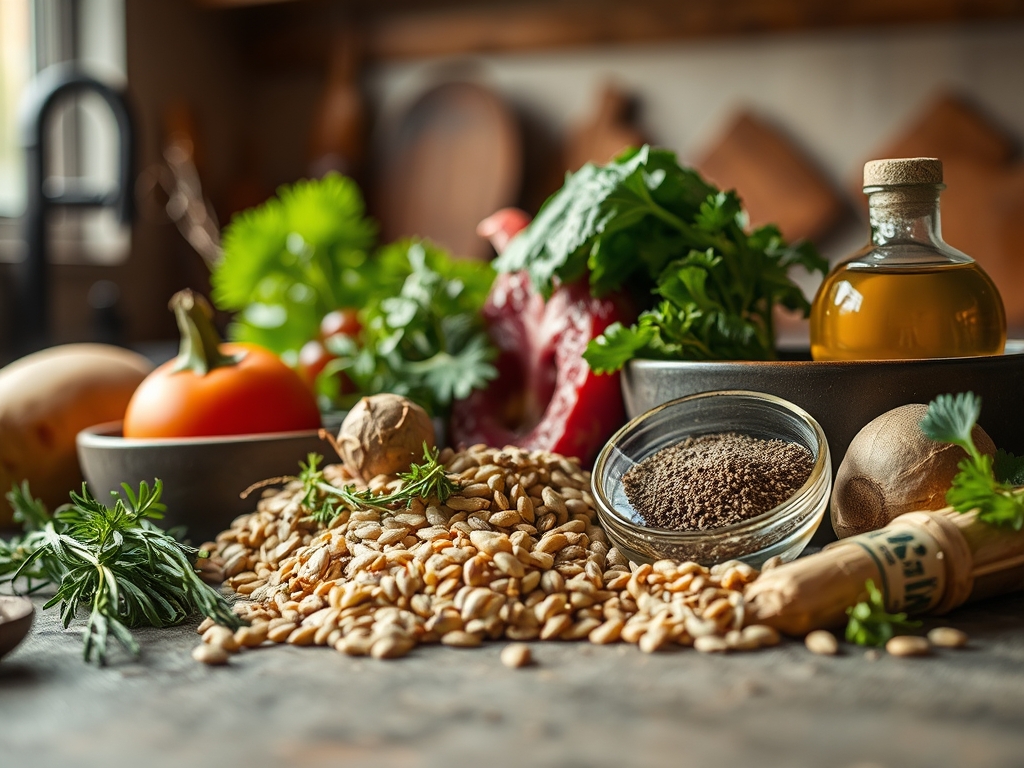
To execute these aip ground beef recipes with precision, your mise-en-place must be impeccable. Start with high-quality, grass-fed ground beef; ideally a 15 to 20 percent fat ratio to ensure the meat remains succulent during the rendering process. You will need a variety of aromatics: think pungent garlic, crisp shallots, and fresh ginger for a piquant kick. Since we are avoiding nightshades like paprika or cayenne, our flavor depth comes from "Smart Substitutions." Use a microplane to zest organic lemons for brightness or grate fresh horseradish for a heat that mimics black pepper without the lectins.
Your toolkit is just as vital as your ingredients. Ensure you have a heavy-bottomed skillet for even heat distribution, a stainless steel bench scraper for clearing your board, and a digital scale to ensure consistent portioning. For liquids, keep a jar of gelatinous bone broth and coconut aminos nearby; these will help you deglaze the pan and create a viscous sauce that clings to every morsel. We also use "nomato" sauce, a clever blend of roasted beets, carrots, and onions that provides the acidity and umami usually found in tomatoes.
The Clock: Chef's Flow
Efficiency in the kitchen is all about "Chef's Flow," the art of overlapping tasks to minimize downtime. For these eight variations, prep time generally clocks in at 15 minutes, while active cooking spans 10 to 20 minutes depending on the desired texture. Start by prepping all your cold ingredients first. While the skillet preheats, you should be dicing your mirepoix.
The goal is to reach the "smoke point" of your cooking fat (like tallow or avocado oil) just as your aromatics are ready. By the time the beef is browning, you can use those few minutes to whisk together your sauces or clean your workspace. This synchronized approach ensures that by the time the timer dings, your kitchen is tidy and your meal is at the peak of its thermal cycle.
The Masterclass:
1. The High-Heat Sear
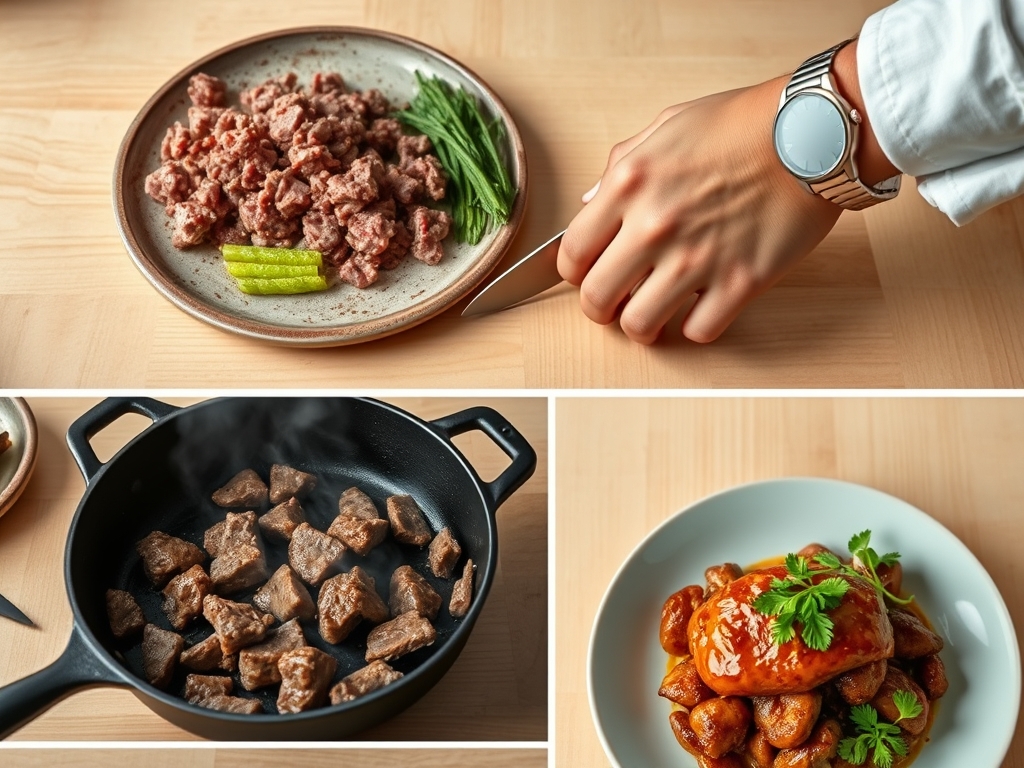
Place your skillet over medium-high heat until it is nearly glowing. Add your fat and then the beef, pressing it down with a firm spatula to maximize surface contact. Do not move it for at least three minutes.
Pro Tip: This facilitates enzymatic browning, also known as the Maillard reaction, where amino acids and sugars rearrange to create hundreds of different flavor compounds.
2. The Deglaze and Scrape
Once the meat is browned, remove it and pour a splash of bone broth or apple cider vinegar into the hot pan. Use a flat-edged wooden spoon to scrape up the "fond," those brown bits stuck to the bottom.
Pro Tip: These bits are concentrated umami; deglazing creates a hydrophilic suspension that incorporates those flavors back into your sauce.
3. The Aromatic Infusion
Lower the heat and add your ginger, garlic, and scallions. Sauté just until fragrant, which usually takes about 60 seconds. You want to soften the cellulose without burning the delicate volatile oils.
Pro Tip: Fats are excellent solvents; sautéing aromatics in the rendered beef fat allows the fat to infuse with the herbs' essential oils, distributing flavor evenly.
4. The Emulsified Finish
Reintroduce the beef to the pan along with your "nomato" sauce or coconut aminos. Stir vigorously while the liquid simmers to create a cohesive coating.
Pro Tip: Constant motion encourages emulsification, where the fats from the meat and the water-based liquids bind together, resulting in a luxurious, glossy mouthfeel.
The Deep Dive:
From a macro perspective, these aip ground beef recipes are powerhouses of nutrition. A standard serving provides roughly 25 grams of high-bioavailability protein, alongside essential minerals like zinc, selenium, and B12. Because we use grass-fed sources, the Omega-3 to Omega-6 ratio is optimized for anti-inflammatory benefits.
If you are looking for "Dietary Swaps," these recipes are naturally Gluten-Free and Keto-friendly. For a vegan-adjacent twist (though not strictly AIP), one could swap beef for finely minced mushrooms to mimic the texture, though the nutrient profile would shift significantly.
The Fix-It: Common Pitfalls
- Problem: The meat is gray and "steamy" rather than brown. Fix: You overcrowded the pan. Cook in batches to allow moisture to evaporate quickly.
- Problem: The sauce is too thin. Fix: Whisk in a teaspoon of arrowroot starch dissolved in cold water to create a slurry; this will thicken the liquid instantly.
- Problem: The flavor feels "flat." Fix: You need acid. A squeeze of lime or a teaspoon of apple cider vinegar at the very end will brighten the entire dish.
For meal prep, remember the science of retrogradation. When starches (like accompanying sweet potatoes) cool, they become resistant starches. When reheating, use a saucier with a splash of water and a lid to create a steam-chamber effect; this prevents the proteins from becoming rubbery and preserves "day-one" quality.
The Wrap-Up:
Mastering the art of aip ground beef recipes is about more than just following a list of ingredients; it is about understanding how heat, fat, and acid interact to create something spectacular. You now have the technical prowess to turn a simple pound of beef into a nutrient-dense feast that rivals any restaurant dish. Whether you are whipping up a quick weeknight stir-fry or a slow-simmered "nomato" bolognese, remember that your health is the ultimate reward for your culinary efforts. Go forth, experiment with those "Smart Substitutions," and keep that skillet hot!
The Kitchen Table:
How do I store leftovers for the best texture?
Store beef in an airtight glass container to prevent oxidation. Leave a small amount of sauce in the container to keep the protein hydrated. Reheat gently on the stovetop rather than using a microwave to avoid toughening the meat fibers.
Can I use frozen ground beef for these recipes?
Yes, but ensure it is fully thawed in the refrigerator first. Pat the meat dry with paper towels before cooking to remove excess moisture; otherwise, the meat will steam in the pan rather than achieving a proper brown sear.
What is the best fat for AIP browning?
Filtered beef tallow or leaf lard are ideal because they have high smoke points and stable saturated fat structures. Avocado oil is a great plant-based alternative that can withstand the high temperatures required for the Maillard reaction.
Why does my grass-fed beef taste different?
Grass-fed beef has a more complex, "earthy" flavor profile due to the diverse phytonutrients in the animal's diet. It is leaner than grain-fed beef, so it requires slightly lower cooking temperatures or shorter cook times to maintain its tenderness.