

The scent of toasted sesame oil hitting a hot wok is better than any expensive candle. It is the olfactory signal that a high-speed, high-flavor dinner is imminent. When you are hunting for chinese beef recipes easy enough for a Tuesday night, you are really looking for that specific magic: the perfect balance of salty, sweet, and umami. It is about capturing that restaurant-style sear without the thirty-minute wait for a delivery driver. We are going to master the art of the quick stir-fry and the savory braise, focusing on efficiency without sacrificing a single ounce of flavor density.
You do not need a professional kitchen to achieve professional results. You just need to understand how heat interacts with protein and how to layer your aromatics. We are looking at six distinct flavor profiles, from the punchy heat of Szechuan peppercorns to the silky, dark depth of a classic Mongolian sauce. Grab your favorite heavy-bottomed skillet or a well-seasoned carbon steel wok. We are about to transform a humble pound of flank steak into a masterpiece that will make your takeout menus look like relics of a less delicious past.
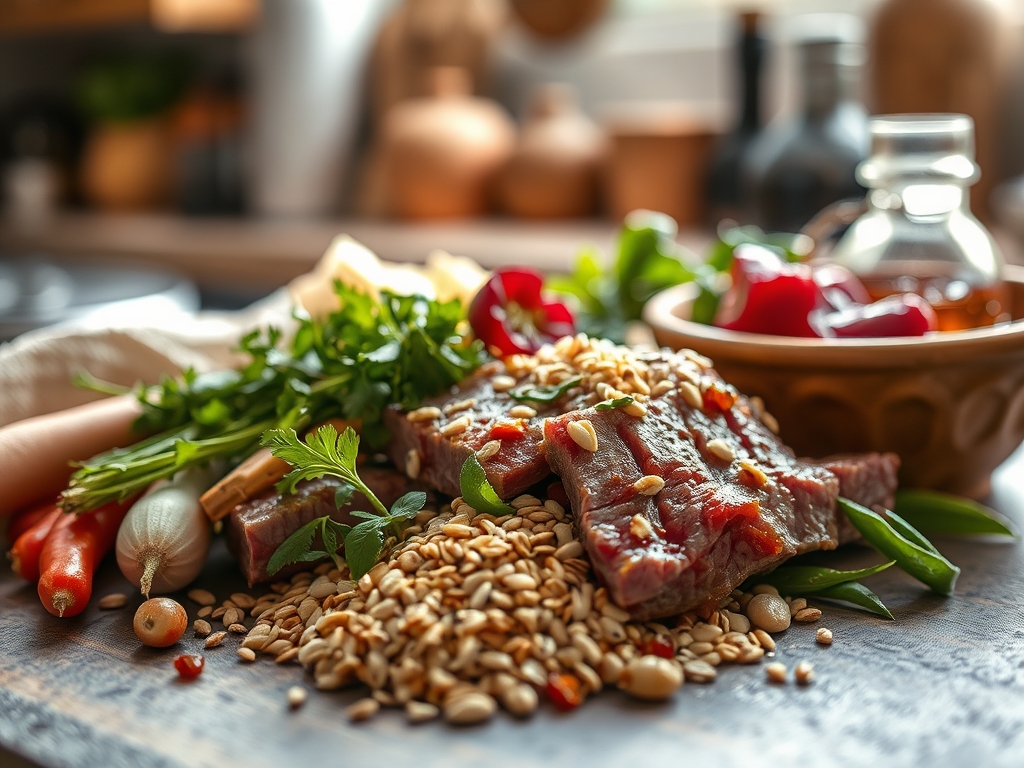
The Gathers:
Mise-en-place is not just a fancy French term; it is the absolute backbone of successful stir-frying. Because Chinese cooking happens at high temperatures, you cannot afford to be chopping garlic while your ginger is already burning in the pan. Start with your protein. For most of these chinese beef recipes easy enough for home cooks, you want flank steak, skirt steak, or top sirloin. These cuts have long muscle fibers that, when sliced against the grain, become incredibly tender. Use a sharp chef knife to create thin, uniform strips.
Next, organize your aromatics. Use a microplane to grate your ginger and garlic into a fine paste; this increases the surface area and allows the oils to infuse the cooking fat almost instantly. For the liquids, you will need light soy sauce for salt, dark soy sauce for that deep mahogany color, and Shaoxing rice wine to deglaze the pan and add a complex, fermented acidity. If you cannot find Shaoxing wine, a dry sherry is a smart substitution. For a gluten-free version, swap the soy sauce for tamari or coconut aminos. If you want to keep things keto-friendly, replace the brown sugar or honey with a splash of liquid monk fruit or erythritol.
The Clock
The "Chef's Flow" is all about sequence. Total prep time for these dishes usually clocks in at fifteen minutes, while the actual cook time is often under eight minutes. The secret is the "staggered start." You should marinate your beef first, as the salt needs time to penetrate the muscle fibers and the cornstarch needs to form a protective barrier. While the beef rests, you chop your vegetables. By the time your heavy-bottomed skillet is smoking hot, everything is lined up in order of density. Harder vegetables like broccoli go in first, followed by the quick-searing beef, and finally the delicate leafy greens or green onions. This ensures nothing is mushy and everything retains its structural integrity.
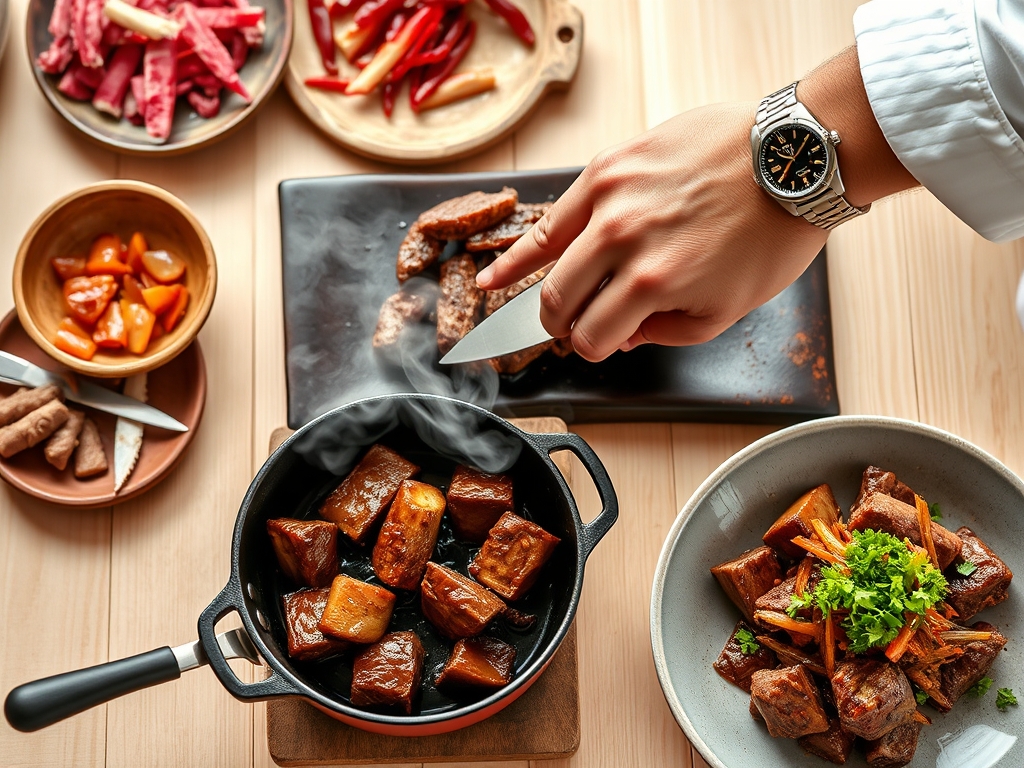
The Masterclass
1. The Velvet Technique
Before the beef touches the pan, coat it in a mixture of cornstarch, soy sauce, and a splash of oil. This creates a physical barrier that prevents the proteins from tightening up too quickly.
Pro Tip: This process, known as velveting, uses the cornstarch to create an insulating layer that traps moisture inside the meat, preventing the denaturation of proteins that leads to toughness.
2. The Smoking Point
Heat your oil until it just begins to shimmer and show wisps of smoke. Use a high-smoke-point oil like peanut or grapeseed rather than extra virgin olive oil.
Pro Tip: High heat triggers the Maillard reaction, a chemical reaction between amino acids and reducing sugars that creates hundreds of different flavor compounds and that characteristic browned crust.
3. The Aromatic Bloom
Add your ginger, garlic, and chili flakes to the center of the pan for only 15 to 30 seconds before tossing them with the other ingredients.
Pro Tip: This is called blooming the spices; the heat releases fat-soluble flavor compounds into the oil, which then coats every other ingredient in the dish.
4. The Deglaze and Emulsify
Pour your sauce mixture around the edges of the pan rather than directly in the center. This allows the sauce to heat up as it slides down into the ingredients.
Pro Tip: The agitation of tossing the beef combined with the starch from the marinade helps to emulsify the fats and liquids into a viscous, glossy glaze that clings to the meat.
5. The Residual Finish
Remove the pan from the heat when the beef looks about 90 percent done. Transfer it to a serving platter immediately using tongs.
Pro Tip: Thermal carryover will continue to cook the meat for several minutes after it leaves the pan. Pulling it early ensures the center remains succulent rather than rubbery.
6. The Aeration Toss
Finish the dish with a sprinkle of fresh scallions or toasted sesame seeds from a height.
Pro Tip: This final toss helps to aerate the dish, cooling it slightly so the fresh garnishes do not wilt instantly, preserving their piquant bite and vibrant color.
The Deep Dive
From a macro perspective, these beef dishes are powerhouse meals. A standard serving provides roughly 30 grams of protein and is rich in iron and B vitamins. To keep it lean, opt for eye of round, though you must be extra careful not to overcook it. For those on a vegan journey, "beef" strips made from rehydrated soy curls or seitan work beautifully with these exact same sauce profiles. If you are going keto, serve your beef over cauliflower rice or shredded cabbage instead of traditional jasmine rice.
"The Fix-It" section is your safety net. If your beef is tough, you likely sliced with the grain instead of against it; next time, look for the lines in the meat and cut perpendicular to them. If your sauce is too thin, whisk a teaspoon of cornstarch with cold water to create a slurry and stir it into the boiling sauce. If the dish is too salty, a squeeze of lime juice or a teaspoon of rice vinegar provides an acidic counterpoint that balances the sodium levels.
For meal prep, store your beef and sauce separately from your rice if possible. When reheating, use a damp paper towel over the container in the microwave. This creates a steam chamber that prevents the beef from drying out, maintaining that "day-one" silkiness.
The Wrap-Up
Mastering chinese beef recipes easy enough for daily life is about more than just following a list of ingredients. It is about understanding the physics of the wok and the chemistry of the marinade. Once you have these six variations in your repertoire, you will find yourself experimenting with different textures and heat levels. Cooking should be an energetic, sensory experience that ends with a plate of food you are genuinely proud to serve. So, turn up the heat, prep your aromatics, and get ready to dominate dinner time.
The Kitchen Table
How do I make the beef super tender?
The secret is velveting. Coat thinly sliced beef in a mixture of cornstarch, soy sauce, and oil for 20 minutes before searing. This creates a protective barrier that locks in moisture and prevents the protein fibers from toughening under high heat.
What is the best cut of beef for stir-fry?
Flank steak is the gold standard because of its intense beefy flavor and lean profile. Skirt steak and top sirloin are excellent secondary choices. Always slice against the grain to ensure the shortest possible muscle fibers for maximum tenderness.
Can I make these recipes without a wok?
Absolutely. A large, heavy-bottomed skillet or a cast-iron pan works perfectly. The goal is heat retention. Ensure you do not overcrowd the pan; cook in batches if necessary to maintain a high temperature and achieve a proper sear.
How do I store and reheat leftovers?
Store in an airtight container for up to three days. To reheat, add a splash of water and cover with a damp paper towel before microwaving. This creates steam, which re-hydrates the starch-based sauce and prevents the beef from becoming rubbery.