

Picture a heavy-bottomed skillet resting on a professional range; the air is thick with the scent of caramelized onions and the deep, savory perfume of searing protein. This is the sensory theater of ground beef recipes ina garten, where simplicity meets high-level culinary technique. We are moving past the humble burger and into the realm of refined comfort. When you handle ground beef through the lens of a Hamptons kitchen, you are not just cooking; you are managing moisture retention, fat emulsification, and the glorious complexity of the Maillard reaction. We want that deep, mahogany crust and a tender, yielding interior that feels like a warm hug from a dear friend. Whether it is a rich bolognese or a structured meatloaf, the secret lies in the quality of the grind and the patience of the sear. Grab your favorite glass of crisp white wine and your best chef's knife. We are about to transform a basic refrigerator staple into a series of dinner party masterpieces that would make the Barefoot Contessa herself proud to pull up a chair.
The Gathers:
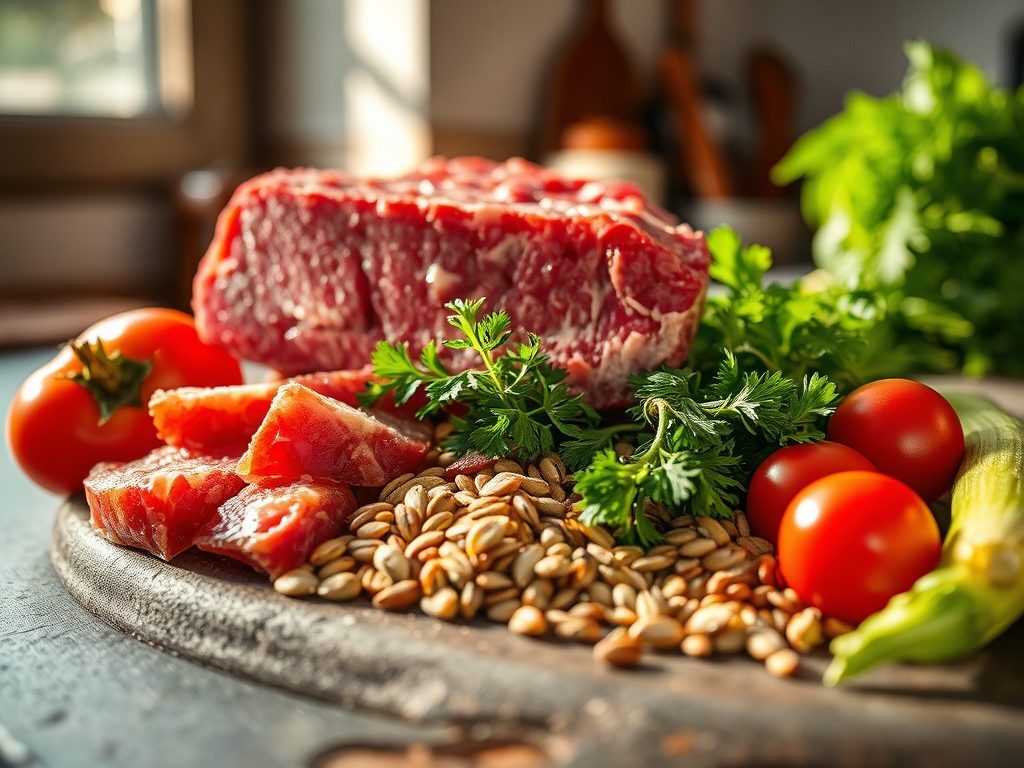
To execute these ground beef recipes ina garten flawlessly, your mise-en-place must be precise. Start with a 80/20 blend of ground chuck. This specific ratio ensures enough intramuscular fat to render during the cooking process, providing a viscous mouthfeel without being overly greasy. You will need a high-quality sea salt, freshly cracked black pepper, and a bottle of "good" dry red wine for deglazing. Essential aromatics include yellow onions, carrots, and celery; the classic mirepoix that serves as the aromatic foundation for almost every savory masterpiece.
For the dairy components, keep heavy cream and freshly grated Parmesan Reggiano on standby. The enzymes in the cheese provide a piquant depth that pre-grated versions simply cannot match. If you are looking for smart substitutions, consider using ground veal or pork for a portion of the beef to create a more complex protein profile. For those avoiding gluten, panko breadcrumbs can be replaced with almond flour or crushed pork rinds to maintain structural integrity without the wheat. Always use a microplane for your garlic and zest to ensure the essential oils infuse the fat instantly rather than leaving behind bitter, burnt chunks.
The Clock
Efficiency in the kitchen is about "Chef's Flow," which is the art of overlapping tasks to minimize downtime. For these recipes, expect a preparation window of 20 to 30 minutes, followed by a cooking duration ranging from 15 minutes for burgers to 90 minutes for a slow-simmered sauce. The flow begins with the cold prep: chopping your aromatics and measuring spices using a digital scale for total accuracy. While the skillet preheats, you should be hydrating your binders. This allows the proteins to rest and the flavors to meld before they hit the heat. Remember, a crowded pan is the enemy of flavor; work in batches to maintain a high surface temperature.
The Masterclass
1. Tempering and Seasoning
Never drop ice-cold meat into a hot pan. Allow your beef to sit at room temperature for 15 minutes to ensure even heat distribution. Season aggressively with salt from a height to ensure uniform coverage across the surface area.
Pro Tip: This facilitates osmosis. Salt draws moisture to the surface where it dissolves, then is reabsorbed into the muscle fibers, seasoning the meat deeply rather than just on the surface.
2. The High-Heat Sear
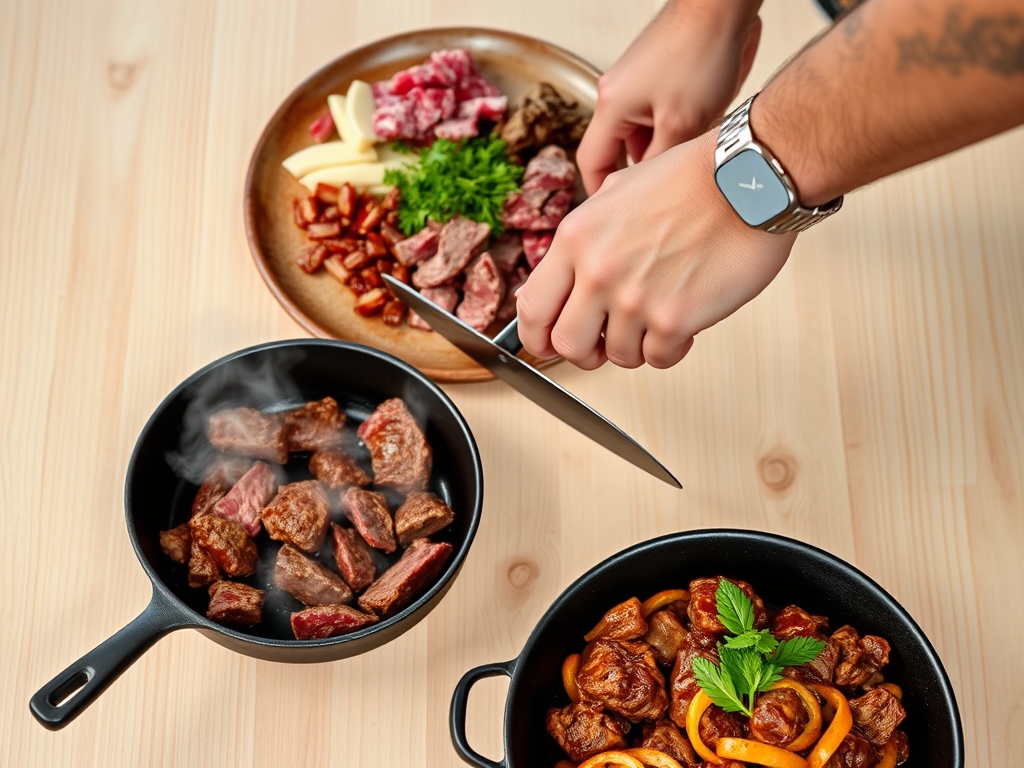
Use a heavy-bottomed skillet or a cast iron pan. Add a high-smoke-point oil and wait for the first wisps of blue smoke. Add the beef in large clumps, resisting the urge to break it up immediately.
Pro Tip: This encourages the Maillard reaction, a chemical reaction between amino acids and reducing sugars that creates hundreds of different flavor compounds. If you stir too early, you end up steaming the meat instead of searing it.
3. Deglazing the Fond
Once the meat is browned and removed, you will notice brown bits stuck to the bottom of the pan. This is "fond," or liquid gold. Pour in your wine or stock and use a bench scraper or wooden spoon to lift those bits.
Pro Tip: This is a process of solubility. The alcohol and acid in the wine dissolve the caramelized proteins, creating a complex, savory base for your sauce that cannot be replicated with water alone.
4. Aerating the Binders
When making meatloaf or meatballs, gently fold in your breadcrumbs and eggs. Do not overmix. Use your hands or a large fork to keep the mixture light and airy.
Pro Tip: Overworking the meat leads to protein cross-linking. This creates a dense, rubbery texture. By keeping the mixture loose, you trap pockets of air and fat, ensuring a tender "short" crumb in the finished dish.
5. Managing Thermal Carryover
Remove your beef from the heat source when it is 5 degrees below your target internal temperature. Use a digital meat thermometer to be certain.
Pro Tip: Thermal carryover occurs because the exterior of the meat is hotter than the interior. Even after removal from the stove, heat continues to move toward the center, raising the temperature and potentially overcooking the dish if you do not account for it.
6. Emulsifying the Sauce
If your recipe involves a sauce, finish it with a pat of cold butter or a splash of heavy cream. Stir vigorously with a saucier whisk until the fat is fully integrated.
Pro Tip: This creates a fat-in-water emulsion. The proteins in the dairy act as stabilizers, preventing the fat from separating and giving the sauce a glossy, professional sheen.
7. The Final Rest
Allow your meat dishes to rest for at least 10 minutes before slicing or serving. This is the most difficult but most important step in the process.
Pro Tip: During cooking, muscle fibers contract and push juices outward. Resting allows the fibers to relax and reabsorb those juices. If you cut too soon, the moisture escapes onto the plate, leaving the meat dry.
The Deep Dive
From a nutritional perspective, ground beef is a powerhouse of Vitamin B12, Zinc, and Iron. To keep it lean, you can drain the rendered fat after browning, though you lose some of the fat-soluble flavor compounds. For dietary swaps, Keto followers should omit breadcrumbs entirely in favor of parmesan cheese. Vegans can utilize walnut and mushroom crumbles, though you must add a dash of liquid aminos to mimic the "umami" profile of beef.
The "Fix-It" section: If your meat is grey and "sweaty," your pan was not hot enough or too crowded; fix this by removing the meat, drying the pan, and restarting with higher heat. If the dish is too salty, add a splash of acid like lemon juice or vinegar to balance the palate. If the meat is dry, you likely over-mixed it; next time, incorporate a "panade" of milk-soaked bread to retain moisture.
For meal prep, reheating ground beef requires care. Avoid the microwave if possible. Instead, use a skillet with a tablespoon of water or broth and cover with a lid. This creates a steam chamber that rehydrates the proteins, ensuring "day-one" quality even on day three.
The Wrap-Up
Mastering ground beef recipes ina garten is truly about respecting the ingredients and understanding the physics of the pan. When you prioritize the sear, manage your temperatures, and allow for proper resting, you elevate a simple protein into something spectacular. Cooking is a beautiful blend of art and science; once you understand why the meat browns or why the sauce thickens, you gain the confidence to experiment. So, go ahead and host that dinner party. Your kitchen is your laboratory, and the results are going to be absolutely delicious.
The Kitchen Table
Can I use frozen ground beef for these recipes?
Yes, but you must thaw it completely in the refrigerator first. Excess moisture from ice crystals will prevent a proper sear, so pat the meat dry with paper towels before it hits the hot heavy-bottomed skillet.
What is the best way to prevent meatballs from falling apart?
Ensure you use a proper binder like eggs and breadcrumbs. Chilling the formed meatballs in the refrigerator for 30 minutes before cooking helps the proteins set, maintaining their structural integrity during the browning process.
Why does Ina Garten often mix different types of meat?
Mixing beef with pork or veal creates a superior texture and flavor profile. Beef provides the structure, pork adds fat and sweetness, and veal contributes a delicate, silky mouthfeel that makes the final dish more sophisticated.
How do I know when the Maillard reaction is successful?
Look for a deep, chocolate-brown crust on the surface of the meat. If the meat is pale or grey, the temperature was too low. That brown crust is where the concentrated savory flavor lives.