

Picture the sound of a heavy-bottomed cast iron skillet meeting a high-heat flame. You drop in a block of protein and wait for that familiar, aggressive sizzle. If you have ever felt underwhelmed by vegan alternatives, it is likely because you treated them like vegetables instead of meat. Mastering plant based ground beef recipes requires a shift in your chemical perspective. We are not just cooking; we are engineering a Maillard reaction on a molecular level to ensure every bite is savory, juicy, and structurally sound.
To get that perfect "beefy" crumble, you need to understand the physics of moisture. Most plant-based proteins are high in water content and methylcellulose, a binder that acts differently than animal collagen. If you crowd the pan, you are essentially steaming your dinner in a tepid bath of its own juices. To achieve a piquant, caramelized crust, we must respect the sear. This guide is your roadmap to transforming humble plant crumbles into a culinary masterpiece that would fool even the most dedicated carnivore. We are going to deglaze, infuse, and aerate our way to a better dinner.
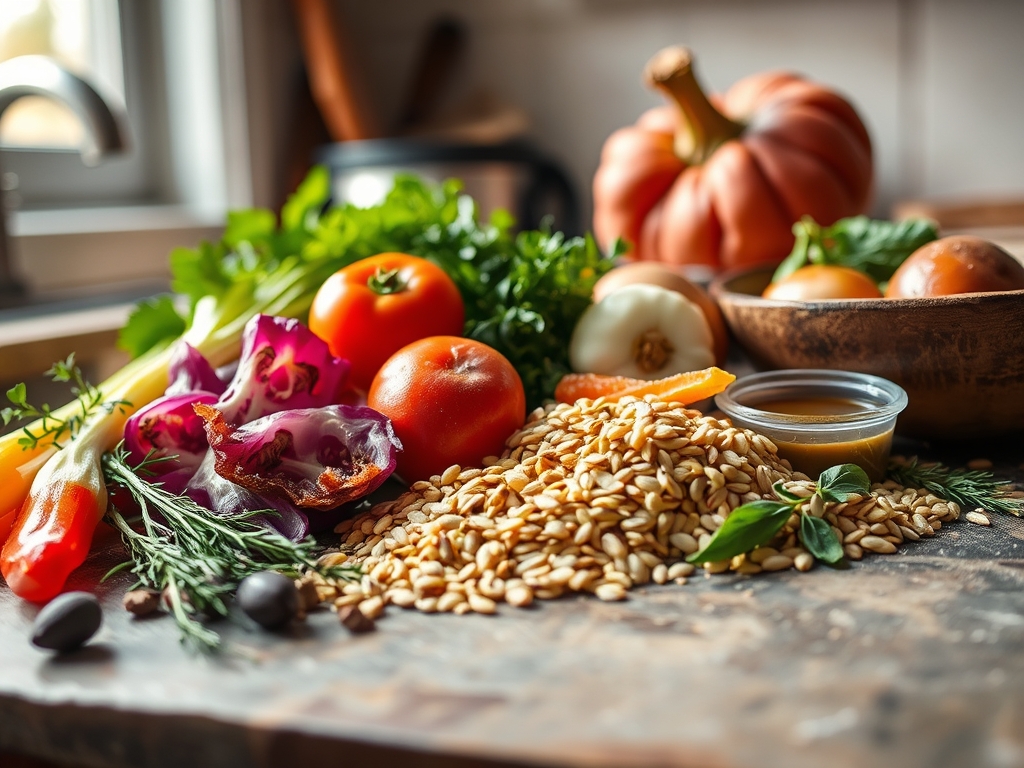
The Gathers:
Before you even think about turning on the burner, your mise-en-place must be flawless. Professional kitchens rely on organization to manage the rapid evaporation rates of plant-based fats. You will need your star player: one pound of high-quality plant-based ground. Look for brands that utilize coconut oil or cocoa butter; these fats remain solid at room temperature but render beautifully under heat, mimicking the mouthfeel of animal tallow.
Gather your aromatics. You will need finely diced shallots (which provide a more delicate sulfur profile than white onions) and garlic cloves ready for the microplane. For the "Smart Substitutions," keep a bottle of liquid aminos or dark soy sauce nearby. These provide the essential glutamates that plant proteins often lack. If you are aiming for a deeper umami profile, a teaspoon of white miso paste or nutritional yeast will act as a flavor catalyst. Finally, ensure you have a high-smoke-point oil, such as avocado or grapeseed oil, to facilitate the initial sear without scorching the delicate plant fibers.
The Clock:
Efficiency in the kitchen is all about "Chef's Flow." This is the rhythmic transition from prep to plate that prevents overcooking. For most plant based ground beef recipes, your active cook time is surprisingly short; usually between 8 to 12 minutes. However, the preparation phase is where the magic happens.
Allocate 10 minutes for precision chopping. Use a sharp chef's knife or a bench scraper to move your aromatics efficiently. The "Flow" dictates that you should have your skillet preheating for at least three minutes before the protein touches the surface. This ensures the thermal mass of the pan is high enough to evaporate surface moisture instantly. Remember, plant protein does not "cook through" in the traditional sense of denaturing animal muscle; it is more about setting the binders and developing surface flavor. Overcooking leads to a rubbery texture, so keep your digital scale and timer handy to ensure consistency.
The Masterclass:
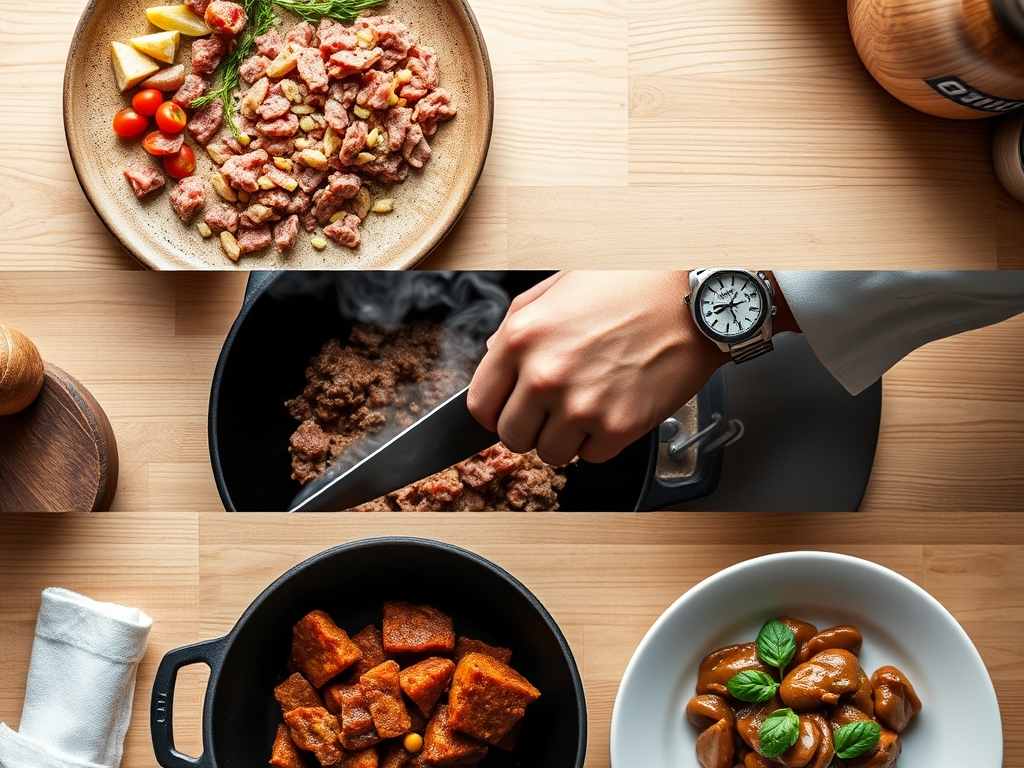
1. The Tempering Phase
Take your plant-based ground out of the refrigerator 15 minutes before cooking. Bringing the protein closer to room temperature prevents the skillet's surface temperature from plummeting, which is the primary cause of gray, soggy meat. Use your hands to gently break the block into large, uniform chunks rather than a fine crumble.
Pro Tip: This technique manages thermal shock. If the protein is too cold, the fats will seize rather than render, preventing the Maillard reaction (the chemical reaction between amino acids and reducing sugars) from occurring effectively.
2. The High-Heat Sear
Place your heavy-bottomed skillet over medium-high heat until a drop of water flicked onto the surface dances and evaporates instantly. Add a tablespoon of oil and then the protein. Do not move it. Let it sit undisturbed for at least three minutes to develop a dark, crispy crust.
Pro Tip: This is known as crust stabilization. Moving the protein too early interrupts the formation of a carbonized layer, which is essential for the "beefy" flavor profile found in top-tier plant based ground beef recipes.
3. The Deglaze and Infuse
Once a crust has formed, use tongs or a stiff spatula to flip the chunks. This is when you add your aromatics. As the onions release moisture, use a splash of red wine or vegetable stock to deglaze the pan. Scrape up the "fond" (the brown bits stuck to the bottom) so they re-incorporate into the meat.
Pro Tip: Deglazing utilizes solvent extraction. The liquid pulls concentrated flavor molecules off the pan and forces them back into the porous plant fibers, deeply infusing the protein.
4. The Emulsification Finish
In the final two minutes of cooking, add a small pat of vegan butter or a teaspoon of tomato paste. Stir vigorously to create a viscous sauce that coats each crumble. This adds a glossy finish and ensures the dish does not feel dry on the palate.
Pro Tip: This step relies on lipid suspension. By adding a fat-based finisher at the end, you create a coating that slows down moisture loss during the "carryover cooking" phase after you remove the pan from the heat.
The Deep Dive:
When we look at the macro nutrition of plant based ground beef recipes, we see a profile that often mirrors 80/20 beef in terms of protein and fat. However, you are gaining significant fiber and zero cholesterol. For those with dietary restrictions, most leading brands are naturally gluten-free, but always check the label for barley-based flavorings. If you are Keto, focus on brands that use pea protein rather than soy to keep the net carb count at a minimum.
The Fix-It: Technical Solutions for Common Pitfalls
- The Mush Factor: If your "meat" is turning into a paste, you likely added salt too early. Salt draws out moisture via osmosis. Fix: Add salt only during the final 60 seconds of cooking.
- The "Aftertaste" Issue: Some plant proteins have a lingering "green" or metallic flavor. Fix: Use an acid. A squeeze of lemon or a teaspoon of apple cider vinegar at the end will neutralize alkaline off-notes.
- The Dry Crumble: If the meat feels like sand, you have over-evaporated the fats. Fix: Fold in two tablespoons of warm beef-flavored vegetable broth or a touch of olive oil before serving to restore the mouthfeel.
Meal Prep and Reheating Science:
To maintain "day-one" quality, store your cooked plant-based ground in an airtight glass container. When reheating, avoid the microwave if possible; it vibrates water molecules so violently that it destroys the methylcellulose bond, resulting in a rubbery texture. Instead, use a saucier or small pan with a tablespoon of water. Cover with a lid to create a steam-chamber, which gently rehydrates the fibers without toughening the protein.
The Wrap-Up:
You are now officially a scientist in a chef's coat. By understanding the mechanics of heat transfer and the importance of umami-rich infusions, you have elevated your plant based ground beef recipes from basic "meat alternatives" to high-end culinary staples. Remember to trust your senses: listen for the sear, watch for the glisten of the render, and always deglaze that pan. Cooking is a series of chemical wins; go claim yours.
The Kitchen Table:
How do I make plant-based beef taste more like real meat?
Incorporate umami-heavy ingredients like miso paste, liquid aminos, or sautéed mushrooms. These provide the savory depth and glutamates naturally found in animal proteins. Always sear on high heat to trigger the Maillard reaction for a charred, "beefy" exterior.
Can I use plant-based ground beef in slow cooker recipes?
Yes, but with a caveat. Plant proteins can lose their structural integrity over long periods. For the best texture, brown the "meat" in a skillet first, then add it to the slow cooker during the final 45 minutes of the cycle.
Why does my plant-based meat stick to the pan?
This usually happens because the pan wasn't hot enough or you didn't use enough fat. Plant binders like methylcellulose are very "sticky" when cold. Ensure your skillet is preheated and well-oiled before adding the protein to prevent sticking.
Is plant-based ground beef healthier than regular beef?
Generally, it offers similar protein levels with zero cholesterol and more fiber. However, it can be higher in sodium. It is a great option for heart health, provided you balance the salt levels in the rest of your recipe.